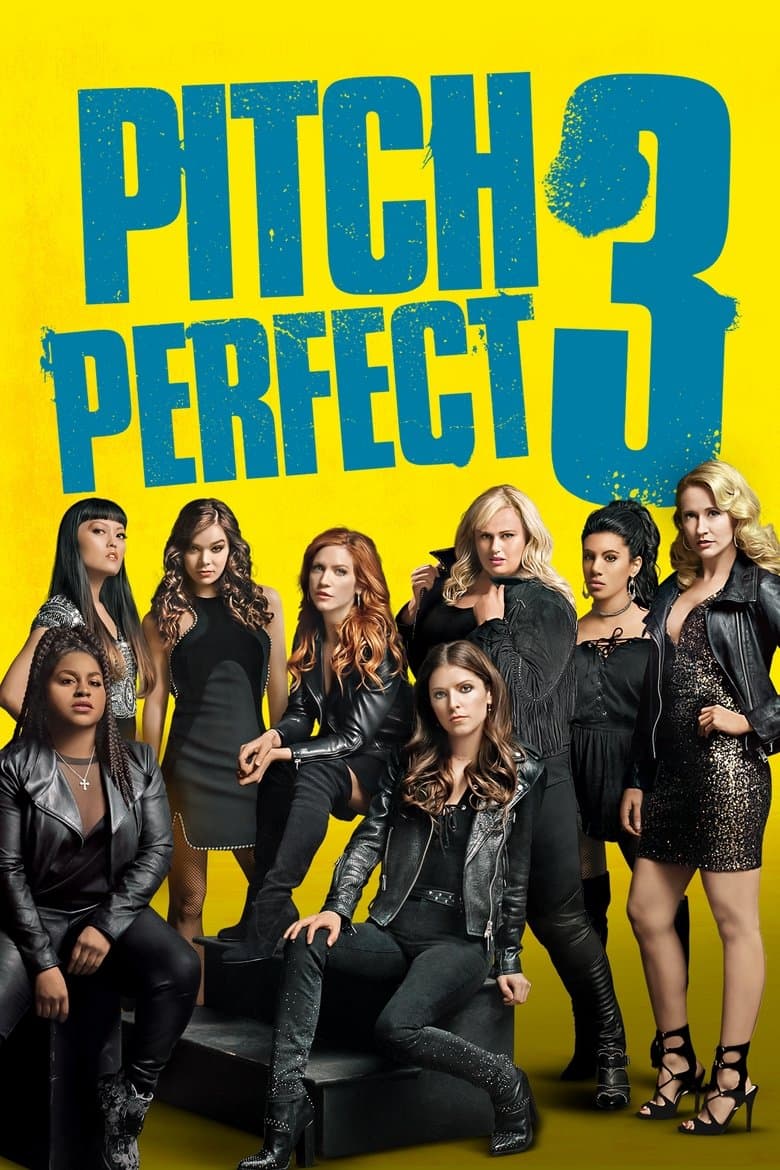
Pitch Perfect 3 follows Beca Mitchell and her Barden Bellas after they finish college. Beca has quit her music job, while the others struggle with dull work, school plans, or no clear next step. The women reunite for a USO tour in Spain, Italy, and France after Aubrey uses her father’s army connection to get them the job. They compete with bands that use instruments and face a wild kidnapping plot tied to Amy’s criminal father. The tone is bright, silly, and built around pop songs, friendship, and one last group performance.
The film makes its biggest identity signal through its all-female lead group and its repeated message that women can be funny, messy, talented, and successful together. The Bellas include Black, Asian, Latina, white, plus-size, and lesbian characters, but the plot does not turn their identities into major debates or political speeches. Cynthia-Rose says she plans to join the Air Force because gay people can serve, but the film treats the line as a joke and does not build a larger rights story. Beca and the other women move toward work, school, music, and friendship rather than a social campaign. The movie presents soldiers and the USO tour in a positive way, so its main message is team loyalty and entertainment instead of activist politics.
Community feedback
Was our 35% Woke rating accurate?
Breakdown
These are the editorial factors and ratings behind our score for Pitch Perfect 3.
Woke representation / casting
The Bellas are a large all-female group with Black, Asian, Latina, and white members, plus a lesbian member. The movie puts these women at the center as singers, leaders, and problem-solvers. Interviews around the release openly described the group as diverse and important for audience representation. The college setting makes a mixed cast believable, but the repeated diversity and woman-centered framing make the signal noticeable.
35%
Woke political dialogue
Cynthia-Rose says she plans to join the Air Force because gay people can serve. The film treats the comment as a joke during the group’s life update. The line names a current rule about military service and links it to her career plan. The story does not return to gay rights or build a larger political debate.
15%
Identity-driven story themes
The story centers on women who support one another through dull jobs, fear, family trouble, and change after college. The film repeatedly presents female friendship, self-belief, and women doing comedy and action as important. Cynthia-Rose’s plan adds a clear LGBTQ identity point. The final song adds a simple message about being yourself, but no queer romance or rights campaign drives the plot.
35%
Western institutional / cultural critique
Not present. Positive depiction of U.S. military through USO tour and army protection; no portrayals of toxic masculinity, patriarchy, or Western institutions as flawed.
0%
Woke character or canon changes
Not present in this title.
0%
Anti-woke backlash and complaints
Not present. No documented right-leaning or anti-woke complaints treating the film as DEI or identity-driven propaganda.
0%
Creator track record context
Elizabeth Banks brings moderate liberal and female-centered context through public support for Democratic candidates, abortion rights, and gun control. Kay Cannon has discussed feminist angles in comedy, while Mike White has argued against identity-politics barriers in storytelling. Trish Sie and most other listed producers and casting directors have no strong public activist profile. The combined record suggests a commercial team with some feminist and liberal signals, not a unified activist project.
30%
Production
Movie · 2022
Exploring every facet of ‘Weird Al’ Yankovic’s life, from his meteoric rise to fame with early hits like ‘Eat It’ and ‘Like a Surgeon’ to his torrid celebrity love affairs and…
Movie · 2018
Adam Sandler takes his comical musical musings back out on the road, from comedy clubs to concert halls to one very unsuspecting subway station.
Movie · 2023
From his onstage tackle to the slap heard round the world, Dave Chappelle lets loose in this freewheeling and unfiltered stand-up comedy special.
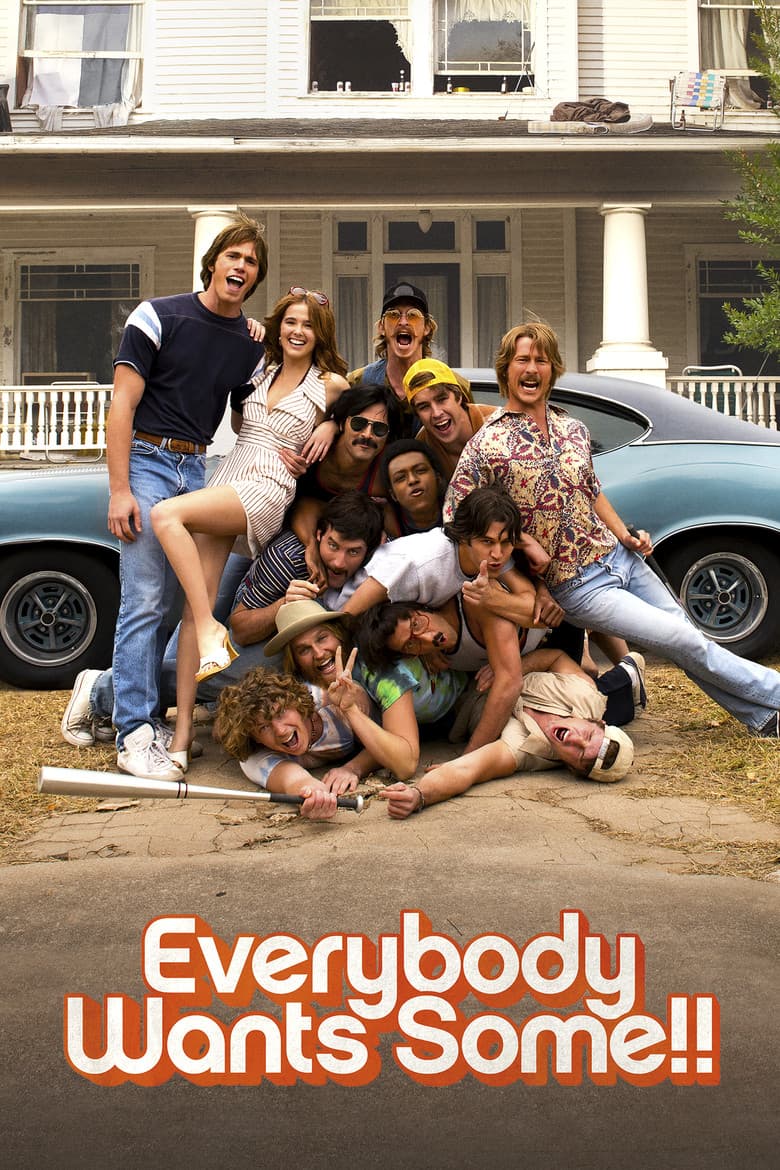
Movie · 2016
A comedy that follows a group of friends as they navigate their way through the freedoms and responsibilities of unsupervised adulthood.
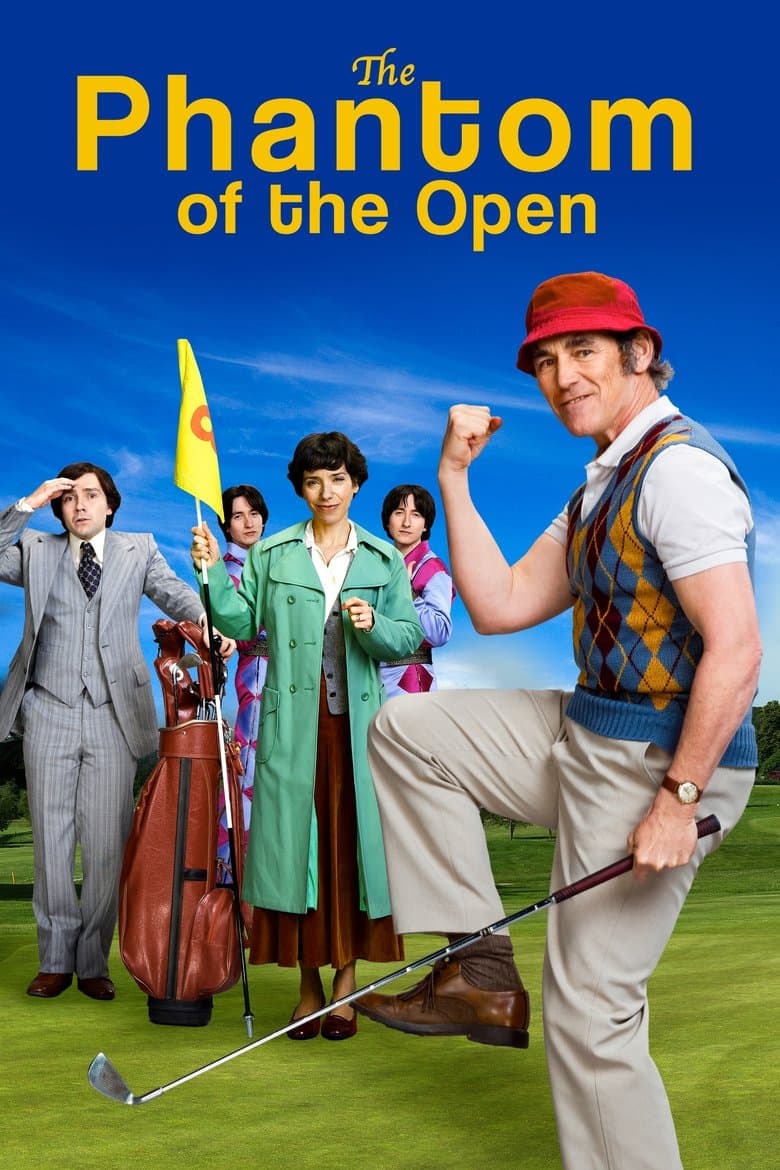
Movie · 2022
Maurice Flitcroft, a dreamer and unrelenting optimist, managed to gain entry to The British Open Golf Championship qualifying in 1976 and subsequently shot the worst round in Open…

Movie · 2024
Inseparable best friends AJ and Moose decide to run the local pool's snack shack after their plan to sell home-brewed beer goes down the drain.
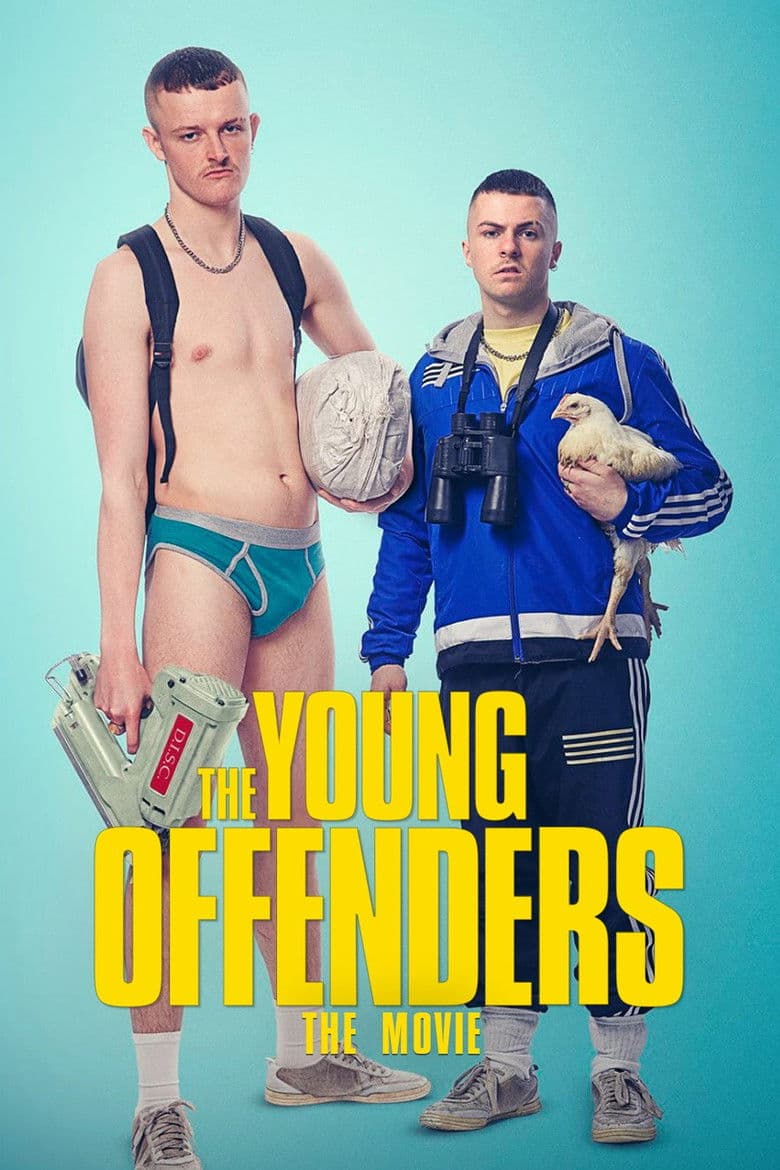
Movie · 2016
Two teenage boys from inner-city Cork steal bicycles and ride off on a 160km quest to find an unrecovered bale of cocaine worth 7,000,000 euros.
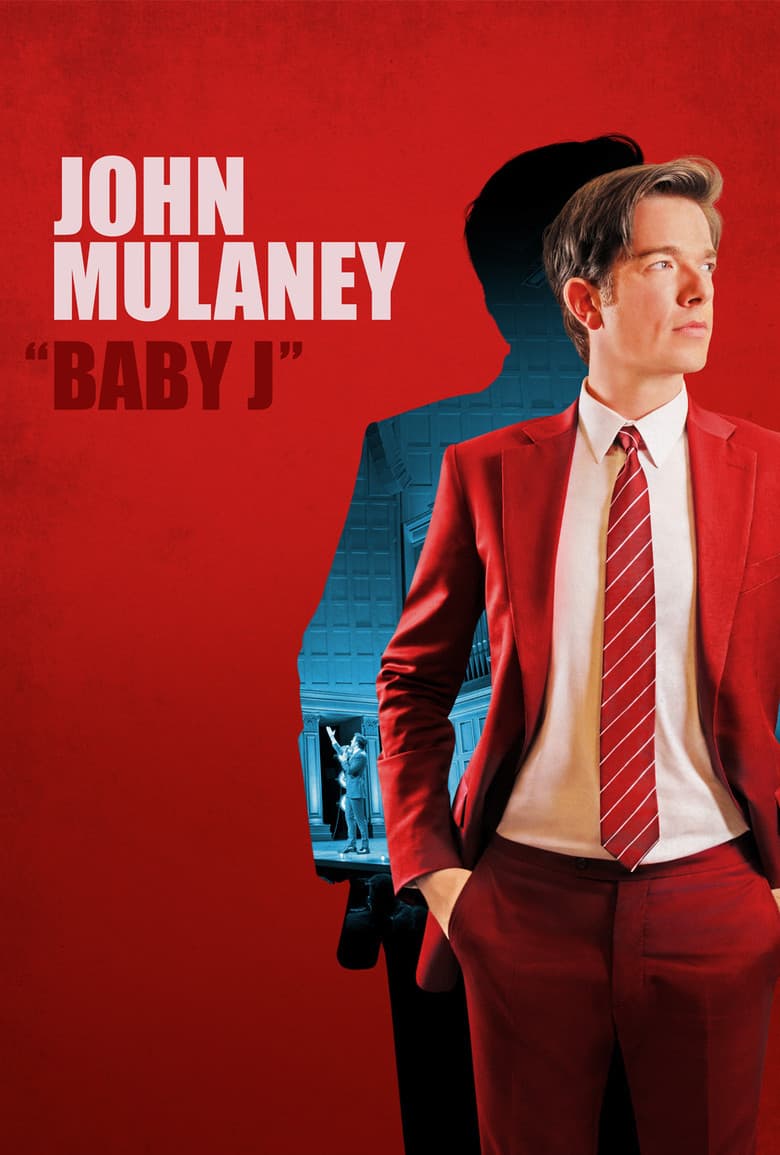
Movie · 2023
A chaotic intervention. An action-packed stay in rehab. After a weird couple of years, John Mulaney comes out swinging in his return to the stage.
