Movie review
July 14, 2022 · 94 min · PG · Kids · Animation · Comedy · Adventure · Family
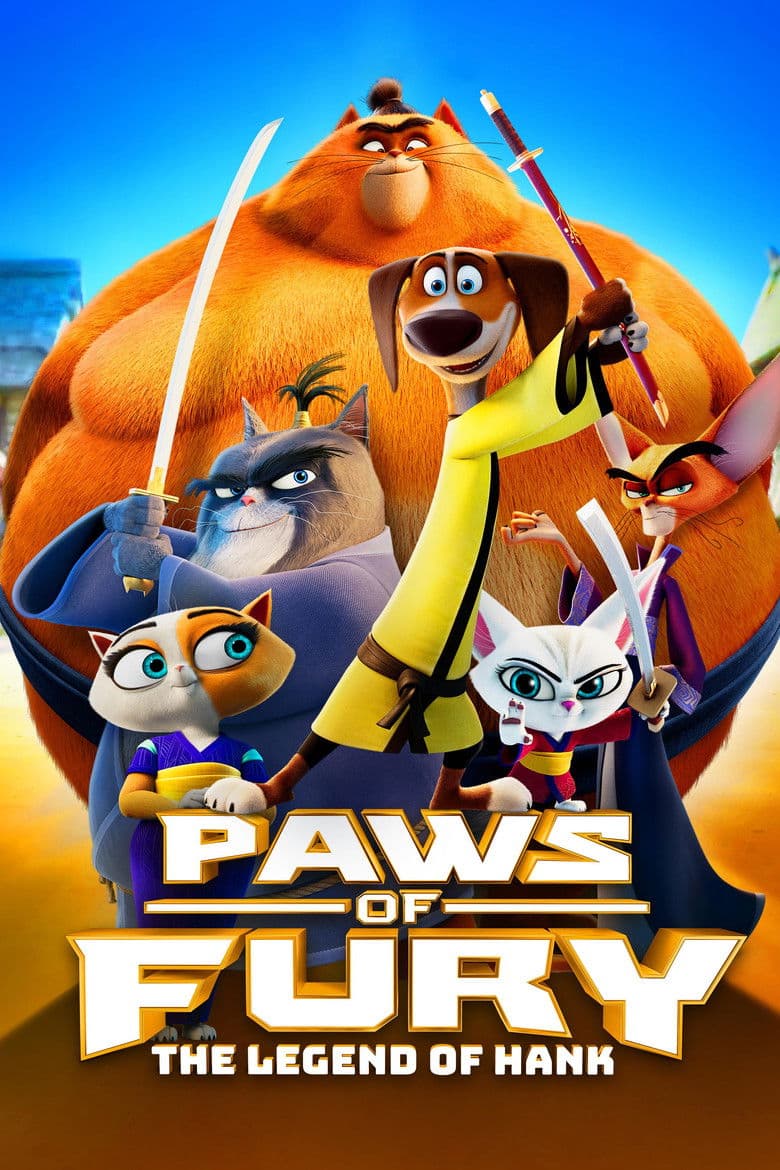
Hank is a clumsy dog who dreams of becoming a samurai in a land of cats. A greedy cat boss picks him to “protect” a poor cat town, hoping the townsfolk will hate him and leave. With help from a tired old cat mentor, Hank trains, fights bad guys, and tries to earn trust. The tone is loud, silly family comedy with slapstick fights and bathroom jokes.
The story is built around prejudice: cats treat Hank badly because he is a dog, with lines like “go back where you came from” and jokes about hating someone for looking different. Directors talked about the film as a message of acceptance, diversity, and inclusion. A young girl cat, Emiko, wants to be a samurai and is given that role at the end, a clear girl-power beat. Normal viewers will notice the “don’t judge outsiders” moral and the cat-dog stand-in for bias. It is not a heavy modern-politics lecture, but the outsider-and-acceptance theme sits at the center of the plot.
Community feedback
Was our 49% Woke rating accurate?
Breakdown
These are the editorial factors and ratings behind our score for Paws of Fury: The Legend of Hank.
Woke representation / casting
Voice cast is mixed (Cera, Jackson, Gervais, Takei, Yeoh, and others), but characters are cats and dogs, so race-quota casting of human roles is not the main issue. Emiko’s girl-samurai path and press talk about representation add a mild, audience-visible identity note rather than a hard casting agenda.
30%
Woke political dialogue
Clear message lines about belonging, “go back where you came from,” and hating people who look different. Prejudice jokes and “we can all be better together” style morals are easy for kids and parents to hear. Not constant activist speech, but hard to miss when it hits.
48%
Identity-driven story themes
The whole story is an outsider judged for what he is (dog among cats), adapted from a famous race satire. Acceptance of difference, with a side thread of a girl wanting the samurai job, is the main theme, not a side plot. Strong for a kids comedy, still more classic “tolerance fable” than a full modern identity manifesto.
48%
Western institutional / cultural critique
Villain is a greedy official who wants land for a bigger palace—standard cartoon greed. Little focus on modern attacks on Western faith, family norms, or “toxic masculinity.” Prejudice is mocked; institutions are not the main target.
5%
Woke character or canon changes
Blazing Saddles is remade as a cat-dog kids fable (ordinary soft adaptation). Emiko’s girl-samurai ending is a small modern empowerment add-on, not a big identity rewrite of famous named heroes or history figures.
18%
Anti-woke backlash and complaints
Only sparse, low-profile claims that a sanitized Blazing Saddles remake is “woke.” No major coordinated anti-woke campaign or headline controversy of that kind.
10%
Creator track record context
Cached crew scores are low (mostly 0–17). For this film, Minkoff did market the message as diversity and inclusion, but the team’s broader public record is not activist-driven.
10%
Production

Movie · 2024
Garfield, the world-famous, Monday-hating, lasagna-loving indoor cat, is about to have a wild outdoor adventure!
Movie · 2016
When a radio falls from the sky into the hands of a wide-eyed Tibetan Mastiff, he leaves home to fulfill his dream of becoming a musician, setting into motion a series of…
Movie · 2026
Living on a rundown shipwreck, Mr. Fish one day discovers a hyperactive young sea dragon Pip – who had mistaken his home for a junkyard – pilfering his belongings.
Movie · 2024
Porky and Daffy, the classic animated odd couple, turn into unlikely heroes when their antics at the local bubble gum factory uncover a secret alien mind control plot.
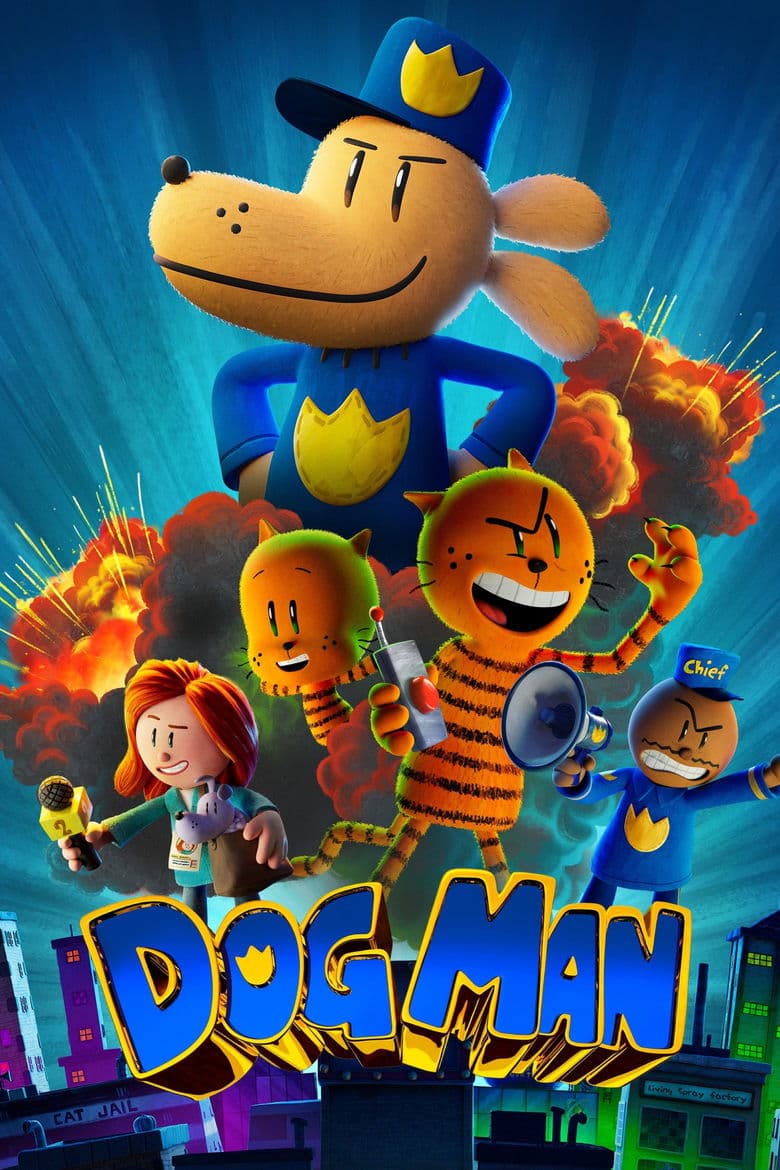
Movie · 2025
When a faithful police dog and his human police officer owner are injured together on the job, a harebrained but life-saving surgery fuses the two of them together and Dog Man is…
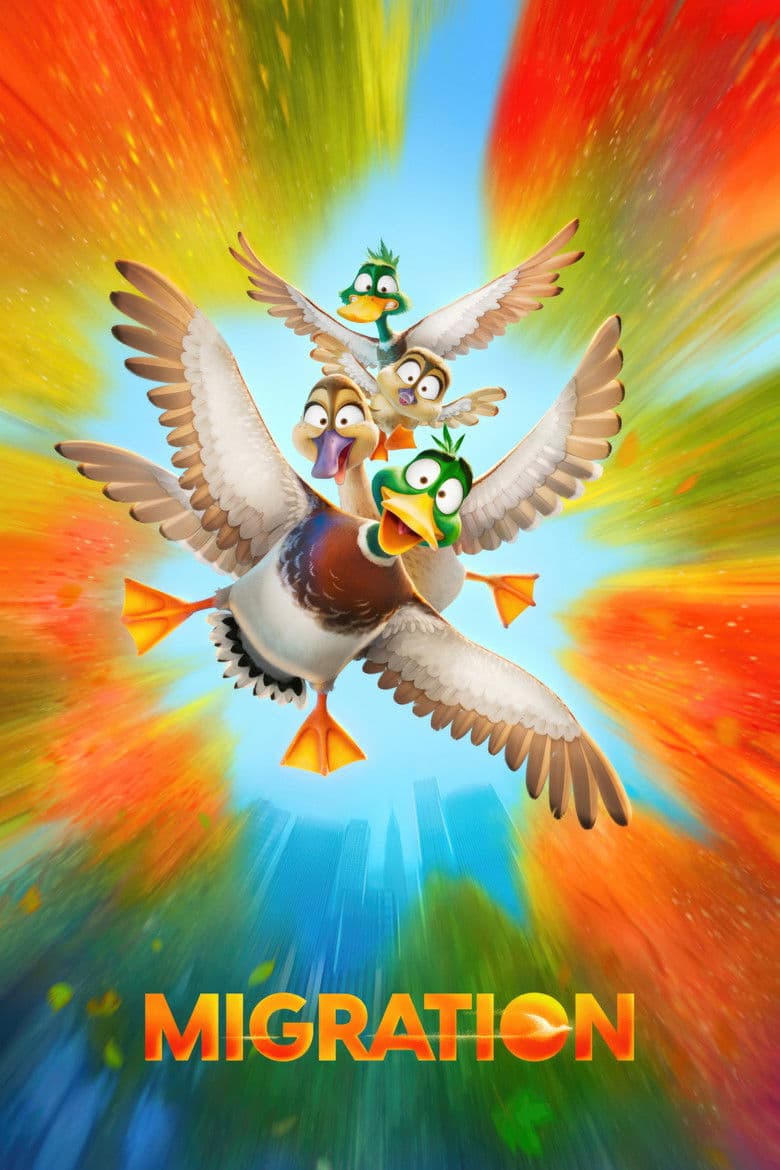
Movie · 2023
After a migrating duck family alights on their pond with thrilling tales of far-flung places, the Mallard family embarks on a family road trip, from New England, to New York City…
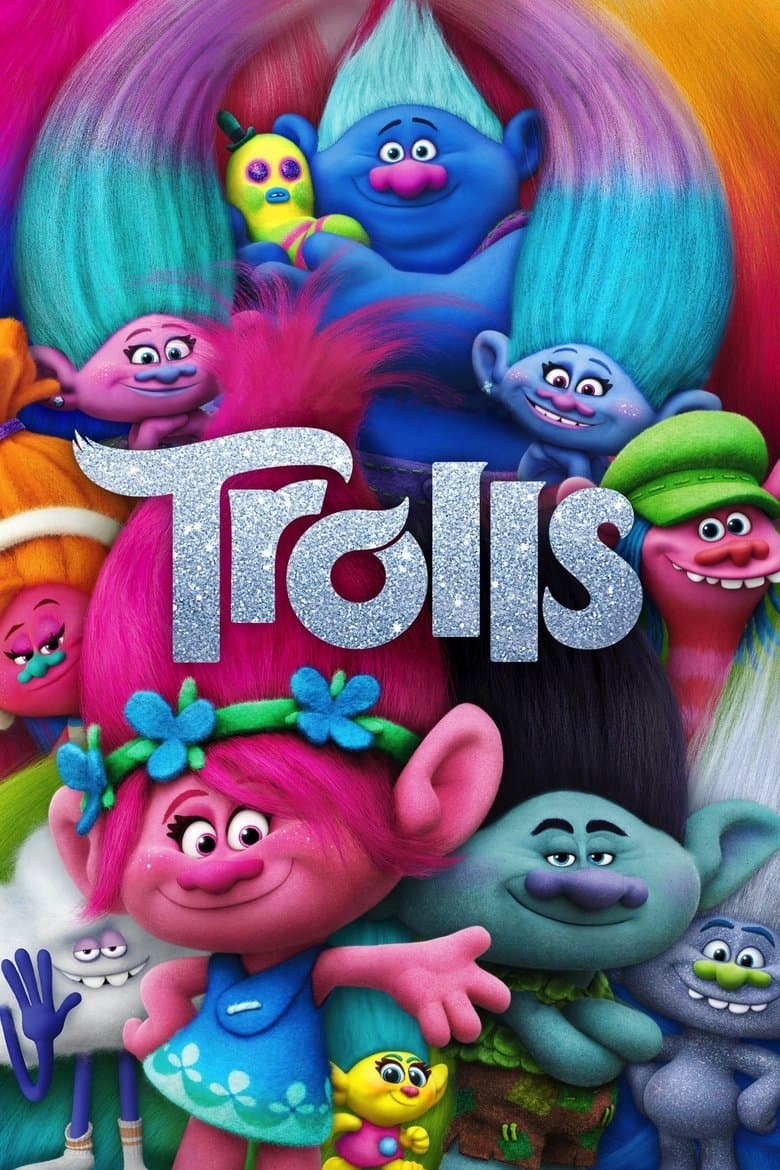
Movie · 2016
After the monstrous Bergens invade Troll Village, Princess Poppy, the happiest Troll ever born, and overly-cautious, curmudgeonly outcast Branch set off on a journey to rescue her…
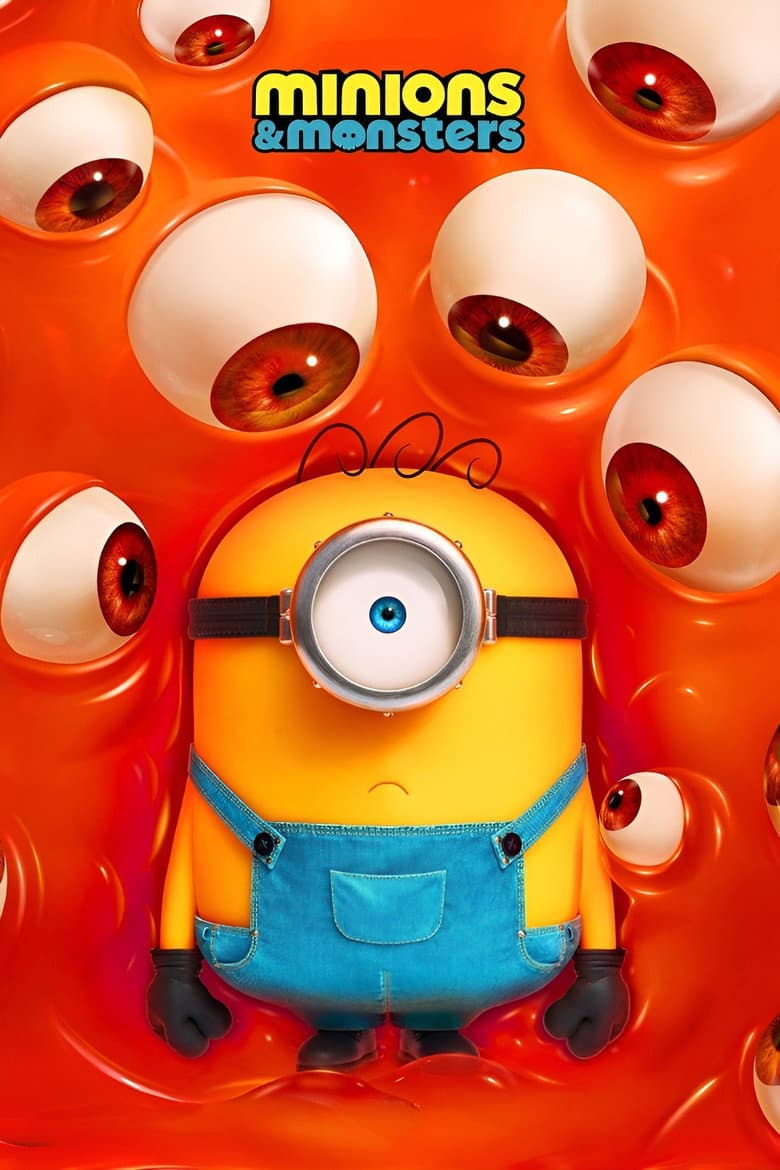
Movie · 2026
This is the rambunctious, ridiculous and totally true story of how the Minions conquered Hollywood, became movie stars, lost everything, unleashed monsters onto the world and then…
