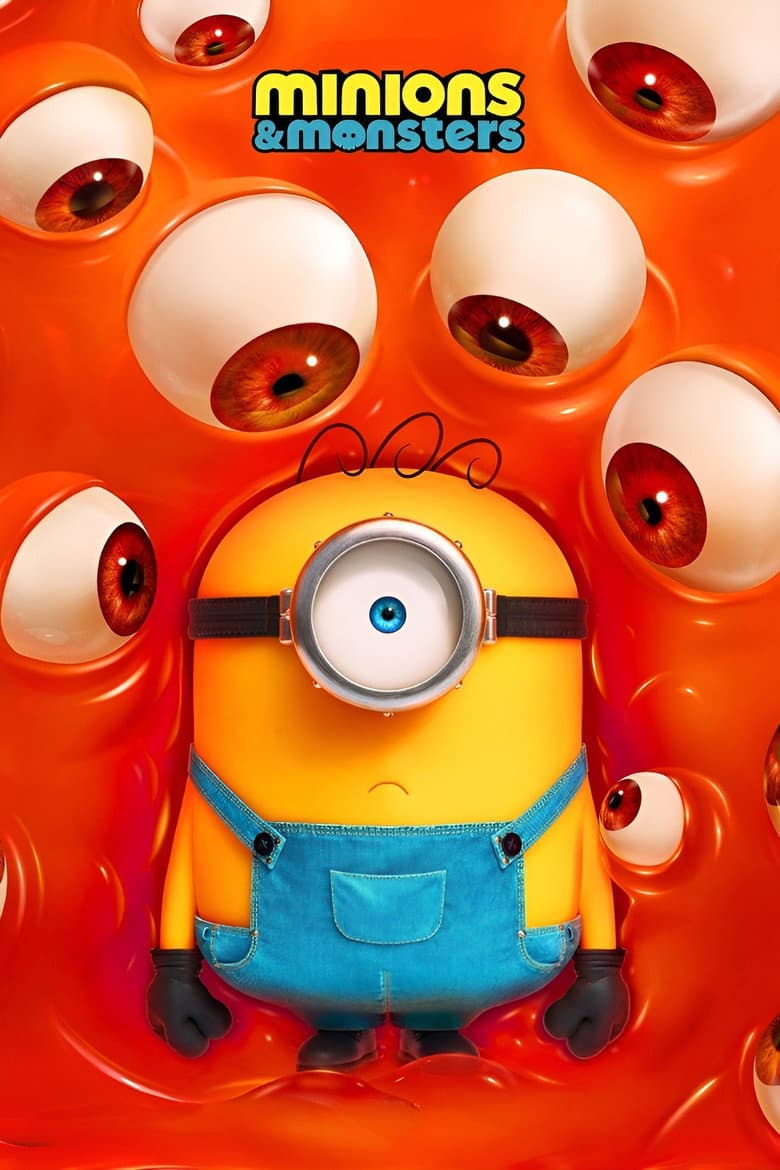
Movie review
June 24, 2026 · 90 min · PG · Kids · Fantasy · Animation · Comedy · Adventure · Family
James and Henry are two Minions who love stories more than serving bad guys. They crash into 1920s Hollywood, become silent-movie stars, then lose it all when talkies arrive. They try to make their own monster movie with real creatures and end up unleashing chaos they must stop. The tone is loud, silly slapstick mixed with a warm love letter to old movies.
The main story is about friendship, movie dreams, and wild monster mess-ups. A side plot shows Minions marching with women who want the vote, and an alien robot falls for Debbie, a strong-willed suffragette. Another Minion friend, Ed, is hard of hearing and uses sign language. Some viewers also read a close bond between James and Henry as more than friendship, but the film never states that. A normal viewer mainly notices the banana jokes and movie jokes; the rights march and romance are clear but not the center of the film.
Community feedback
Was our 27% Woke rating accurate?
Breakdown
These are the editorial factors and ratings behind our score for Minions & Monsters.
Woke representation / casting
Leads are nonhuman male Minions. Human speaking roles skew classic Hollywood types. Light inclusion shows up as Ed (deaf, sign language) and Debbie (female suffragette support role). Background people of color and a black actor voicing a monster are minor. No strong quota-style race or gender pattern in the top cast.
14%
Woke political dialogue
Audience hears suffrage-era women’s-rights talk and sees Minions in a vote march. That fits the 1920s setting more than modern DEI slogans. Dialogue is light and side-plot based; kids can miss most of it.
22%
Identity-driven story themes
The narrative includes a subplot centered on Debbie, a strong-willed suffragette who uses her feminist perspective and kindness to reform a male alien conqueror. Additionally, the film highlights a deaf Minion, Ed, using sign language. While these elements remain secondary to the slapstick monster plot, they introduce clear identity and inclusion themes. Queer readings of James and Henry exist but stay subtext, not stated plot.
26%
Western institutional / cultural critique
Studio bosses are mocked as pushy, power-hungry Hollywood types—classic industry satire, not modern attacks on patriarchy, faith, or “the West.” Fat-boss jokes and firings serve slapstick, not activist lectures.
4%
Woke character or canon changes
Not relevant. James, Henry, Ed, Debbie, and Dort are new. No race, gender, or identity rewrite of known Despicable Me/Minions figures or real history into DEI messaging.
0%
Anti-woke backlash and complaints
Niche anti-woke/Christian complaints exist (suffrage plot as progressive push; “woke Hollywood drivel”; moderate “wokeism” labels). Bigger public fight was occult/magic, which does not count here. No huge mainstream anti-woke wave.
22%
Creator track record context
Key directors, writers, and producers score very low on stored activist profiles. One writer (Nourigat) has moderate inclusion-focused past work. Team overall matches commercial Illumination family comedy, not identity-first projects.
10%
Production
Movie · 2019
Max the terrier must cope with some major life changes when his owner gets married and has a baby. When the family takes a trip to the countryside, nervous Max has numerous…
Movie · 2017
Gru and his wife Lucy must stop former '80s child star Balthazar Bratt from achieving world domination.
Movie · 2026
Living on a rundown shipwreck, Mr. Fish one day discovers a hyperactive young sea dragon Pip – who had mistaken his home for a junkyard – pilfering his belongings.
Movie · 2019
A group of misfits encounter a young Yeti named Everest, and they set off to reunite the magical creature with his family on the mountain of his namesake.
Movie · 2024
A solitary cat, displaced by a great flood, finds refuge on a boat with various species and must navigate the challenges of adapting to a transformed world together.
Movie · 2025
When a young girl’s sketchbook falls into a strange pond, her drawings come to life—chaotic, real, and on the loose.
Movie · 2021
Determined teen Din is longing to reconnect with his childhood best friend when he meets a wish-granting dragon who shows him the magic of possibilities.
Movie · 2022
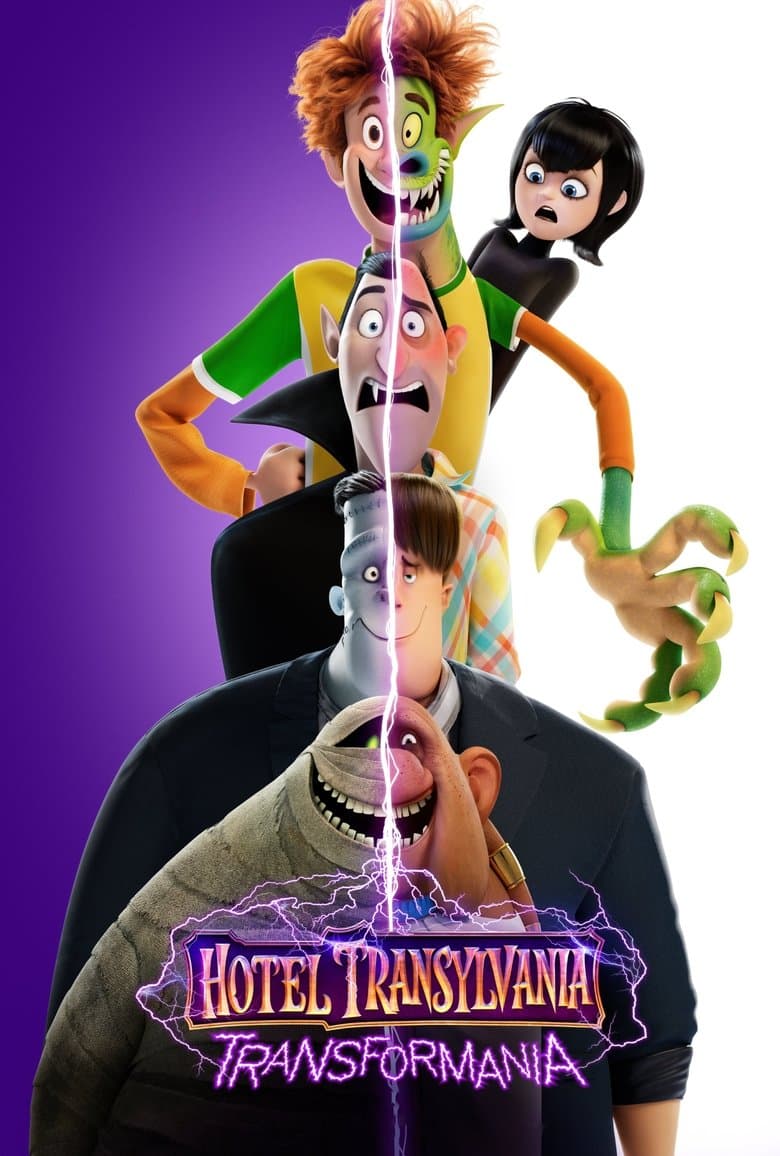
When Van Helsing's mysterious invention, the "Monsterfication Ray," goes haywire, Drac and his monster pals are all transformed into humans, and Johnny becomes a monster.
