Movie review
October 13, 2016 · 92 min · PG · Kids · Fantasy · Animation · Comedy · Adventure · Family
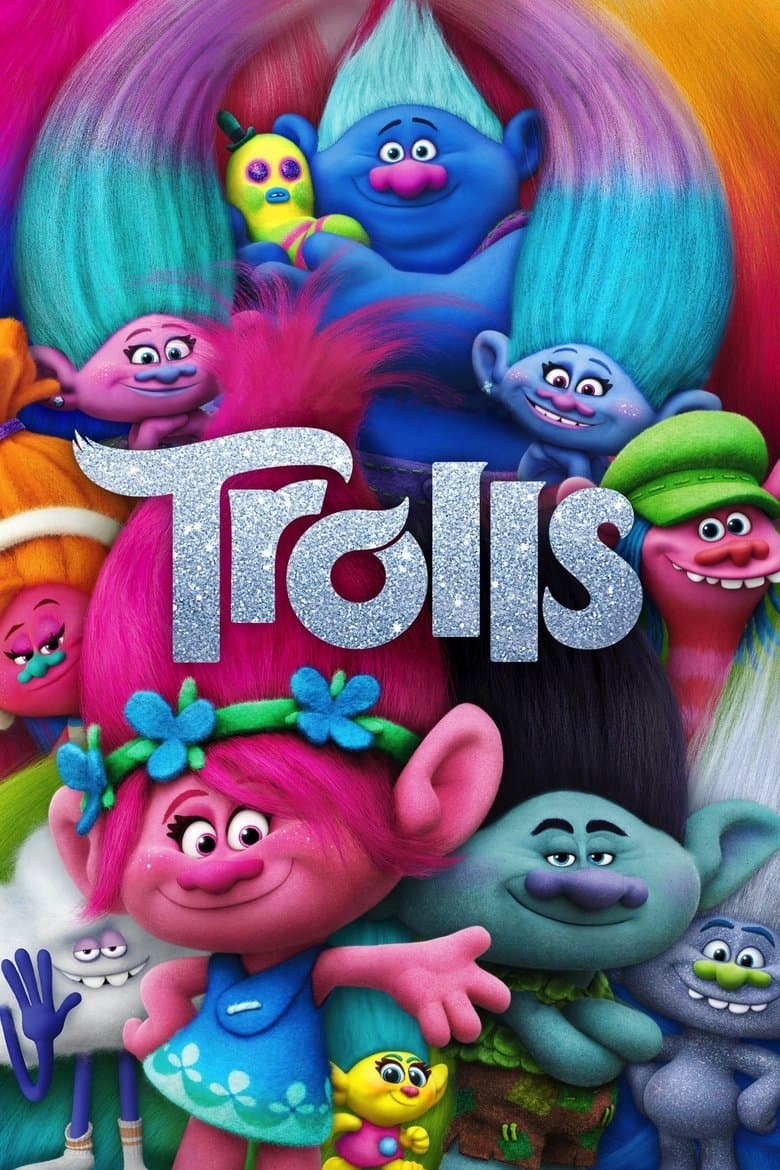
DreamWorks’ musical comedy follows princess Poppy and gray survivalist Branch as they leave Troll Village to rescue friends kidnapped by Bergens. The Bergens are giants who believe eating Trolls is the only path to happiness. The story is a mismatched buddy quest with pop covers, hug-time comedy, and a Cinderella side plot for scullery maid Bridget and King Gristle. The film’s stated moral is that happiness comes from within. It also says you should not have to change who you are to be liked. Poppy is crowned queen after peace is made.
Woke content is mild and not the main focus. Poppy is a cheerful female lead who leads the rescue and becomes queen, and a producer framed her round, non-hot princess design as a body-image responsibility for girls. Core themes are generic family-film positivity about happiness from within, optimism versus fear, and staying true to yourself. Poppy’s competence is clear on screen but she works as an equal partner with Branch, not in a man-bashing arc. There is no race, queer, or DEI plotline, and fan readings of Branch’s grayness as a closet metaphor are interpretive only, not on-screen identity content.
Community feedback
Was our 15% Woke rating accurate?
Breakdown
These are the editorial factors and ratings behind our score for Trolls.
Woke representation / casting
Poppy is the optimistic heroine who leads the rescue and is crowned queen. Producer Gina Shay publicly framed Poppy’s round, non-hot princess design as a body-image responsibility for girls and said they broke every princess rule. The supporting voice cast is a standard mid-2010s celebrity ensemble rather than quota-first casting. Characters are fantasy trolls, so the signal stays mild and not dominant.
18%
Woke political dialogue
Not present. No activist, DEI, identity-politics, or modern progressive political dialogue. Talk centers on friendship, singing, rescue logistics, and happiness.
0%
Identity-driven story themes
Core themes are generic family-film positivity about happiness from within, optimism versus fear, and not changing who you are. Poppy is a cheerful female leader on screen but works as an equal partner with Branch rather than in a man-bashing arc. There is no race, queer, or DEI plotline. Fan readings of Branch’s grayness as a closet metaphor are interpretive only, not on-screen identity content.
12%
Western institutional / cultural critique
Not present. The conflict is fantasy Trolls versus Bergens who eat them for happiness. The resolution is mutual celebration, not modern activist critique of capitalism, patriarchy, whiteness, colonialism, Christianity, or Western norms. Chef’s revenge on the Bergen monarchy is personal villainy, not an ideological institutional takedown.
0%
Woke character or canon changes
Not relevant. The story is an original adventure loosely inspired by the Dam Things troll dolls. There is no identity or DEI-driven rewrite of established characters, historical figures, or prior canon.
0%
Anti-woke backlash and complaints
Not present. No meaningful anti-woke, too woke, or DEI-agenda backlash is documented for the 2016 film. Criticism was mostly about style being cutesy, commercial, and loud. Later franchise entries drew more identity and rainbow debate, and that does not score this title.
0%
Creator track record context
Directors Mitchell, Dohrn, and Jhun are craft and franchise-comedy focused. Writers Aibel, Berger, and Yokota score low, while Rivinoja scores higher mainly for later representation-first Clone High work and political satire, not this film’s content. Producer Shay has soft body-image and princess-design messaging. Overall this is mild supporting context, not an activist creative slate.
16%
Production
Movie · 2020
When his best friend Gary is suddenly snatched away, SpongeBob takes Patrick on a madcap mission far beyond Bikini Bottom to save their pink-shelled pal.
Movie · 2024
A solitary cat, displaced by a great flood, finds refuge on a boat with various species and must navigate the challenges of adapting to a transformed world together.
Movie · 2019
It's been ten years since the dragons moved to the Hidden World, and even though Toothless doesn't live in New Berk anymore, Hiccup continues the holiday traditions he once shared…
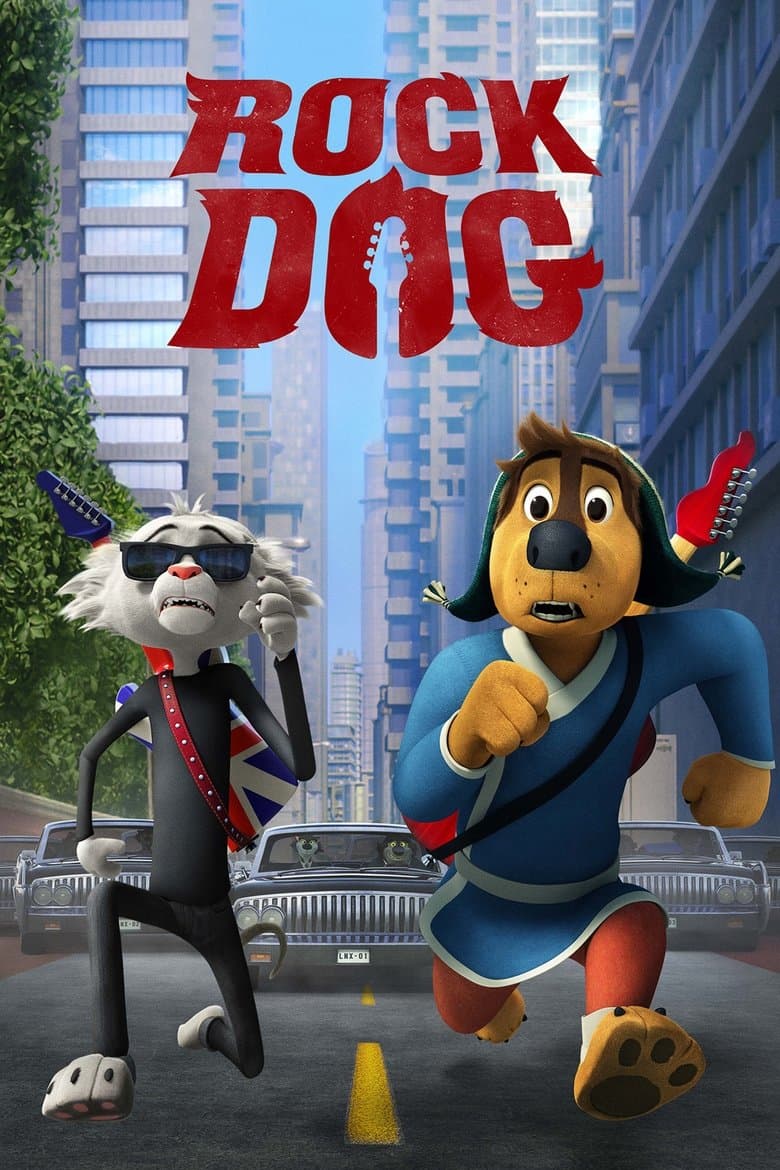
Movie · 2016
When a radio falls from the sky into the hands of a wide-eyed Tibetan Mastiff, he leaves home to fulfill his dream of becoming a musician, setting into motion a series of…
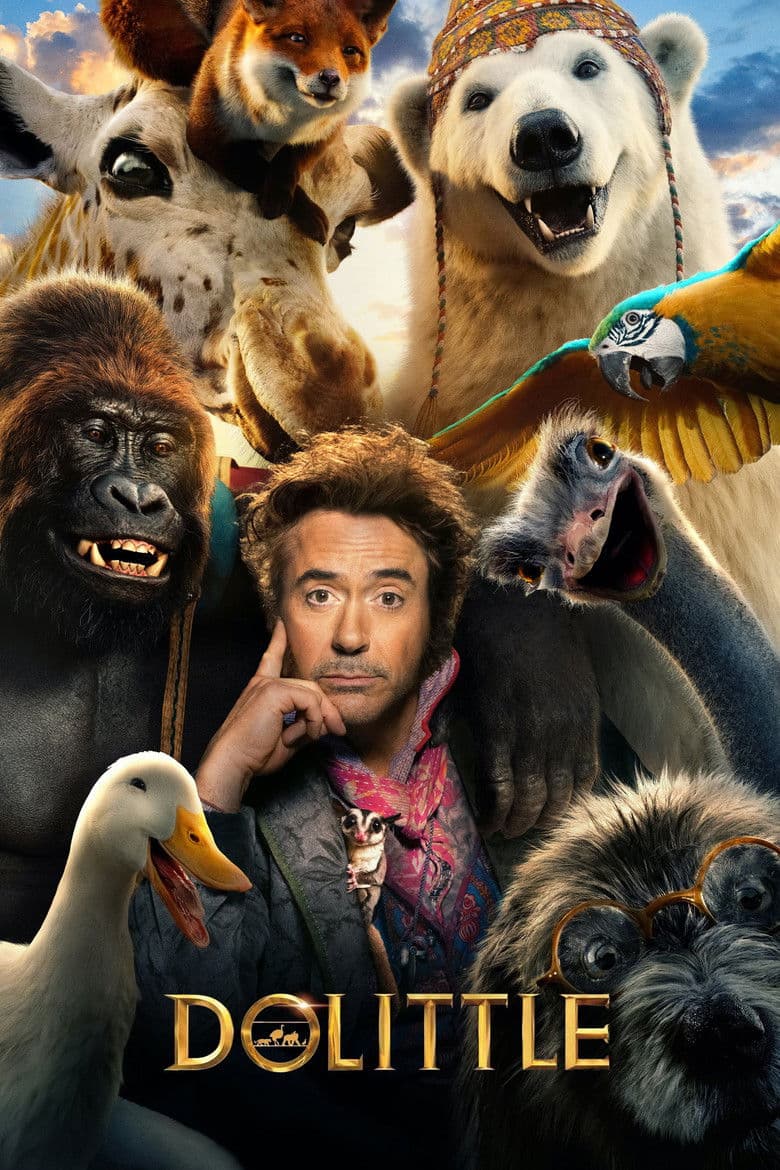
Movie · 2020
After losing his wife seven years earlier, the eccentric Dr. John Dolittle, famed doctor and veterinarian of Queen Victoria’s England, hermits himself away behind the high walls…
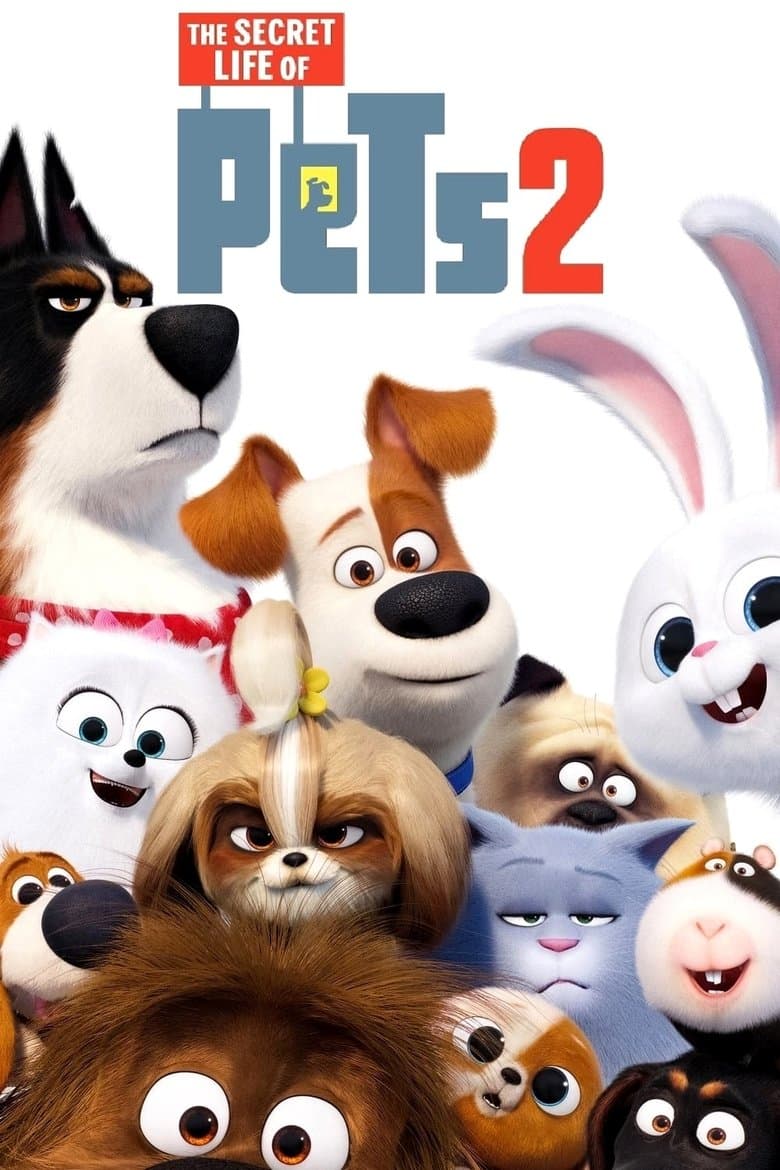
Movie · 2019
Max the terrier must cope with some major life changes when his owner gets married and has a baby. When the family takes a trip to the countryside, nervous Max has numerous…
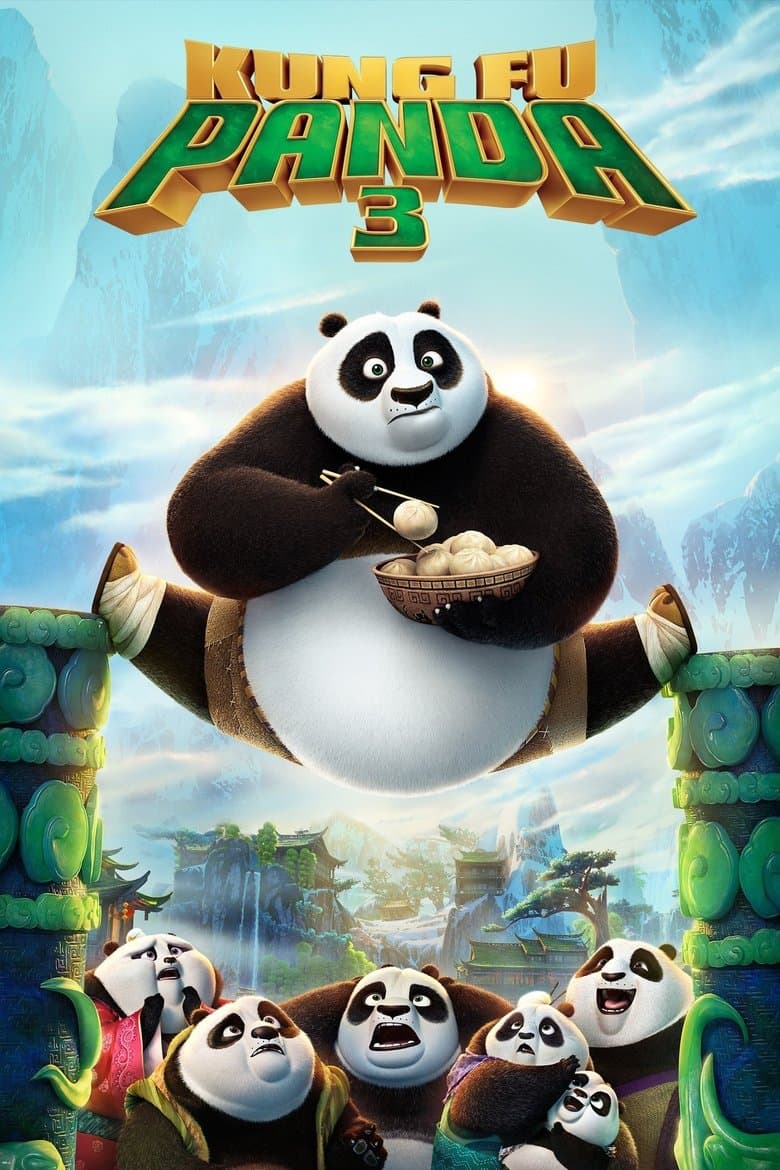
Movie · 2016
While Po and his father are visiting a secret panda village, an evil spirit threatens all of China, forcing Po to form a ragtag army to fight back.
Movie · 2023
After a migrating duck family alights on their pond with thrilling tales of far-flung places, the Mallard family embarks on a family road trip, from New England, to New York City…
