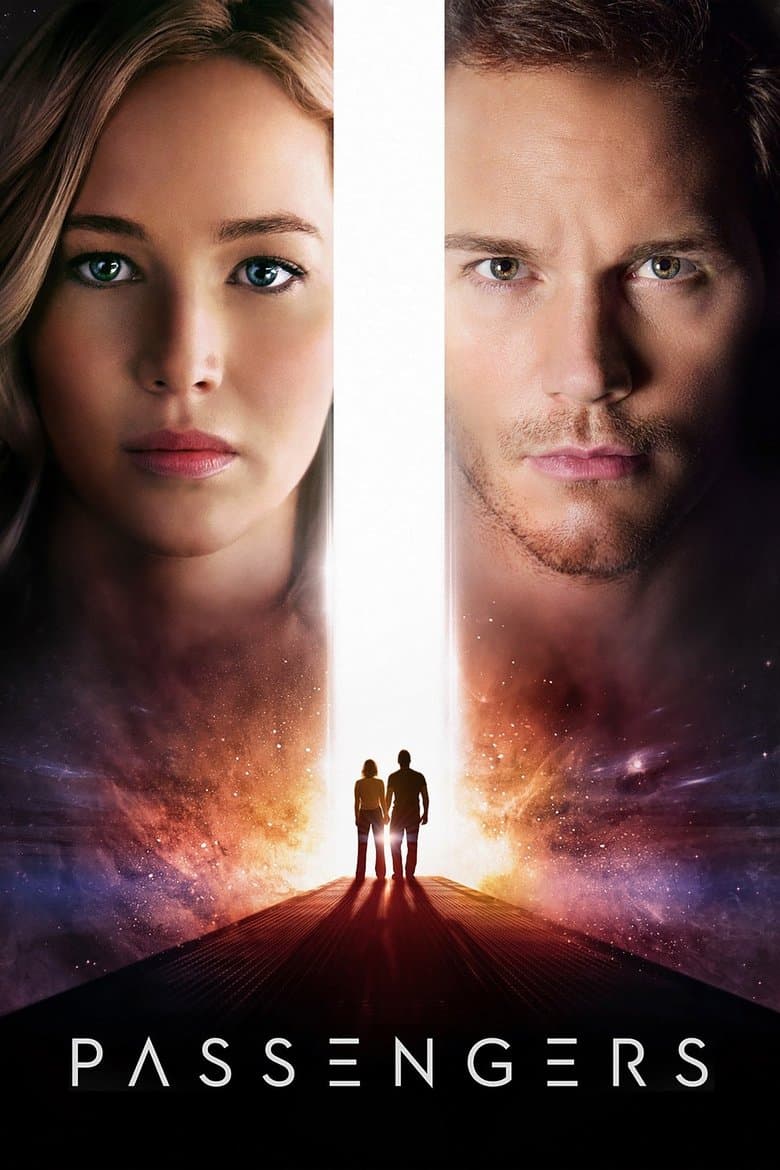
Passengers follows Jim Preston, a mechanical engineer who wakes 90 years too soon on the Avalon, a ship carrying thousands to a new colony. Jim cannot return to sleep, so he spends a year alone with an android bartender and the ship’s empty comforts. He then wakes Aurora Lane, a writer whose pod still works, and hides what he has done. The story becomes a romance about guilt and forgiveness while a ship failure puts every passenger in danger.
The main identity-related issue comes from the unequal power between Jim and Aurora. Jim chooses a woman who cannot consent, gives her a false story, and hopes love will repair the harm. Aurora calls his act a theft of her future, but the film lets her forgive him after they save the ship together. A short class thread shows cheap passengers working for a company while richer passengers receive better comforts, yet personal survival and love remain the main focus.
Community feedback
Was our 17% Woke rating accurate?
Breakdown
These are the editorial factors and ratings behind our score for Passengers.
Woke representation / casting
Not present. The lead pair are white, and Laurence Fishburne appears as a senior crew member. The film presents this as ordinary casting and gives no representation message.
0%
Woke political dialogue
Aurora says the company earns huge profits from colony worlds and takes part of each worker’s future earnings. Jim answers that the settlers are still people starting new lives, which makes the exchange a short argument about company power and work. The movie returns to personal choices and ship repairs instead of building a larger political speech around it.
11%
Identity-driven story themes
Jim’s choice gives the story a clear gender and consent conflict. Jim studies Aurora while she sleeps, wakes her without consent, lies about it, and has sex with her before she knows the truth. Aurora calls the act a theft of her future, and the film makes her anger a major part of the middle section. The ending softens the issue through her choice to forgive him after he risks his life, so the message stays focused on a troubled relationship rather than a broad activist program.
15%
Western institutional / cultural critique
The colony ship is run like a luxury business with gold-class perks and cheaper passage tied to lifelong work payments. Aurora calls the colony plan a business scheme, and Jim is treated as a lower-class mechanic. The story shows this system as unfair, but it uses the idea for setting and character conflict rather than a full attack on Western society or capitalism.
17%
Woke character or canon changes
Not relevant. Jim and Aurora were created for this movie, and no known character or historical figure is altered.
0%
Anti-woke backlash and complaints
Not present. Online and news debate centers on Jim’s deception, consent, marketing, and film quality. The right-leaning NewsBusters item targets Lawrence’s political comments and box office, not a claim that the movie pushes woke or DEI content.
0%
Creator track record context
Morten Tyldum and Rodrigo Prieto have low scores and no strong activist record. Jon Spaihts and most producers also have mainstream records. Producer Ben Browning has a higher score because of Promising Young Woman, and casting director Francine Maisler has a moderate score linked to inclusive ensembles. Those credits add some background, but they do not show a strong woke pattern shaping Passengers.
15%
Production

Movie · 2022
After surviving a car accident that took the life of her boyfriend, a teenage girl believes he's attempting to reconnect with her from the after world.

Movie · 2016
Set during the last days of the Ottoman Empire, a love triangle develops between Mikael, a brilliant medical student, the beautiful and sophisticated artist Ana, and Chris, a…

Movie · 2023
Hadley and Oliver begin falling in love on a flight from New York to London, but when they lose each other at customs, can they defy all odds to reunite?

Movie · 2025
Two artistic souls find harmony through music despite their contrasting worlds. As feelings deepen, age and circumstances challenge their undeniable bond.

Movie · 2023
Set in 1889 France, Dodin Bouffant is a chef living with his personal cook and lover Eugénie. They share a long history of gastronomy and love but Eugénie refuses to marry Dodin…

Movie · 2025
Based on a true story, two down-on-their-luck musicians form a joyous Neil Diamond tribute band, proving it's never too late to find love and follow your dreams.
Movie · 2014
The adventures of a group of explorers who make use of a newly discovered wormhole to surpass the limitations on human space travel and conquer the vast distances involved in an…
Movie · 2022
A young couple's relationship clashes with the harsh realities of the California Gold Rush of 1850. Angel, experiencing love for the first time and facing demons unsurmountable…
