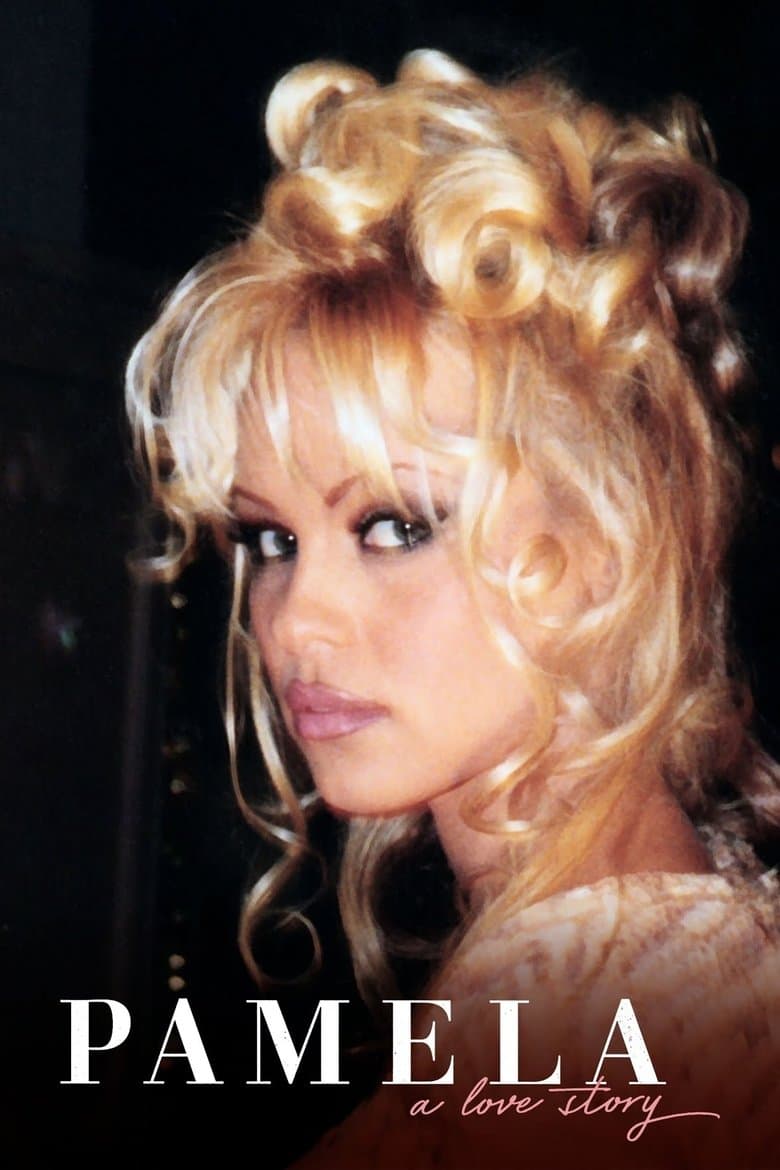
Pamela Anderson tells her own life story with old home videos, diaries, and plain talk to the camera. She grows up on Vancouver Island, becomes a Playboy and Baywatch star, and falls into big, messy romances, especially with Tommy Lee. The film follows fame, love, abuse, and the stolen sex tape that wrecked her private life. The tone is soft, personal, and open rather than flashy or mean.
The strongest “woke” pull is gender and consent themes. Viewers see her treated as a sex object by media, talk-show hosts, and Hollywood, then watch her take her story back after the tape and after other people made money off that trauma. Director Ryan White and many reviews put the film next to other feminist re-looks at famous women from the 1990s. Animal-rights work and a short note about Julian Assange show up, but the main story is love, fame, and media harm to a woman. Race swaps and queer plotlines are not part of this film. Normal viewers who care about politics will notice the media-sexism and “my story, my voice” framing; people only watching for celebrity gossip may mostly see a personal life story.
Community feedback
Was our 48% Woke rating accurate?
Breakdown
These are the editorial factors and ratings behind our score for Pamela, A Love Story.
Woke representation / casting
Real-life documentary about one white Canadian woman telling her own story. No multi-role cast built for race or gender quotas, and no identity swaps of invented characters.
0%
Woke political dialogue
She talks about media sleaze, body ownership after abuse, privacy theft, PETA work, and briefly Assange. Tone is personal and soft, not constant slogan speeches, but feminist and activist notes are easy to hear.
25%
Identity-driven story themes
Core arc is a famous woman used as a sex object, hurt by a stolen sex tape, abused in relationships, then taking her story back. Consent, media sexism, and “my voice” themes are strong and hard to miss. Not race- or queer-led.
44%
Western institutional / cultural critique
Clear blame on tabloids, late-night hosts, Hollywood, and the entertainment machine for owning and mocking her body. Shows male violence and bad treatment. Fits modern gender-focused media critique more than generic history.
45%
Woke character or canon changes
Not relevant. First-person life story of a real person, not an identity rewrite of a fictional character or of someone else’s history.
0%
Anti-woke backlash and complaints
No major anti-woke or right-leaning campaign treating this film as woke propaganda. Reception was mostly warm praise and sympathy.
0%
Creator track record context
Director Ryan White’s strong LGBTQ and social-justice doc record and producer Jessica Hargrave’s similar work dominate; other producers score low. White also frames this title as part of a feminist media conversation.
54%
Production
Movie · 2025
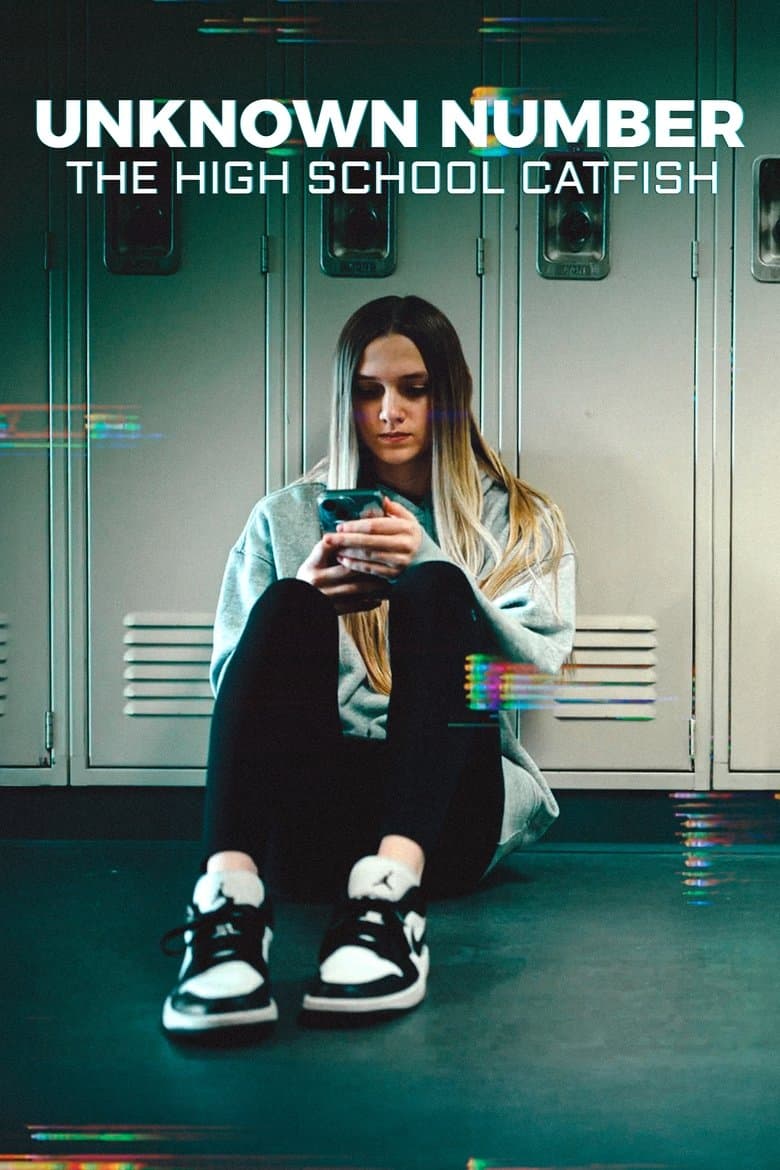
Vulgar, taunting texts blow up the phones of a teen and her boyfriend. Who's sending them — and why? This twisty documentary reveals the shocking answer.
Movie · 2022
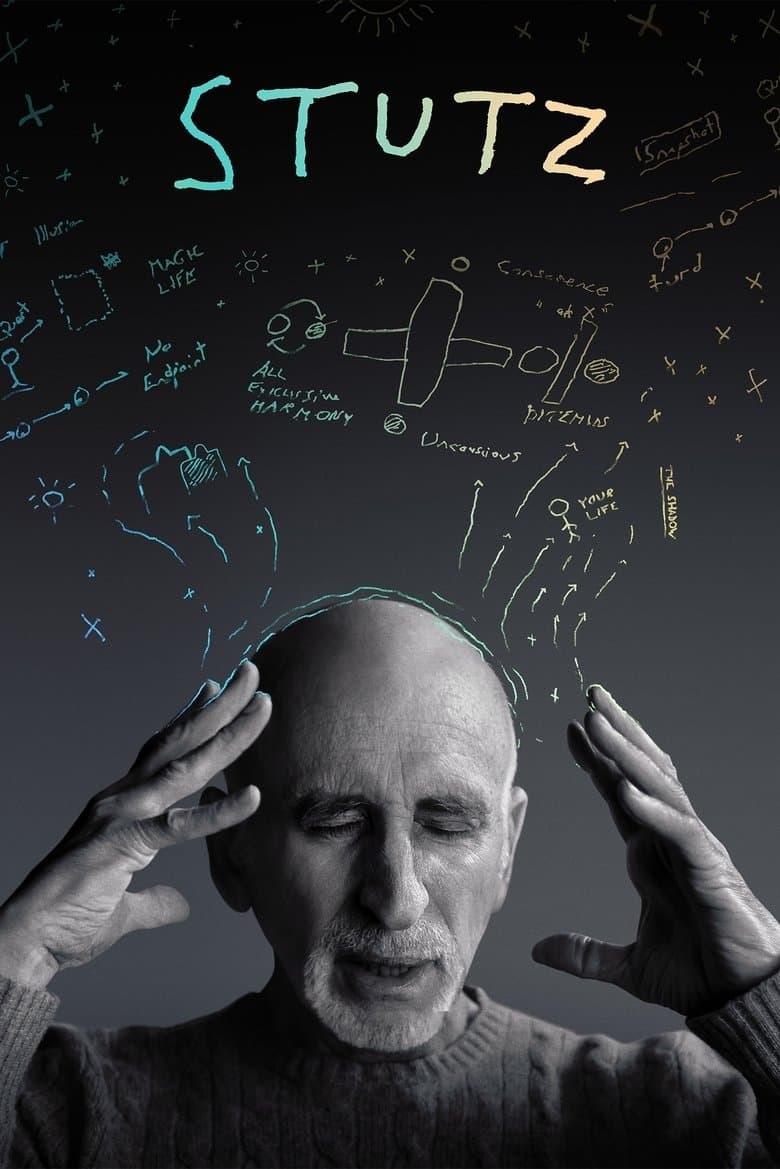
In candid conversations with actor Jonah Hill, leading psychiatrist Phil Stutz explores his early life experiences and unique, visual model of therapy.
Movie · 2021
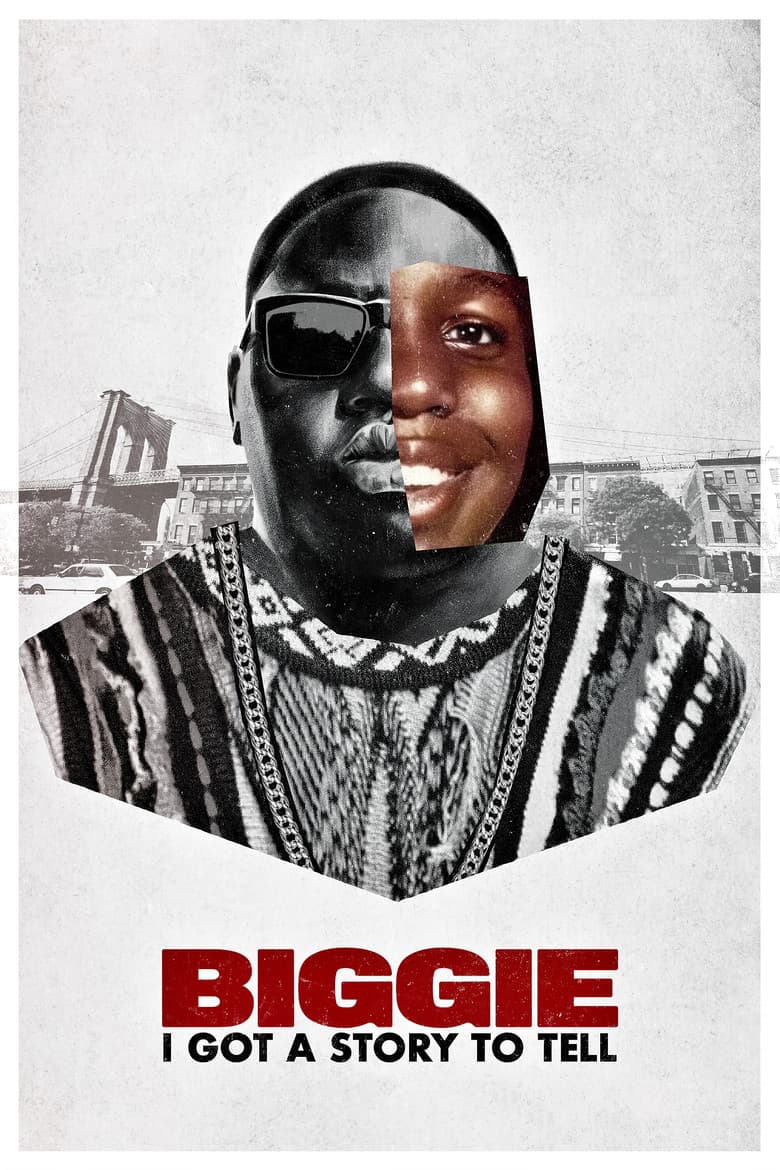
Christopher Wallace, AKA The Notorious B.I.G., remains one of Hip-Hop’s icons, renowned for his distinctive flow and autobiographical lyrics.
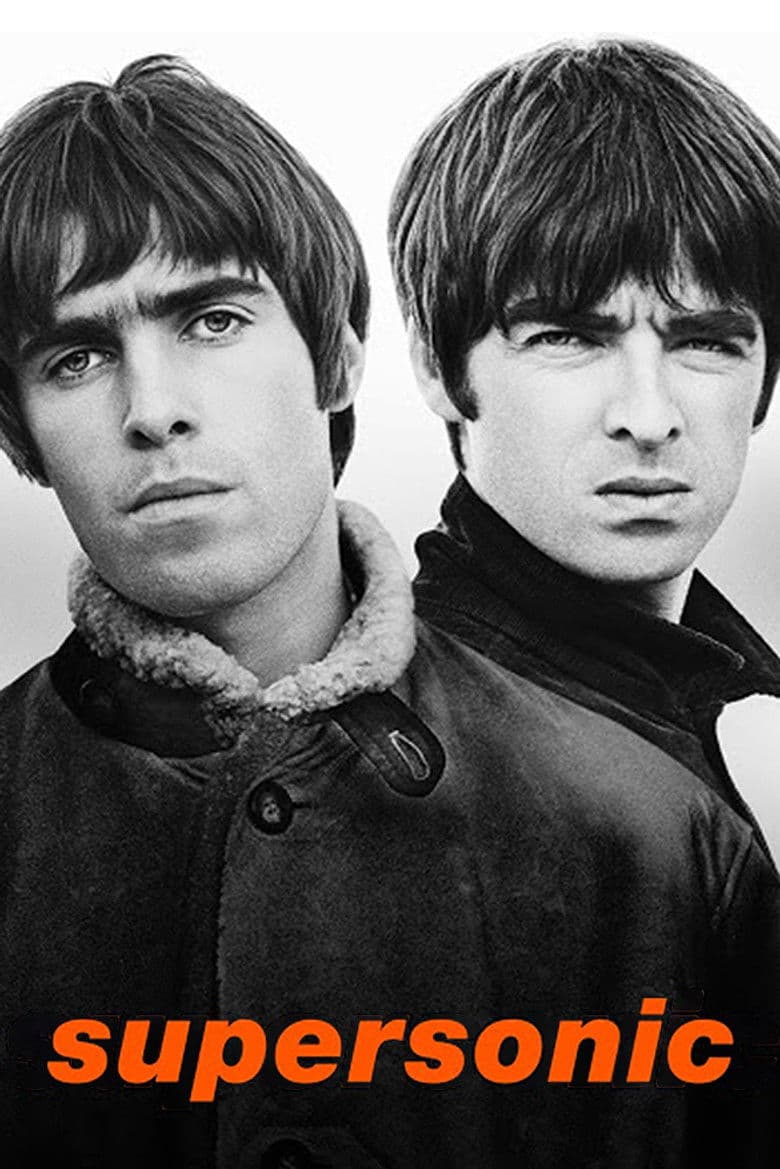
Movie · 2016
Supersonic charts the meteoric rise of Oasis from the council estates of Manchester to some of the biggest concerts of all time in just three short years.
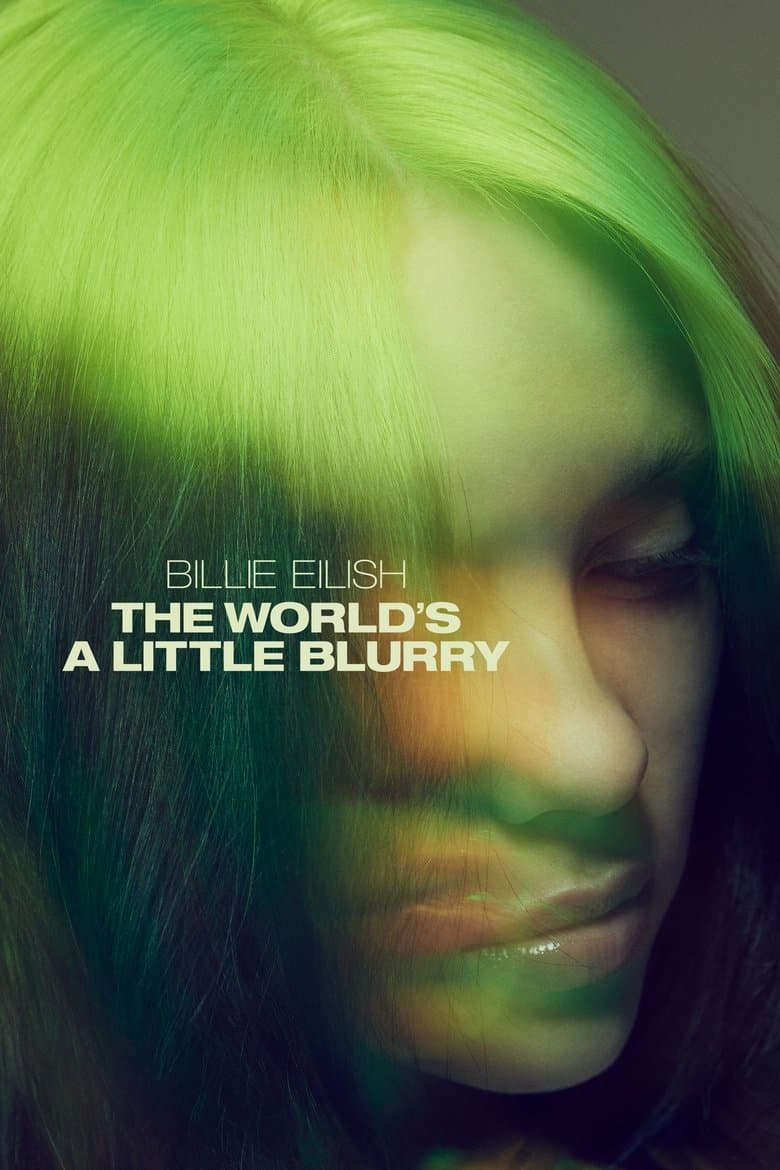
Movie · 2021
This documentary offers a deeply intimate look at extraordinary teenager Billie Eilish. Award-winning filmmaker R.J.
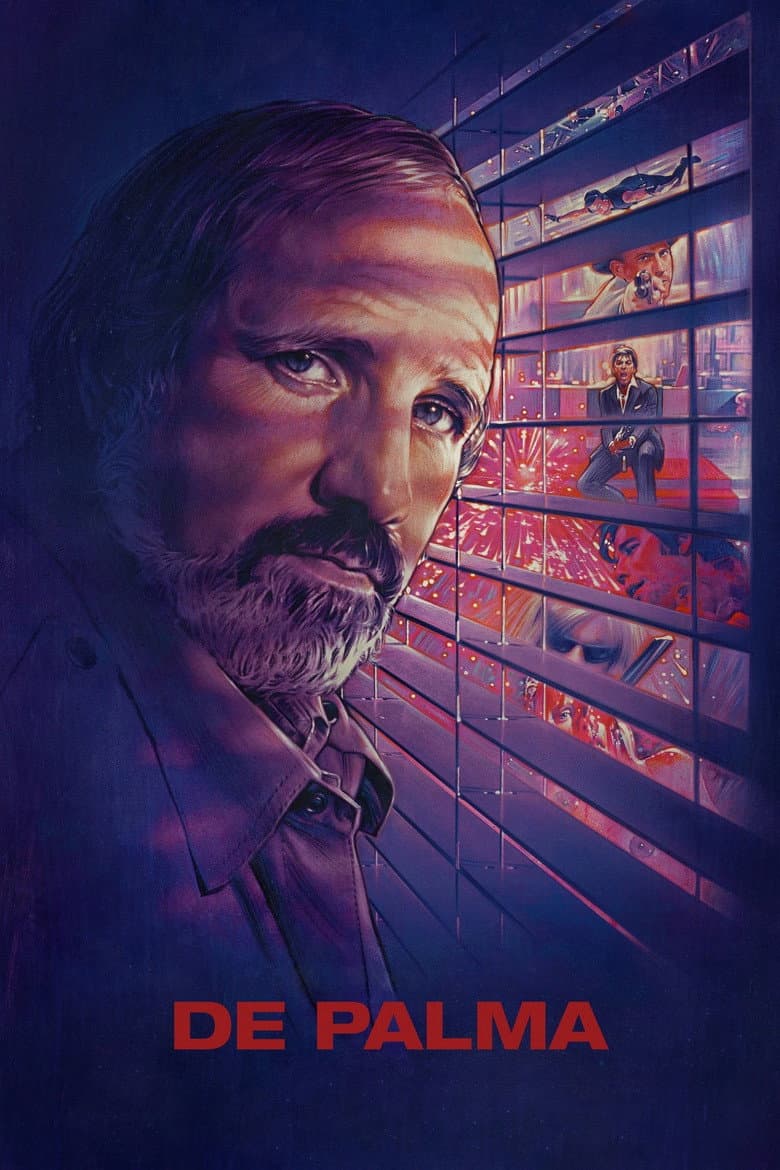
Movie · 2016
An intimate conversation between filmmakers, chronicling De Palma’s 55-year career, his life, and his filmmaking process, with revealing anecdotes and, of course, a wealth of film…

Movie · 2023
His love of film began as an escape from a rocky childhood. From underdog to Hollywood legend, Sylvester Stallone tells his story in this documentary.

Movie · 2022
After years in the limelight, Selena Gomez achieves unimaginable stardom. But just as she reaches a new peak, an unexpected turn pulls her into darkness.
