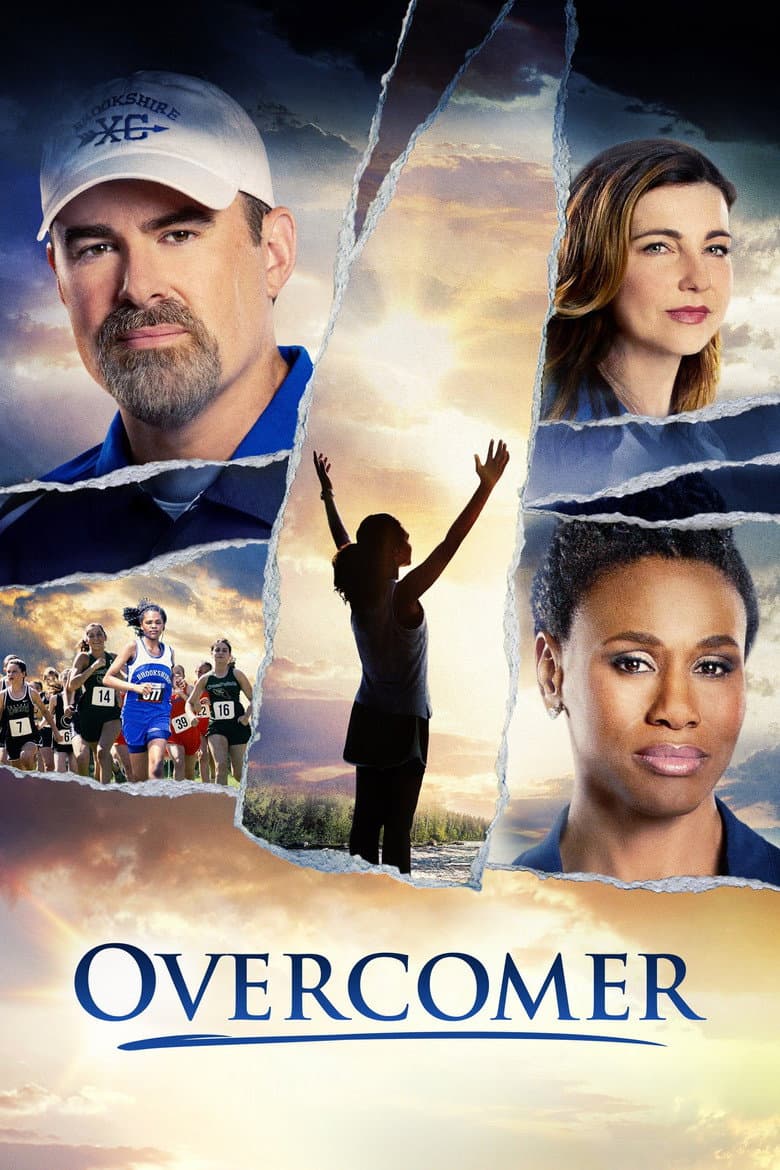
Coach John Harrison loses most of his basketball team when a factory closes and families leave his small Georgia town. The school principal asks him to coach cross-country, even though he dislikes running and has only one student. Hannah Scott is a troubled teenager with asthma, a hidden family story, and little hope in herself. John, Hannah, and Hannah’s absent father face failure, guilt, forgiveness, and the question of what gives a person worth. The film is a clean, emotional Christian drama that mixes sports training, family pain, humor, prayer, and long talks about God.
The movie makes Christian faith the answer to its identity problem. John learns that a job, success, or public role should not define him, while Hannah learns to see herself as loved, chosen, forgiven, and saved by Jesus. The story gives a black teenage girl the central athletic role and a black woman the school principal role, but it does not make race or representation the subject. Women are supportive and capable, while the main lesson comes from faith, family repair, and personal forgiveness rather than current identity politics.
Community feedback
Was our 9% Woke rating accurate?
Breakdown
These are the editorial factors and ratings behind our score for Overcomer.
Woke representation / casting
The film centers a black teenage girl as its only runner and gives a black woman the school principal role. Both women are shown as important and capable. Coverage also promoted the film’s strong female lead characters. The story does not present these choices as a diversity campaign, and it does not make race the subject.
18%
Woke political dialogue
Not present. The film repeats lines about sin, forgiveness, prayer, and identity in Christ. Those talks reject status, feelings, and social approval as the source of identity instead of pushing woke political ideas.
0%
Identity-driven story themes
Not present. The main identity lesson says that God, not race, sex, sexuality, popularity, or a job, gives people their worth. Hannah’s growth comes through Christian faith, forgiveness, and family repair rather than modern identity politics.
0%
Western institutional / cultural critique
Not present. The film treats the school, church, marriage, work, and family as places where people can grow. It criticizes pride, abandonment, addiction, and self-centeredness, but it does not attack traditional family life, Christianity, or Western institutions through modern activist ideas.
0%
Woke character or canon changes
Not relevant. The movie is an original story about a coach, a student runner, and a broken family. It does not change an established character or historical event.
0%
Anti-woke backlash and complaints
Not present. No clear anti-woke backlash was found. Online and news discussion focused on the film’s Christian message, preaching style, quality, and racial stereotypes. Criticism about a white-savior setup or limited racial handling was not a complaint that the film was too woke, so it does not count here.
0%
Creator track record context
The cached creator scores range from 0 to 3, giving this factor only a trace signal. Alex and Stephen Kendrick repeatedly use identity language in title interviews, but they define identity through Christ rather than through race, sex, sexuality, or DEI. The supplied creator summaries show faith, family, prayer, and redemption work, with no sustained woke or activist pattern.
2%
Production

Movie · 2023
Hirayama is content with his life as a toilet cleaner in Tokyo. Outside of his structured routine, he cherishes music on cassette tapes, books, and taking photos of trees.

Movie · 2018
A father and daughter live a perfect but mysterious existence in Forest Park, a beautiful nature reserve near Portland, Oregon, rarely making contact with the world.
Movie · 2023
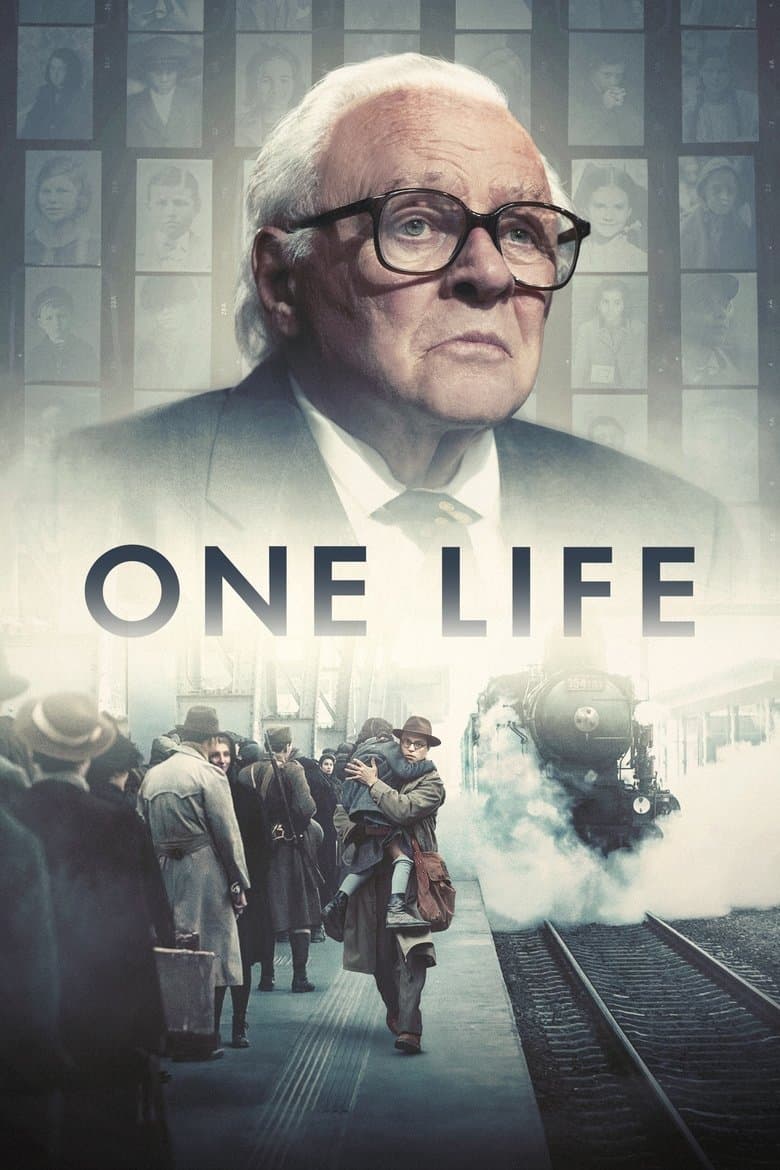
British stockbroker Nicholas Winton visits Czechoslovakia in the 1930s and forms plans to assist in the rescue of Jewish children before the onset of World War II, in an operation…
Movie · 2024
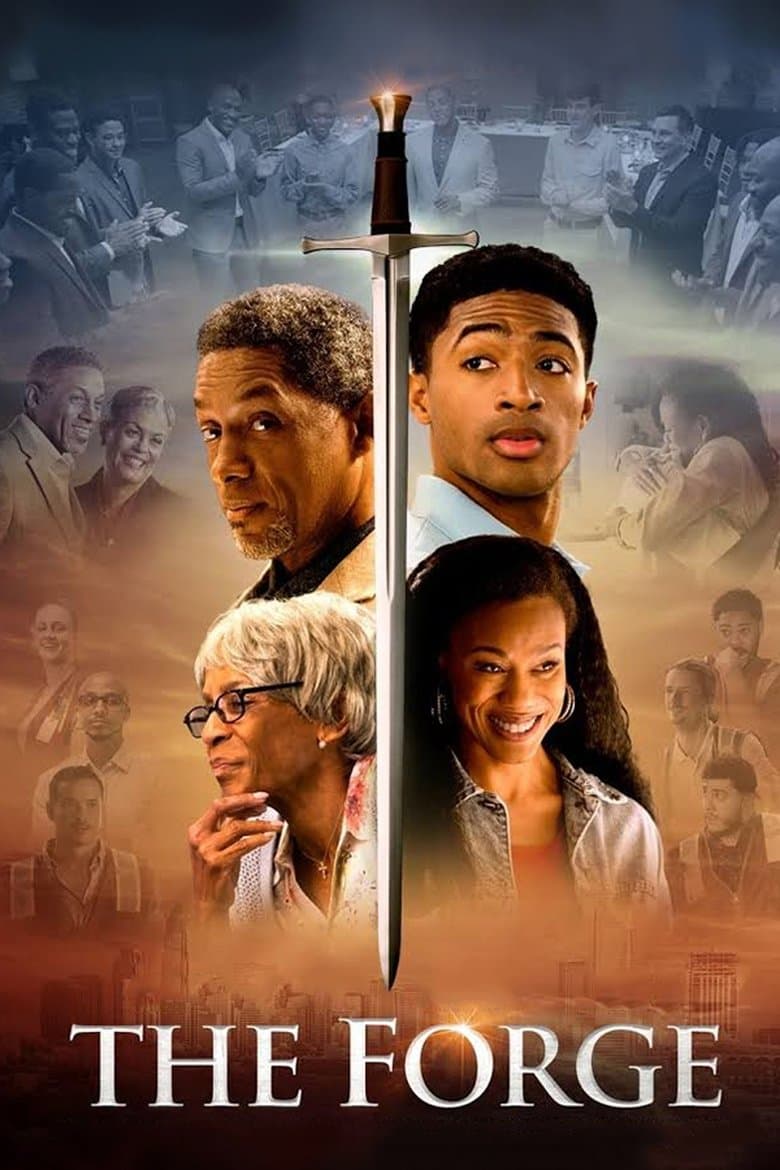
19 year old Isaiah Wright lives for basketball and video games. A year out of high school, he has no job, no plans, and no idea how to be a man.

Movie · 2024
Inspired by the incredible true story of a hairdresser who single-handedly rallies an entire community to help a widowed father save the life of his critically ill young daughter.

Movie · 2016
Based on the life story of Mahendra Singh Dhoni, and his journey to being the world cup winning captain of the Indian cricket team.

Movie · 2021
The enthralling, against-all-odds story that transfixed the world in 2018: the daring rescue of twelve boys and their coach from deep inside a flooded cave in Northern Thailand.

Movie · 2019
A look at the Apollo 11 mission to land on the moon led by commander Neil Armstrong and pilot Buzz Aldrin.
