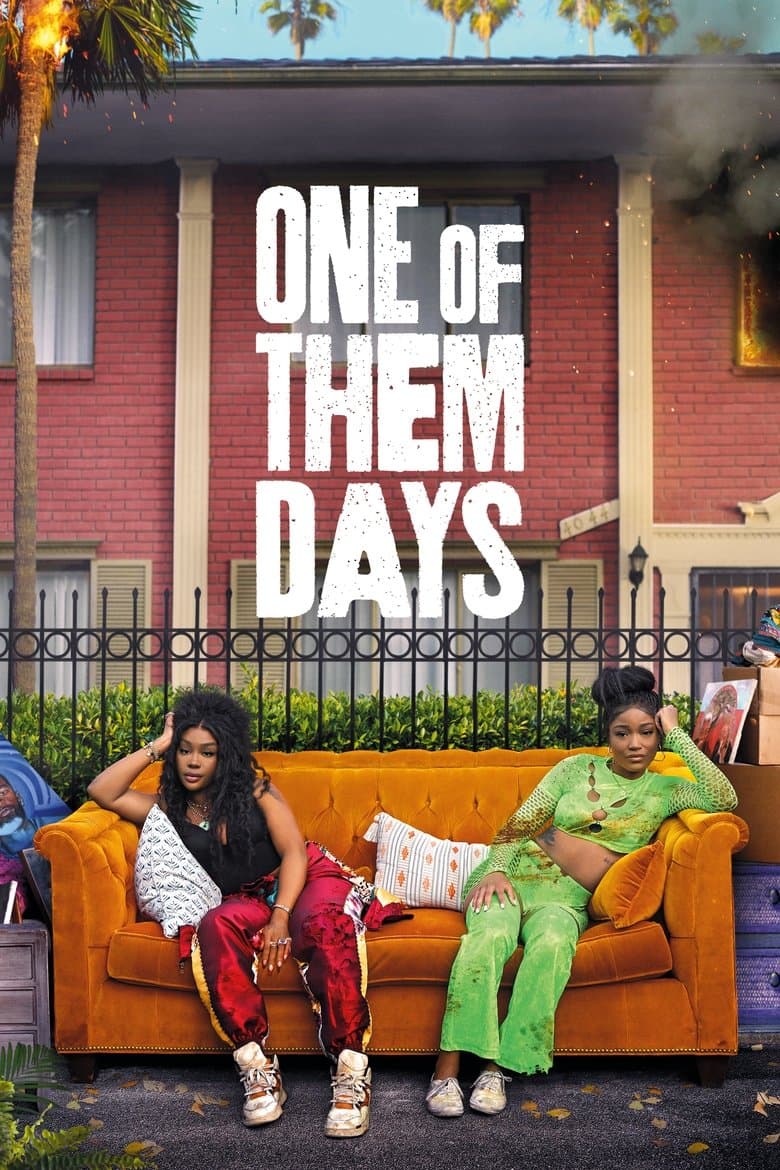
Dreux works as a waitress in Baldwin Village, Los Angeles, and hopes to become a restaurant manager. Her roommate and best friend, Alyssa, is a struggling painter who gives their rent money to her careless boyfriend. The women have one day to find $1,500 before their landlord throws them out. Their search leads to a payday loan office, a blood bank, stolen sneakers, a dangerous gangster, and a hurried art sale. The tone is loud, crude, and cartoonish, but the story keeps returning to friendship, work, and shared effort.
The film puts two black women at the center of a buddy comedy and lets them drive nearly every major event. Their friendship is treated as the most important bond in their lives, and the story presents them as funny, resourceful, and able to save themselves. The movie also jokes about a white newcomer entering the mostly Black apartment complex and shows rent pressure, bad housing, payday loans, and job barriers as parts of their struggle. These ideas create a clear identity-driven and social-issue layer, but the movie presents them through jokes and personal survival rather than speeches or a broad political program.
Community feedback
Was our 49% Woke rating accurate?
Breakdown
These are the editorial factors and ratings behind our score for One of Them Days.
Woke representation / casting
The South Los Angeles setting makes the mainly black cast believable. The film gives its two main roles to black women and keeps them in control of the story. Interview and campaign coverage present the movie as a rare black female buddy comedy aimed at black women. That public identity focus adds moderate representation weight without a clear story-world mismatch.
32%
Woke political dialogue
Not present. The characters do not give speeches about current politics, DEI, race policy, or activism. The dialogue stays focused on rent, work, friendship, sex jokes, and survival.
0%
Identity-driven story themes
The film makes the bond between two black women the main emotional center. Dreux and Alyssa repeatedly support each other and take control of a crisis that would often be given to male comedy leads. The story treats their friendship, work hopes, art, and Black neighborhood as important parts of their lives. This creates a clear identity and female-empowerment theme, but the movie delivers it through comedy rather than an activist message.
48%
Western institutional / cultural critique
The movie shows a harsh landlord, a payday lender with a 1,900.5 percent interest rate, poor housing, and a job system that leaves Dreux below her skill level. The story uses a white newcomer and the landlord's wish to attract white tenants as a comic sign of neighborhood change. These problems recur during the women's search for rent money. The movie treats them as local money and housing problems, not as a broad attack on Western culture.
35%
Woke character or canon changes
Not relevant. The movie is an original story with no established characters or real historical events being changed.
0%
Anti-woke backlash and complaints
Not present. No clear anti-woke complaints were found in the news coverage and audience posts reviewed. A small discussion questioned whether wealthy stars could make rent trouble feel real, but it did not say the movie pushed DEI or identity politics. Most public reaction praised the leads and their friendship.
0%
Creator track record context
The writer's earlier work often centers black women and their daily lives. The director has said that his work aims to support diverse voices. Several producers lead companies or projects built around black and people-of-color stories. Other listed producers have weaker public records, so the context is strong but not consistent across the whole group.
55%
Production
Movie · 2024
Inseparable best friends AJ and Moose decide to run the local pool's snack shack after their plan to sell home-brewed beer goes down the drain.
Movie · 2023
From his onstage tackle to the slap heard round the world, Dave Chappelle lets loose in this freewheeling and unfiltered stand-up comedy special.
Movie · 2018
Adam Sandler takes his comical musical musings back out on the road, from comedy clubs to concert halls to one very unsuspecting subway station.
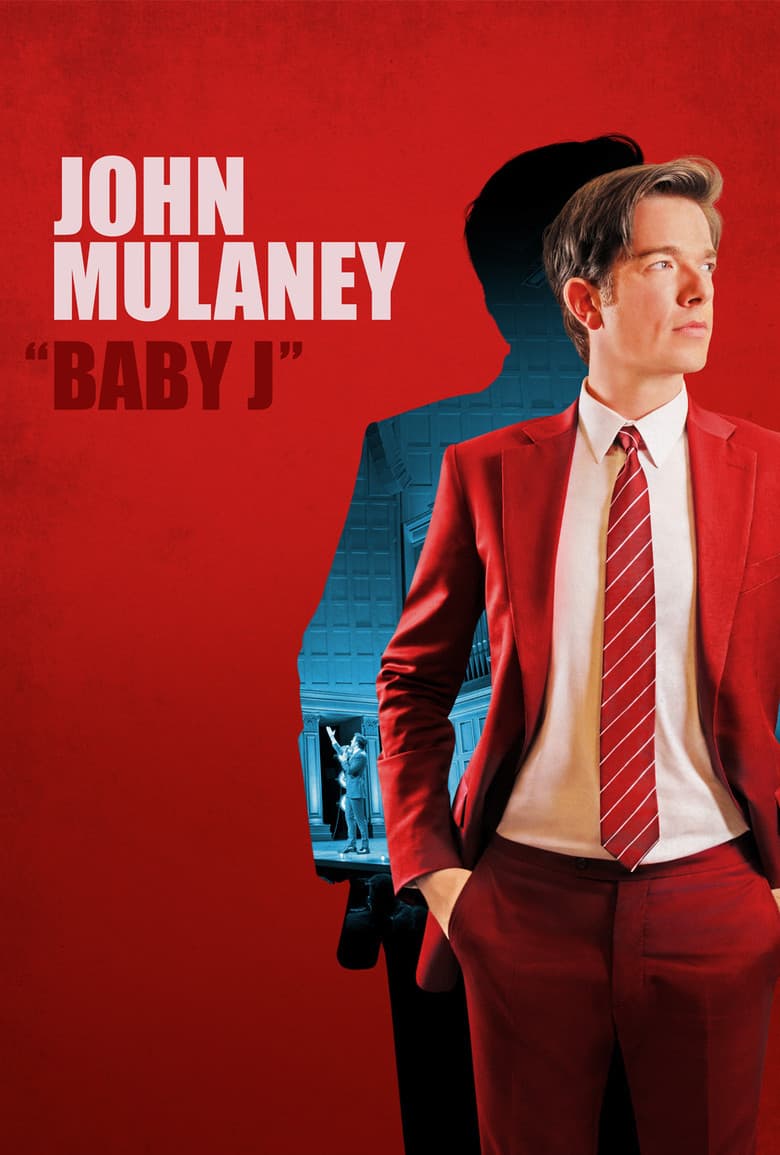
Movie · 2023
A chaotic intervention. An action-packed stay in rehab. After a weird couple of years, John Mulaney comes out swinging in his return to the stage.
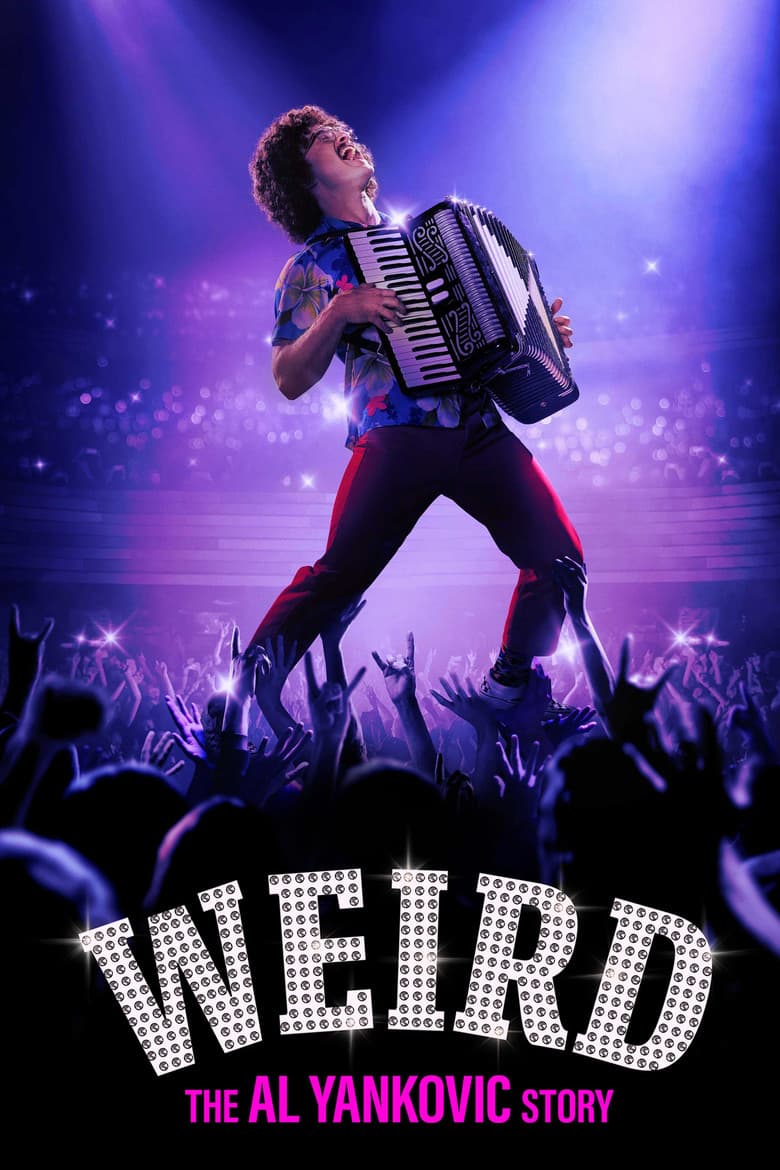
Movie · 2022
Exploring every facet of ‘Weird Al’ Yankovic’s life, from his meteoric rise to fame with early hits like ‘Eat It’ and ‘Like a Surgeon’ to his torrid celebrity love affairs and…
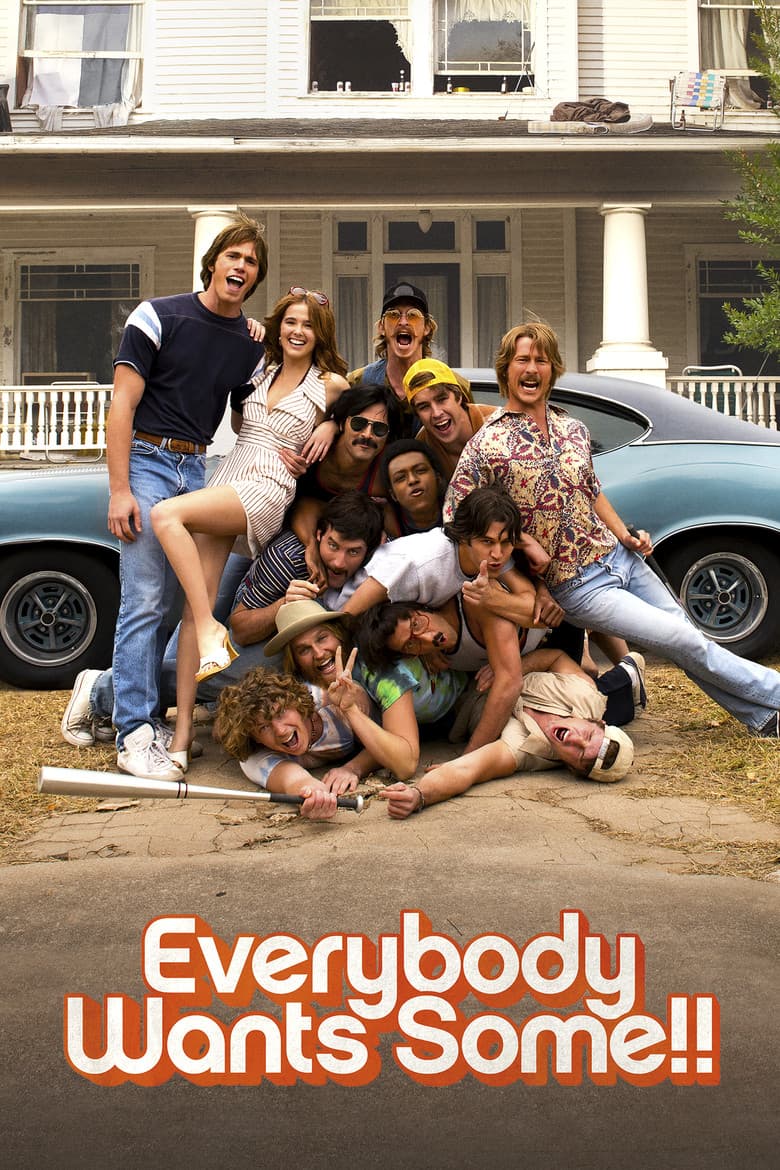
Movie · 2016
A comedy that follows a group of friends as they navigate their way through the freedoms and responsibilities of unsupervised adulthood.
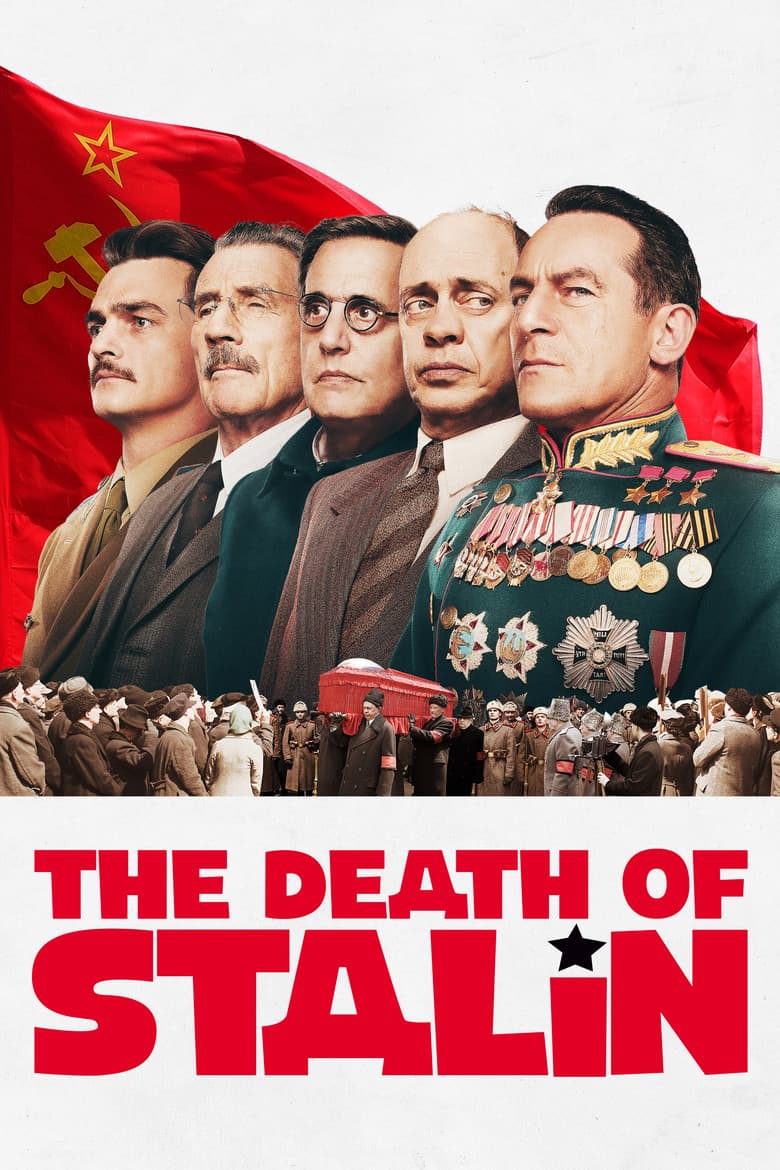
Movie · 2017
When dictator Joseph Stalin dies, his parasitic cronies square off in a frantic power struggle to become the next Soviet leader.

Movie · 2023
After it's discovered that a teacher at South Park Elementary has an OnlyFans page, Randy is compelled to take a closer look at the seedy underbelly of the world of online…
