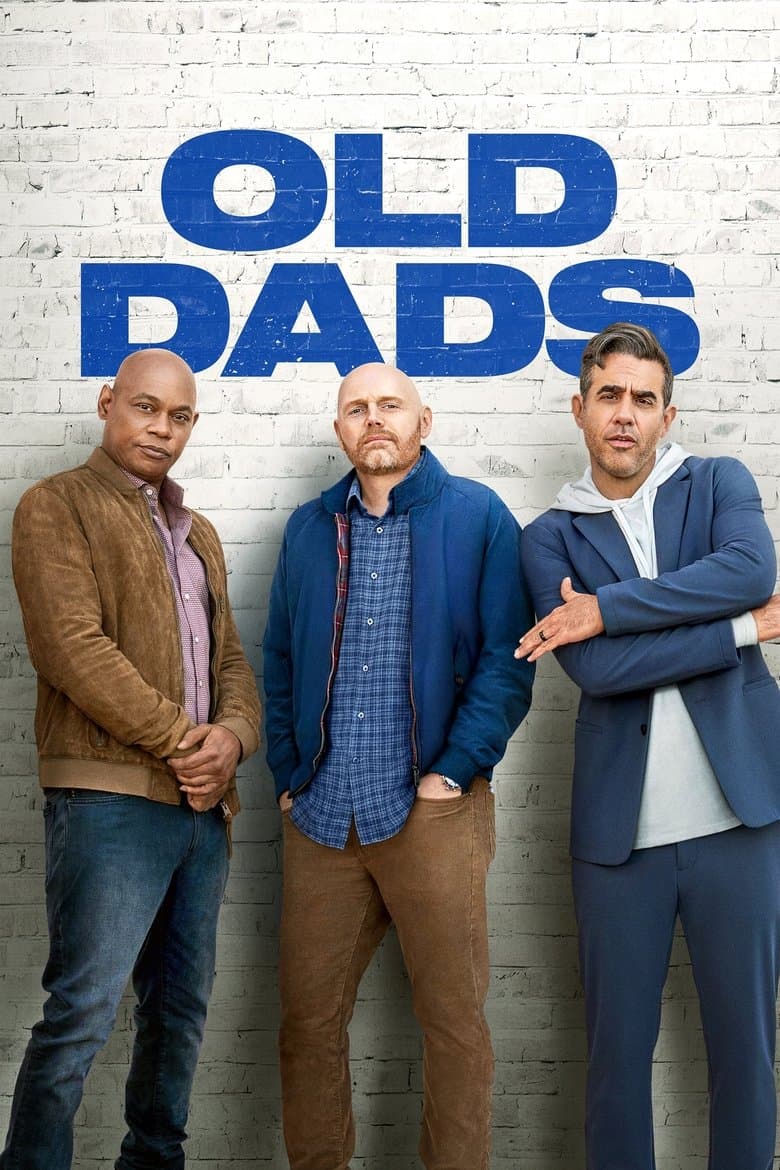
Jack Kelly is a blunt, angry father who had his first child late in life. He lives in Los Angeles with his wife Leah and young son while another baby is on the way. His two old friends, Connor and Mike, also face fatherhood, aging, and trouble in their marriages. The group loses its old sports shirt company to a young boss, and Jack clashes with his son's progressive preschool. The film uses loud, rude jokes and a warm but uneven tone.
Several scenes focus on the men trying to deal with modern rules about language, race, gender, and personal space. The school and the new company use ideas such as child-led learning, privilege, gender-neutral work, carbon-neutral branding, and careful speech. The men mock those ideas, but the film also shows that their insults, sexist talk, anger, and poor control hurt their families and jobs. Jack ends up in therapy, accepts a public school for his son, and tries to control his temper, so the story asks him to change without fully rejecting his old complaints. These culture-war jokes return often, but fatherhood, friendship, marriage, and anger remain the main story.
Community feedback
Was our 50% Woke rating accurate?
Breakdown
These are the editorial factors and ratings behind our score for Old Dads.
Woke representation / casting
Not present. The main trio includes two White men and one black man, with a mixed supporting cast in a present-day Los Angeles story. The film does not make diversity, identity, or empowerment casting a story point.
0%
Woke political dialogue
The film repeatedly uses political and social language as comic conflict. Jack and his friends argue about pronouns, privilege, transgender words, slurs, free speech, child-led learning, and cancel culture. The company changes into a gender-neutral and carbon-neutral brand, and hidden recordings punish offensive talk. These exchanges spread across the school, work, and road-trip plots, even though the film usually mocks the new rules rather than praising them.
50%
Identity-driven story themes
The film turns transgender language, racial slurs, privilege, and gender-neutral work into repeated conflict and joke material. These issues affect the men's school and work problems, but they do not form a character's identity journey. The main arc follows fatherhood, friendship, marriage, age, and Jack's anger. The movie presents the younger side as overbearing or silly, so the identity message is mixed rather than a clear call to action.
34%
Western institutional / cultural critique
The film makes a continuing target of a progressive preschool, its principal, and a millennial-run company. The school uses child-led language and public apology, while the company uses age cuts, hidden cameras, and gender-neutral and carbon-neutral branding. The dads' sexism, anger, and cruel speech also cause real harm, and Jack agrees to therapy. The story attacks parts of modern institutional culture while still saying that the old dads must change.
52%
Woke character or canon changes
Not relevant. The film is an original story about fictional dads, not an adaptation of established characters, canon, or real events.
0%
Anti-woke backlash and complaints
A few fringe right-leaning posts said the film was secretly woke because Jack softens or because the husband ends up living as a “simp” after confronting a school figure. Other small and mid-sized right-leaning accounts praised the film as non-woke satire. There was no coordinated boycott or review-bombing push. The available backlash evidence is thin.
14%
Creator track record context
The cached creator record is mostly low or moderate and does not show a strong activist pattern. Bill Burr has criticized racism and book bans, supported the original #MeToo movement and inclusion, and opposed political correctness. Ben Tishler has no high-confidence public record of DEI or identity-driven activism. Burr has said the film gives both older and younger people some right and some wrong.
18%
Production
Movie · 2023
From his onstage tackle to the slap heard round the world, Dave Chappelle lets loose in this freewheeling and unfiltered stand-up comedy special.
Movie · 2024
Inseparable best friends AJ and Moose decide to run the local pool's snack shack after their plan to sell home-brewed beer goes down the drain.
Movie · 2016
A comedy that follows a group of friends as they navigate their way through the freedoms and responsibilities of unsupervised adulthood.
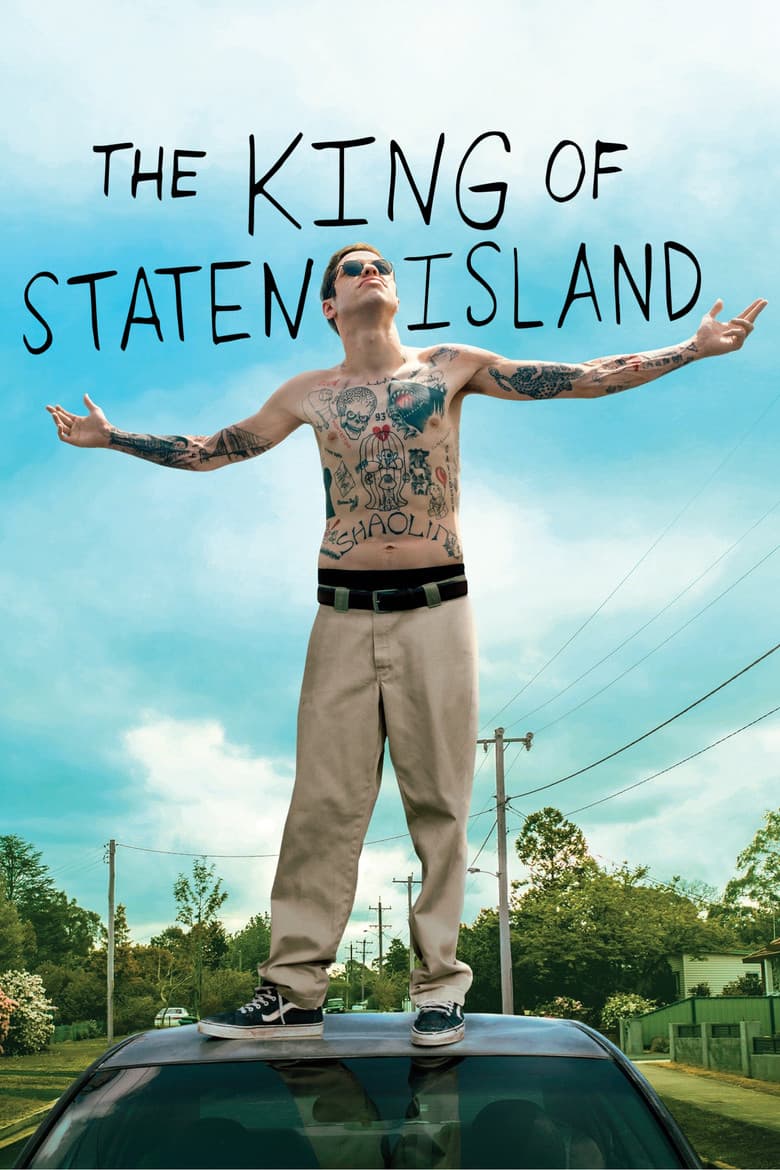
Movie · 2020
Scott has been a case of arrested development ever since his firefighter father died when he was seven. He's now reached his mid-20s having achieved little, chasing a dream of…
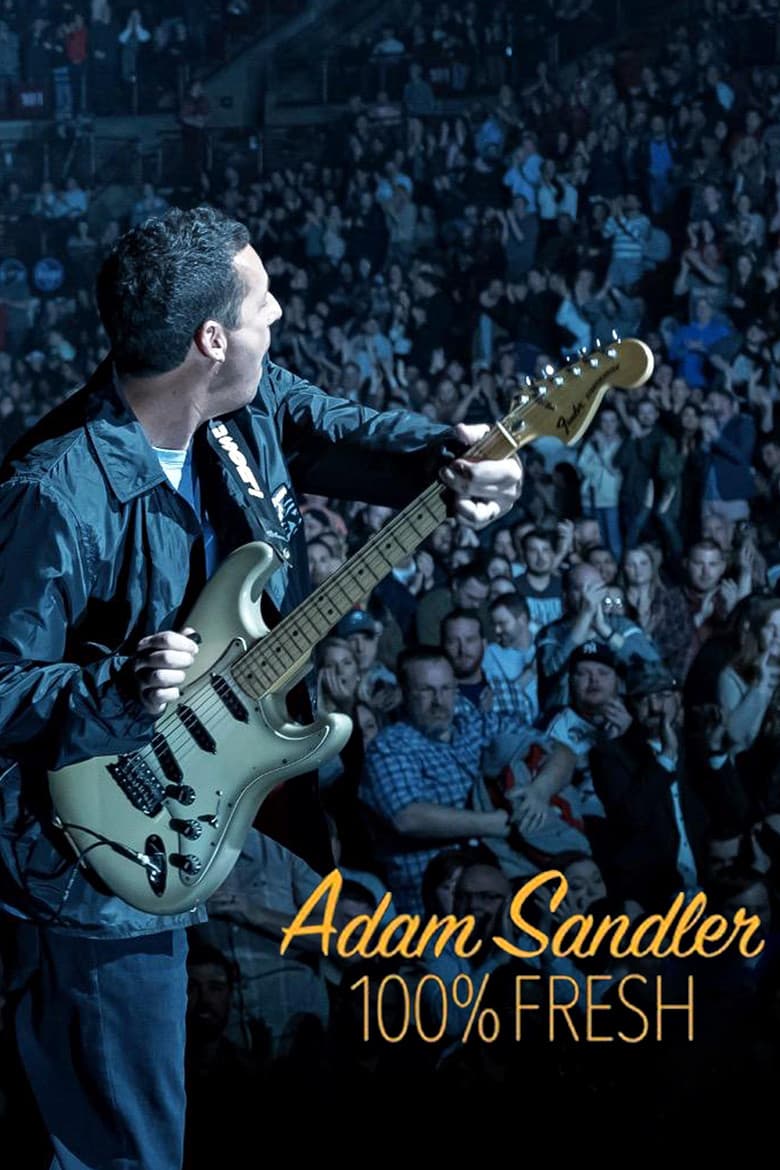
Movie · 2018
Adam Sandler takes his comical musical musings back out on the road, from comedy clubs to concert halls to one very unsuspecting subway station.
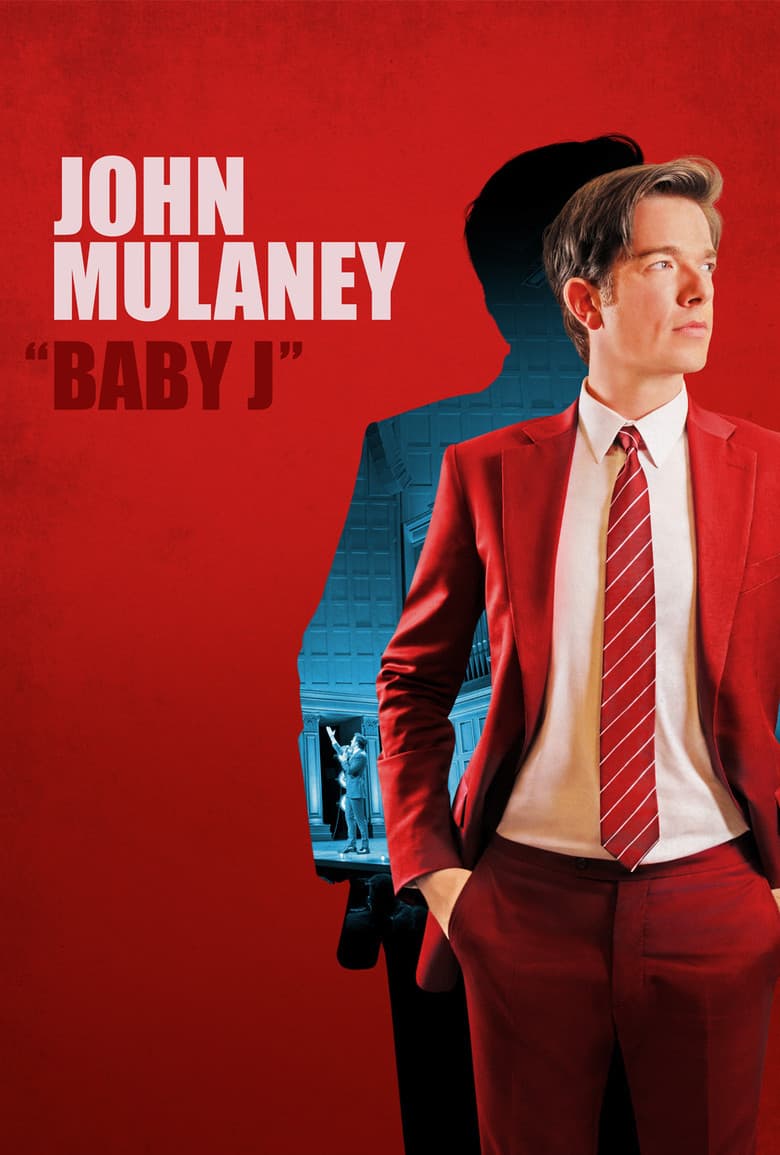
Movie · 2023
A chaotic intervention. An action-packed stay in rehab. After a weird couple of years, John Mulaney comes out swinging in his return to the stage.
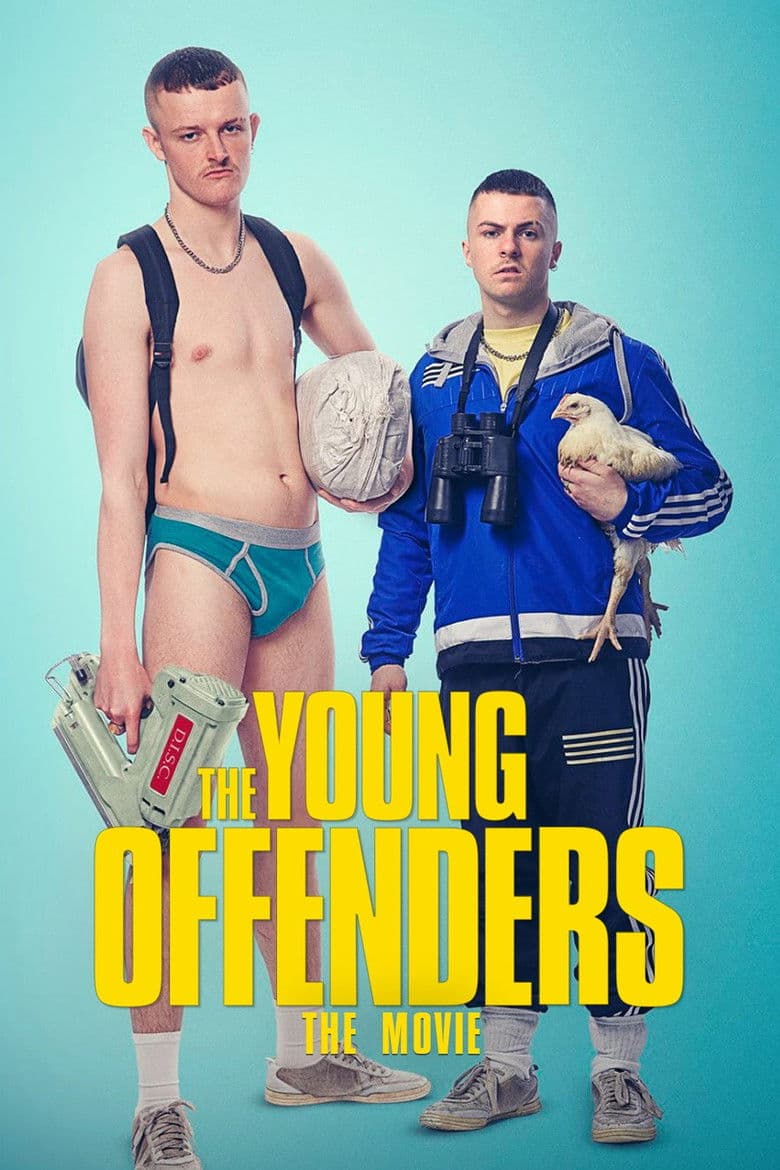
Movie · 2016
Two teenage boys from inner-city Cork steal bicycles and ride off on a 160km quest to find an unrecovered bale of cocaine worth 7,000,000 euros.
Movie · 2023
Two mismatched entrepreneurs – egghead innovator Mike Lazaridis and cut-throat businessman Jim Balsillie – joined forces in an endeavour that was to become a worldwide hit in…
