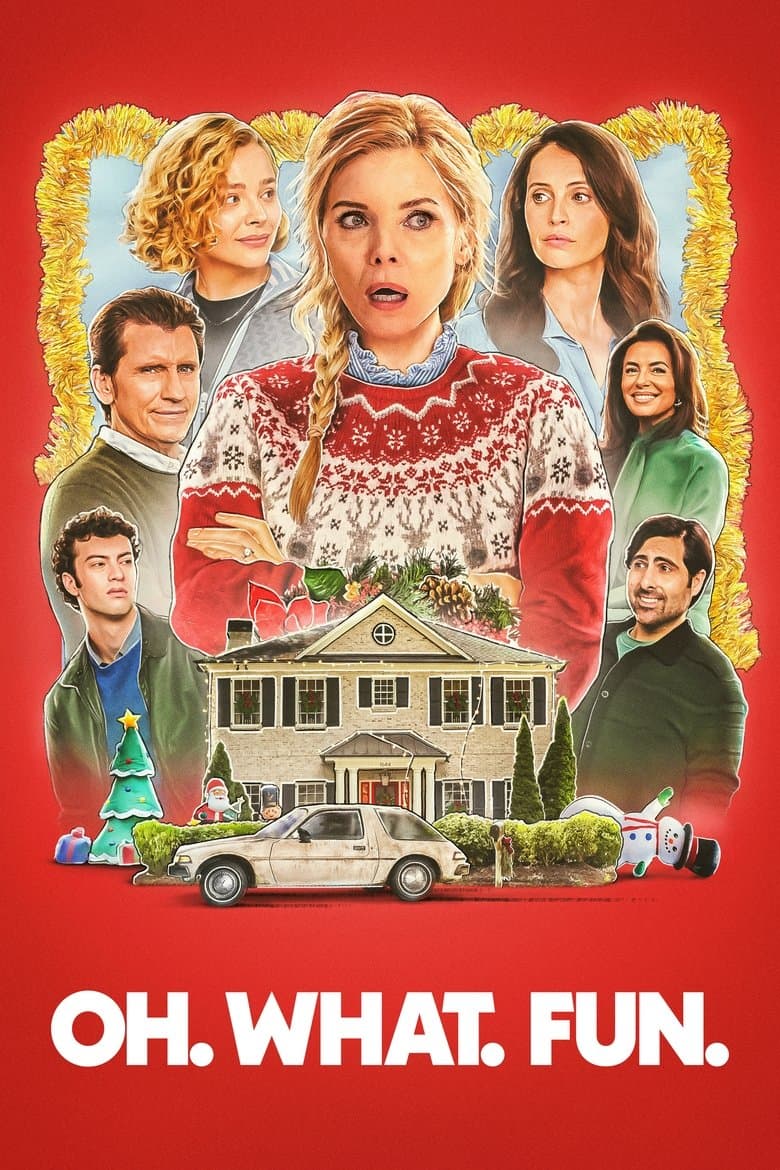
Claire Clauster is a Texas mother who spends the whole year building a perfect Christmas for her husband, three grown children, and grandchildren. Her family depends on her cooking, gifts, decorations, and plans, but they treat that work as normal and forget to bring her to an event she arranged. Claire leaves home, steals a candle, buys an old car, and drives toward California to appear on her favorite talk show. The movie mixes family comedy, road-trip trouble, sharp arguments, and a soft ending about forgiveness and thankfulness.
The main woke element is a direct message about mothers being overlooked while men and children get credit for holiday joy. Claire says Christmas stories focus on men, and the final talk-show scene repeats that women do the hidden work and deserve thanks. The film also gives Taylor a repeated dating story with girlfriends, including a breakup and a planned proposal, so LGBTQ+ romance is visible but not the central plot. The story’s identity message stays focused on family labor and female recognition.
Community feedback
Was our 47% Woke rating accurate?
Breakdown
These are the editorial factors and ratings behind our score for Oh. What. Fun..
Woke representation / casting
Not present. The film’s main family is mostly white, and its mixed supporting cast fits a modern American family story. The film does not make ethnicity, gender balance, or diversity-first casting a message.
0%
Woke political dialogue
Claire says Christmas stories give men the credit while women do the work. She calls mothers the true heroes of the holiday. The talk-show ending repeats that women are overlooked and taken for granted. The message returns several times, but it stays on family and holiday labor instead of wider politics.
38%
Identity-driven story themes
Claire’s journey centers on a mother who is ignored after doing most of the holiday work. The story asks her family to see her as a person instead of only as a wife and mother. Taylor’s repeated relationships with women make LGBTQ+ romance a visible family subplot. The film treats these ideas as good reasons for the family to change, but queer identity is not the main plot.
45%
Western institutional / cultural critique
The film criticizes the family role in which mothers organize the holiday while men receive the praise. Claire’s husband is caring but clueless, and the children assume she will handle every task. Claire’s control of old traditions is also shown as part of the family problem, so the criticism is not aimed at men alone. The film does not attack churches, schools, government, or capitalism.
28%
Woke character or canon changes
The original short story has an adult son named Tyler who brings a boyfriend. The film changes that character to Taylor, a daughter who brings a new girlfriend each year. The change moves a queer relationship subplot from a male character to a female character. No interview located explains the change as a diversity goal, so the score stays limited.
25%
Anti-woke backlash and complaints
Not present. The separate X pass found no anti-woke posts or specific complaints. Web coverage focused on quality and the mother-centered idea, not on DEI or identity politics. Plugged In flags same-sex relationships as a content concern, but it does not describe the film as woke or activist.
0%
Creator track record context
Michael Showalter’s past work has no clear activist pattern. Chandler Baker often writes about workplace harassment, gender inequality, and the heavy work women carry at home. Bernard Telsey’s casting office openly supports diversity, equity, inclusion, and anti-racist work, while Tiffany Little Canfield has a smaller public political profile. Most listed producers have low public activist profiles, although Berry Welsh and Jane Rosenthal have some social-issue credits. This gives the film a mild creator track record signal.
30%
Production
Movie · 2016
Two teenage boys from inner-city Cork steal bicycles and ride off on a 160km quest to find an unrecovered bale of cocaine worth 7,000,000 euros.
Movie · 2024
Inseparable best friends AJ and Moose decide to run the local pool's snack shack after their plan to sell home-brewed beer goes down the drain.
Movie · 2023
A chaotic intervention. An action-packed stay in rehab. After a weird couple of years, John Mulaney comes out swinging in his return to the stage.

Movie · 2022
Exploring every facet of ‘Weird Al’ Yankovic’s life, from his meteoric rise to fame with early hits like ‘Eat It’ and ‘Like a Surgeon’ to his torrid celebrity love affairs and…
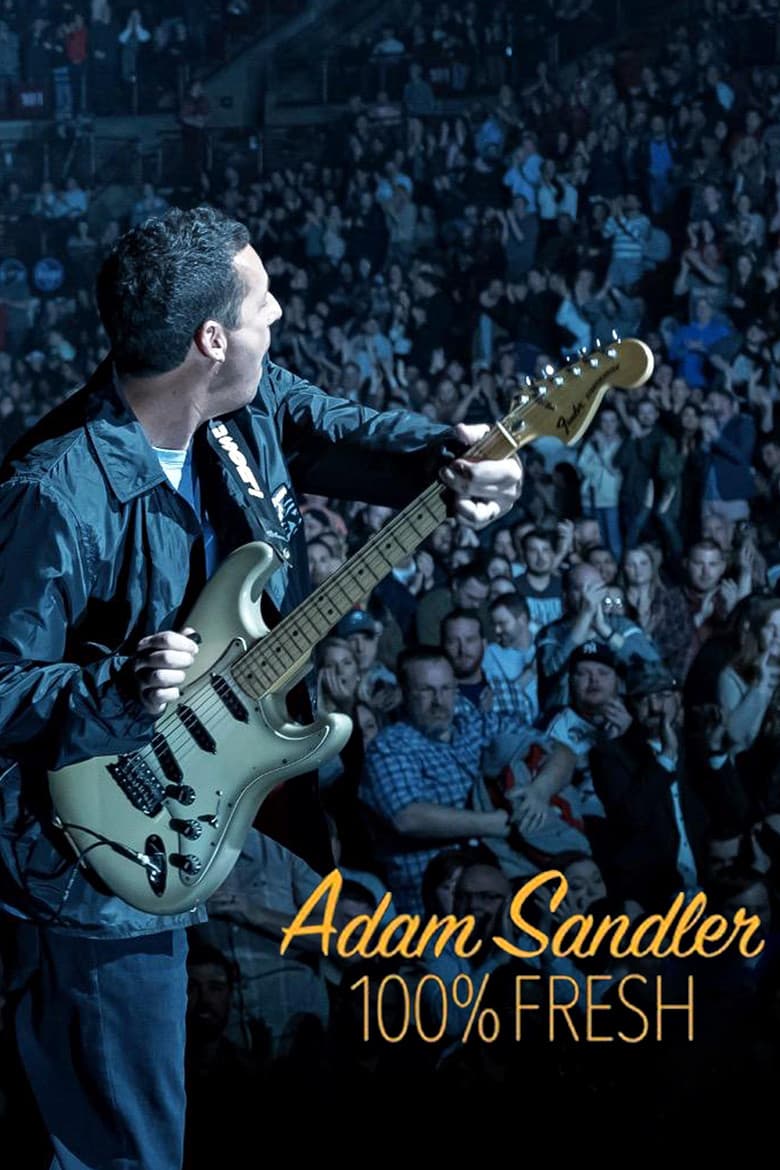
Movie · 2018
Adam Sandler takes his comical musical musings back out on the road, from comedy clubs to concert halls to one very unsuspecting subway station.
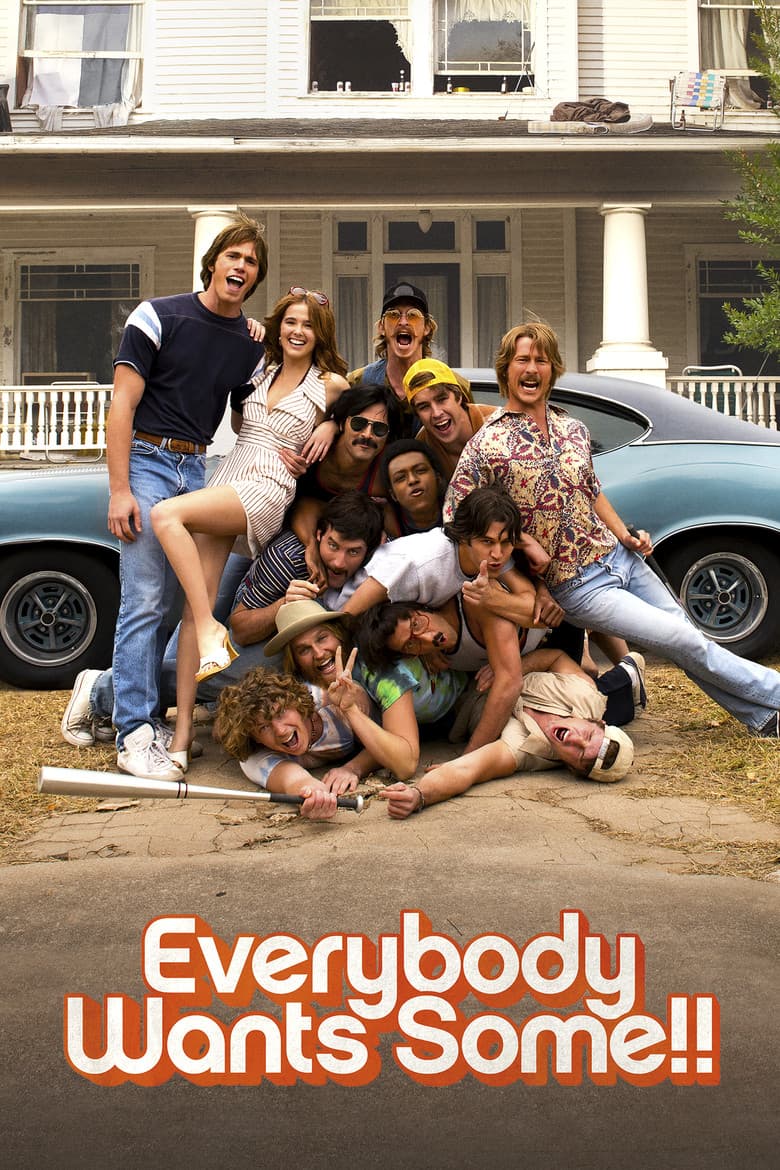
Movie · 2016
A comedy that follows a group of friends as they navigate their way through the freedoms and responsibilities of unsupervised adulthood.
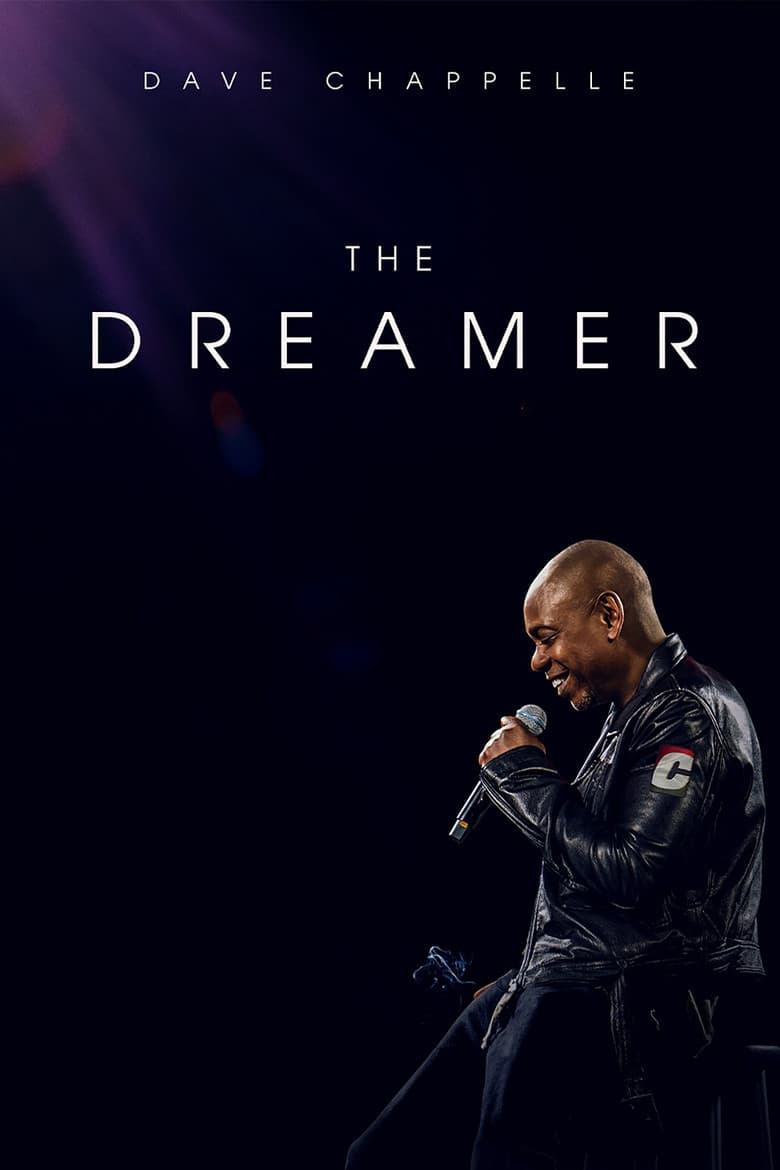
Movie · 2023
From his onstage tackle to the slap heard round the world, Dave Chappelle lets loose in this freewheeling and unfiltered stand-up comedy special.
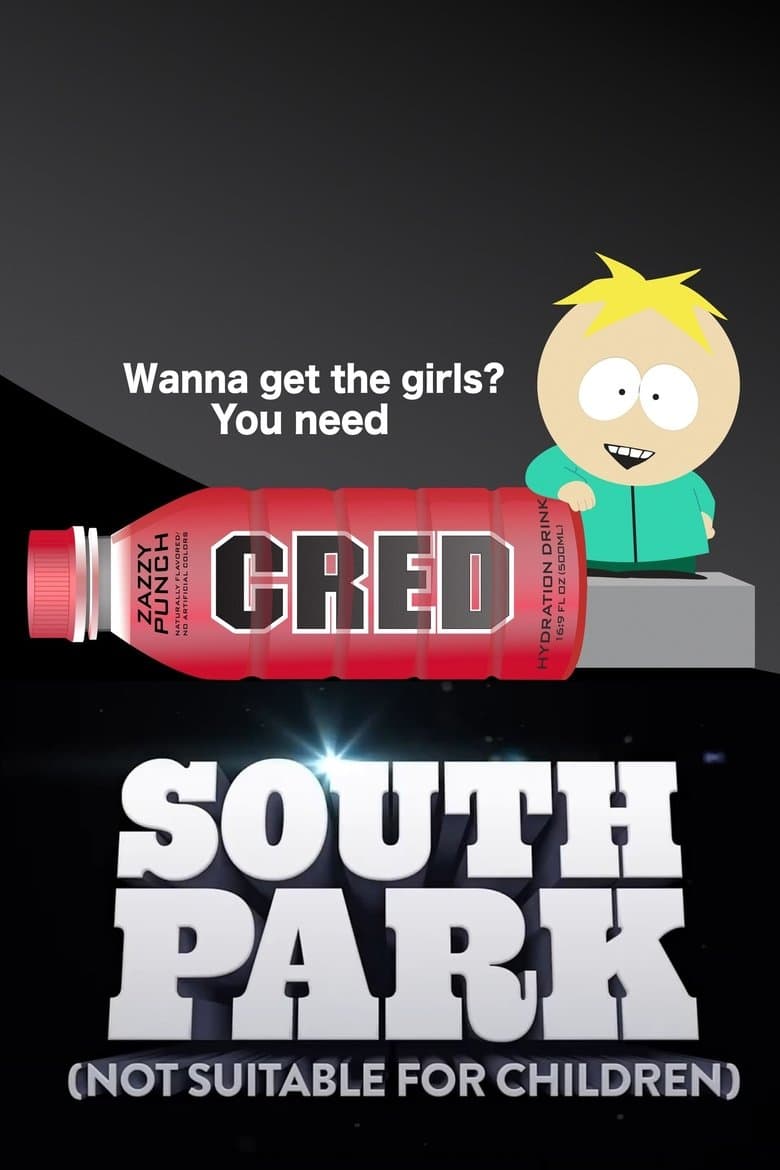
Movie · 2023
After it's discovered that a teacher at South Park Elementary has an OnlyFans page, Randy is compelled to take a closer look at the seedy underbelly of the world of online…
