
No One Gets Out Alive follows Ambar, a young woman who leaves Mexico after caring for her sick mother and enters Cleveland without legal papers. She takes a cheap room in a falling-down boarding house because she needs money, work, and a new start. The house is run by two dangerous brothers, and strange voices, visions, and attacks turn her search for safety into a fight to stay alive. The movie has a slow, grim tone, with realistic fear from poverty and immigration mixed with supernatural horror.
The movie makes Ambar's immigrant status a major part of the horror. Her missing papers keep her from getting a better job, recovering her deposit, or asking the police for help. The boarding house and the clothing factory show people using poor immigrant women who have few safe choices. The film also uses a Mexican lead and several immigrant women from different countries, but its message comes through the survival story rather than speeches about politics.
Community feedback
Was our 51% Woke rating accurate?
Breakdown
These are the editorial factors and ratings behind our score for No One Gets Out Alive.
Woke representation / casting
The movie puts a Mexican woman in the lead and shows other immigrant women from several countries living in the boarding house. The pattern is visible and appears deliberate. The roles fit the story's immigrant setting, and there is no clear diversity-first casting campaign, so the score stays low.
18%
Woke political dialogue
Not present. Characters talk about money, work, legal papers, family, and the house, but they do not give a clear woke political speech.
0%
Identity-driven story themes
The movie makes Ambar's undocumented status a central source of danger. Her missing papers block better work, make her vulnerable to scams, and keep her from seeking help without fear of arrest or deportation. The boarding house and factory turn the immigrant struggle into the main social horror behind the ghosts. The film asks viewers to sympathize with exploited immigrants, but it does not build the story around a broad party or election message.
48%
Western institutional / cultural critique
The movie presents the American Dream as a promise surrounded by unsafe work, dishonest landlords, and weak protection for people without legal papers. Ambar is underpaid, loses her deposit, and has little safe help when the house turns against her. The factory and boarding house work as modern systems that profit from vulnerable immigrants. The film does not attack religion or ordinary family life, so this critique stays focused on exploitation.
42%
Woke character or canon changes
The movie changes the novel's British protagonist, Stephanie Booth, and Birmingham setting into Ambar, an undocumented Mexican woman in Cleveland. That change makes immigration, legal status, and the American Dream central to the adaptation. The director said the film kept the book's core ideas, but the new identity and setting give the story a clear modern identity-focused angle.
44%
Anti-woke backlash and complaints
One forum comment said the film's immigrant and feminist angle felt like an agenda. No major news story or broad online campaign repeated that complaint. The supplied X research found no anti-woke reaction, so the single comment is fringe evidence.
5%
Creator track record context
Fernanda Coppel has a history of work about Latina identity, migration, and queer themes. Carla Hool has publicly supported more Latinx representation. The director, Adam Nevill, Jon Croker, and most producers have little known activist or DEI work. This gives the film some supporting context, but it is not a strong creator-wide pattern.
23%
Production

Movie · 2019
A lone fisherman on his daily run finds himself lost in a thick fog which proves impossible to navigate. The worst is yet to come when his encounter with a seemingly abandoned…

Movie · 2021
Paranormal investigators Ed and Lorraine Warren encounter what would become one of the most sensational cases from their files.
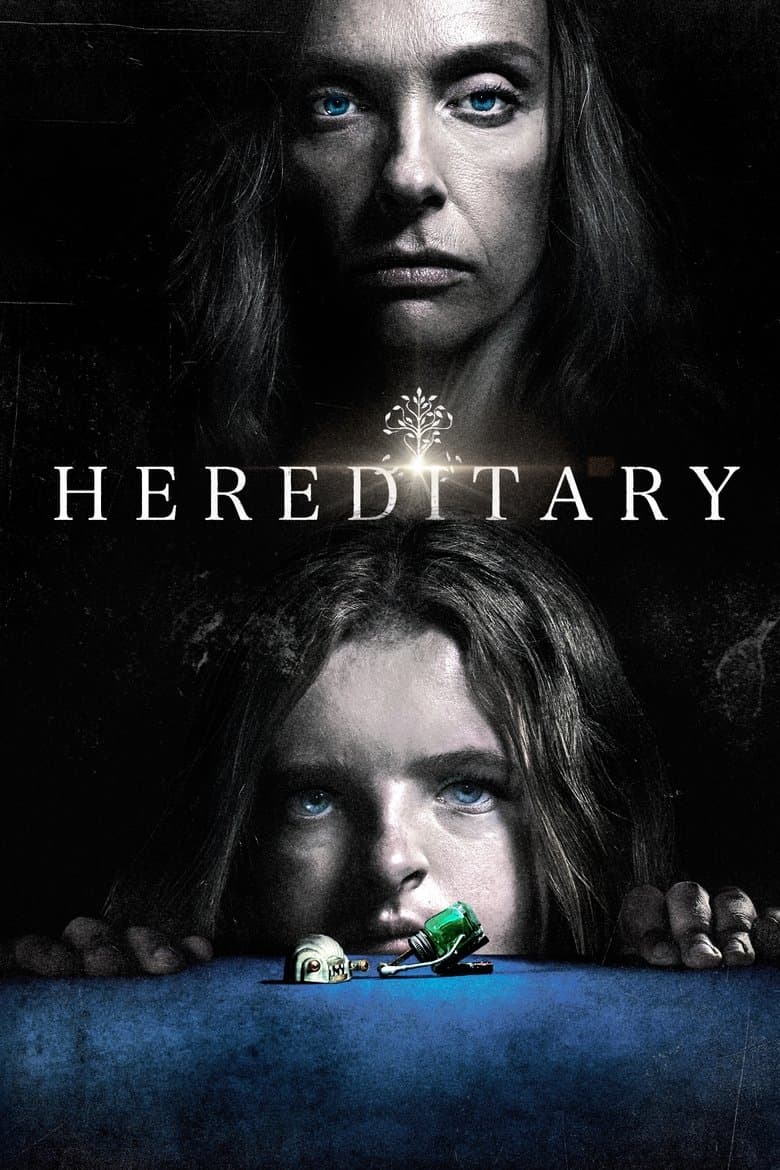
Movie · 2018
Following the death of the Leigh family matriarch, Annie and her children uncover disturbing secrets about their heritage.
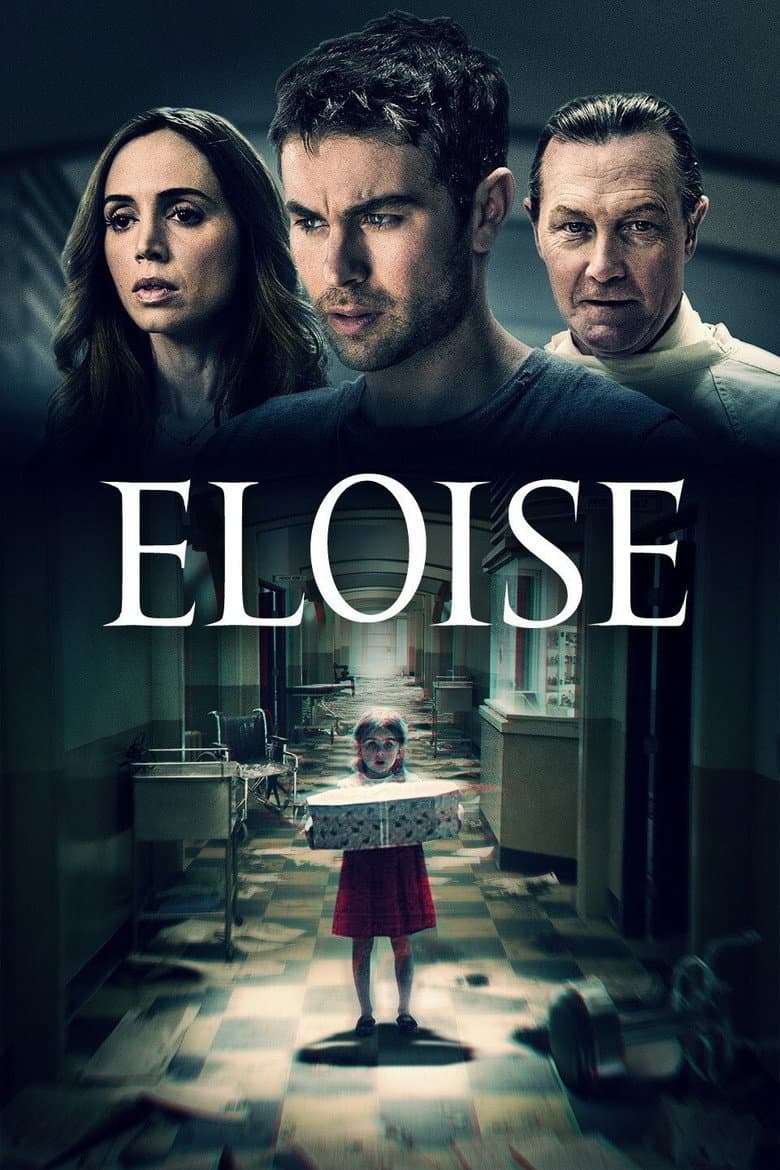
Movie · 2016
Four friends break into an abandoned insane asylum in search of a death certificate which will grant one of them a large inheritance.

Movie · 2019
A rebellious teenage boy, struggling with his parents' imminent divorce, encounters a terrifying evil after his next-door neighbor becomes possessed by an ancient witch that…

Movie · 2019
When a 12-year-old boy goes missing at a local park, a detective investigates the case to help the boy's family find answers.
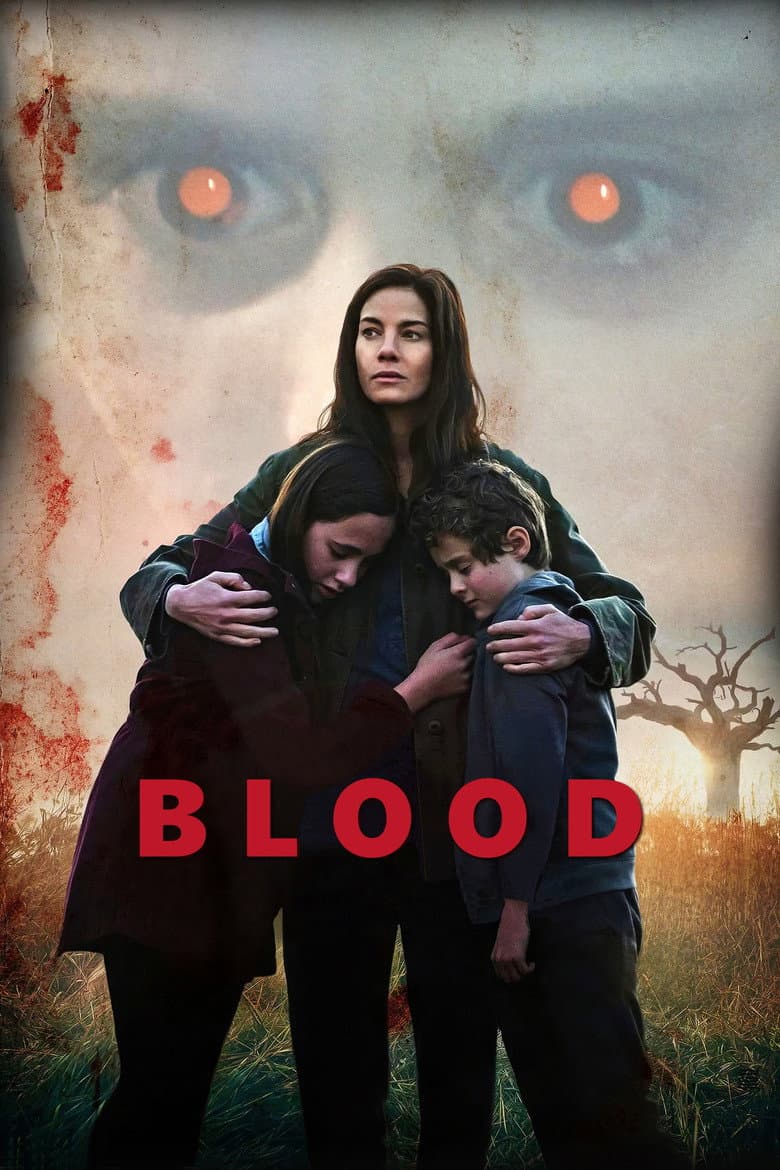
Movie · 2023
Jess, a newly separated mother and nurse, moves into her old family farmhouse with Tyler, her teenage daughter, and Owen, her eight-year-old son.
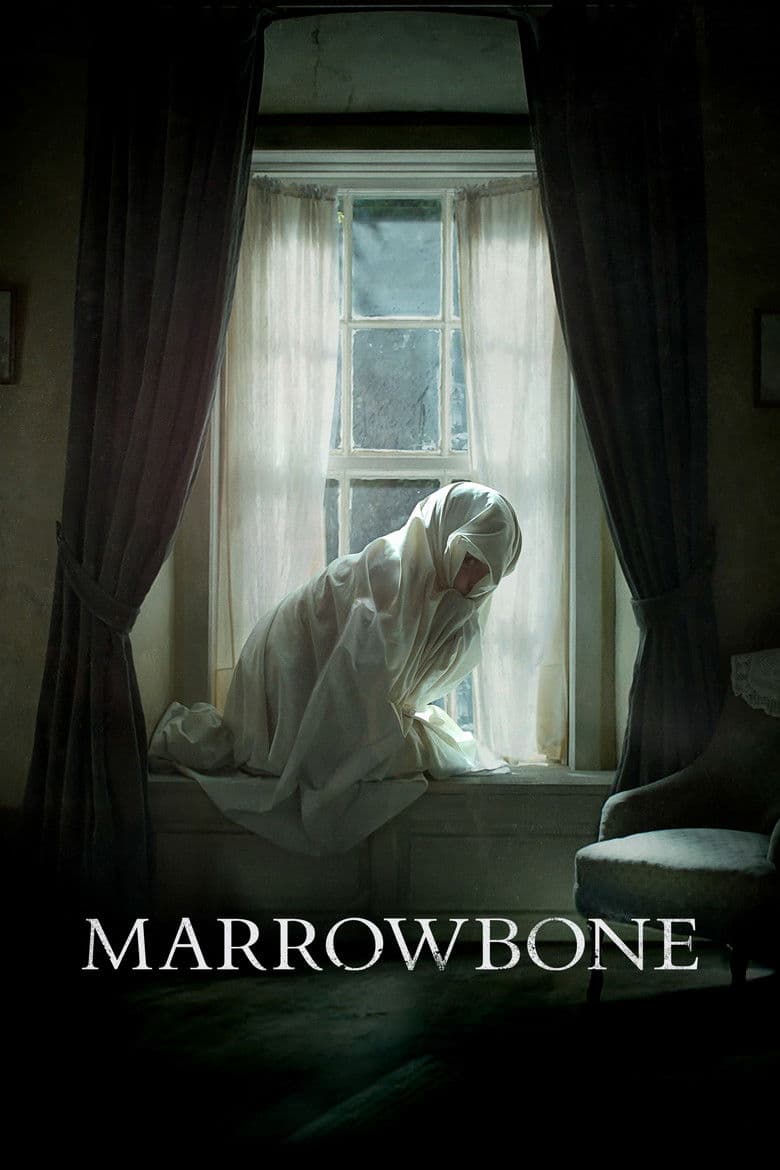
Movie · 2017
A young man and his three younger siblings are plagued by a sinister presence in the sprawling manor in which they live.
