
Aisha is a Senegalese immigrant living in New York City. She works as a nanny for Rose, the young daughter of a rich white couple, while she saves money to bring her own son from Senegal. The parents keep her late, fail to pay her on time, and leave her carrying more work than they promised. Aisha also starts a romance with Malik, but dreams of water, spiders, and a frightening spirit grow as her fear and sadness build.
The movie makes Aisha’s race, immigrant status, motherhood, and treatment by wealthy employers central to the horror. The story shows racist and sexist treatment, unpaid labor, sexual pressure from the father, and a past police attack on a black woman. West African spirits named Mami Wata and Anansi become signs of survival and anger, so the supernatural scenes carry a clear identity-driven message. The movie also questions the American dream and the way rich families depend on poorer women to raise their children.
Community feedback
Was our 78% Woke rating accurate?
Breakdown
These are the editorial factors and ratings behind our score for Nanny.
Woke representation / casting
Not present. Aisha is cast as a Senegalese immigrant, and the black family around her fits the story and setting. The director stressed realistic accents and casting actors who fit their roles, not a diversity-first casting design.
0%
Woke political dialogue
Several scenes use direct lines about race, gender, and power. Sallay calls time a white man’s invention and says older men punish girls. Amy calls her workplace a boys’ club. Kathleen says the spirits resist the dominant order and asks Aisha how she will use her rage. These lines support the movie’s identity and power message, but they are not constant.
50%
Identity-driven story themes
Nanny makes race, immigration, motherhood, and women’s treatment at work central to Aisha’s breakdown. The story repeatedly links her visions to unpaid labor, racist treatment, sexual pressure, and the pain of leaving her son. West African spirits become signs of survival, resistance, and rage instead of simple monsters. The film asks viewers to see Aisha’s anger as a response to unfair treatment.
78%
Western institutional / cultural critique
The film presents the American dream as a system that leaves Aisha without secure pay, legal safety, or her child. The wealthy employers rely on her work while missing payments and crossing her boundaries. Kathleen describes police treating a black woman as dangerous during a mental health crisis. These scenes make modern race, class, gender, and institutional power a major part of the conflict.
67%
Woke character or canon changes
Not relevant. Nanny is an original story, so it does not change an established character, canon, or historical figure.
0%
Anti-woke backlash and complaints
Not present. No clear anti-woke backlash was found in the supplied X check, Reddit posts, or news searches. Online complaints mainly concerned the slow pace, unclear ending, and weak horror elements.
0%
Creator track record context
Nikyatu Jusu has a strong record of centering black women, African identity, immigration, and unfair treatment. Her interviews about Nanny describe anger against racism and misogyny and a wish to center women of color. Several producers also back projects built around underrepresented voices, while other producers have little activist public profile. The film closely matches the director’s known creative pattern.
74%
Production
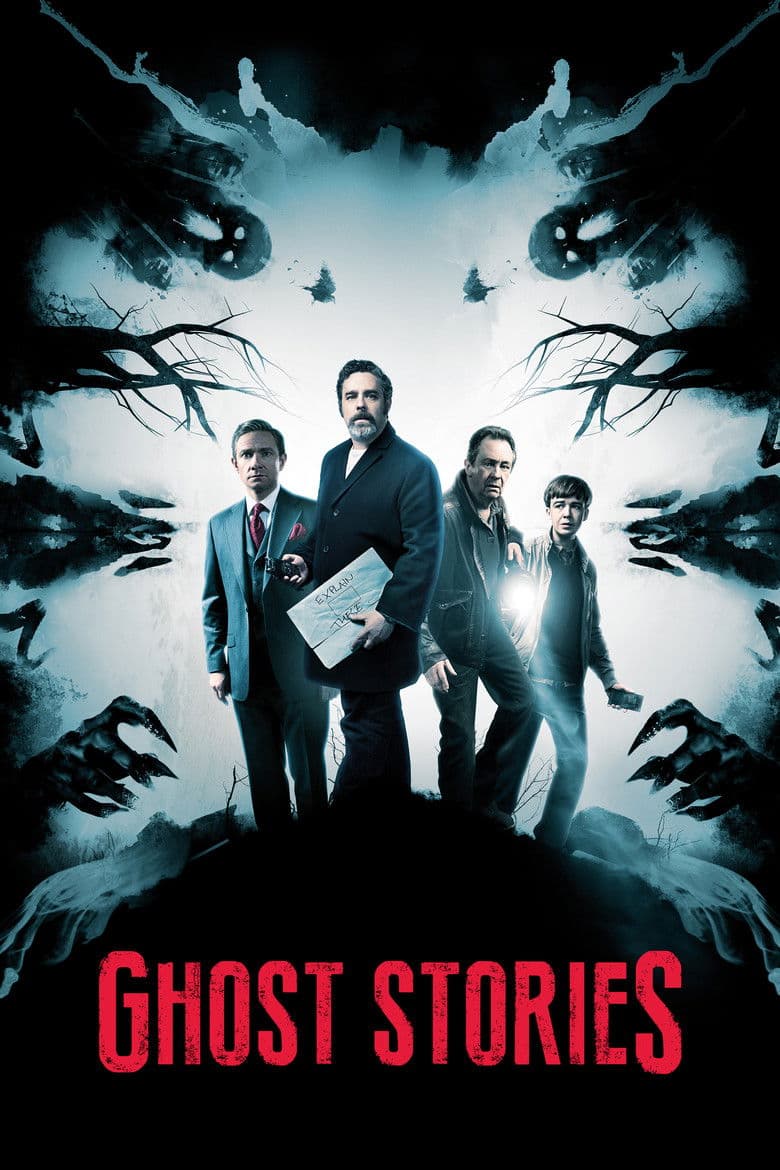
Movie · 2018
Professor Philip Goodman devotes his life to exposing phony psychics and fraudulent supernatural shenanigans.
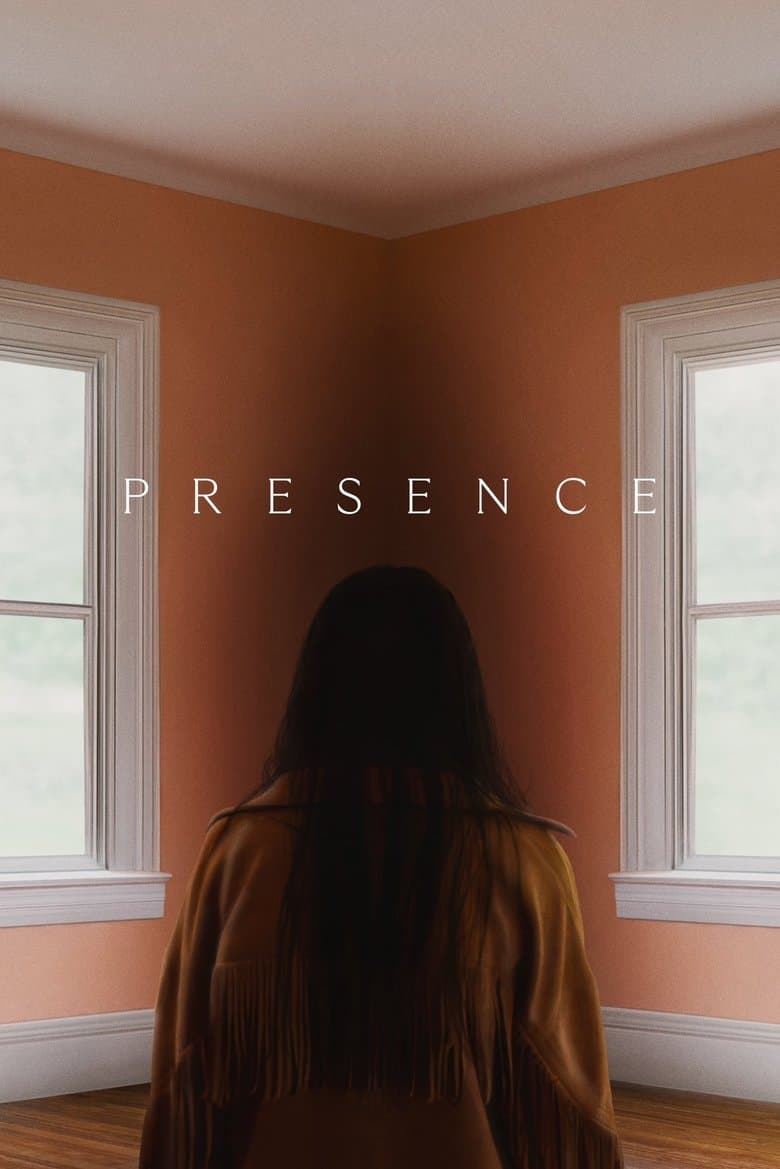
Movie · 2025
A couple and their children move into a seemingly normal suburban home. When strange events occur, they begin to believe there is something else in the house with them.
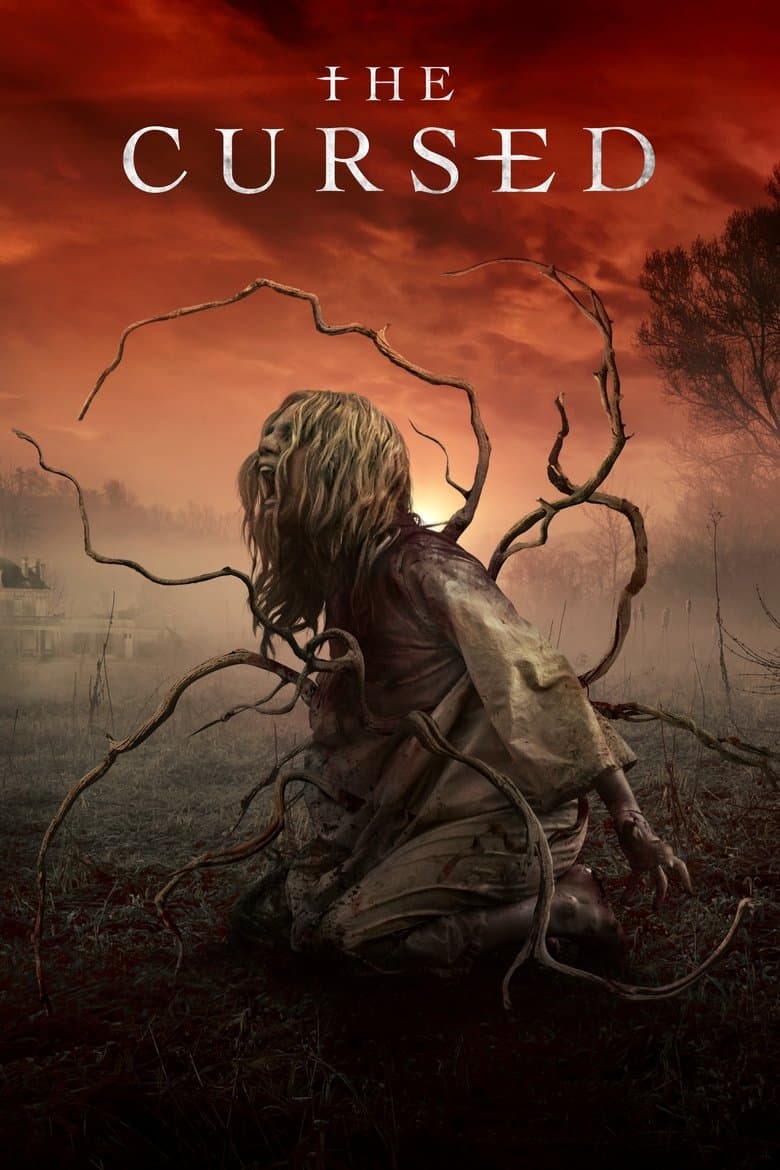
Movie · 2021
In the late 19th century, a brutal land baron slaughters a Roma clan, unleashing a curse on his family and village.

Movie · 2017
Real zombies arrive and terrorize the crew of a zombie film being shot in an abandoned warehouse, said to be the site of military experiments on humans.
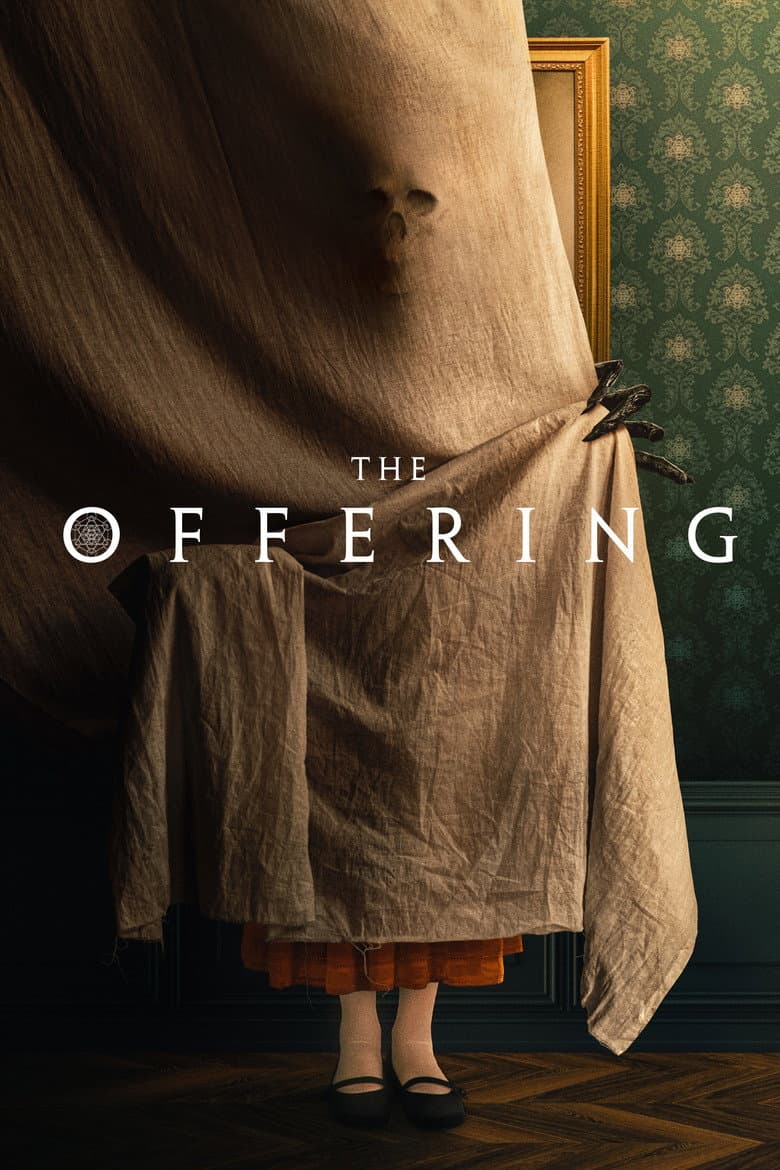
Movie · 2022
In the wake of a young Jewish girl’s disappearance, the son of a Hasidic funeral director returns home with his pregnant wife in hopes of reconciling with his father.
Movie · 2024
When a kind of rabies that transforms people into aggressive creatures spreads across the planet, Manel isolates himself at home with his cat, relying on his wits to survive; but…
Movie · 2023
On the day of his scheduled execution, a convicted serial killer gets a psychiatric evaluation during which he claims he is a demon, and further claims that before their time is…

Movie · 2016
Following the outbreak of a virus that wipes out the majority of the human population, a young woman documents her family's new life in quarantine and tries to protect her…
