
Mr. Malcolm's List is a light romance set in London society in 1818. Jeremiah Malcolm is a wealthy bachelor who uses a private list to judge possible wives. Julia Thistlewaite asks her old friend Selina Dalton to help her take revenge after Malcolm rejects her and causes public shame. Selina pretends to be Malcolm's perfect match, but she falls in love with him and begins to question the plan. The story stays playful and gentle while the characters lie to one another.
The film uses Black, Indian, Asian, and white actors in prominent Regency roles. Women lead the revenge plan, and Julia and Selina make important choices throughout the story. The film shows Malcolm that his list treats a wife like a purchase instead of a person. The story challenges marriage rules, gossip, class rank, and the idea that a man should control every rule for a wife. These themes support female friendship, self-respect, and female control of the romance, but the film keeps them inside a light historical marriage comedy without modern political speeches.
Community feedback
Was our 73% Woke rating accurate?
Breakdown
These are the editorial factors and ratings behind our score for Mr Malcolm's List.
Woke representation / casting
The film puts Black, Indian, and Asian actors in most of its prominent Regency roles. The cast includes a black male lead and an Indian female lead. The director said Hamilton inspired the casting, and interviews described the choice as inclusive and diverse. The pattern is a central design choice, although a few important white supporting roles remain.
80%
Woke political dialogue
Not present in this title.
0%
Identity-driven story themes
The film makes Julia and Selina the main drivers of the plot. Their friendship shapes the revenge plan and its ending. Julia refuses to accept public shame, while Selina stops pretending once she believes Malcolm is decent. Malcolm must abandon his list and change his view of women before the romance can succeed. The story favors female choice, self-respect, and women correcting a proud man, although it remains a light historical romance.
52%
Western institutional / cultural critique
The film mocks Malcolm's list because it judges women like goods at a horse sale. Julia and Selina challenge the marriage market, gossip, class rank, and the idea that a man should set every rule for a wife. The story also shows Malcolm's pride and suspicion as barriers to love. These points belong to the period romance and do not become a modern attack on capitalism, religion, or Western society.
34%
Woke character or canon changes
Not present in this title.
0%
Anti-woke backlash and complaints
A few small X accounts called the film woke, complained about forced diversity, or objected to a black actor playing an English beau in a period story. One Metacritic user called the film woke pandering and attacked its diverse casting. An IMDb review called the mixed casting unrealistic or a gimmick. Most review coverage was favorable or treated the casting as a creative choice, so the backlash evidence is real but small.
30%
Creator track record context
Emma Holly Jones has repeatedly supported women-centered stories and inclusive casting in period settings. Freida Pinto has a strong public record of gender equality and representation work. Suzanne Allaine's record is mainly historical romance. Dearbhla Regan, Laura Lewis, and some other producers also show gender or inclusion-focused work. The wider team is mixed, so this context supports the film's casting and women-focused choices without defining the whole story.
47%
Production

Movie · 2016
Anne is at a crossroads in her life. Long married to a successful, driven but inattentive movie producer, she unexpectedly finds herself taking a car trip from Cannes to Paris…
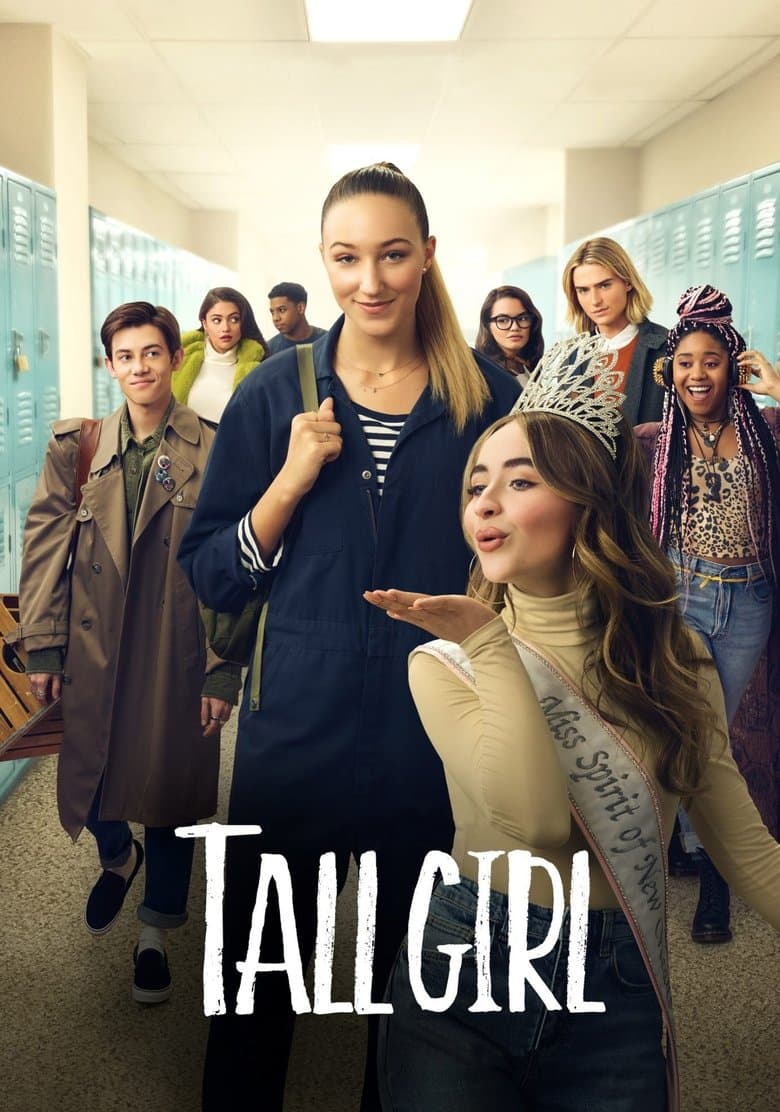
Movie · 2019
Jodi, the tallest girl in her high school, has always felt uncomfortable in her own skin. But after years of slouching, being made fun of, and avoiding attention at all costs…

Movie · 2016
Pop superstar Jordan Jaye has a big dream he just wants to live like a regular teenager. When he's chased down by some excited female fans, he finds a perfect hideout and a…
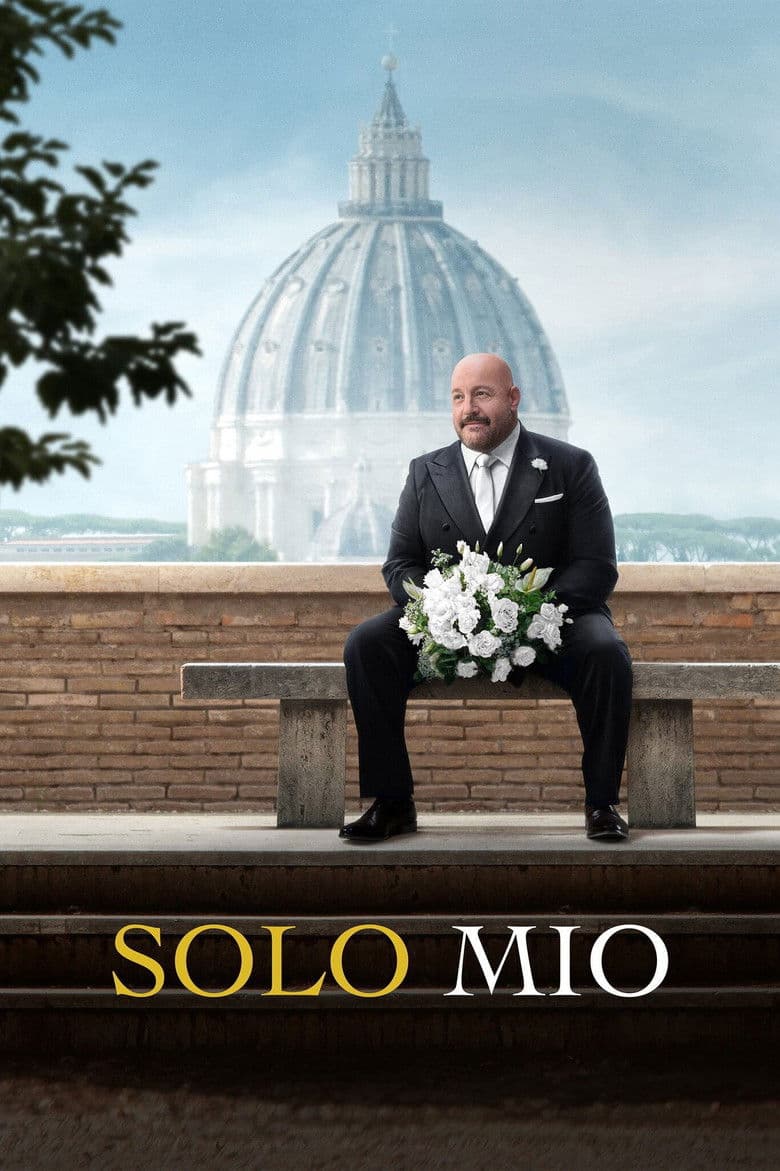
Movie · 2026
After Matt's dreams of a picturesque Italian wedding are shattered when his fiancée leaves him at the altar, he embarks on his planned honeymoon across Italy alone, immersing…

Movie · 2016
Set against the backdrop of a beautiful garden in the heart of London, this contemporary fairy tale revolves around the unlikely friendship between a reclusive young woman and a…
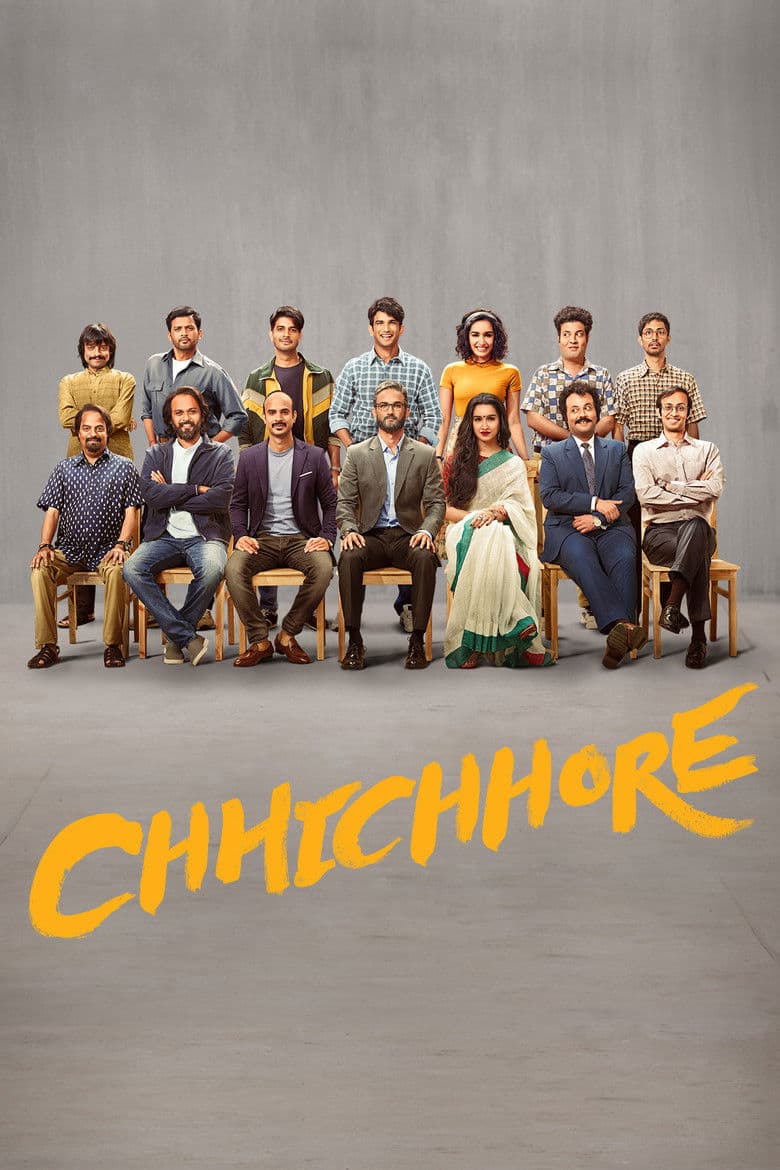
Movie · 2019
Following a group of friends from university as they progress into middle-age life and go their own separate ways.
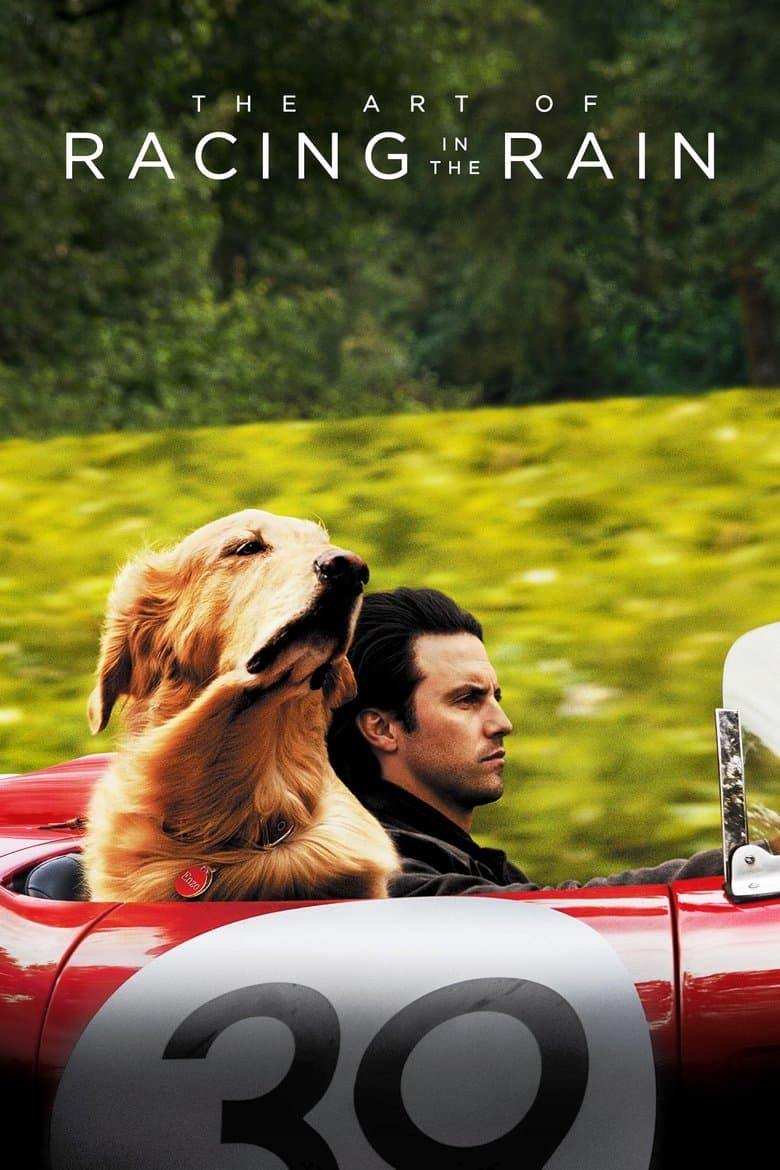
Movie · 2019
A family dog – with a near-human soul and a philosopher's mind – evaluates his life through the lessons learned by his human owner, a race-car driver.

Movie · 2016
High schoolers Mitsuha and Taki are complete strangers living separate lives. But one night, they suddenly switch places. Mitsuha wakes up in Taki’s body, and he in hers.
