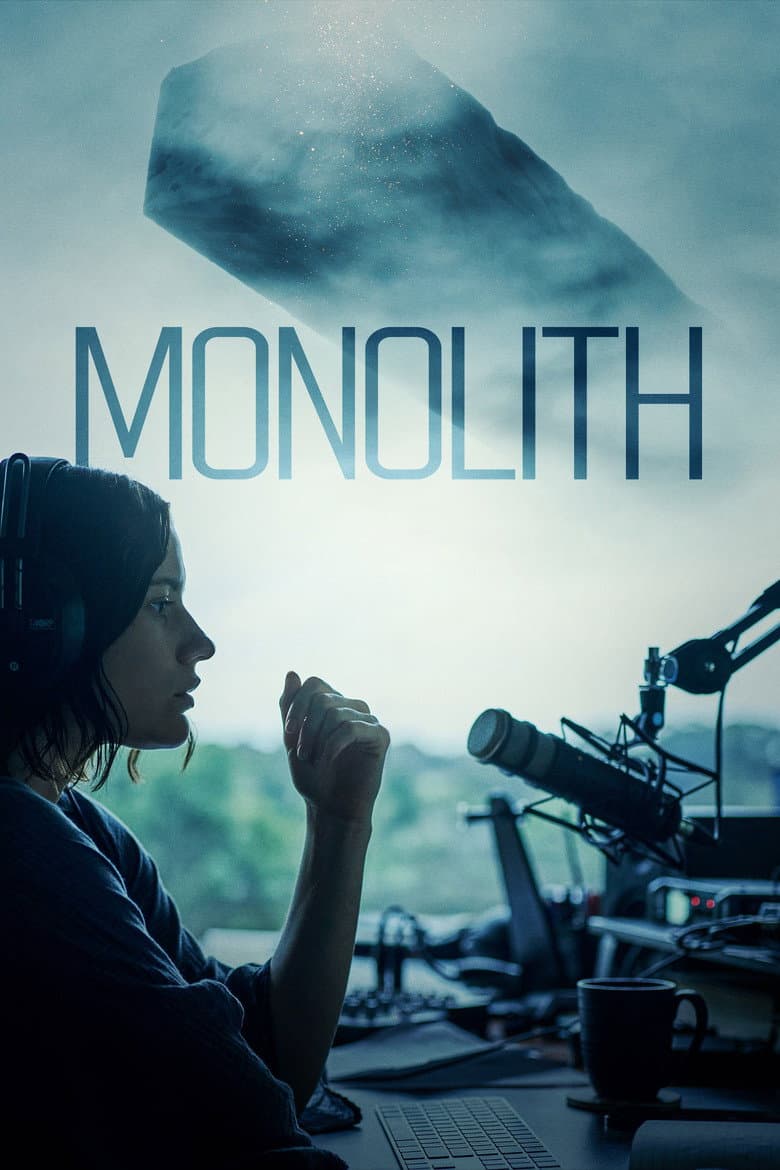
Monolith follows an unnamed journalist who loses her newspaper job after publishing a story without checking it. She retreats to her parents’ large home and hosts a mystery podcast called Beyond Believable. A call about a strange black brick leads her through reports of visions, illness, and a possible alien threat. The quiet horror grows as her need for a career comeback turns into fear and a fight with her own past.
The story gives clear weight to wealth and power. A wealthy family takes a strange object from a housekeeper, blames the housekeeper’s daughter, and uses money and the police to protect itself. The journalist later learns that she helped cause this harm as a child, so her search for truth becomes a guilt story about who gets to control another person’s story. The film also attacks clickbait podcasting, edited audio, weak fact checking, and the spread of scary claims, while leaving the alien cause open.
Community feedback
Was our 37% Woke rating accurate?
Breakdown
These are the editorial factors and ratings behind our score for Monolith.
Woke representation / casting
Not present. The film puts one woman on screen as the lead, but it does not frame her as a diversity or empowerment choice. The role is a flawed journalist, and the other characters are mostly heard by phone rather than shown as a diversity message.
0%
Woke political dialogue
The journalist’s father says money separates his family from the housekeeper’s family. Paula answers that rich people take from people like her. These lines give the late family conflict a class and power message, but the film has no long DEI speech or repeated political debate.
24%
Identity-driven story themes
The film makes privilege and unequal power part of the main mystery. A wealthy family takes a black brick from a housekeeper, blames her daughter, and removes the girl’s music scholarship. The journalist later learns that her childhood lie helped the family do this, so the alien story becomes a story about guilt and control of another person’s truth. This theme matters in the final act, but most of the film follows podcast pressure, fear, and possible aliens.
43%
Western institutional / cultural critique
The film attacks a media culture that rewards speed, outrage, and shocking stories. The journalist edits a source’s words, publishes weak claims, and uses a growing audience to chase status. The wealthy family also uses money, police, and social standing to silence a poorer family. These ideas recur across the film, but the story targets bad choices and abuse of power more than Western institutions as a whole.
38%
Woke character or canon changes
Not relevant. Monolith is an original story with no known established characters, source novel, or real historical event being changed. The strange brick and all characters were created for this film.
0%
Anti-woke backlash and complaints
A single Rotten Tomatoes audience review called the rich-family plot anti-White and read it as a story about White appropriation. That complaint is specific but isolated. The supplied X research found no anti-woke posts, boycott, or review bombing.
10%
Creator track record context
Not present. The cached summaries describe genre and craft careers for the director, writer, and producer. They show no clear activist, DEI, or identity-politics pattern.
0%
Production
Movie · 2026
A strange doorway appears in the basement of a furniture showroom.
Movie · 2017
1920, rural Ireland. Anglo-Irish twins Rachel and Edward share a strange existence in their crumbling family estate.
Movie · 2017
When a priest is jailed for the murder of a nun on whom he was performing an exorcism, an investigative journalist strives to determine whether he in fact murdered a mentally ill…
Movie · 2026
In a post-apocalyptic future where an event known as "The Quiet Rapture" caused all known stars and habitable planets in the universe to disappear, a convict is sent to search an…
Movie · 2019
When a 12-year-old boy goes missing at a local park, a detective investigates the case to help the boy's family find answers.
Movie · 2016
Set in the Aokigahara Forest, a real-life place in Japan where people go to end their lives. Against this backdrop, a young American woman comes in search of her twin sister, who…
Movie · 2021
A female serial killer who killed four young girls is sent away to prison, but a fifth victim escaped with her life.
Movie · 2021
Paranormal investigators Ed and Lorraine Warren encounter what would become one of the most sensational cases from their files.
