
Elizabeth Sloane is a hard driving lobbyist in Washington, D.C. She quits a big firm when it wants her to market guns to women. She joins a smaller shop to help pass a universal background check bill against the gun lobby. The film follows high pressure Senate fights, illegal tactics, ethics hearings, and the personal cost of winning at any cost. Almost the whole story stays inside modern lobbying and political dealmaking.
The lead is a strong woman who outplays male bosses and senators in a boys club setting. The script pushes pro background check arguments and treats the gun lobby as corrupt and bought. Esme, a black school shooting survivor, becomes the campaign’s public face of gun violence. The core plot is still about ethics and power, not race or queer identity, but the progressive gun message and female power framing are clear and easy for viewers to notice.
Community feedback
Was our 52% Woke rating accurate?
Breakdown
These are the editorial factors and ratings behind our score for Miss Sloane.
Woke representation / casting
Jessica Chastain leads as a powerful woman who beats male bosses and senators. Marketing and cast talk sell her as a rare ambitious woman in a boys club. Gugu Mbatha-Raw plays a skilled black campaign face whose race is not required by the plot but is easy to see. The rest of the cast is mixed without a forced one of each group.
32%
Woke political dialogue
The script is full of pro background check talk and anti gun lobby strategy. Sloane mocks a plan to sell guns as female empowerment and treats the Constitution as a shield people hide behind. She also mocks a conservative who changed on gay rights after his brother came out. That is clear progressive policy speech, not nonstop DEI lectures.
40%
Identity-driven story themes
The main engine is lobbying ethics and a win at all costs gun control fight. Side threads include woman in power ambition, underestimating female voters, and Esme’s trauma as the human face of gun violence. The writer first thought about same sex marriage and abortion as issue hooks. The result is progressive cause drama with feminist packaging, not a race or queer centered story.
38%
Western institutional / cultural critique
Congress, big money lobbying, and the gun lobby look rotten. Conservative senators and industry players look bought or weak. Sexism and a D.C. boys club sit under the women in power frame. Ordinary anti corruption thrills are raised by a clear tilt against conservatives on guns and power.
42%
Woke character or canon changes
Not relevant. Original screenplay with no legacy characters, canon, or historical figures rewritten for identity politics.
0%
Anti-woke backlash and complaints
Gun rights and right leaning outlets called it liberal Hollywood gun control propaganda. Groups and sites such as Gun Owners of America, Free Beacon, Fox, and Plugged In style reviews hit one sided politics and a box office flop. Complaints focus on gun politics and agenda filmmaking, not DEI casting swaps. That keeps the backlash moderate.
28%
Creator track record context
Director John Madden often tells women in power stories and has spoken against male supremacy. Writer Jonathan Perera built a progressive issue vehicle and considered other progressive issues first. Producer Ben Browning later made Promising Young Woman, and the casting side has strong DEI branding. The pattern is mild to moderate progressive gender and policy work.
30%
Production
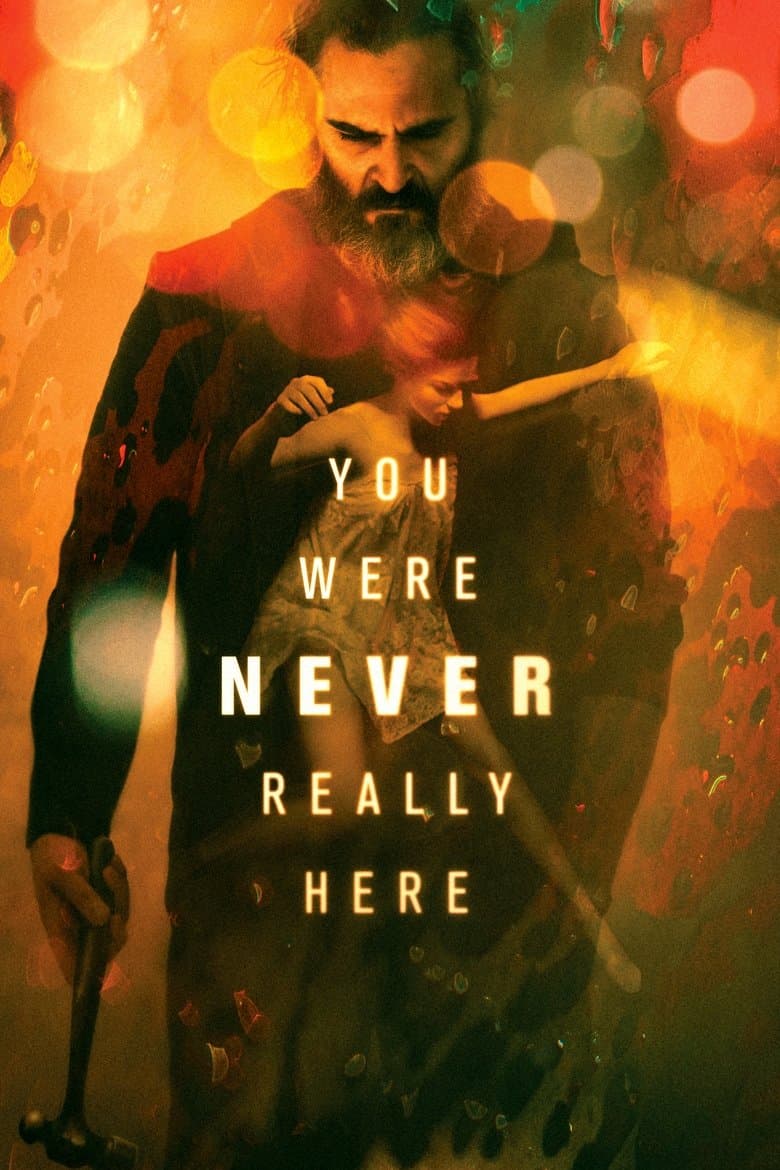
Movie · 2017
A traumatized veteran, unafraid of violence, tracks down missing girls for a living. When a job spins out of control, his nightmares begin to overtake him, and a conspiracy is…
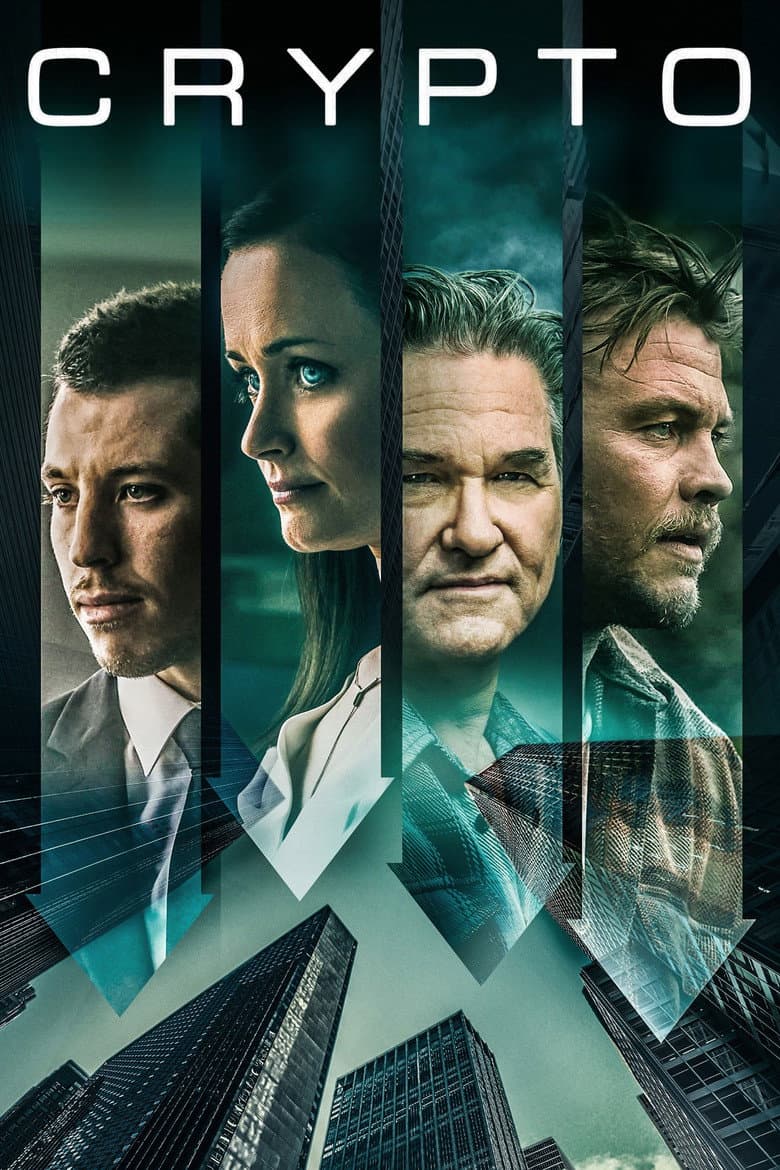
Movie · 2019
A young agent is tasked with investigating a tangled web of corruption and fraud in New York.

Movie · 2022
After escaping a Michigan prison, a charming career criminal assumes a new identity in Canada and goes on to rob a record 59 banks and jewellery stores while being hunted by a…
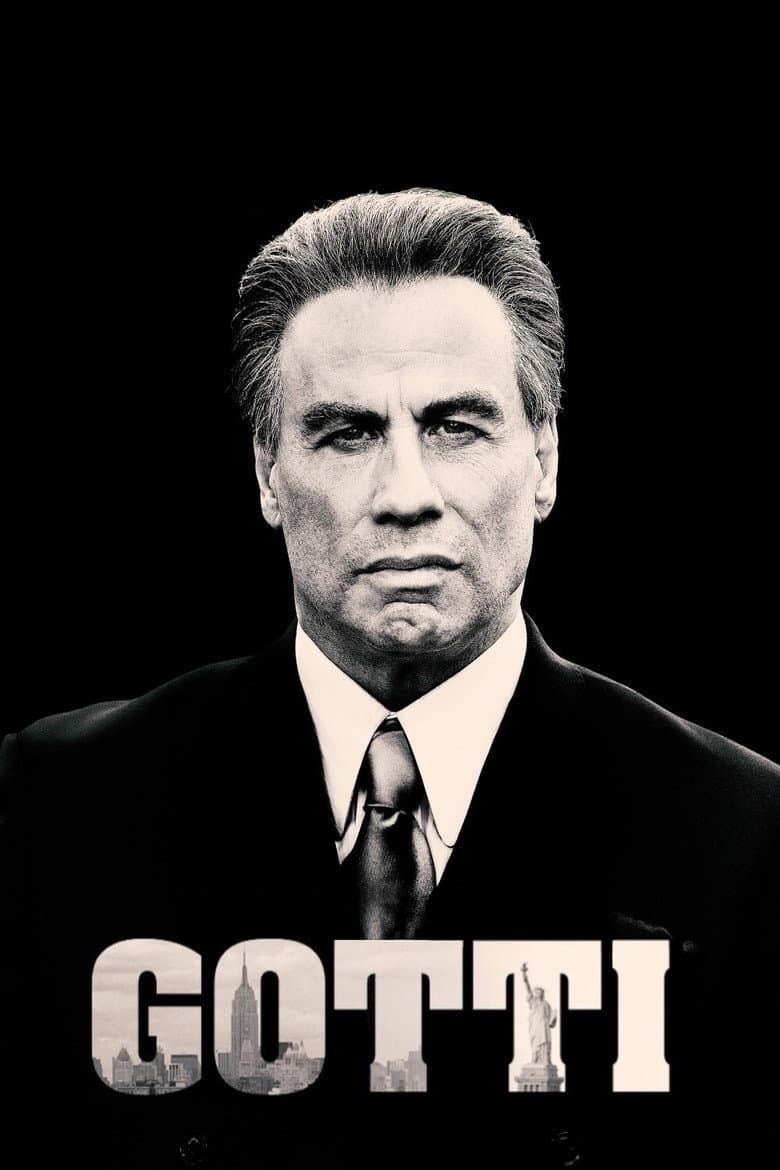
Movie · 2018
John Gotti rises to the top of the New York underworld to become the boss of the Gambino crime family. His life takes a tumultuous turn as he faces tragedy, multiple trials and a…

Movie · 2017
A newly-released prison gangster is forced by the leaders of his gang to orchestrate a major crime with a brutal rival gang on the streets of Southern California.
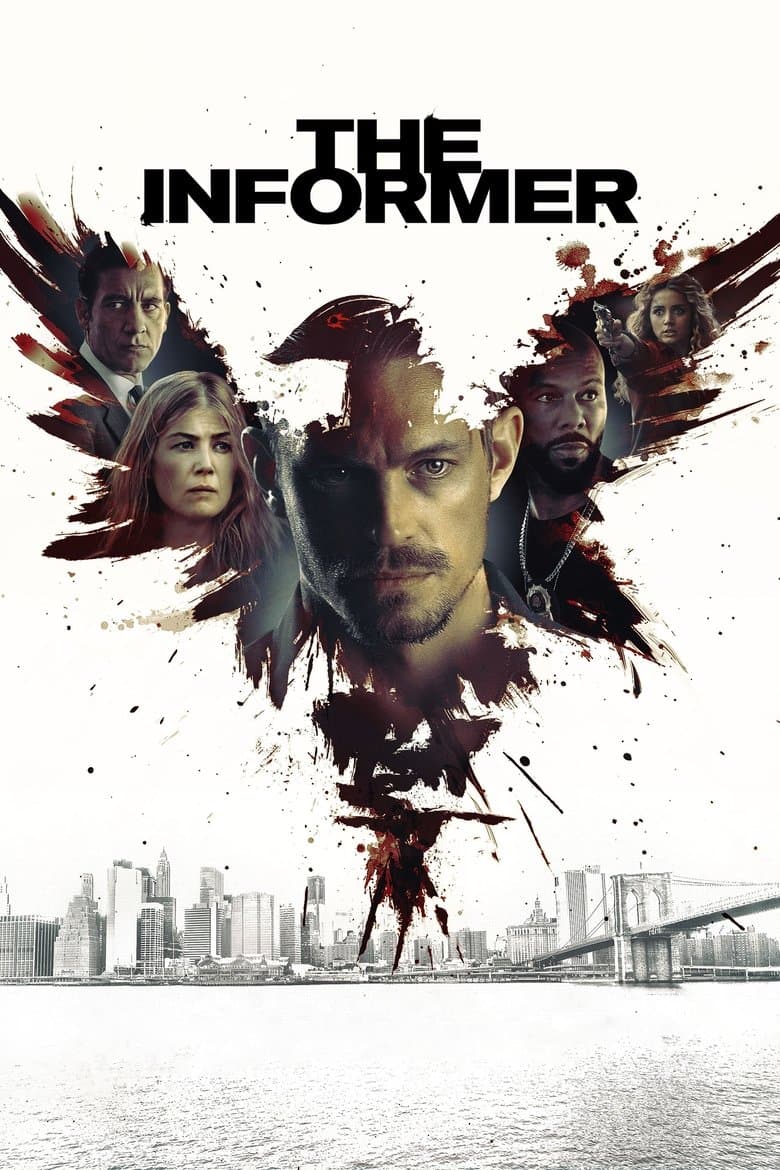
Movie · 2019
In New York, former convict Pete Koslow, related to the Polish mafia, must deal with both Klimek the General, his ruthless boss, and the twisted ambitions of two federal agents…
Movie · 2016
Ex-cons Troy, Mad Dog, and Diesel are hired by an eccentric mob boss to kidnap a baby and hold it for a large ransom.
Movie · 2016
A U.S Customs official uncovers a massive money laundering scheme involving Pablo Escobar.
