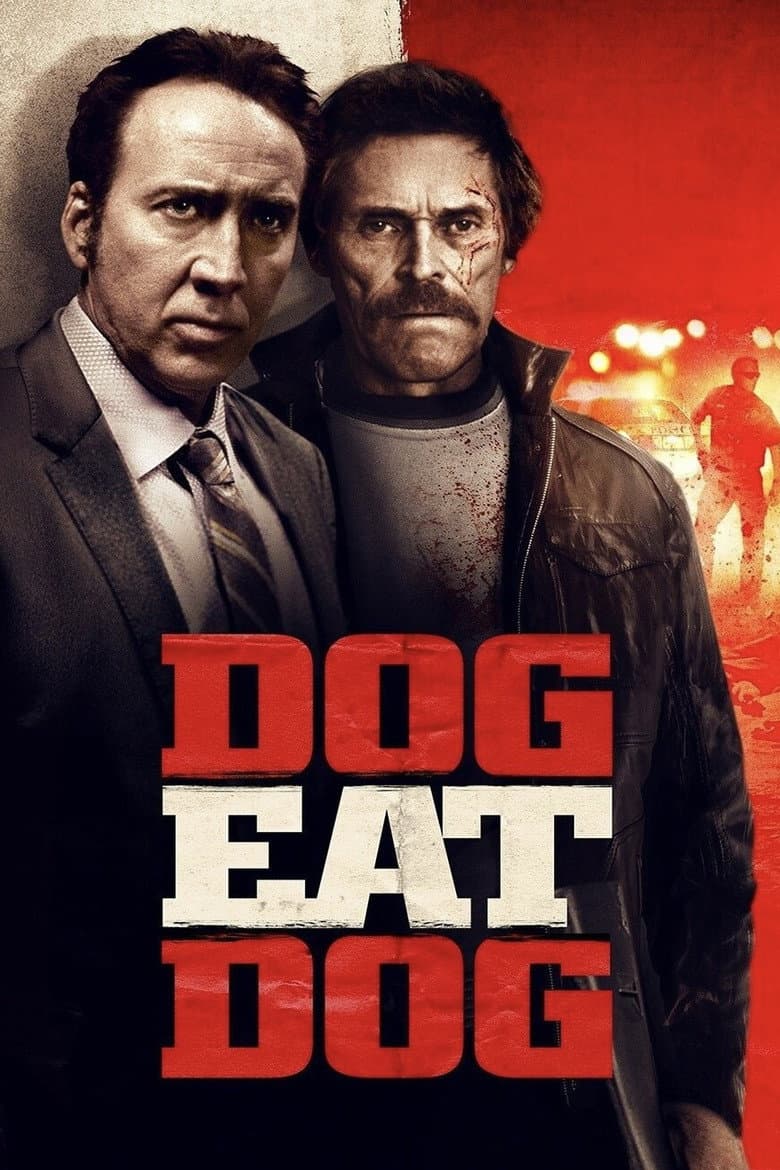
Dog Eat Dog follows Troy, Mad Dog, and Diesel, three ex-cons who try to earn enough money to stay out of prison. They plan a kidnapping in Cleveland after small crimes fail to give them a fresh start. Troy leads the job, Mad Dog is violent and unstable, and Diesel often sees the danger before the others do. The film uses black comedy, harsh violence, drugs, and a bleak view of life after prison.
The film shows prison, parole, police, and money as pressures that push the men back to crime. It includes a brief debate over guns and police power, plus racist and sexist talk from the criminals. Those ideas stay tied to the crime plot and never become a modern activist lesson. The story shows that the men are trapped by their own habits and by a world they can no longer enter.
Community feedback
Was our 15% Woke rating accurate?
Breakdown
These are the editorial factors and ratings behind our score for Dog Eat Dog.
Woke representation / casting
Not present. The lead group is three male criminals, while Black, Latino, and other supporting characters appear in ordinary crime roles. The cast does not create a repeated diversity message, and the film does not market representation as a theme.
0%
Woke political dialogue
The film includes short talk about gun rights, the Second Amendment, police power, and a weak economy. One character says police have a license to kill “brothers,” which sounds like a brief current anti-police point. Other characters argue for more guns, so the film does not give one clear activist view. The dialogue is scattered and never drives the plot.
14%
Identity-driven story themes
Not present. The story follows crime, prison life, and failed loyalty rather than race, gender, sexuality, or representation. The men’s behavior is crude and violent, but the movie does not make identity politics its main theme.
0%
Western institutional / cultural critique
The film shows prison, parole, police, and a weak economy as forces that trap the ex-cons. The men say that staying out is almost impossible, and the story sends them back into crime. The film also shows sexist male behavior and distrust of police. The story does not turn these points into a clear activist attack on Western culture, so this critique stays weak.
18%
Woke character or canon changes
Not relevant. The film updates Edward Bunker’s crime novel with a newer setting, phones, and a different tone. Those changes do not alter an established character’s race, gender, sexuality, or hero role.
0%
Anti-woke backlash and complaints
Not present. The X research pass found no anti-woke posts, and broader searches found no clear complaints that the film pushes DEI or identity politics. Public discussion focused on violence, crude humor, style, and story quality.
0%
Creator track record context
Paul Schrader’s public record includes criticism of political correctness but only a small amount of social politics. Kim Taylor-Coleman has public comments supporting diverse casting. The writers and most producers have no strong record of identity activism. This gives a low context signal because the film itself does not use an activist frame.
10%
Production
Movie · 2019
A leader of a drug cartel sends his two toughest henchmen to investigate why a shipment was botched.
Movie · 2024
While awaiting the next fuel truck at a middle-of-nowhere Arizona rest stop, a traveling young knife salesman is thrust into a high-stakes hostage situation by the arrival of two…
Movie · 2019
A young agent is tasked with investigating a tangled web of corruption and fraud in New York.
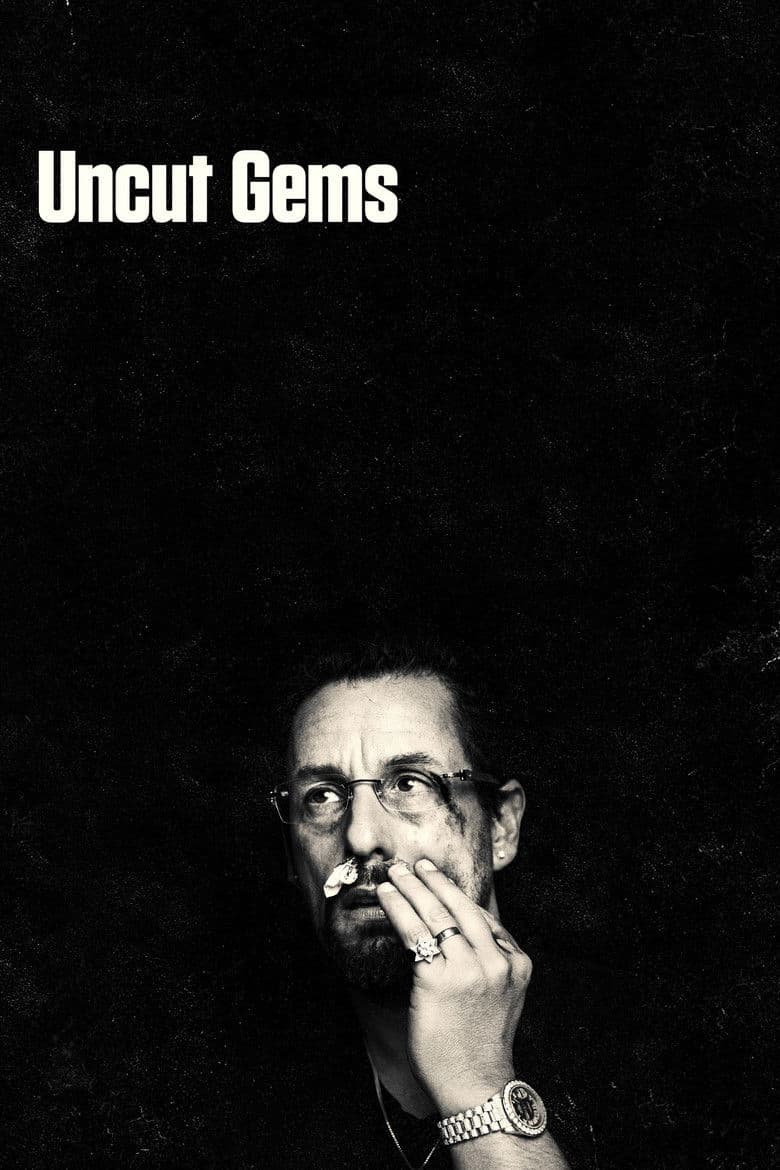
Movie · 2019
A charismatic New York City jeweler always on the lookout for the next big score makes a series of high-stakes bets that could lead to the windfall of a lifetime.
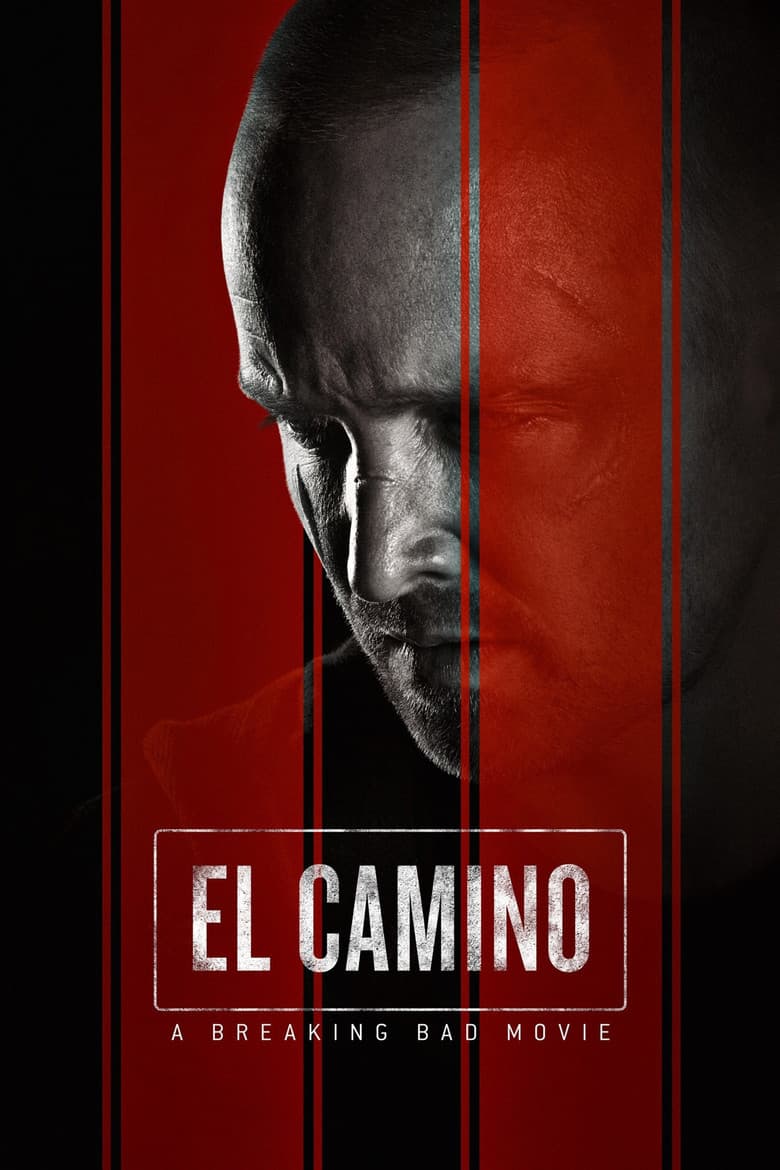
Movie · 2019
In the wake of his dramatic escape from captivity, Jesse Pinkman must come to terms with his past in order to forge some kind of future.
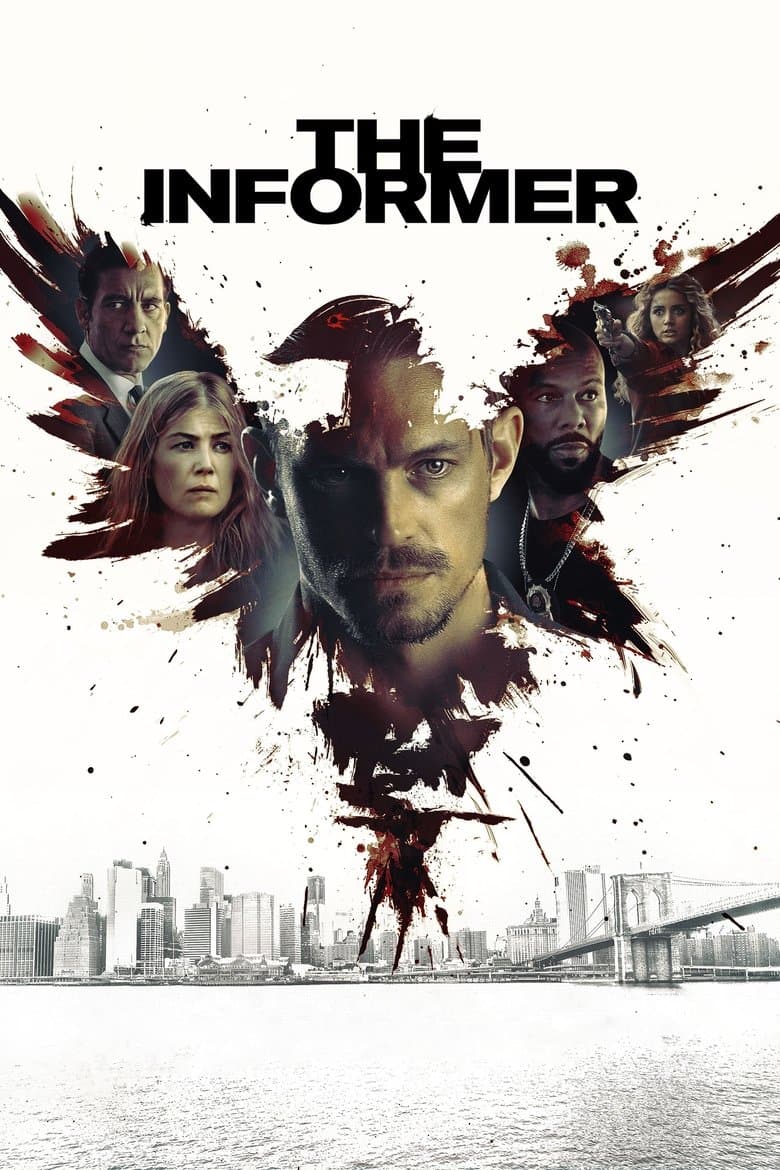
Movie · 2019
In New York, former convict Pete Koslow, related to the Polish mafia, must deal with both Klimek the General, his ruthless boss, and the twisted ambitions of two federal agents…

Movie · 2021
When the aging Meyer Lansky is investigated one last time by the Feds who suspect he has stashed away millions of dollars over half a century, the retired gangster spins a…

Movie · 2021
An ambitious carnival man with a talent for manipulating people with a few well-chosen words hooks up with a female psychologist who is even more dangerous than he is.
