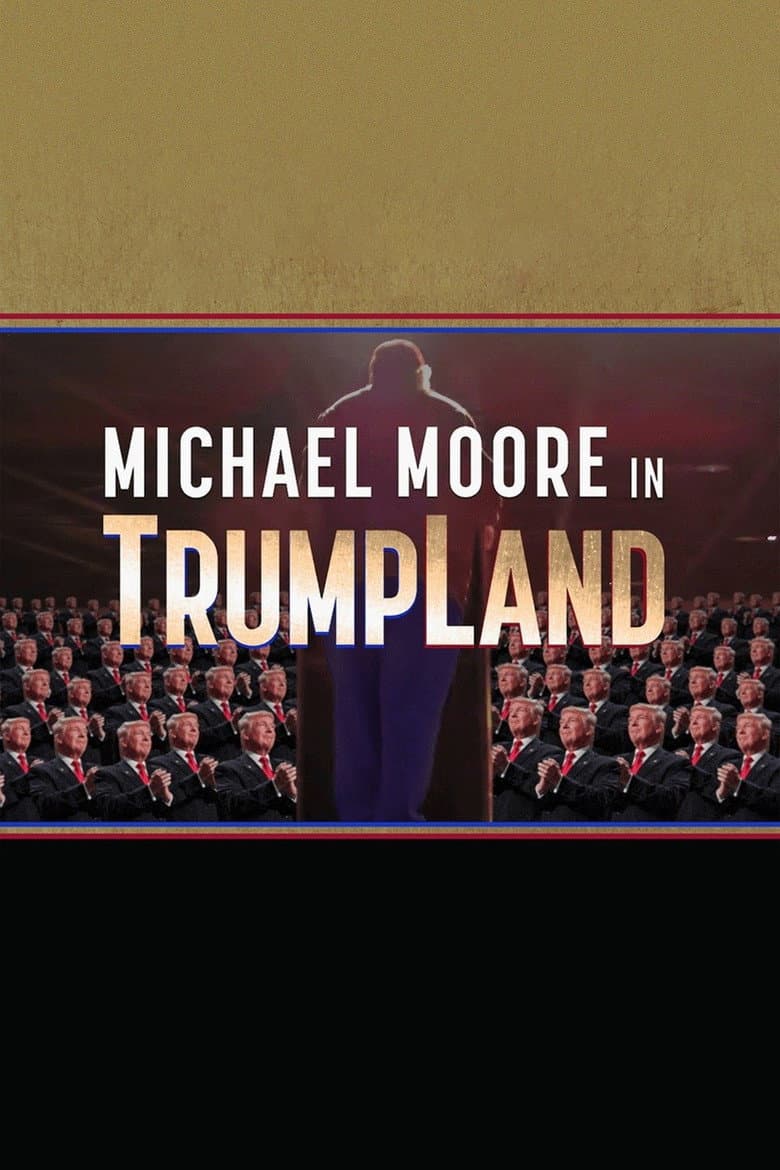
Michael Moore is the only main figure in this short documentary. He performs a one-man show in Wilmington, Ohio, a town that strongly supported Donald Trump during the 2016 election. Moore tries to understand why angry working people may vote for Trump, then urges them to support Hillary Clinton. The tone shifts from jokes and crowd work to a serious and hopeful political appeal.
The show gives a large place to gender and identity politics. Moore stages Mexican and Muslim audience sections behind a wall and under a drone as a joke about Trump's plans. He praises Clinton as a feminist who faced unfair treatment, and he presents a woman president as a hopeful answer to fear of lost male power. He also supports gay marriage and calls for immigrant protection, equal pay, and prosecution of police who kill unarmed black men. The film's main message is that voters should accept a liberal woman leader and reject Trump's promises.
Community feedback
Was our 78% Woke rating accurate?
Breakdown
These are the editorial factors and ratings behind our score for Michael Moore in TrumpLand.
Woke representation / casting
The staged show deliberately sorts Mexican and Mexican-looking people into one balcony section and Muslim or Muslim-looking people into another. The film adds a fake wall around the first group and a drone over the second group. The audience also visibly includes women, millennials, black people, and Mexicans as a chosen cross-section. These are identity-focused stage choices for a political joke, so the signal is limited but clear.
18%
Woke political dialogue
Moore repeatedly supports gay marriage and says young people should not hate people because of skin color or same-sex love. Moore calls older white men obsolete and jokes about gay and transgender presidents. Moore asks for immigrants to stay, equal pay, and police who kill unarmed black men to face prosecution. Moore also urges the audience to vote for Hillary Clinton, so political advocacy runs through the full performance.
76%
Identity-driven story themes
Moore builds the emotional center around Hillary Clinton as a woman who was mocked, limited, and told to serve her husband. Moore presents women taking political power as a hopeful change and links Clinton's rise to a wider shift away from older white male control. The show connects that hope to gay rights, immigrant protection, and police action for black victims. These identity themes shape the final part of the performance and help sell the main reason to vote for Clinton.
66%
Western institutional / cultural critique
Moore treats the loss of older white male power as a good and needed change. Moore says women were pushed back into kitchens and should now have real power. Moore attacks Wall Street, corporate America, health insurers, police killings, prisons, the media, and a political system he says harms ordinary people. Moore uses those attacks to argue for more government action and a Clinton-led reform program.
57%
Woke character or canon changes
Not relevant. The film does not change a fictional character, source story, or a real person's identity. The film reframes Hillary Clinton's public career as a feminist story, but that is an argument about her record rather than a race, gender, or sexuality change.
0%
Anti-woke backlash and complaints
Conservative outlets called the movie an anti-Trump screed and treated it as a failed left-wing political product. Some audience reviewers called it biased, mainstream-media material, or political garbage. World Socialist Web Site and Spiked also attacked the film for selling identity politics and Clinton as a liberal hero. The backlash was real but scattered, and the main Ohio fight concerned stopping the stage show rather than a large DEI controversy.
28%
Creator track record context
The cached scores are Michael Moore 37/100, Carl Deal 39/100, and Mike Antinoro 0/100. Moore has a long left-wing activist record about corporate power, war, health care, and elections. Deal has a progressive record about justice, environmental issues, and concentrated power, while Antinoro has no strong activist pattern. The mixed context supports a moderate creator track record signal.
37%
Production
Movie · 2020
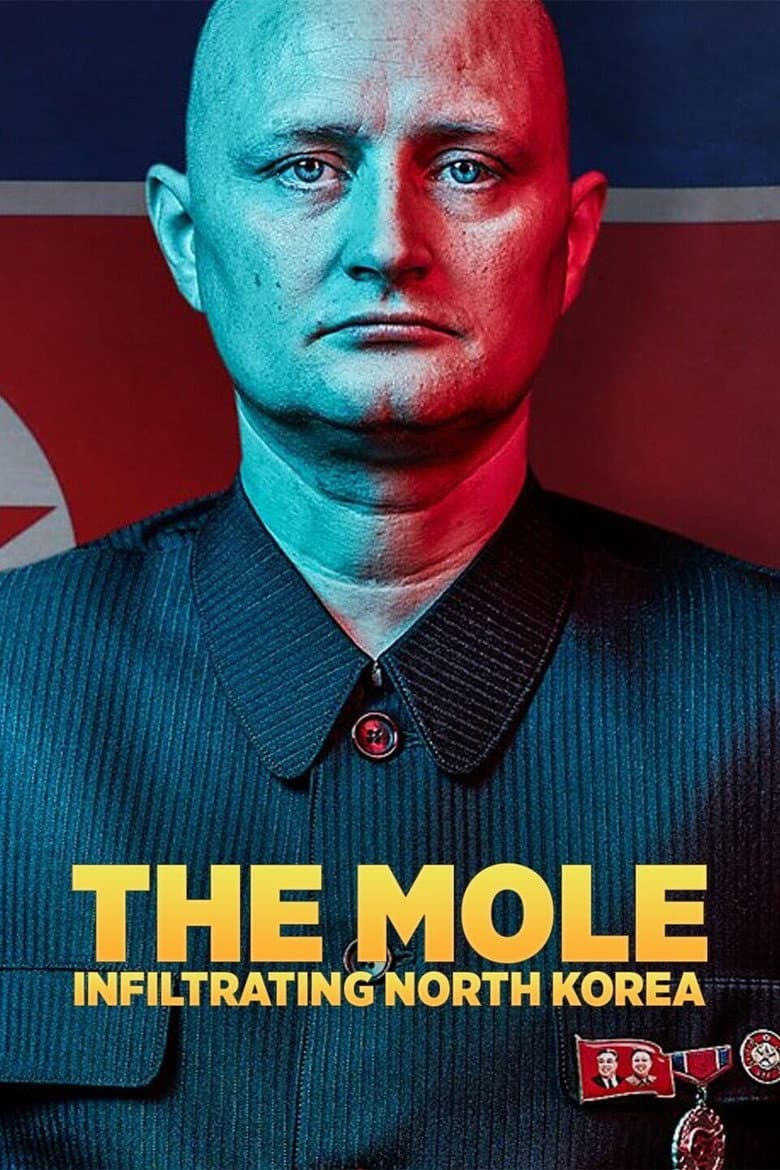
A real-life undercover thriller about two ordinary men who embark on an outrageously dangerous ten-year mission to penetrate the world's most secretive and brutal dictatorship…

Movie · 2023
A short kid from a Canadian army base becomes the international pop culture darling of the 1980s—only to find the course of his life altered by a stunning diagnosis.

Movie · 2024
Christopher Reeve portrayed the Man of Steel in four Superman films and played dozens of other roles that displayed his talent and range as an actor, before being injured in a…

Movie · 2018
New York, 1980. Three complete strangers accidentally discover that they're identical triplets, separated at birth.
Movie · 2020
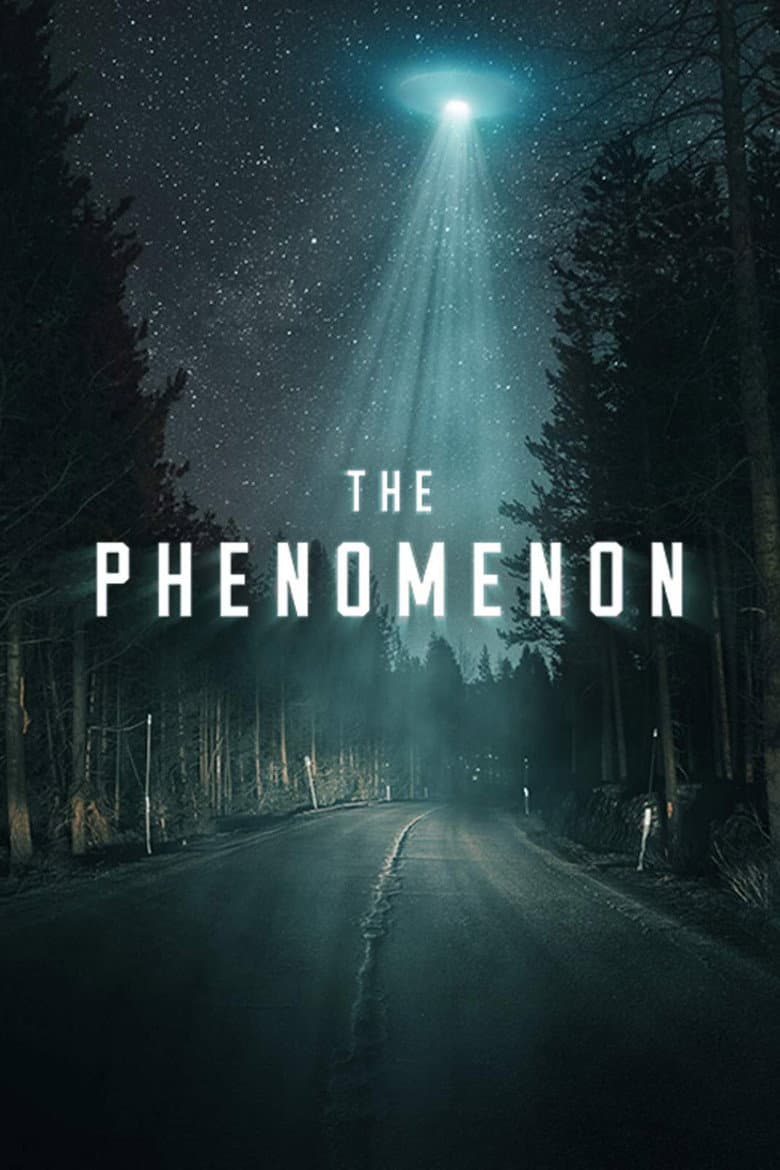
This documentary examines unidentified aerial phenomenon. With testimony from high-ranking government officials and NASA Astronauts, Senator Harry Reid says it "makes the…
Movie · 2016
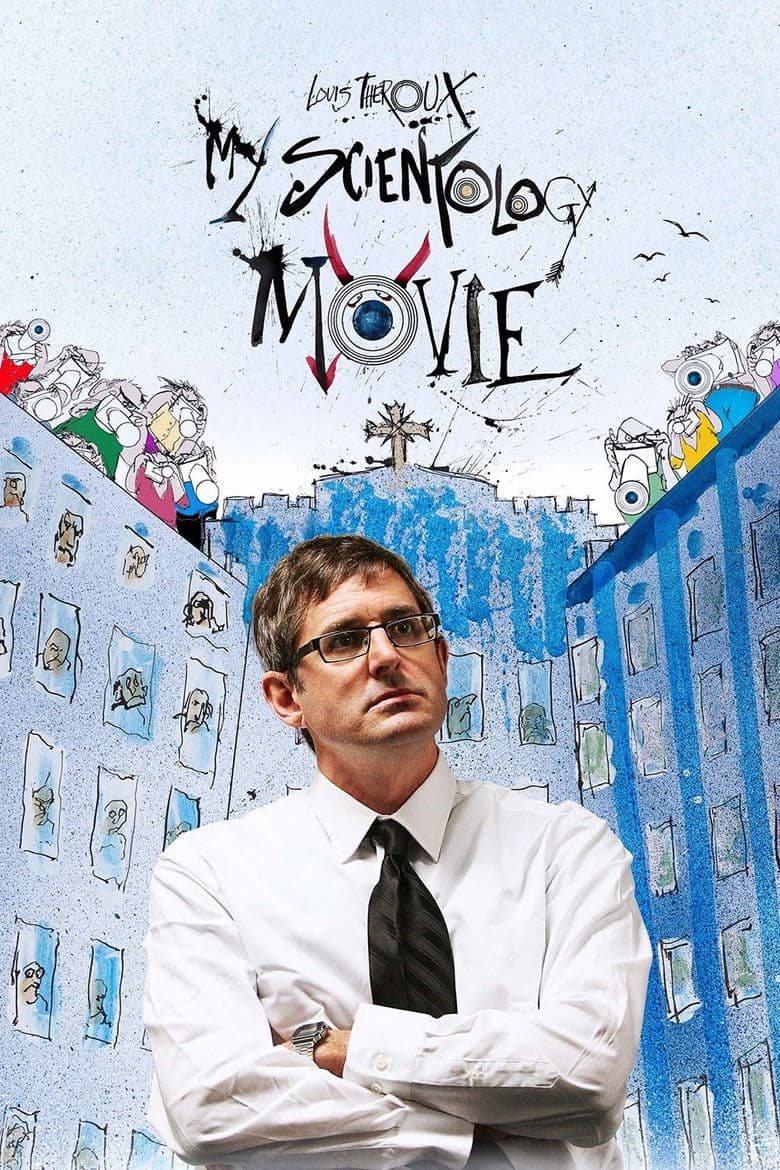
After being denied access to the Church of Scientology's headquarters, documentarian Louis Theroux teams up with ex-Scientology official Marty Rathbun to stage re-enactments of…
Movie · 2022
In the aftermath of George Floyd’s death, the media concocted a narrative that justified a summer of worldwide riots and helped contribute to the rise of Black Lives Matter who…
Movie · 2025
The individual journeys of the four members of the band, as they move through the music scene of the 1960s, playing small clubs throughout Britain and performing some of the…
