
Marina Hess leaves a psychiatric hospital after spending fifteen years there for stabbing a classmate as a child. She moves in with her sister Alice and young nephew Bryce in a quiet American town. Bryce becomes fascinated by the Mercy Black legend, and Marina fears that the masked spirit has returned. The film mixes family drama, guilt, violent memories, and supernatural suspense.
Most important roles belong to women and girls, and the story keeps its attention on their choices, pain, and blame. Marina must face the harm she caused while trying to protect Bryce, so the film does not present her as a simple hero. The film repeatedly asks what happens when children are not believed and when adults hide a terrible past. The gender focus stays tied to guilt, family, and fear inside a dark ghost story.
Community feedback
Was our 22% Woke rating accurate?
Breakdown
These are the editorial factors and ratings behind our score for Mercy Black.
Woke representation / casting
The movie gives nearly all important roles to women and girls, with only one adult man in the main group. The story explains much of this choice because the crime and its aftermath center on three girls and their female relatives. The director also presented the project as being driven by fierce women and said the female-heavy team shaped the film’s ideas about who gets believed. The pattern is noticeable, but it is not a broad diversity design or a set of unearned female power roles.
28%
Woke political dialogue
Not present. The spoken lines deal with guilt, belief, mental illness, family danger, and a ghost story. They do not push modern identity, DEI, gender-role, or activist ideas.
0%
Identity-driven story themes
The story centers on girls and women who carry guilt, face blame, and struggle to be believed. Marina’s return makes the question of whether people believe a child part of the main conflict. The film treats this as a family and trauma problem, while its female-centered point of view gives the theme a mild identity-driven edge. The women are not shown as flawless winners because Marina and Lily both cause serious harm.
20%
Western institutional / cultural critique
Not present. The film shows a psychiatric hospital, therapy, and the difficulty of returning home after confinement. It does not turn those places into a modern attack on Western institutions, religion, family, or traditional social rules.
0%
Woke character or canon changes
Not relevant. The movie uses fictional characters and a fictional monster while drawing on real cases. It does not change an established character or historical figure to make an identity point.
0%
Anti-woke backlash and complaints
Not present. The separate X pass found no anti-woke complaints, boycotts, or review-bombing. Wider reviews and audience posts mainly argued about pacing, scares, acting, and the film’s use of the Slender Man case. The reported complaint was about possible exploitation of real trauma, not about woke or identity-driven messaging.
0%
Creator track record context
The director’s public work is mainly tied to horror, writing, and film craft, with no clear activist pattern. Most producers also have careers centered on genre film production. Seth Caplan has queer-related work in his background, and Amey René has cast some LGBTQ-centered projects. Those links give a mild context signal, but the wider team does not show a strong identity-driven record.
16%
Production
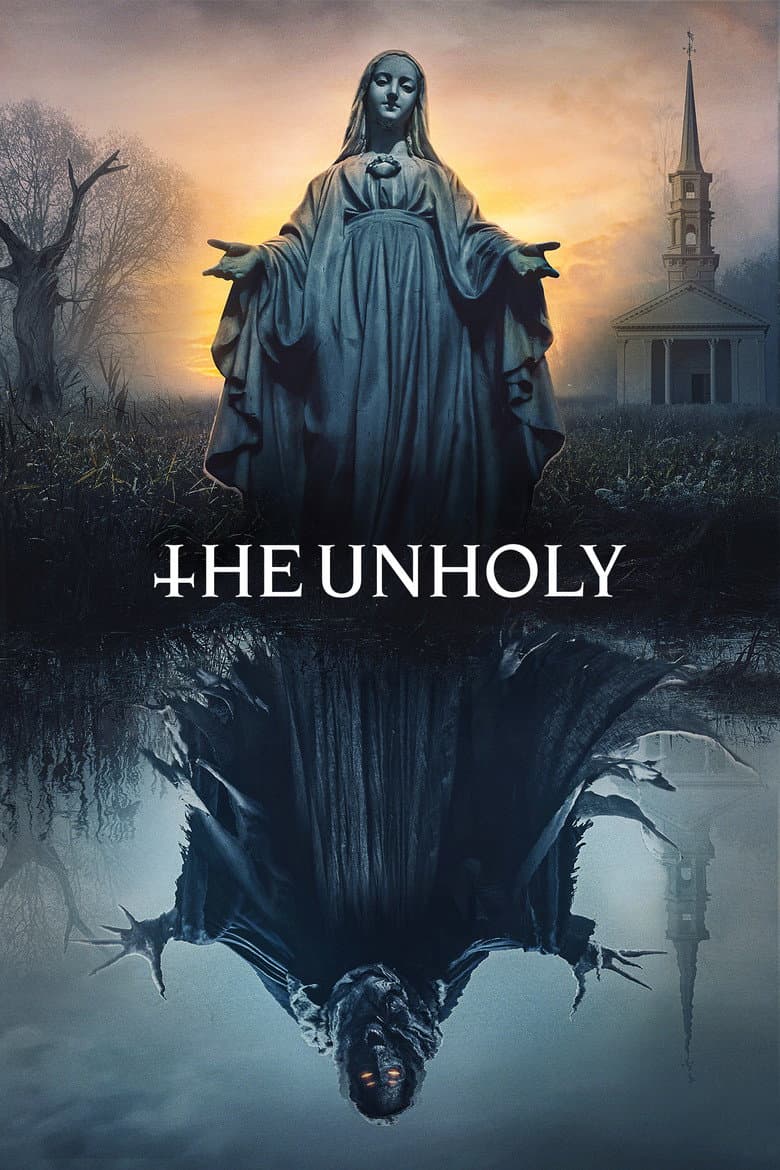
Movie · 2021
Alice is a young hearing-impaired girl who, after a supposed visitation from the Virgin Mary, is inexplicably able to hear, speak and heal the sick.
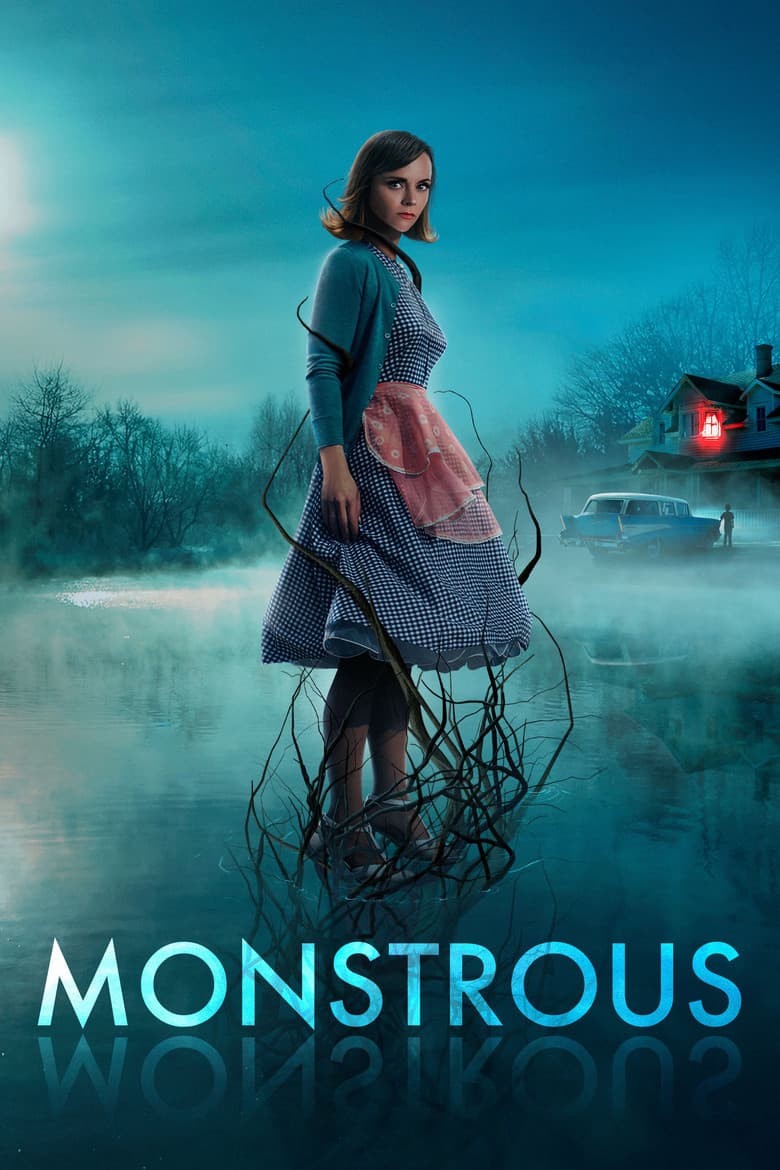
Movie · 2022
Laura, traumatized by an abusive relationship, runs away from her former husband with her seven-year-old son Cody.

Movie · 2021
Paranormal investigators Ed and Lorraine Warren encounter what would become one of the most sensational cases from their files.
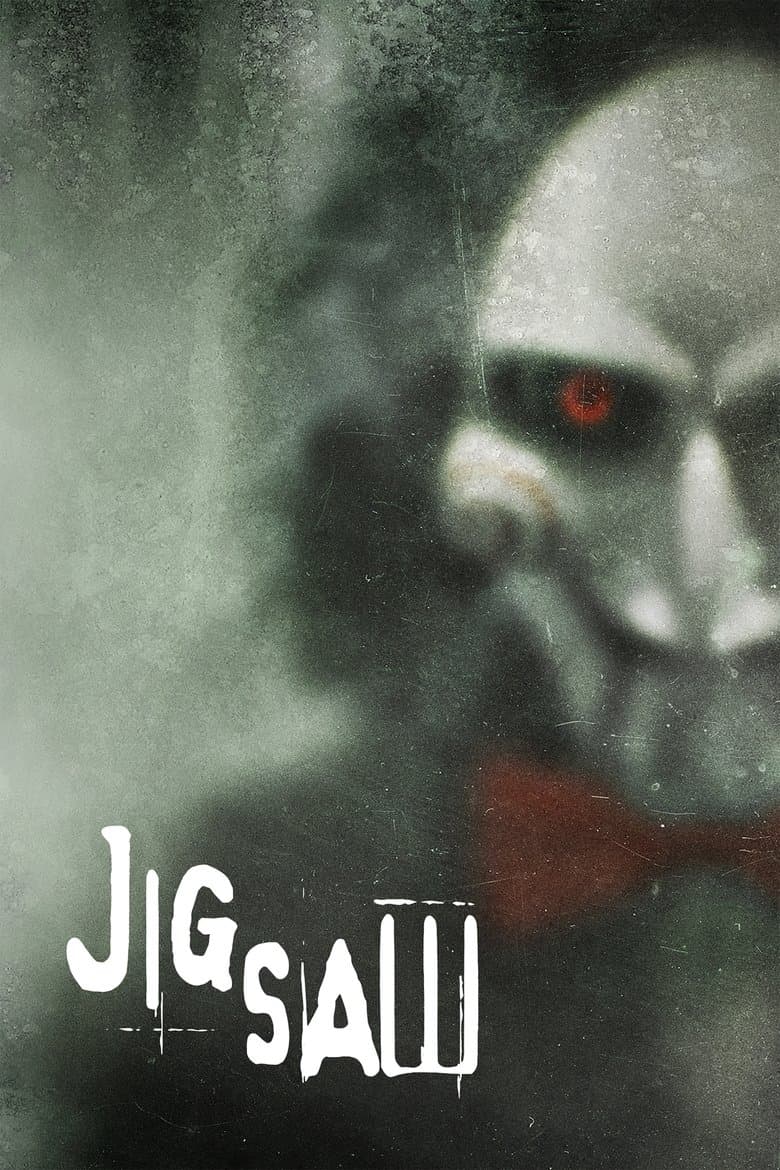
Movie · 2017
Law enforcement finds itself chasing the ghost of a man dead for over a decade, embroiled in a diabolical new game that's only just begun.
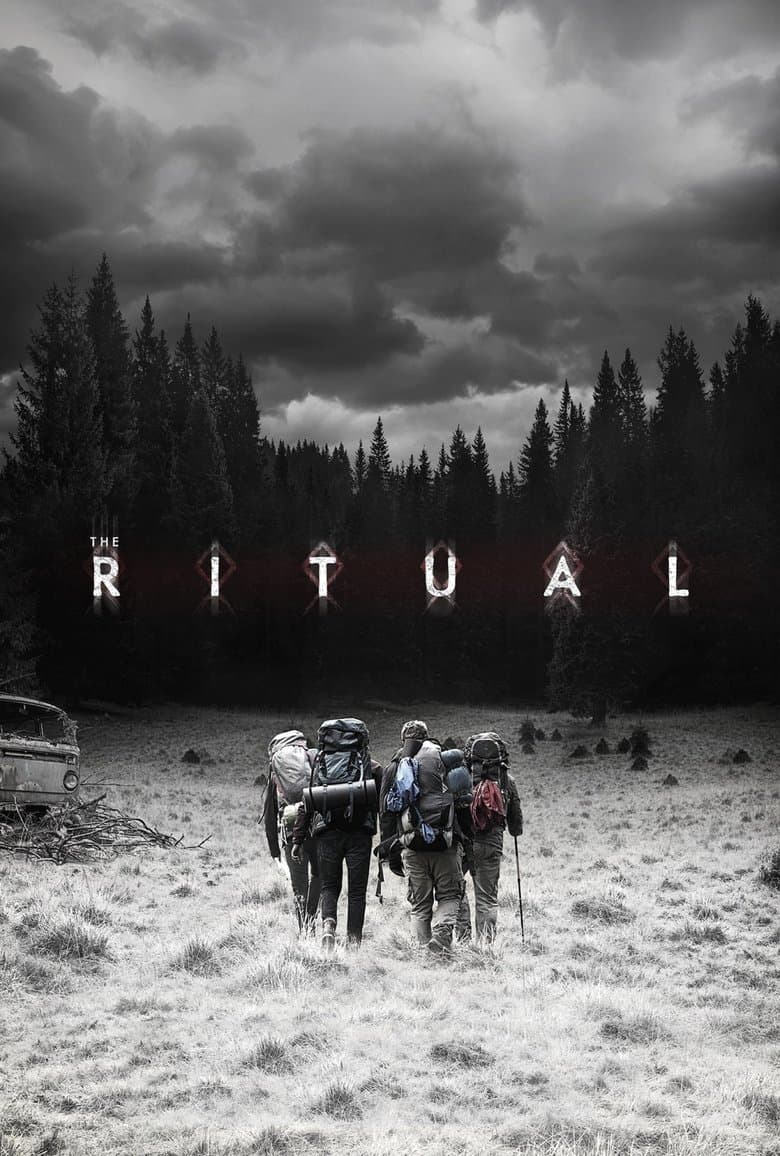
Movie · 2017
A group of college friends reunite for a trip to the forest, but encounter a menacing presence in the woods that's stalking them.
Movie · 2016
A stranger arrives in a little village and soon after a mysterious sickness starts spreading. A policeman is drawn into the incident and is forced to solve the mystery in order to…
Movie · 2017
Twenty years after three teenagers disappeared in the wake of mysterious lights appearing above Phoenix, Arizona, unseen footage from that night has been discovered, chronicling…
Movie · 2021
A lone drifter suffering from partial memory loss accepts a job to look after a psychologically troubled woman in an abandoned house on an isolated island.
