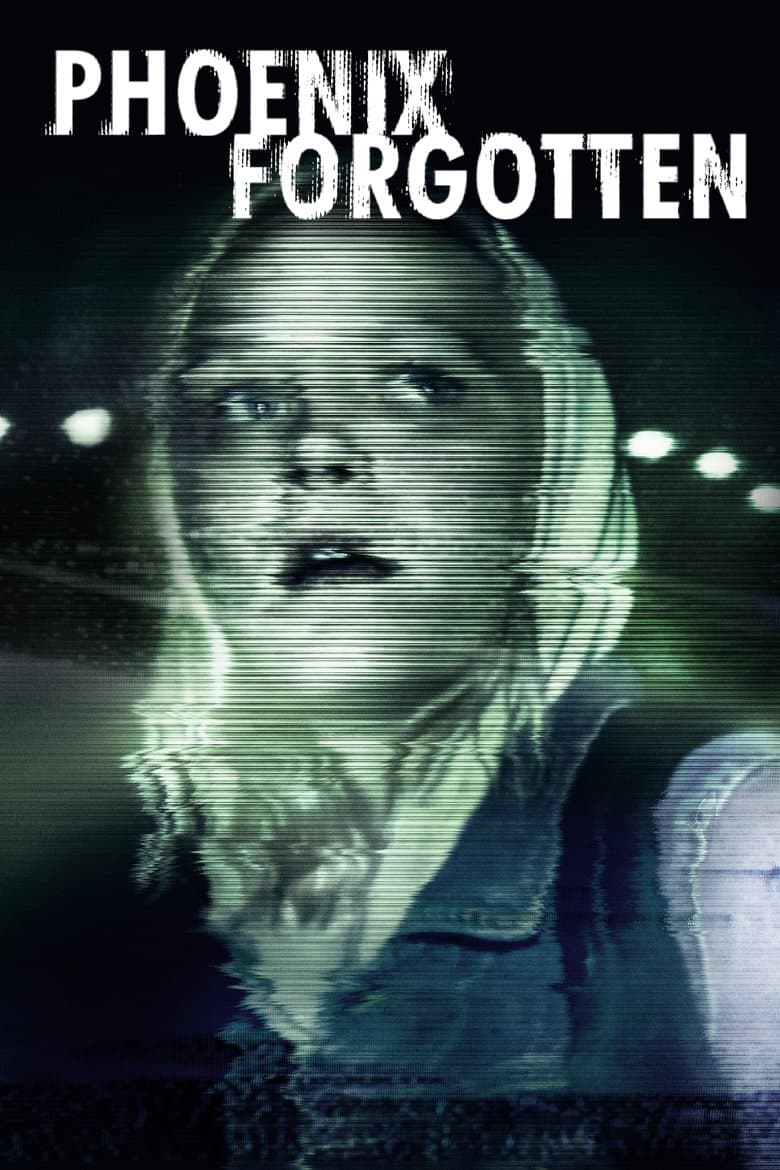
Phoenix Forgotten follows Sophie Bishop, a young documentary maker who returns to Phoenix, Arizona, twenty years after her brother Josh and his friends vanished. The three teenagers had gone into the desert to record strange lights linked to the 1997 Phoenix Lights event. Sophie interviews family members, witnesses, police officers, and military staff while she searches for answers. The movie uses old video tapes, news clips, and new interviews to create a slow, uneasy found-footage horror story.
The story focuses on grief, family pain, teenage curiosity, and the fear of chasing an answer too far. Josh, Ashley, and Mark begin as friends who want proof of UFOs, but their trip turns into a fight to survive in an empty desert. Sophie finds a lost tape that shows the last part of their journey and points toward a frightening encounter. The movie also suggests that military officials know more about the lights than they admit, so the mystery ends with distrust as well as fear.
Community feedback
Was our 3% Woke rating accurate?
Breakdown
These are the editorial factors and ratings behind our score for Phoenix Forgotten.
Woke representation / casting
Not present. Sophie is a female documentary maker and Ashley is a student reporter, but their jobs serve the plot. The film does not present casting as a diversity statement or make identity part of the conflict.
0%
Woke political dialogue
Not present. The film does not use identity, gender, DEI, or activist speeches. Its talk about UFOs, missing people, and military secrecy serves the mystery.
0%
Identity-driven story themes
Not present. The story focuses on grief, curiosity, UFO belief, and family loss. It does not make race, sex, sexuality, or modern identity politics a central theme.
0%
Western institutional / cultural critique
Not present. The military and local officials appear secretive about the lights, but the film uses that as a UFO mystery rather than a modern activist attack on Western institutions.
0%
Woke character or canon changes
Not relevant. The movie is an original fictional story built around a real UFO sighting. It does not change an established character, franchise canon, or real person’s identity.
0%
Anti-woke backlash and complaints
Not present. No available anti-woke complaint says the film pushes DEI, identity politics, or activist ideas. The supplied X pass and broader search found discussion about UFOs and film quality instead.
0%
Creator track record context
Justin Barber has a low-to-mild cached score because some earlier work touches race, class, and city change. That record does not show a sustained activist or DEI campaign. T.S. Nowlin and most producers have little or no woke public record. Sharon Chazin Lieblein has a diversity-focused career role, which adds limited context.
14%
Production
Movie · 2017
The six-member crew of the International Space Station is tasked with studying a sample from Mars that may be the first proof of extra-terrestrial life, which proves more…
Movie · 2016
A stranger arrives in a little village and soon after a mysterious sickness starts spreading. A policeman is drawn into the incident and is forced to solve the mystery in order to…
Movie · 2018
The crew of a horror web series travels to an abandoned asylum for a live broadcast, but they encounter much more than expected as they move deeper inside the nightmarish old…
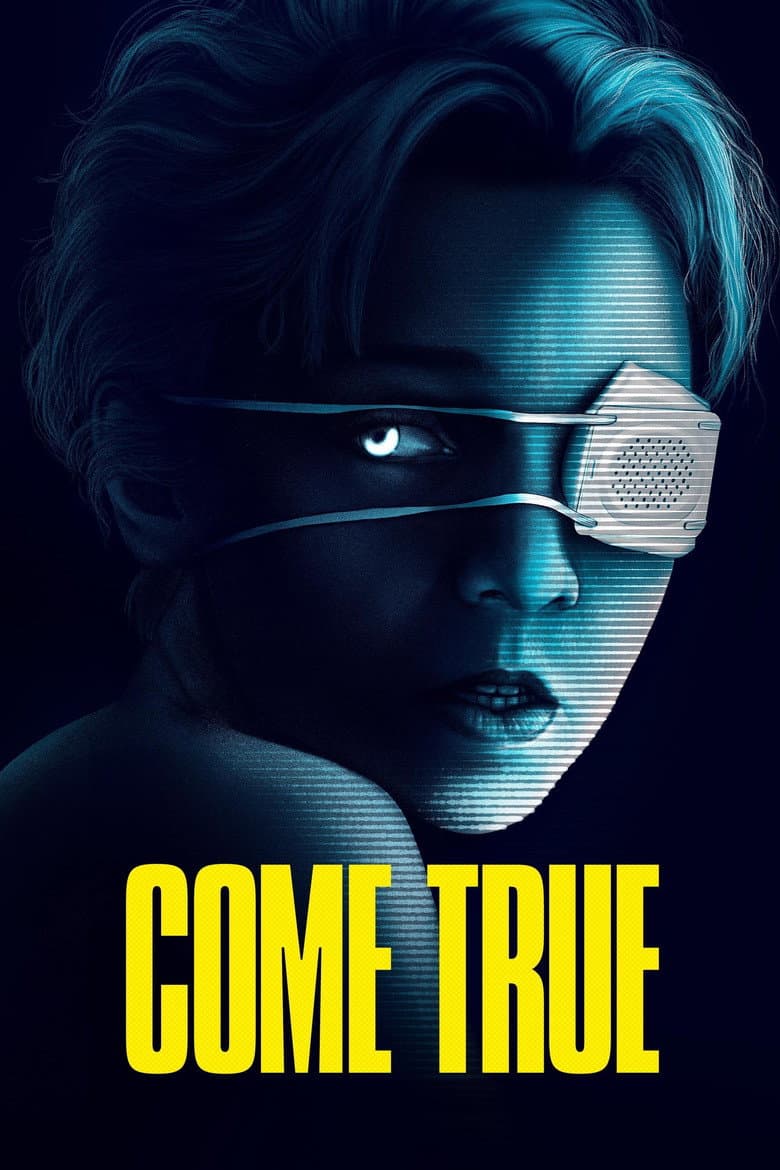
Movie · 2020
Looking for an escape from her recurring nightmares, 18-year-old Sarah submits to a university sleep study, but soon realizes she's become the conduit to a frightening new…
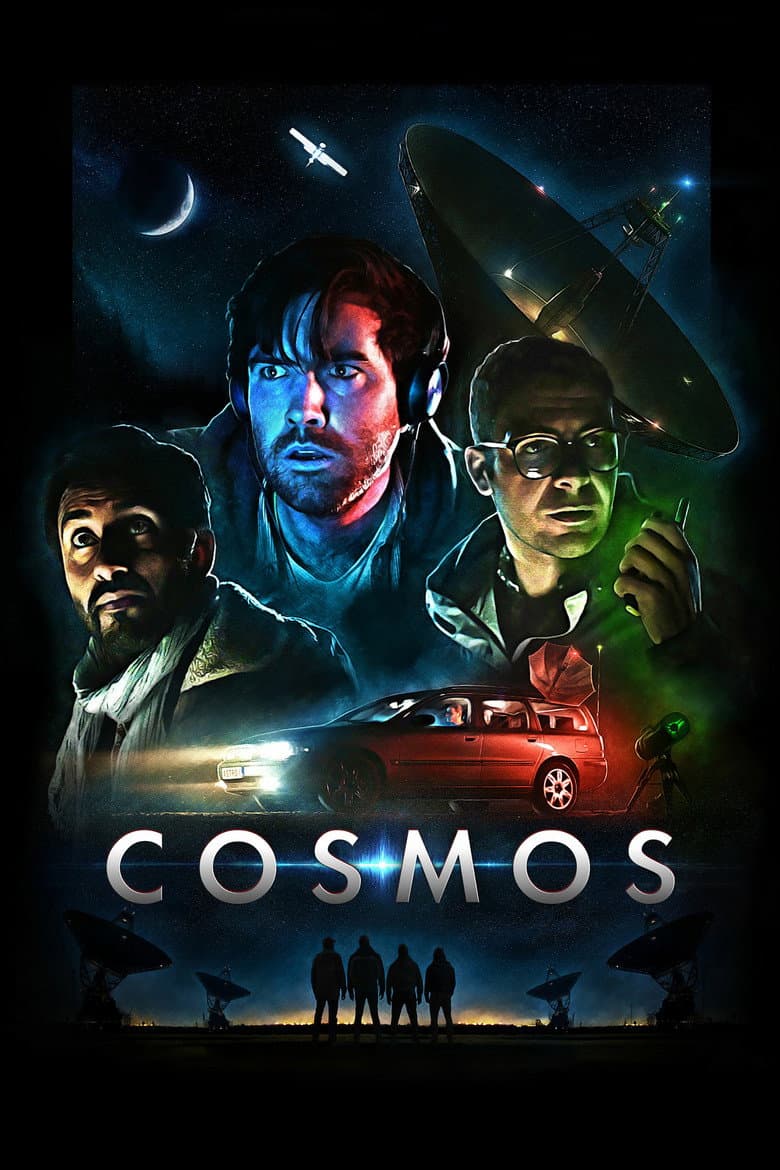
Movie · 2019
Three astronomers accidentally intercept what they believe to be a signal from a distant alien civilization, but the truth is even more incredible than any of them could have…
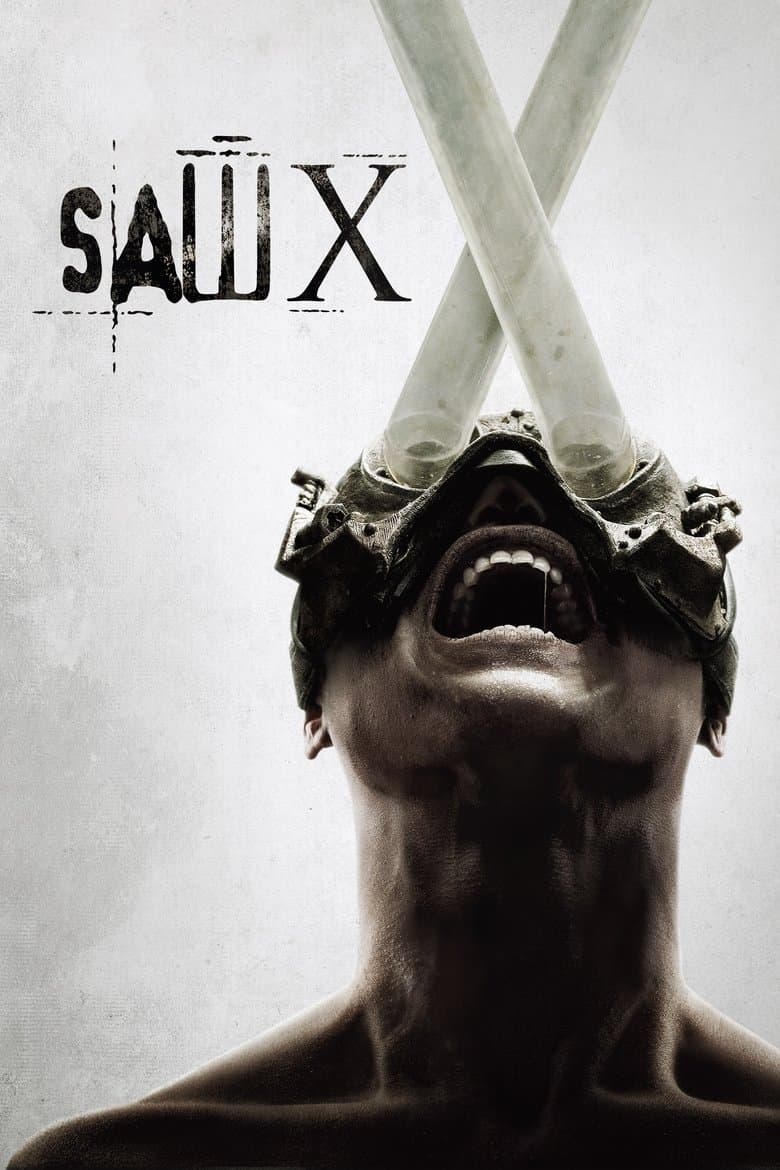
Movie · 2023
Between the events of 'Saw' and 'Saw II', a sick and desperate John Kramer travels to Mexico for a risky and experimental medical procedure in hopes of a miracle cure for his…

Movie · 2022
A brilliant toy company roboticist uses artificial intelligence to develop M3GAN, a life-like doll programmed to emotionally bond with her newly orphaned niece.
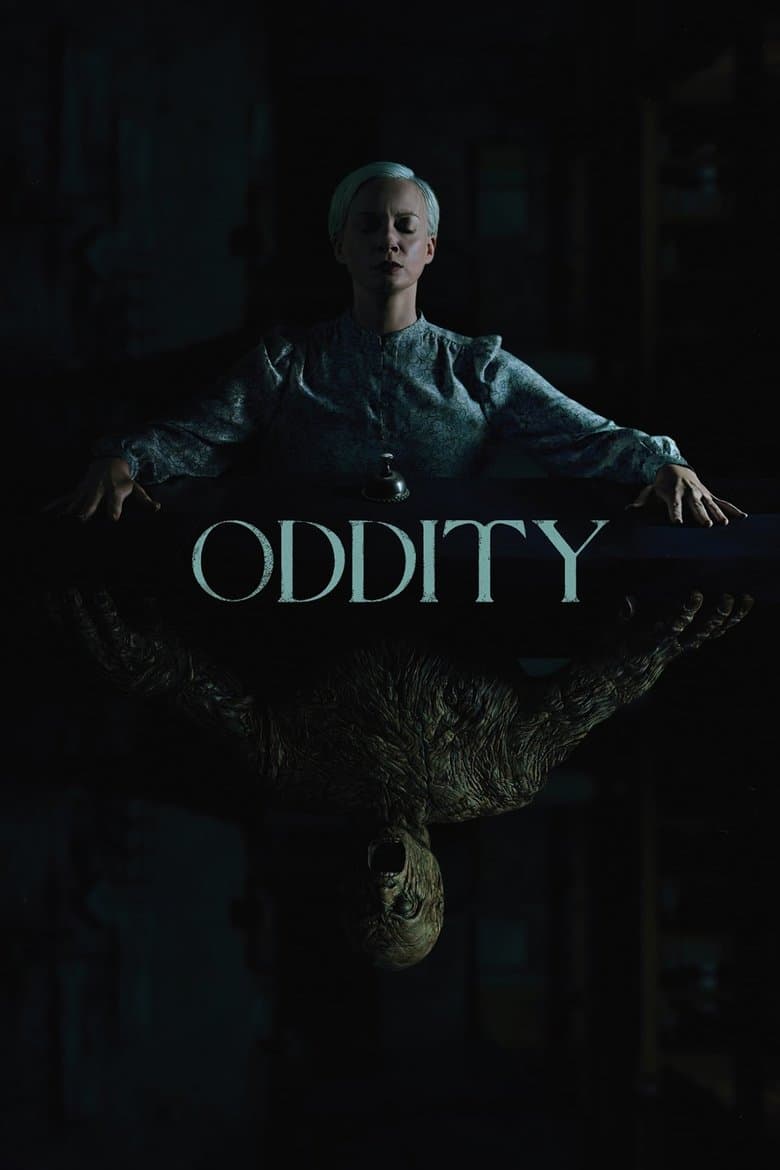
Movie · 2024
After the brutal murder of her twin sister, Darcy goes after those responsible by using haunted items as her tools for revenge.
