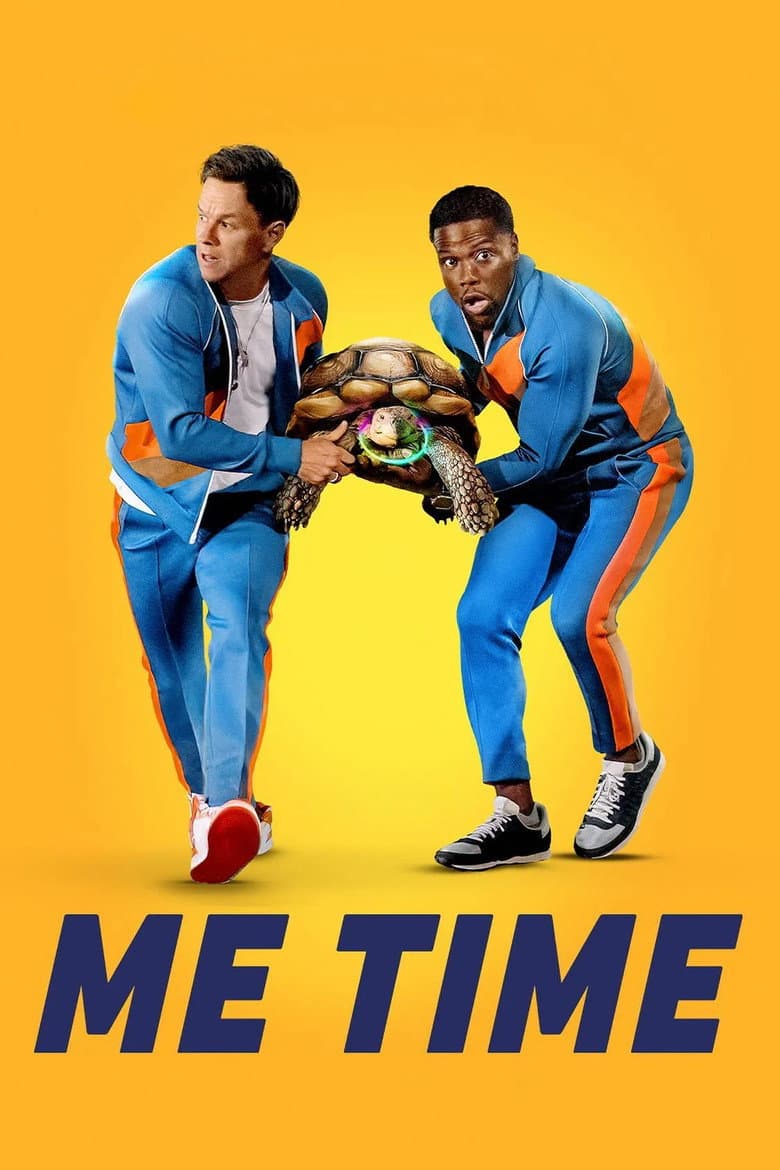
Sonny Fisher is a stay-at-home father in Sherman Oaks who spends nearly all his time caring for his two children. His wife, Maya, is a successful architect who earns the family’s main income, and their different roles leave both adults tired and unsure of themselves. When Maya takes the children to visit her parents, Sonny tries to enjoy a quiet week but soon joins Huck, his reckless childhood friend, at a huge birthday party in the desert. The weekend brings drinking, dangerous stunts, a mountain lion, a loan shark, a damaged home, and a badly planned party, so the movie keeps a loud and crude comedy tone.
The story repeatedly asks whether a man can be proud of caring for children while his wife leads a career. Sonny feels pressure from other fathers and from his own fear that he is no longer a provider, while Maya must balance work with being a mother. The film treats their role reversal as a healthy family choice and gives Sonny a speech about the value of stay-at-home fathers. It also includes gay and lesbian parents at the school and a visibly mixed group of supporting characters, but those elements stay on the edge of the main plot. The main themes are family duty, male insecurity, friendship, and learning to let children choose their own path.
Community feedback
Was our 34% Woke rating accurate?
Breakdown
These are the editorial factors and ratings behind our score for Me Time.
Woke representation / casting
The film centers a black husband and a black wife in its main family. The main group also includes a white party leader, a Latino client, an Asian loan shark, and an Israeli henchwoman. These choices create a visibly mixed cast in important roles. The story does not present the casting as a political statement.
18%
Woke political dialogue
The dialogue gives brief support to a father running the home while a mother builds a career. Sonny gives a final speech defending the value of stay-at-home fatherhood. The film also shows acceptance of gay and lesbian parents at the school. The movie has no debate about elections, parties, or government.
14%
Identity-driven story themes
The story centers a black stay-at-home father whose wife earns the family income. The family conflict repeatedly asks viewers to respect a man who chooses care work while a woman leads a career. Sonny’s final school speech defends the value of his role and his family accepts his change. The film also treats gay and lesbian parents as part of normal school life, but that point is brief.
35%
Western institutional / cultural critique
The movie repeatedly pokes at the old idea that men should be providers and women should handle the home. Other fathers tease Sonny for staying home, while Maya is shown as the stronger career worker. The film presents those old expectations as unfair and treats the family’s role swap as healthy. It does not attack churches, capitalism, or other major Western institutions.
30%
Woke character or canon changes
Not relevant. The movie is an original comedy about Sonny, Huck, and the Fisher family. It does not change established characters, canon, or real people.
0%
Anti-woke backlash and complaints
A small number of online viewers called the film “woke” or said it used virtue signaling. Their complaints focused on the stay-at-home father, gender-role reversal, and diverse characters. Most public reaction focused on weak jokes, poor story, and the stars rather than politics. The anti-woke reaction appears limited and fringe.
15%
Creator track record context
John Hamburg’s public career is built around mainstream comedy, with no known activist record. Kevin Hart has supported some social causes but has also defended unfiltered comedy. The other listed producers and casting director are mainly entertainment professionals, with Bryan Smiley’s multicultural pipeline work as the main identity-related signal. This context adds only a mild signal.
12%
Production
Movie · 2018
Adam Sandler takes his comical musical musings back out on the road, from comedy clubs to concert halls to one very unsuspecting subway station.
Movie · 2016
Two teenage boys from inner-city Cork steal bicycles and ride off on a 160km quest to find an unrecovered bale of cocaine worth 7,000,000 euros.
Movie · 2023
A chaotic intervention. An action-packed stay in rehab. After a weird couple of years, John Mulaney comes out swinging in his return to the stage.
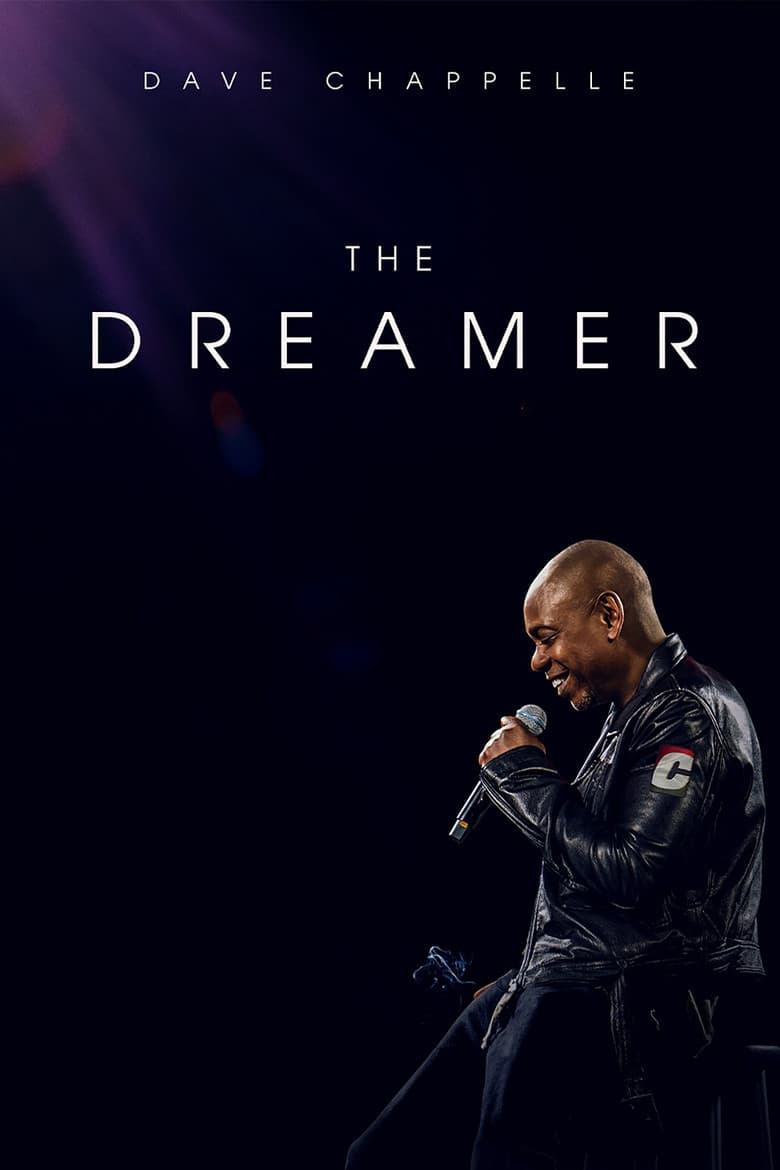
Movie · 2023
From his onstage tackle to the slap heard round the world, Dave Chappelle lets loose in this freewheeling and unfiltered stand-up comedy special.
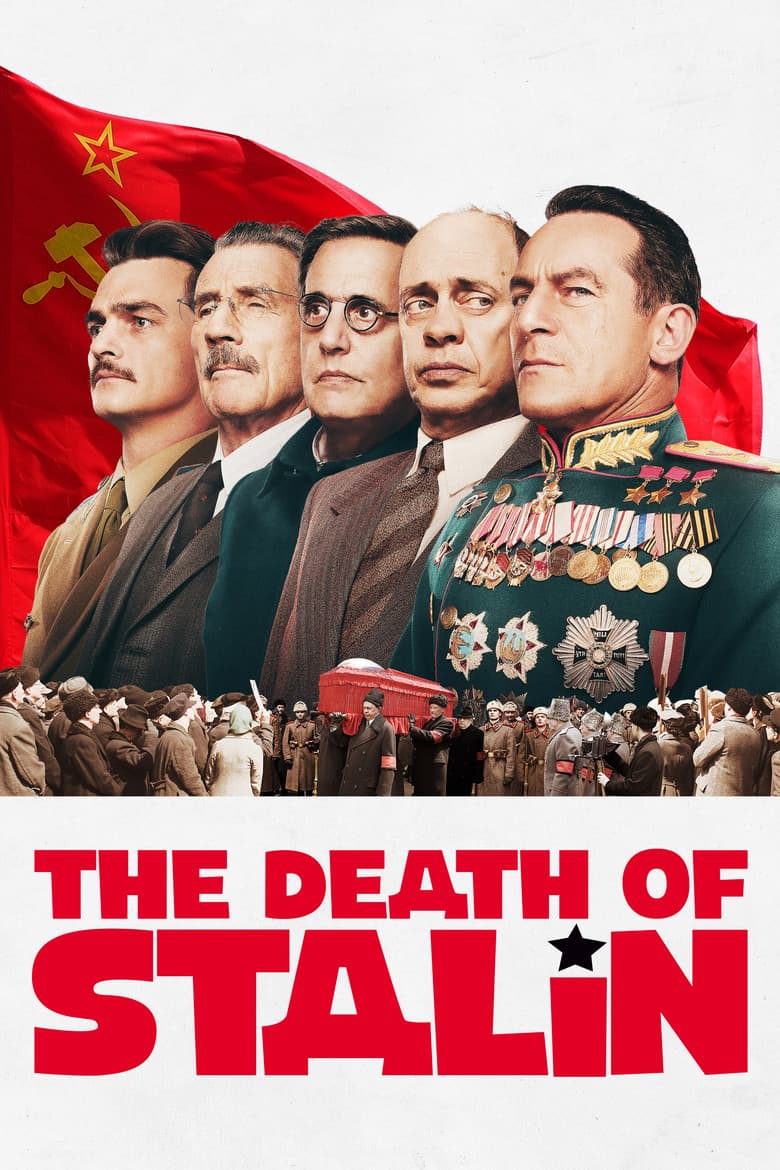
Movie · 2017
When dictator Joseph Stalin dies, his parasitic cronies square off in a frantic power struggle to become the next Soviet leader.
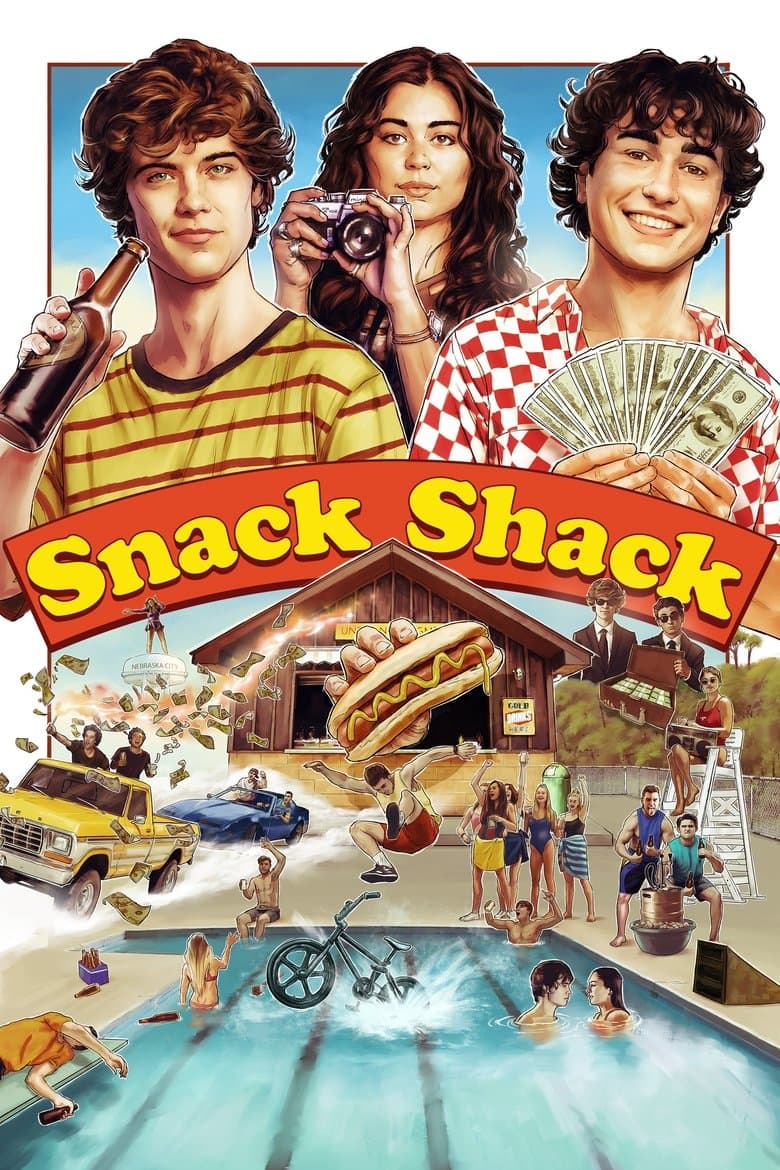
Movie · 2024
Inseparable best friends AJ and Moose decide to run the local pool's snack shack after their plan to sell home-brewed beer goes down the drain.

Movie · 2022
Exploring every facet of ‘Weird Al’ Yankovic’s life, from his meteoric rise to fame with early hits like ‘Eat It’ and ‘Like a Surgeon’ to his torrid celebrity love affairs and…
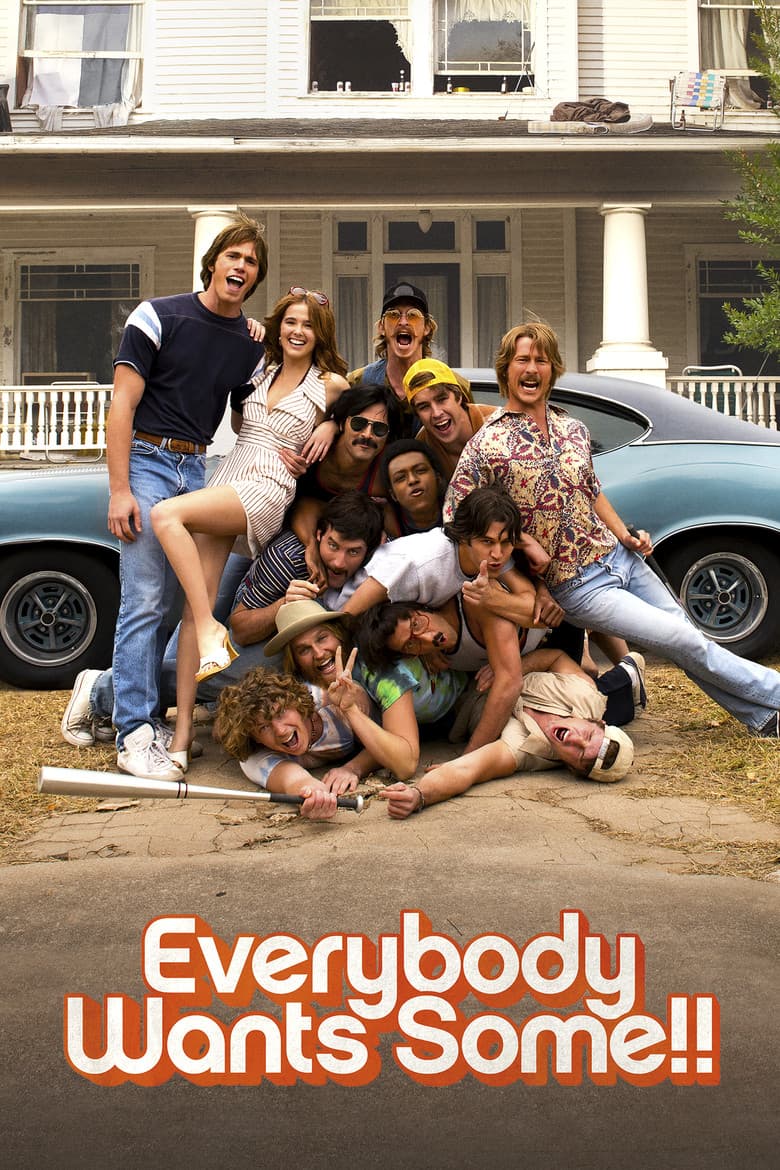
Movie · 2016
A comedy that follows a group of friends as they navigate their way through the freedoms and responsibilities of unsupervised adulthood.
