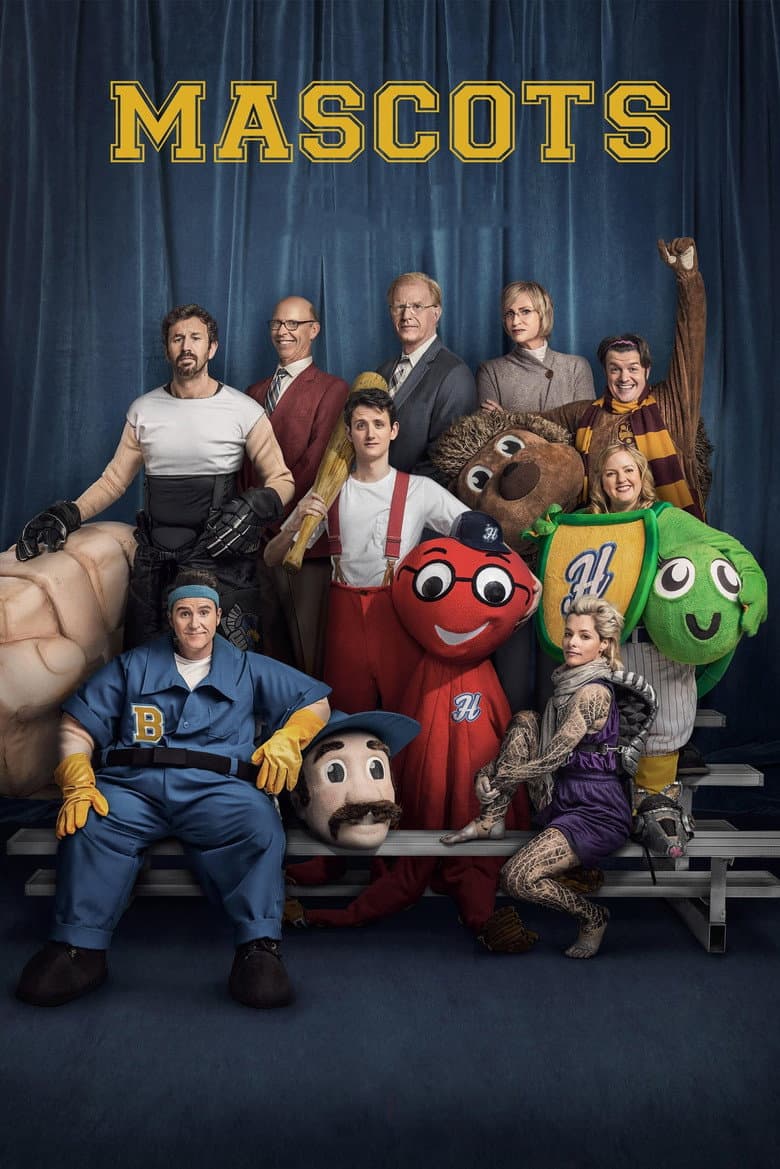
Mascots follows a group of sports mascots who travel to Anaheim, California, for the World Mascot Association championship. Each performer hides inside a large costume while trying to win the Gold Fluffy award. Parker Posey plays Cindi Babineaux, a woman who created Alvin the Armadillo for a small women’s college team. The movie uses dry interviews, awkward contests, and strange personal stories to make a gentle group comedy.
The film gives one clear identity-focused side story to Cindi when judges learn that her college once used the name Leaping Squaws. The judges quote a rule about race, creed, gender, and sexual orientation, then argue over whether the old name is offensive. The scene also includes jokes about homophobia, native American identity, and who has the right to decide what a word means. These ideas are easy to notice, but the main story stays focused on rivalry, fame, embarrassment, family pressure, and the contestants’ wish to be seen.
Community feedback
Was our 33% Woke rating accurate?
Breakdown
These are the editorial factors and ratings behind our score for Mascots.
Woke representation / casting
Not present. The ensemble has men and women in ordinary mascot roles, and the women’s college setting explains Cindi’s team. The film does not frame these casting choices as a diversity message.
0%
Woke political dialogue
The judges cite a rule that bans mascots tied to offense based on race, creed, gender, or sexual orientation. The hearing debates whether the old word “Squaws” is a slur and calls the word “leaping” homophobic. The characters also discuss native American identity and ask who should judge the term. This is one long comic scene, while the rest of the film stays focused on mascot contests.
34%
Identity-driven story themes
Cindi faces possible removal from the contest because her college once used the name Leaping Squaws. The judges connect the old team name to race, cultural offense, and native identity. The story also includes a brief joke about homophobia and sexual orientation. The identity material matters to Cindi’s contest path, but it remains one side story in an ensemble comedy.
33%
Western institutional / cultural critique
The World Mascot Association uses a formal rule about race, creed, gender, and sexual orientation. The judges struggle with the rule and make jokes while deciding whether to punish Cindi. The scene pokes fun at modern fights over offensive team names and cultural appropriation. The film does not attack religion, capitalism, family life, or Western institutions across the whole story.
25%
Woke character or canon changes
Not relevant. The film is an original mockumentary about invented mascot contestants. No established character, real historical figure, or source story receives an identity-based change.
0%
Anti-woke backlash and complaints
Not present. The supplied X research found no anti-woke posts, and web reactions did not show a clear complaint that the film pushes DEI or identity politics. Most comments discussed the film’s humor, pacing, and similarity to Guest’s older movies.
0%
Creator track record context
The director’s stored score is 0/100, and the writer’s stored score is 8/100. The stored producer and casting context includes mild diversity signals from Netflix work and inclusion-minded casting discussion. The title-specific interviews focus on hidden performers, odd hobbies, and improvised comedy rather than activist goals.
18%
Production
Movie · 2016
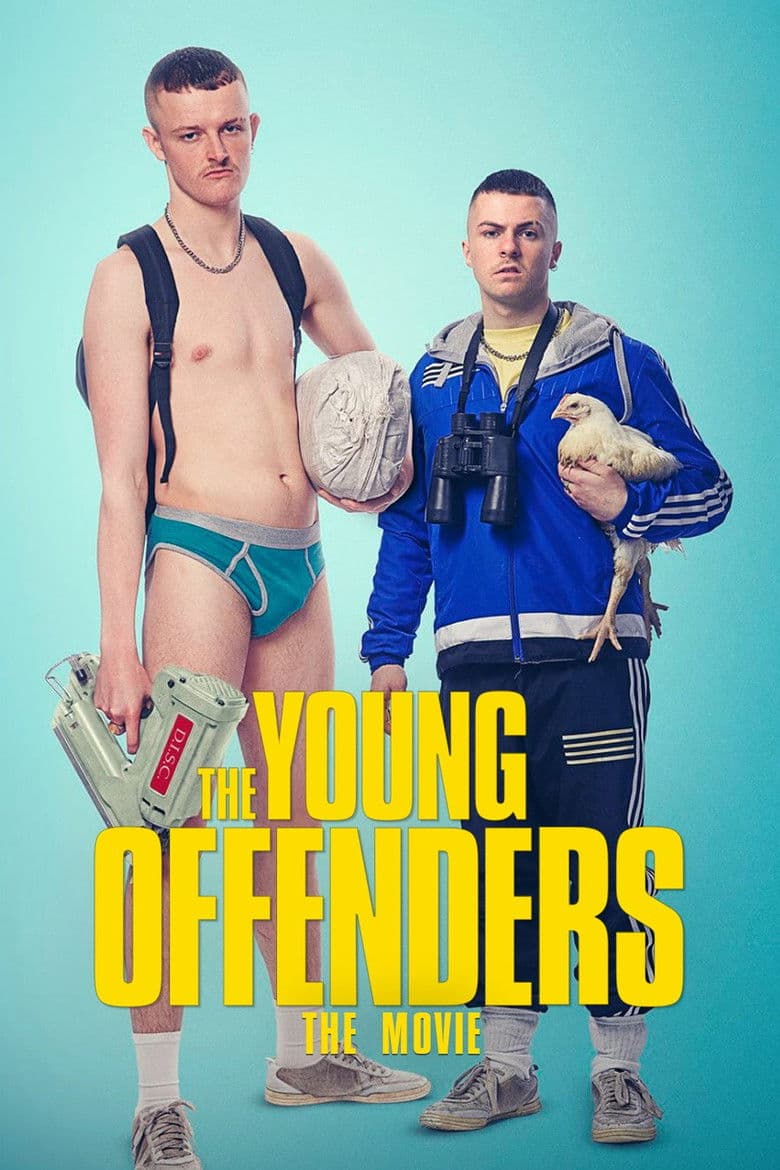
Two teenage boys from inner-city Cork steal bicycles and ride off on a 160km quest to find an unrecovered bale of cocaine worth 7,000,000 euros.
Movie · 2018
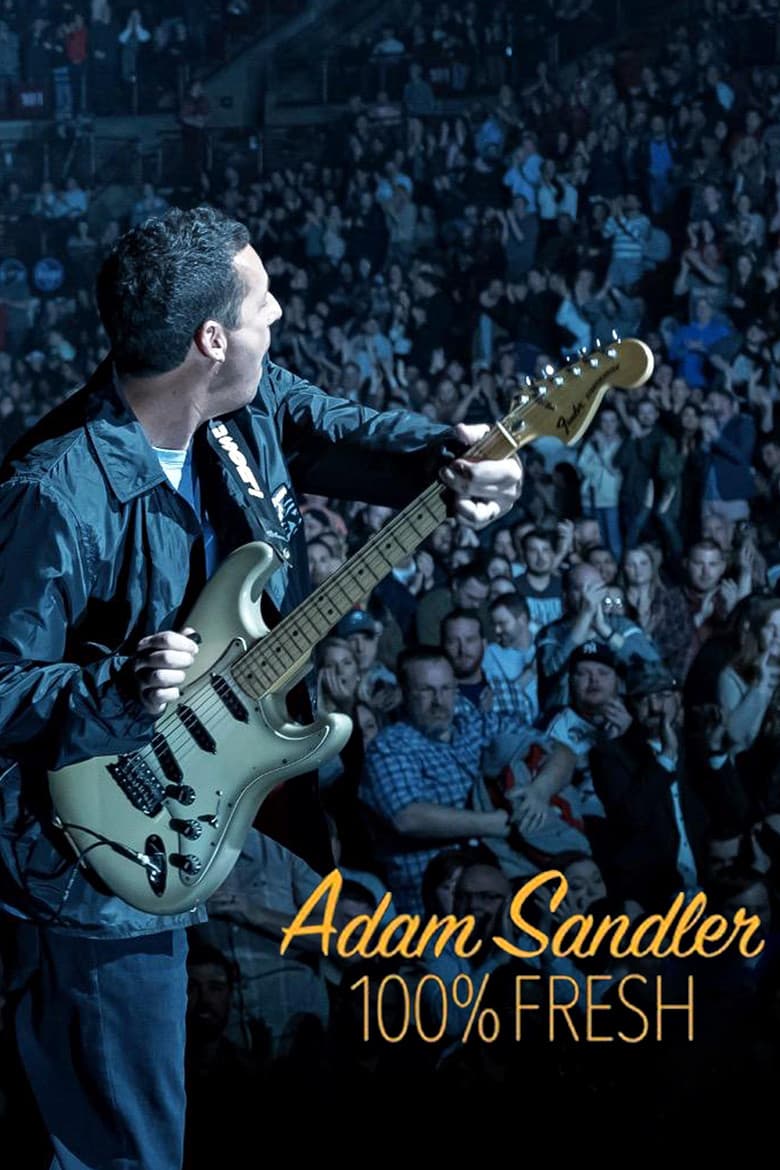
Adam Sandler takes his comical musical musings back out on the road, from comedy clubs to concert halls to one very unsuspecting subway station.
Movie · 2024
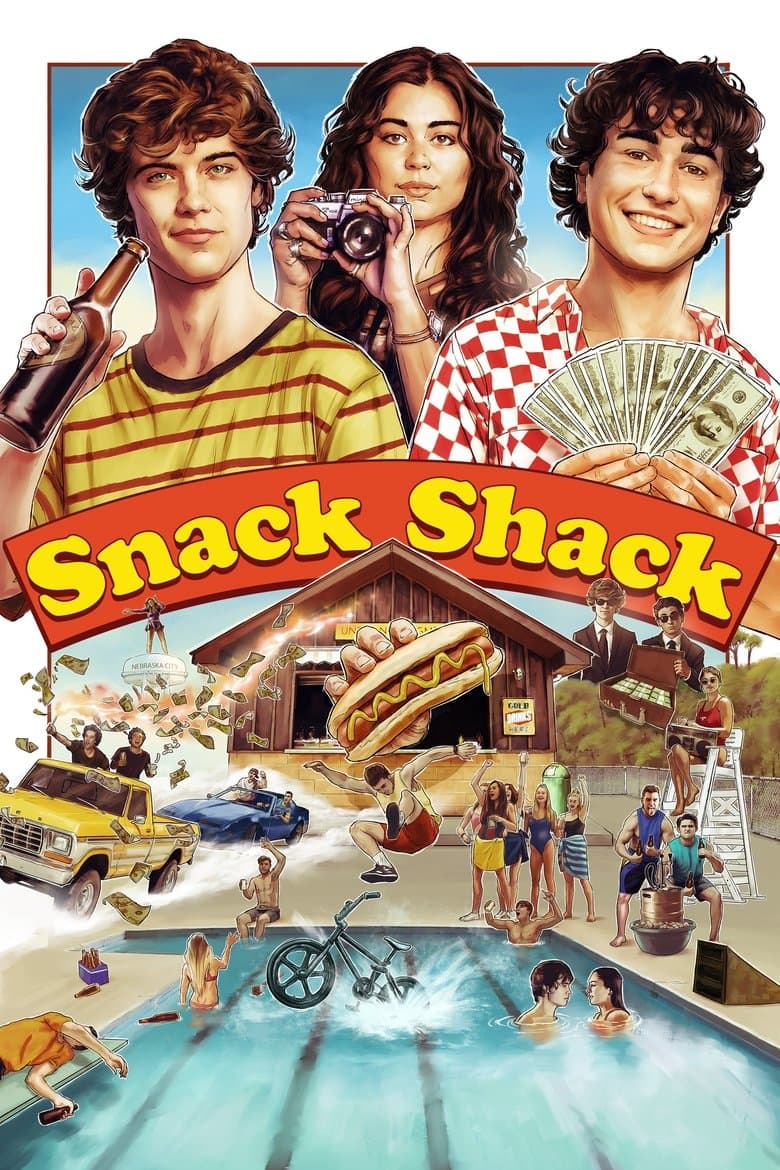
Inseparable best friends AJ and Moose decide to run the local pool's snack shack after their plan to sell home-brewed beer goes down the drain.
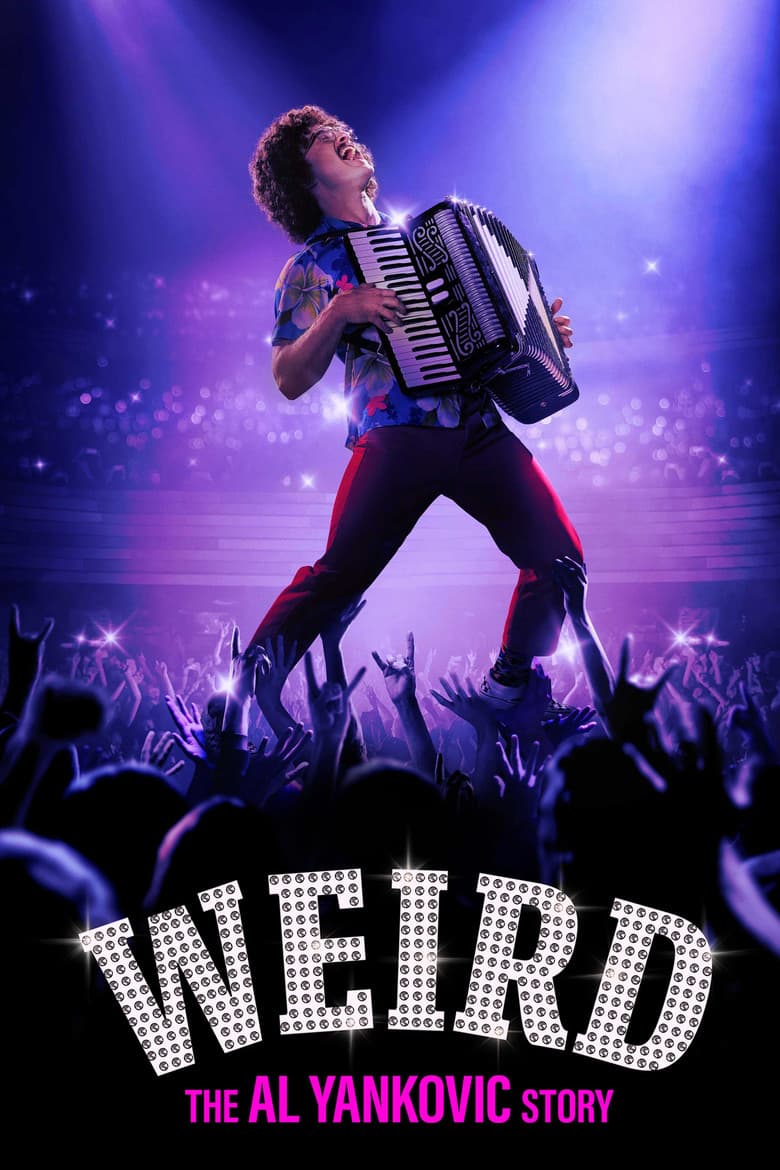
Movie · 2022
Exploring every facet of ‘Weird Al’ Yankovic’s life, from his meteoric rise to fame with early hits like ‘Eat It’ and ‘Like a Surgeon’ to his torrid celebrity love affairs and…
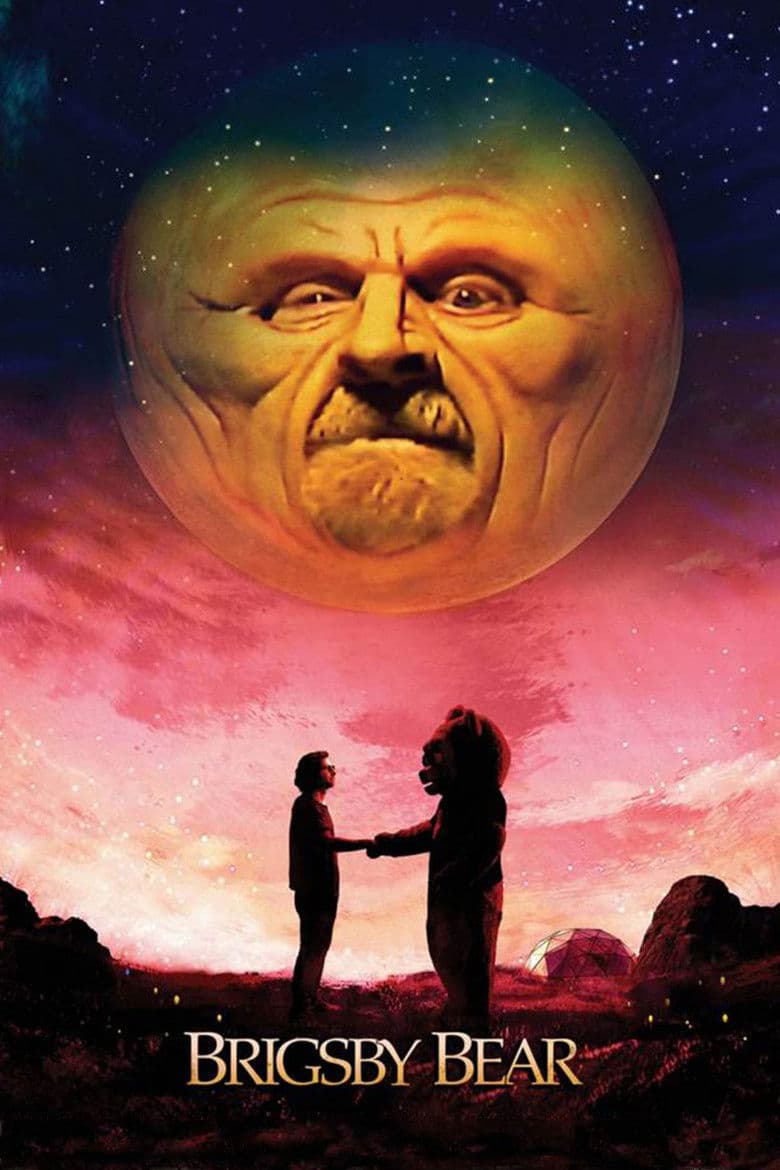
Movie · 2017
Brigsby Bear Adventures is a children's TV show produced for an audience of one: James. When the show abruptly ends, James's life changes forever, and he sets out to finish the…
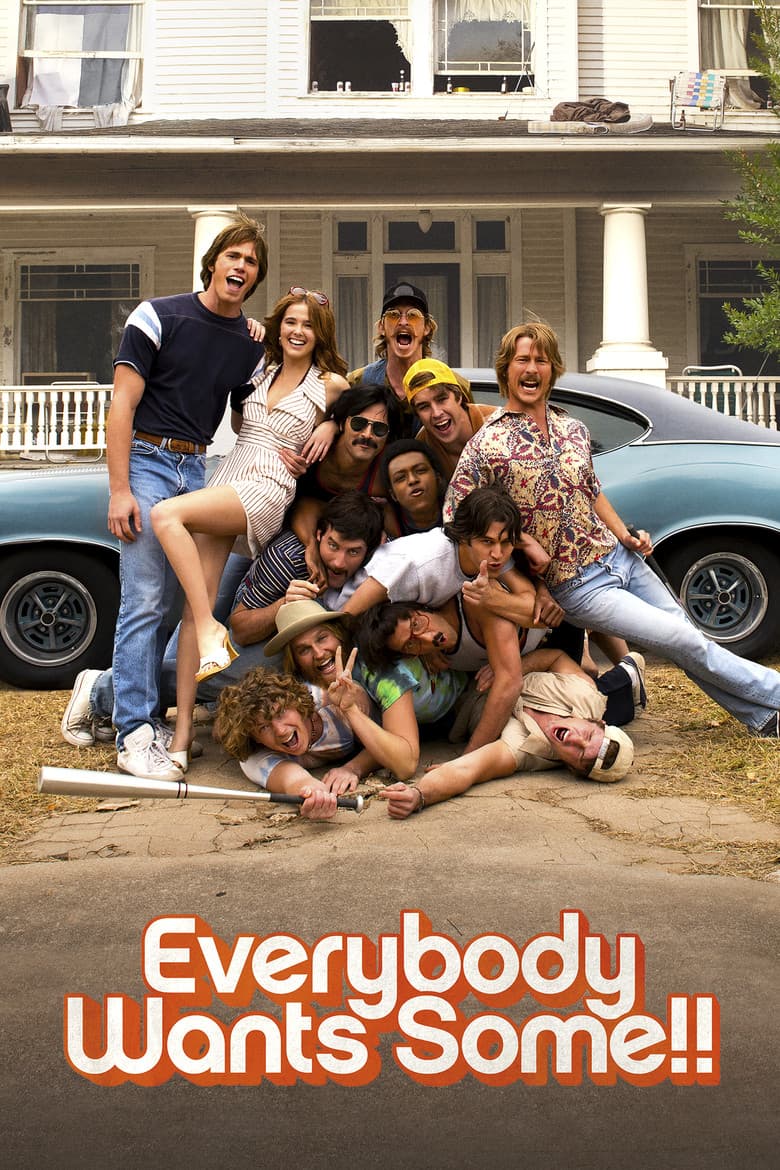
Movie · 2016
A comedy that follows a group of friends as they navigate their way through the freedoms and responsibilities of unsupervised adulthood.
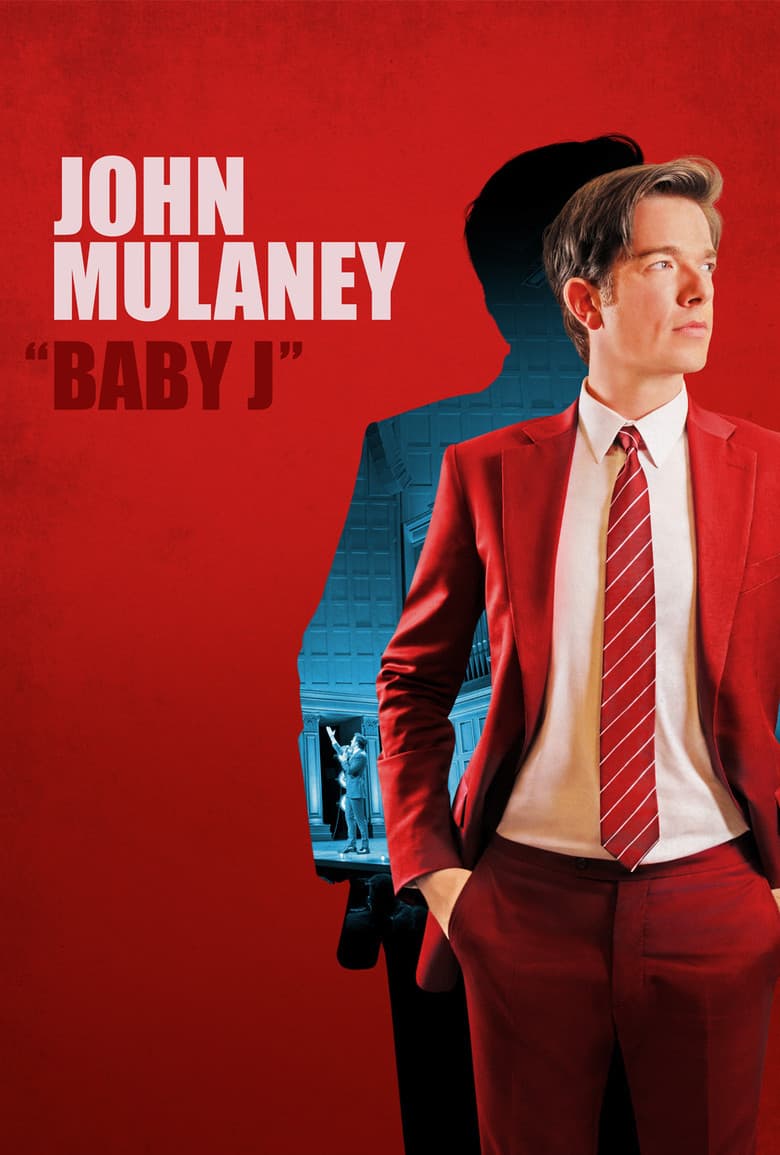
Movie · 2023
A chaotic intervention. An action-packed stay in rehab. After a weird couple of years, John Mulaney comes out swinging in his return to the stage.
Movie · 2023
From his onstage tackle to the slap heard round the world, Dave Chappelle lets loose in this freewheeling and unfiltered stand-up comedy special.
