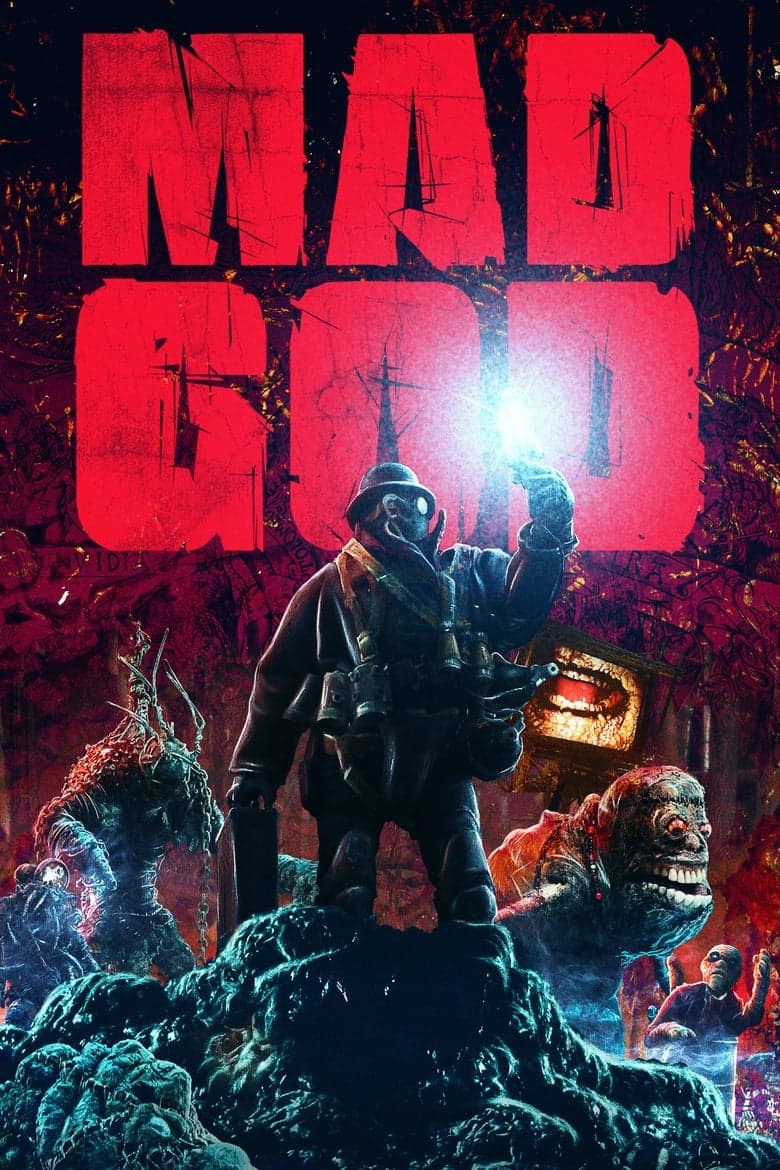
Mad God follows The Assassin, a masked figure who carries a map and a bomb into a ruined world below the surface. He moves through battlefields, dead cities, factories, torture rooms, and strange labs while larger creatures hunt and use smaller ones. The journey becomes a loop of capture, death, rebirth, and destruction. The film feels like a silent nightmare with almost no speech, heavy gore, and grim dark humor.
The movie shows workers made from scraps, endless war machines, and rulers who treat living things as waste. These images give the film a broad anti-war and anti-power message. The opening uses a Leviticus quote and dark Bible images to question a cruel creator, not to teach Christian faith. The main ideas are suffering, death, creation, and the endless return of violence.
Community feedback
Was our 17% Woke rating accurate?
Breakdown
These are the editorial factors and ratings behind our score for Mad God.
Woke representation / casting
Not present. Most visible figures are monsters, puppets, masks, or generic human-like workers. The small live-action cast is incidental and the film does not highlight race, gender, sexuality, or diversity.
0%
Woke political dialogue
Not present. The film has almost no spoken dialogue, so it does not use political speeches or debates. Its ideas come through images and sound.
0%
Identity-driven story themes
Not present. The film does not build character arcs around race, gender, sexuality, or representation. Its named figures serve broad horror roles in a nightmare world.
0%
Western institutional / cultural critique
The film shows workers made from scraps, endless war machines, and bodies treated as raw material. The underworld keeps repeating this picture of large systems using smaller beings. The message attacks industrial power and human cruelty, but it stays broad and bleak. It does not turn the message into a current identity or party campaign.
25%
Woke character or canon changes
Not relevant. The film creates its own characters and world. It does not alter a known character, source, or historical event for identity reasons.
0%
Anti-woke backlash and complaints
Not present. Public reviews and audience posts focus on the visuals, gore, story confusion, and anti-war readings. The research found no meaningful complaint that the film pushes woke, DEI, or identity politics.
0%
Creator track record context
Phil Tippett has a cached score of 18/100 and his relevant work is mainly visual effects and broad political satire. Josh Sobel is a higher-scoring cached producer at 75/100 with queer and identity-focused projects. He is not the writer or director, and this film does not show those themes. The other cached producer scores are low or modest.
20%
Production
Movie · 2025
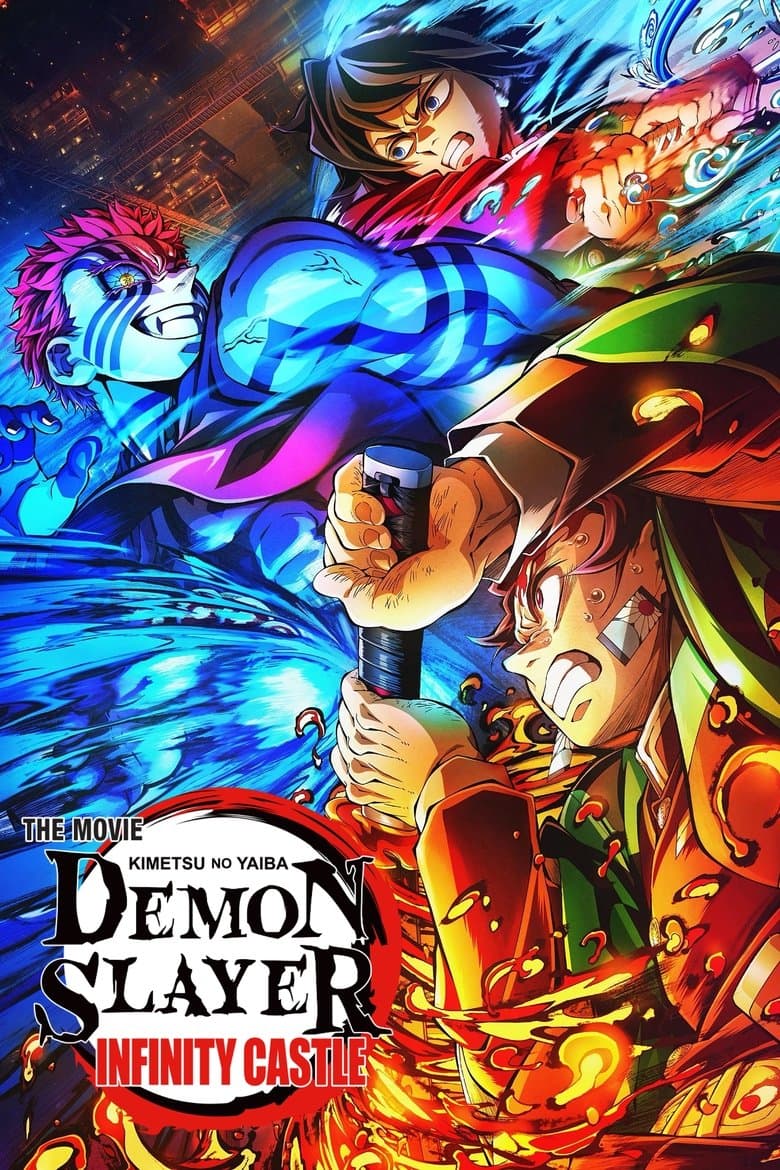
The Demon Slayer Corps are drawn into the Infinity Castle, where Tanjiro, Nezuko, and the Hashira face terrifying Upper Rank demons in a desperate fight as the final battle…
Movie · 2021
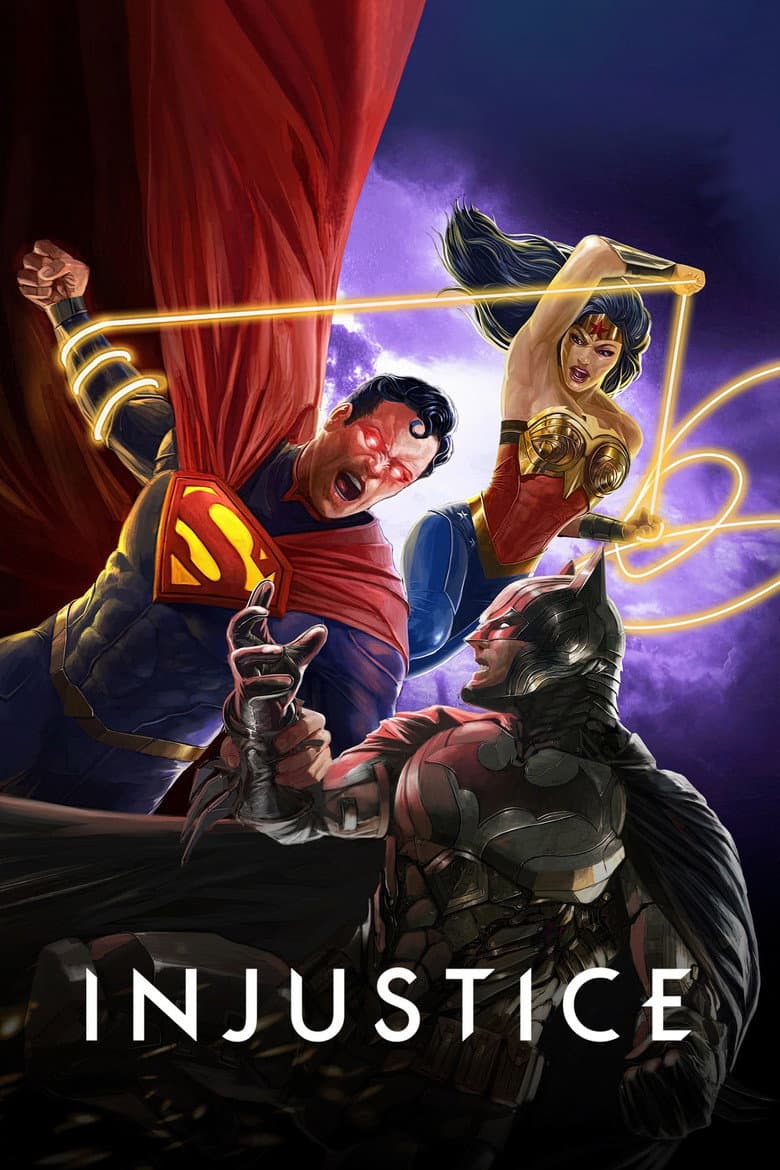
When Lois Lane is killed, an unhinged Superman decides to take control of the Earth. Determined to stop him, Batman creates a team of freedom-fighting heroes.
Movie · 2017
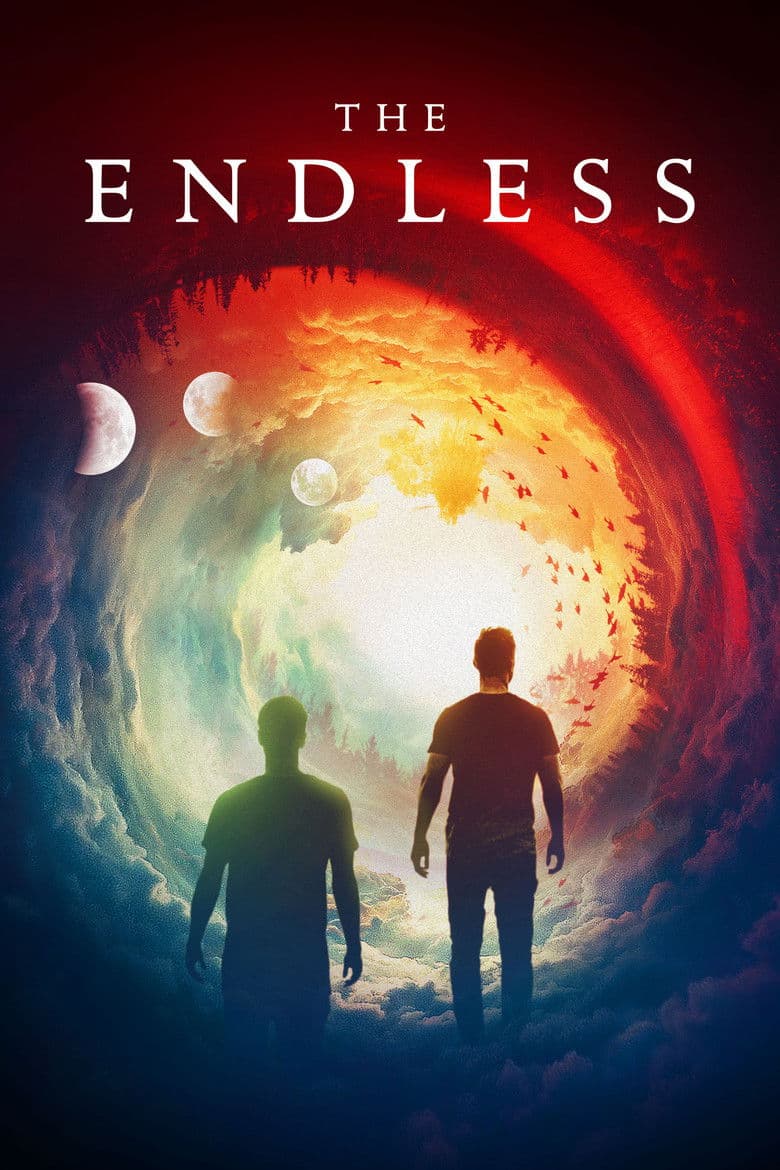
Two brothers return to the cult they fled from years ago to discover that the group's beliefs may be more sane than they once thought.
Movie · 2016
A determined young woman and a damaged occultist risk their lives and souls to perform a dangerous ritual that will grant them what they want.
Movie · 2020
After the vicious slaughter of his family by stone-cold mercenary Sub-Zero, Hanzo Hasashi is exiled to the torturous Netherrealm.
Movie · 2023
A lonely woman battles extraterrestrials who threaten her future while forcing her to face her past.
Movie · 2025
In late 15th-century Eastern Europe, Prince Vlad II’s bride is brutally murdered. As a result, he renounces God and damns Heaven itself.
Movie · 2021
In the aftermath of the Fourth Impact, stranded without their Evangelions, Shinji, Asuka and Rei find refuge in one of the rare pockets of humanity that still exist on the ruined…
