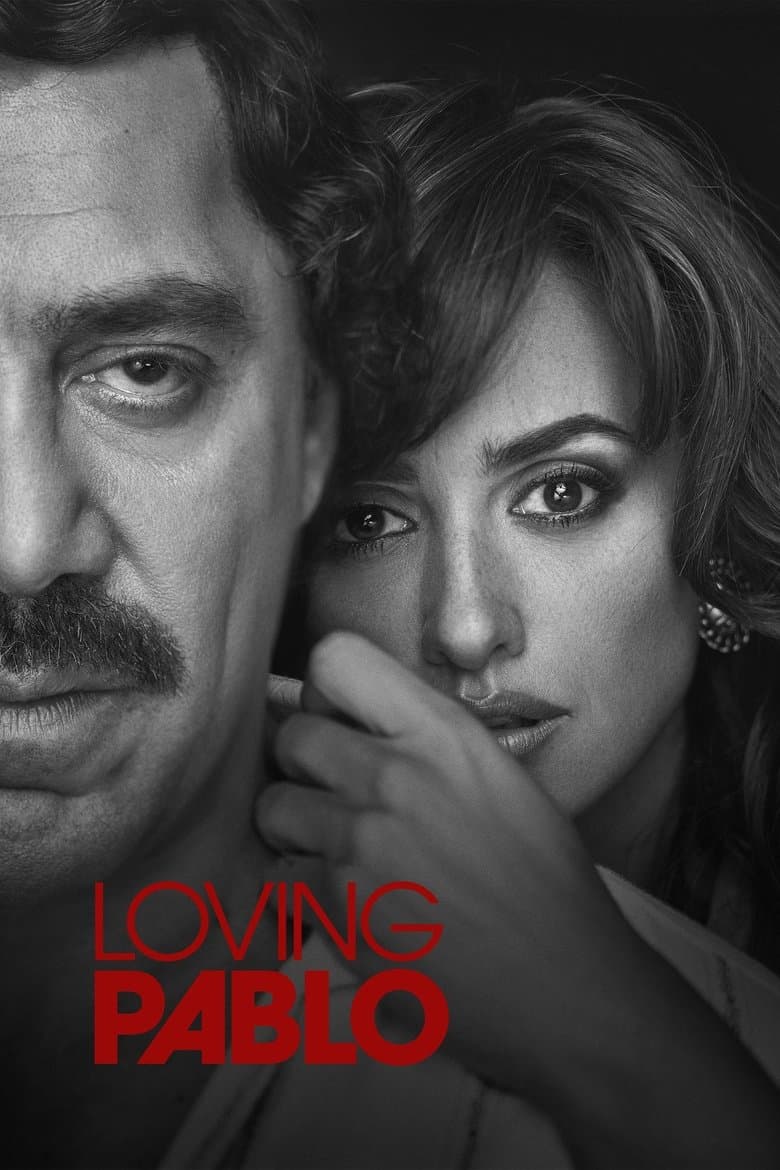
Virginia Vallejo is a famous Colombian journalist and television host who becomes Pablo Escobar’s lover in the early 1980s. The story follows her as Escobar builds a huge drug empire, enters politics, and uses fear to fight Colombia’s government and the United States. Virginia enjoys his money and power at first, but his violence destroys her career, safety, and place in public life. The film moves from rich parties and political offices to prisons, bombings, and the final manhunt, so its tone stays dark, tense, and troubled.
The clearest woke element is the choice to tell a famous crime story through a strong woman’s eyes. Virginia is shown as a skilled journalist who helps Pablo speak to the public, while the story shows how his control and abuse harm women. A few lines criticize television for wanting younger women and question male behavior. The main story still centers on crime, corruption, ambition, fear, and the human cost of Escobar’s rule.
Community feedback
Was our 33% Woke rating accurate?
Breakdown
These are the editorial factors and ratings behind our score for Loving Pablo.
Woke representation / casting
Javier Bardem and Penélope Cruz are Spanish actors playing real Colombian people. The Colombian characters also speak mostly English with coached accents. The film does not build an engineered mix of identities in its main roles. The visible issue is nationality and language, not a representation-first message.
16%
Woke political dialogue
The film gives Virginia a few lines about gender and public life. Virginia says television channels want younger girls and do not value a woman’s experience. Virginia also asks what is wrong with men during a talk about dating. The film’s other political lines attack campaign money and corruption in 1980s Colombia, not modern identity politics. These moments are brief.
18%
Identity-driven story themes
The film tells Escobar’s rise and fall through Virginia’s point of view. Virginia is a famous journalist who helps Pablo speak to the public and later loses her career and safety because of his power. The story shows male control, threats, and abuse hurting a woman who once enjoyed his power. The film gives her agency but also shows her bad choices and does not turn her into a flawless hero. Crime and corruption remain the main subjects.
33%
Western institutional / cultural critique
The film briefly treats male power and age-based treatment of women as social problems. Virginia says television channels prefer younger girls and do not value a woman’s experience. The story spends more time on Colombian political corruption, cartel money, and government violence. Those events stay tied to the 1980s crime story rather than becoming a broad modern attack on Western culture. The movie does not turn this into a major activist message.
14%
Woke character or canon changes
Not relevant. The film adapts Virginia Vallejo’s memoir and changes or condenses events for a crime drama. It does not make an identity-based race, gender, or sexuality swap to a known character or real historical figure.
0%
Anti-woke backlash and complaints
Not present. The researched X pass found no anti-woke complaints. Other public reviews focused on English dialogue, accents, pacing, and the thin romance, not woke or DEI messaging.
0%
Creator track record context
Fernando León de Aranoa’s cached 58/100 comes from repeated stories about poverty, migration, labor, and unequal power. Javier Bardem’s cached 38/100 includes climate, anti-war, and Palestinian-rights activism. Virginia Vallejo’s cached 43/100 reflects corruption and human-rights accountability, while Jeff and Michael Zimbalist are cached at 22 and 19. Most other producers have little public identity-politics record. This gives the film some social-context signal, but it does not create a strong DEI or modern activist profile.
39%
Production

Movie · 2026
After his estranged son gets embroiled in a Nazi plot, self-exiled gangster Tommy Shelby must return to Birmingham to save his family — and his nation.
Movie · 1994
Imprisoned in the 1940s for the double murder of his wife and her lover, upstanding banker Andy Dufresne begins a new life at the Shawshank prison, where he puts his accounting…
Movie · 2019
In New York, former convict Pete Koslow, related to the Polish mafia, must deal with both Klimek the General, his ruthless boss, and the twisted ambitions of two federal agents…
Movie · 2017
A look behind the scenes at Bernie Madoff's massive Ponzi scheme, how it was perpetrated on the public and the trail of destruction it left in its wake, both for the victims and…
Movie · 2019
A charismatic New York City jeweler always on the lookout for the next big score makes a series of high-stakes bets that could lead to the windfall of a lifetime.
Movie · 2016
As a math savant uncooks the books for a new client, the Treasury Department closes in on his activities and the body count starts to rise.
Movie · 2019
In the wake of his dramatic escape from captivity, Jesse Pinkman must come to terms with his past in order to forge some kind of future.
Movie · 2019
In 1934, Frank Hamer and Manny Gault, two former Texas Rangers, are commissioned to put an end to the wave of vicious crimes perpetrated by Bonnie Parker and Clyde Barrow, a…
