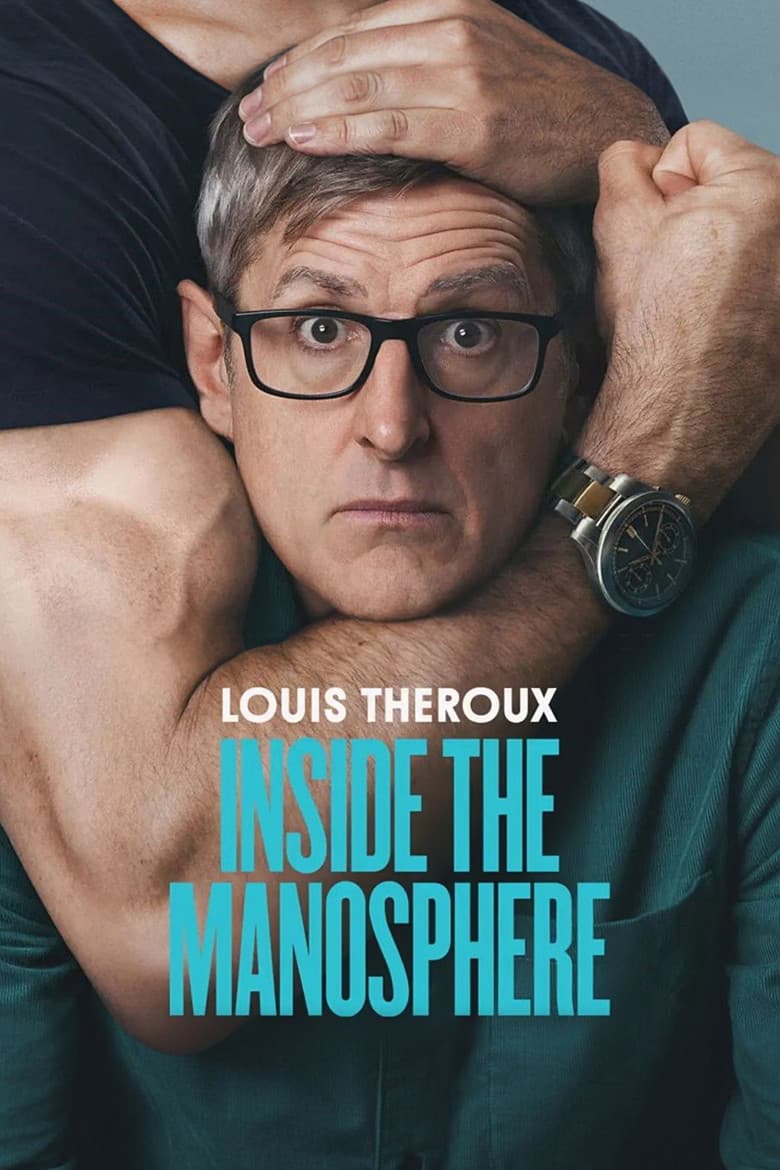
Louis Theroux leads this documentary into the online manosphere, a loose network of male influencers, podcasters, and fans. He travels through Miami, New York, and Marbella while meeting men who sell advice about money, fitness, sex, and power. The film follows his calm questions as he faces people who praise Andrew Tate-style ideas and make money from attention. Its tone is dark and uneasy, but it also uses jokes, flashy scenes, and moments of human weakness.
The film makes gender conflict its main subject. It shows men who say that women should obey, that feminism is evil, and that men deserve more power in relationships. It also shows attacks on gay people, Jewish people, and women, while linking the movement to loneliness, lost status, money, and social media algorithms. Theroux treats this extreme form of masculinity as a harmful reaction to changes in traditional gender roles, so the identity and cultural critique stays central from start to finish.
Community feedback
Was our 68% Woke rating accurate?
Breakdown
These are the editorial factors and ratings behind our score for Louis Theroux: Inside the Manosphere.
Woke representation / casting
Not present. The film uses real interview subjects rather than actors chosen to fill identity roles. Most people shown are men because the story follows a male online network.
0%
Woke political dialogue
The film repeatedly asks about feminism, male privilege, and backlash against changes in gender roles. Theroux challenges claims that women should be controlled, that feminism is evil, and that gay people should be kept apart from straight people. He also links the movement to money, social media, and political influence. The questioning stays calm, but this debate shapes the main interviews.
45%
Identity-driven story themes
The film’s main subject is how online influencers define manhood, women, and sexual worth. It shows claims that men should lead, women should obey, and men may cheat while women are judged. It follows women close to the influencers and young male fans to show how these ideas spread. The film presents this extreme worldview as harmful and ties it to misogyny, homophobia, racism, and antisemitism.
68%
Western institutional / cultural critique
The film treats male entitlement, one-sided marriage rules, and women being ordered around as signs of a harmful culture. It presents the manosphere as a backlash to feminism and efforts to correct older male power. It links the movement’s growth to platforms, algorithms, and a media system that rewards provocation. This modern critique appears throughout the film and shapes its view of traditional gender roles.
60%
Woke character or canon changes
Not relevant. The film follows real influencers, their partners, and young fans. It does not rewrite fictional characters, source material, or historical figures.
0%
Anti-woke backlash and complaints
Several right-leaning writers and online accounts called the film a mainstream hit piece or progressive propaganda against male influencers. Other accounts called Theroux a “prince of woke” and said he treated masculinity itself as toxic. Some complaints said he blamed young men without asking why they turned to Tate-style figures. The reaction had notable reach, but there was no clear boycott, review-bomb drive, or organized campaign.
38%
Creator track record context
The available profiles show little activist or identity-driven work for the three directors, who are scored from 0 to 5. Most producers also have low scores, from 0 to 17, while Louis Theroux is 31. Some producers have worked on documentaries about disability, sex, race, sexuality, or online abuse, but the profiles do not show a strong personal activist agenda. The title interviews give Theroux a clear social focus on misogyny, homophobia, racism, and male loneliness.
22%
Production
Movie · 2016
After being denied access to the Church of Scientology's headquarters, documentarian Louis Theroux teams up with ex-Scientology official Marty Rathbun to stage re-enactments of…
Movie · 2018
As his life comes to its end, famous Hollywood director Orson Welles puts it all on the line at the chance for renewed success with the film The Other Side of the Wind.

Movie · 2025
Vulgar, taunting texts blow up the phones of a teen and her boyfriend. Who's sending them — and why? This twisty documentary reveals the shocking answer.
Movie · 2021
For over 40 years Val Kilmer, one of Hollywood’s most mercurial and/or misunderstood actors has been documenting his own life and craft through film and video.

Movie · 2019
An Iraqi journalist joins an army of uneasy allies and unforgettable characters in the epic battle to liberate the city of Mosul from the Islamic State.
Movie · 2021
Take a musical odyssey through five weird and wonderful decades with brothers Ron & Russell Mael, celebrating the inspiring legacy of Sparks: your favorite band’s favorite band.

Movie · 2023
A short kid from a Canadian army base becomes the international pop culture darling of the 1980s—only to find the course of his life altered by a stunning diagnosis.
Movie · 2022
After years in the limelight, Selena Gomez achieves unimaginable stardom. But just as she reaches a new peak, an unexpected turn pulls her into darkness.
