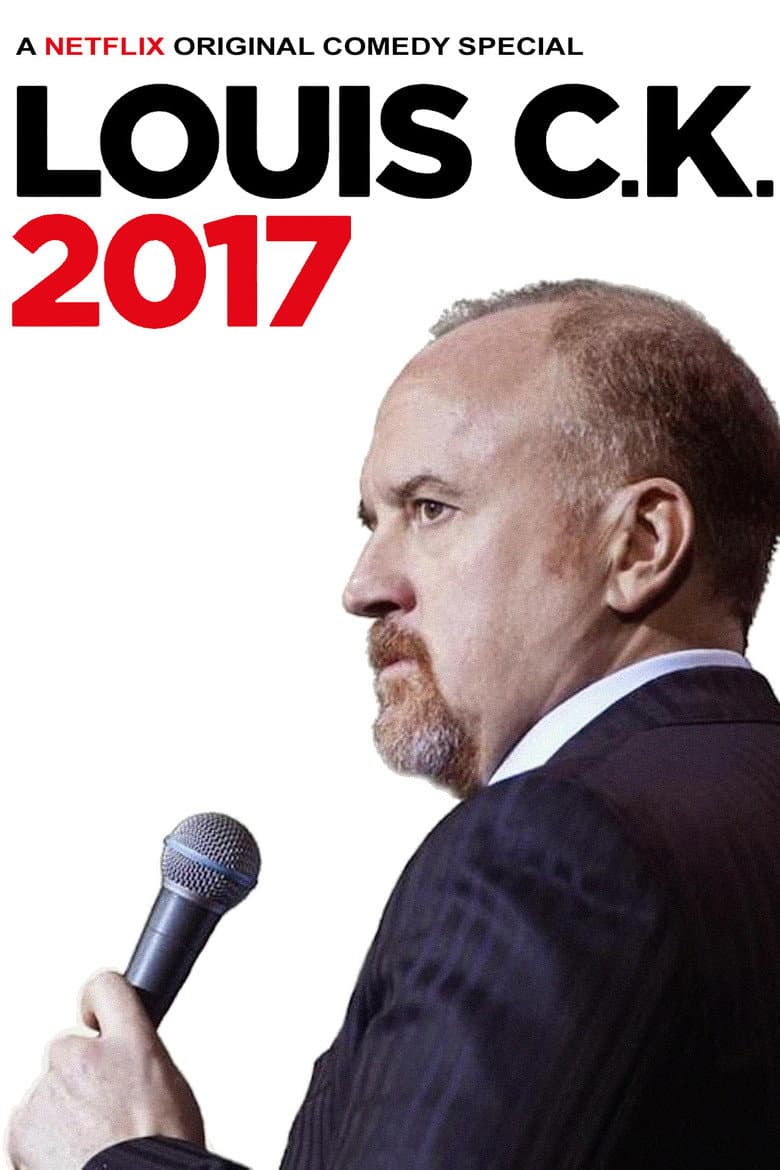
Louis C.K. stands alone on a stage at DAR Constitution Hall in Washington, D.C., and turns his own thoughts into a long chain of jokes. He starts with abortion and the value of life, then moves through suicide, religion, parenthood, teachers, love, old age, dogs, accents, and sex. His main conflict is between caring about people and feeling that life, work, and relationships often become painful or absurd. The tone is dark, crude, restless, and sometimes warm, with bleak ideas pushed until they become strange.
The special gives clear space to modern identity topics, but it treats them as personal jokes rather than as a political story. Louis talks at length about why he might want a boyfriend, says he does not like men's bodies, and wonders whether he could be gay. He also speaks with sympathy about a former school dance partner who later came out as a trans woman, while making a joke about losing the date. The abortion opening leans toward legal choice, and the religion bit mocks the Christian calendar, but neither idea becomes a continuing plot or a call for organized activism. These moments are easy to notice, yet the special is mainly about death, sex, family, love, and dark comedy.
Community feedback
Was our 45% Woke rating accurate?
Breakdown
These are the editorial factors and ratings behind our score for Louis C.K. 2017.
Woke representation / casting
Not present. Louis C.K. is the only main performer, so the special has no cast pattern or representation-focused role choices.
0%
Woke political dialogue
Louis spends a long opening section debating abortion. Louis leans toward legal abortion, says women should be able to choose it, and mocks the anger of some pro-life protesters, although he also plays with both sides. Louis later speaks positively about trans people and jokes about his own possible same-sex desire. These lines appear in separate parts of the hour, but the special does not build a wider activist program.
42%
Identity-driven story themes
Louis makes sexuality a long personal topic rather than a quick joke. Louis imagines having a boyfriend, thinks about being gay, and talks about why he does not want sex with men. Louis also tells a short story about a former schoolmate who later came out as a trans woman and treats her change as real, even while joking about losing his date. These identity themes are clear, but they sit inside a wider set about death, family, work, and love.
44%
Western institutional / cultural critique
Louis questions why the world uses a Christian calendar and jokes that Christianity won the contest over other religions. Louis also attacks public schools and lasting marriage, but those jokes are personal and absurd rather than a plan for social change. The special does not make a repeated case against capitalism, patriarchy, whiteness, or Western institutions. The cultural critique is brief and stays secondary to the comedy.
24%
Woke character or canon changes
Not relevant. The special is an original live comedy set and does not change an established character, source, or historical person.
0%
Anti-woke backlash and complaints
One review called the opening a pro-choice tirade and a condemnation of conservatives. Other coverage mostly discussed the joke's shock, its unclear position, and its humor rather than a woke agenda. The X research pass found no anti-woke complaints, so the backlash evidence is small and isolated.
12%
Creator track record context
Louis C.K. is mainly known for raw comedy that challenges social rules and political correctness. His public work has included some progressive views, but his main pattern is boundary-pushing humor rather than social justice storytelling. His record is mixed because he was later criticized for transphobic and racist material. This context supports a mild creator track record context score.
31%
Production
Movie · 2023
A chaotic intervention. An action-packed stay in rehab. After a weird couple of years, John Mulaney comes out swinging in his return to the stage.
Movie · 2022
Exploring every facet of ‘Weird Al’ Yankovic’s life, from his meteoric rise to fame with early hits like ‘Eat It’ and ‘Like a Surgeon’ to his torrid celebrity love affairs and…
Movie · 2023
From his onstage tackle to the slap heard round the world, Dave Chappelle lets loose in this freewheeling and unfiltered stand-up comedy special.
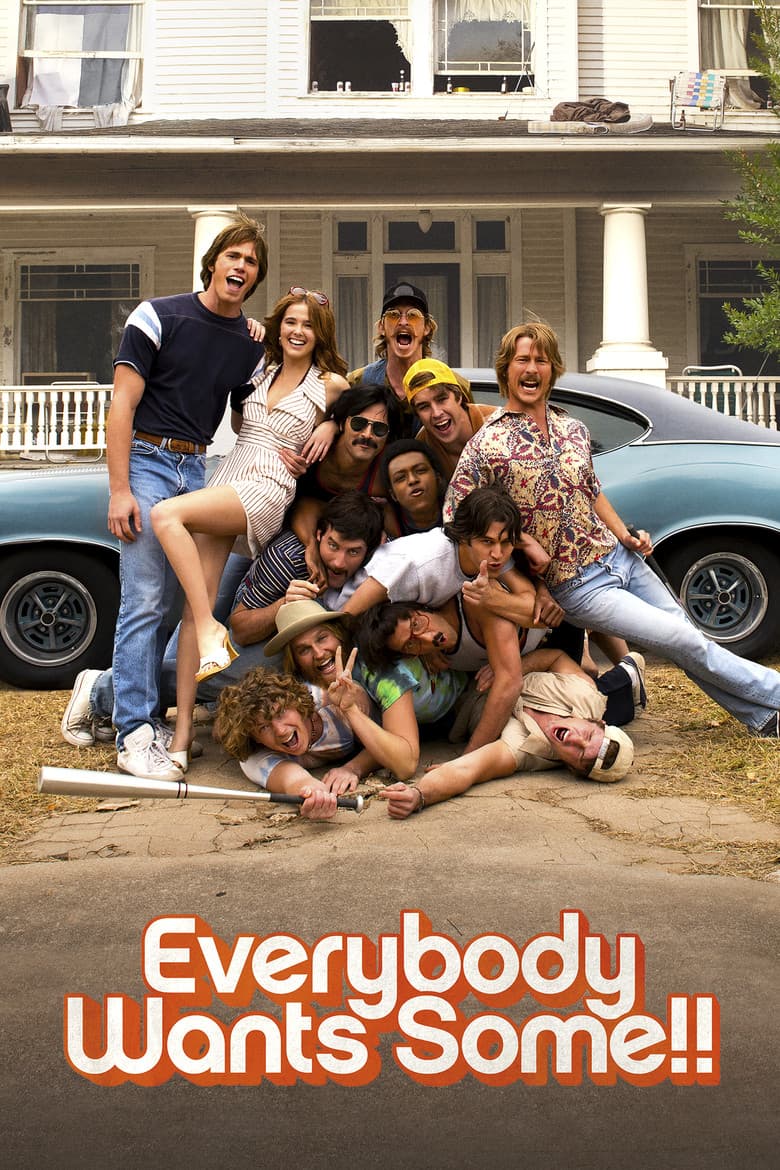
Movie · 2016
A comedy that follows a group of friends as they navigate their way through the freedoms and responsibilities of unsupervised adulthood.
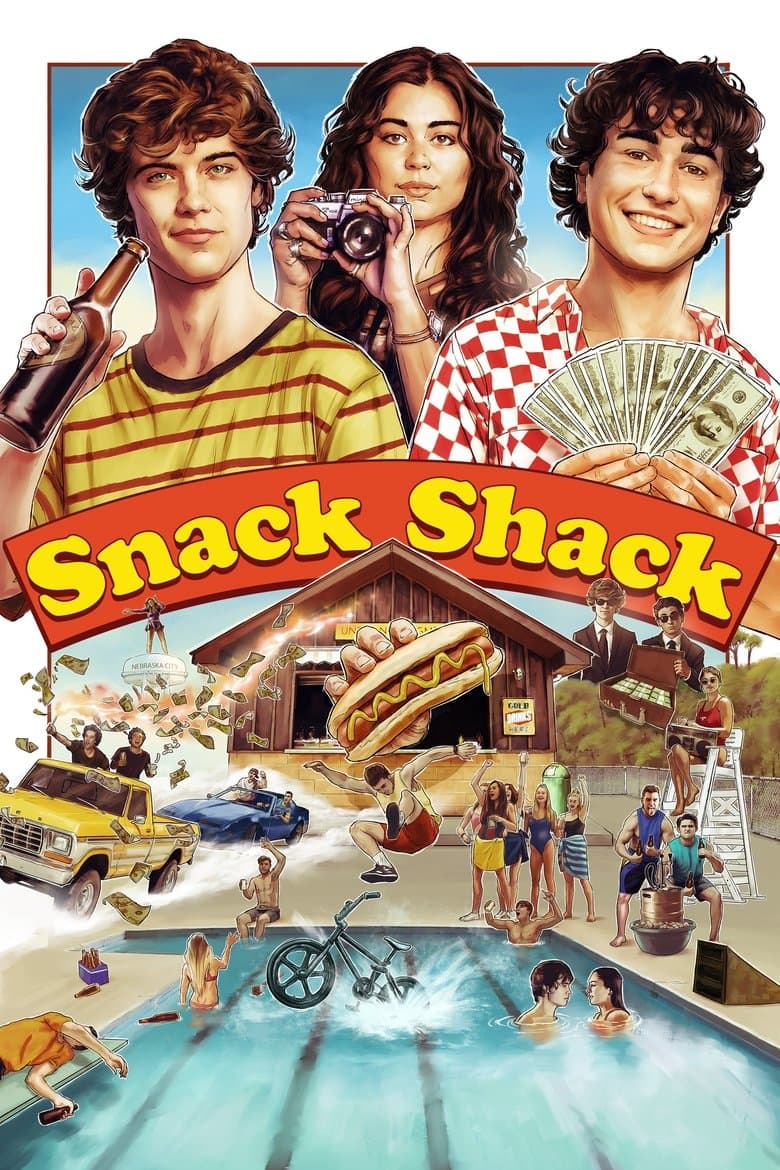
Movie · 2024
Inseparable best friends AJ and Moose decide to run the local pool's snack shack after their plan to sell home-brewed beer goes down the drain.
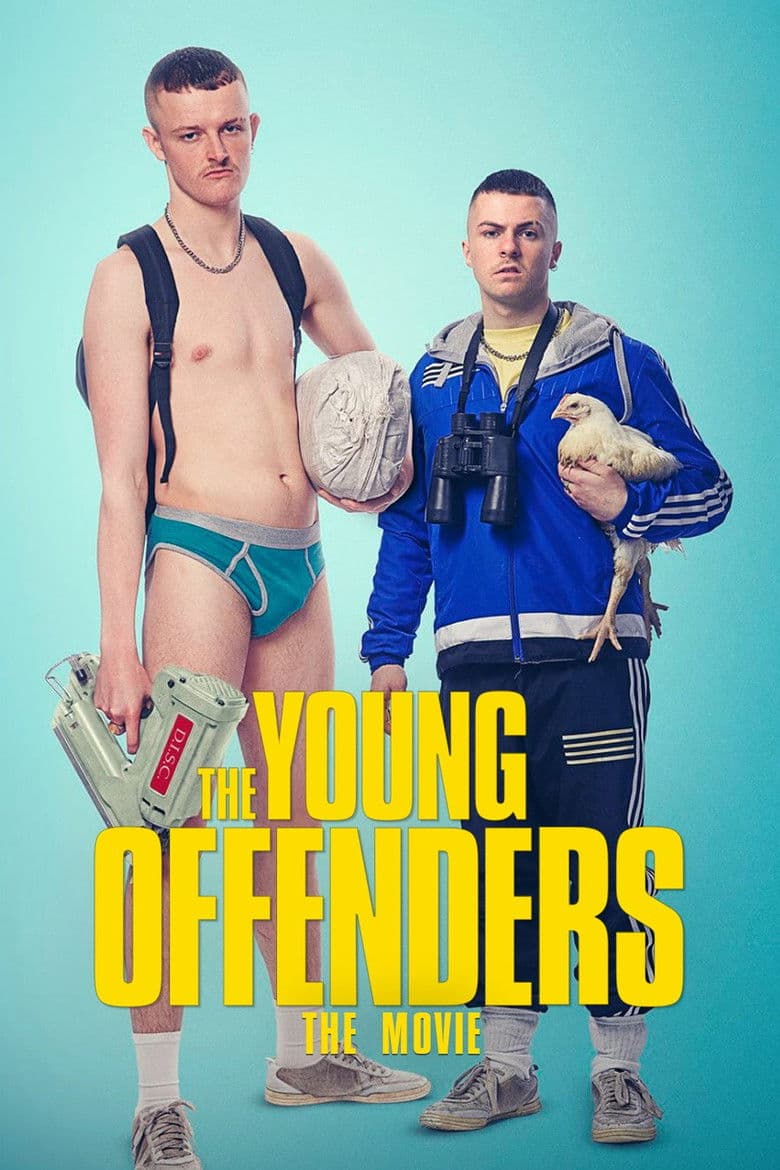
Movie · 2016
Two teenage boys from inner-city Cork steal bicycles and ride off on a 160km quest to find an unrecovered bale of cocaine worth 7,000,000 euros.
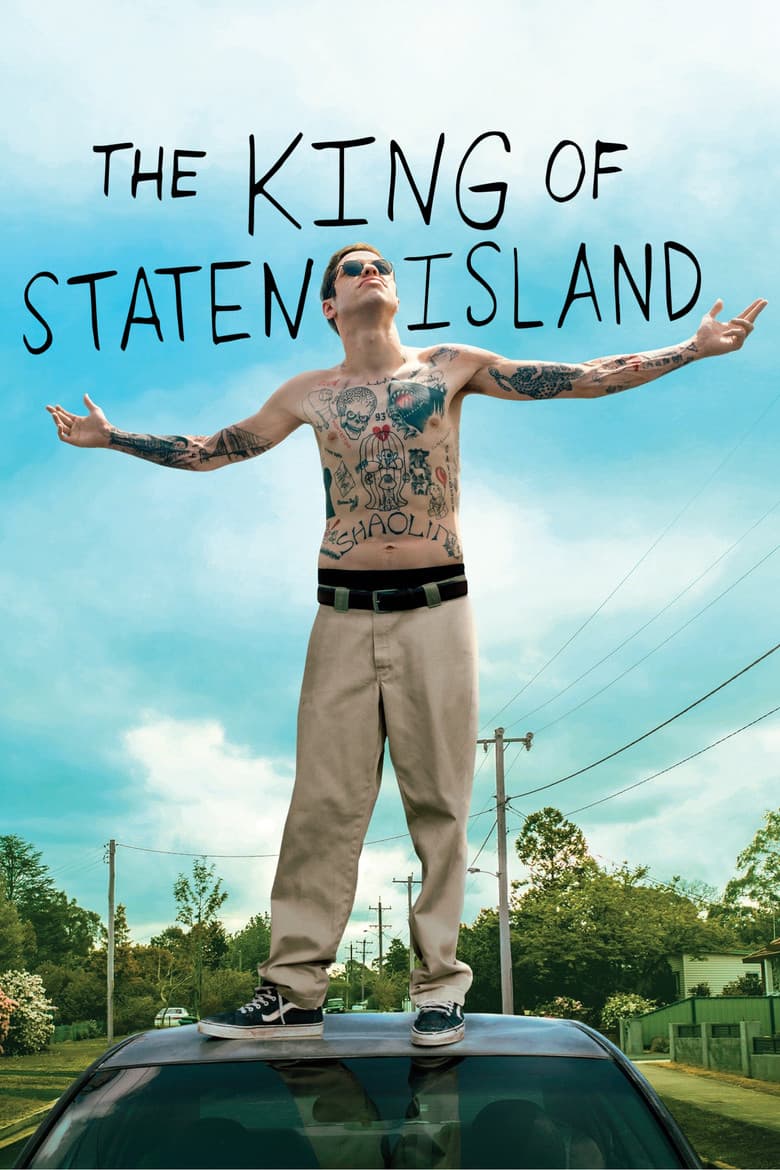
Movie · 2020
Scott has been a case of arrested development ever since his firefighter father died when he was seven. He's now reached his mid-20s having achieved little, chasing a dream of…
Movie · 2018
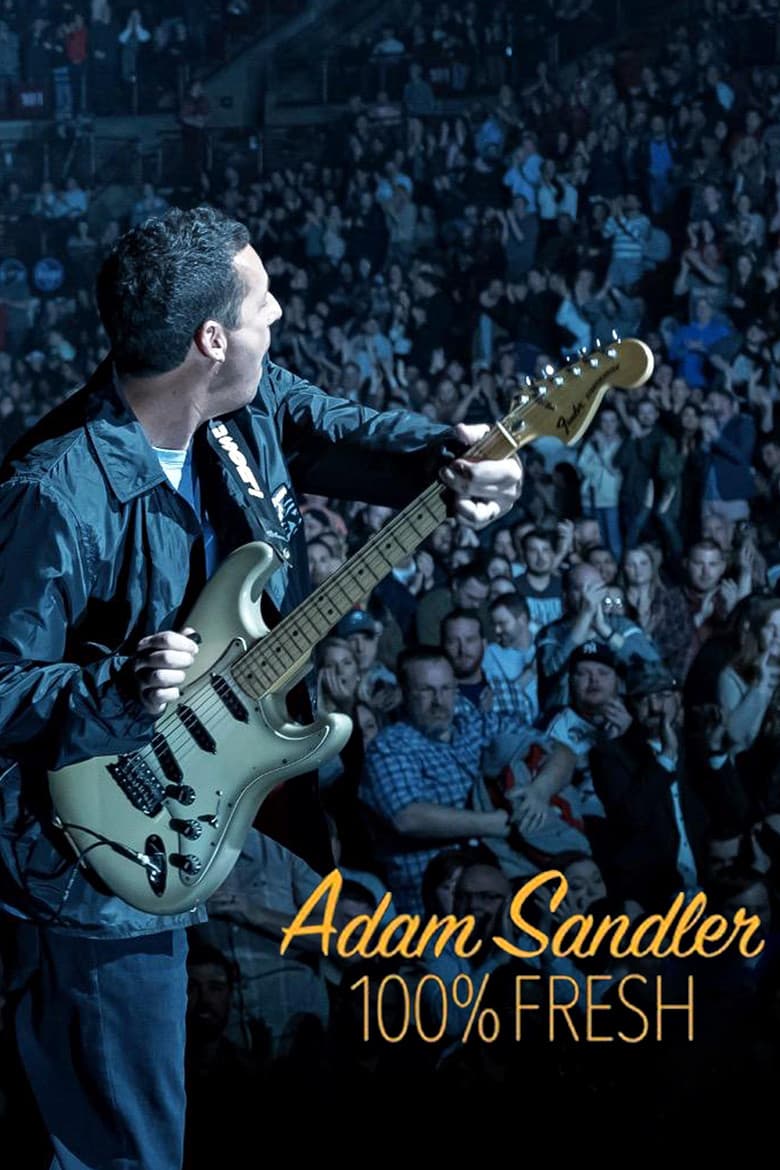
Adam Sandler takes his comical musical musings back out on the road, from comedy clubs to concert halls to one very unsuspecting subway station.
