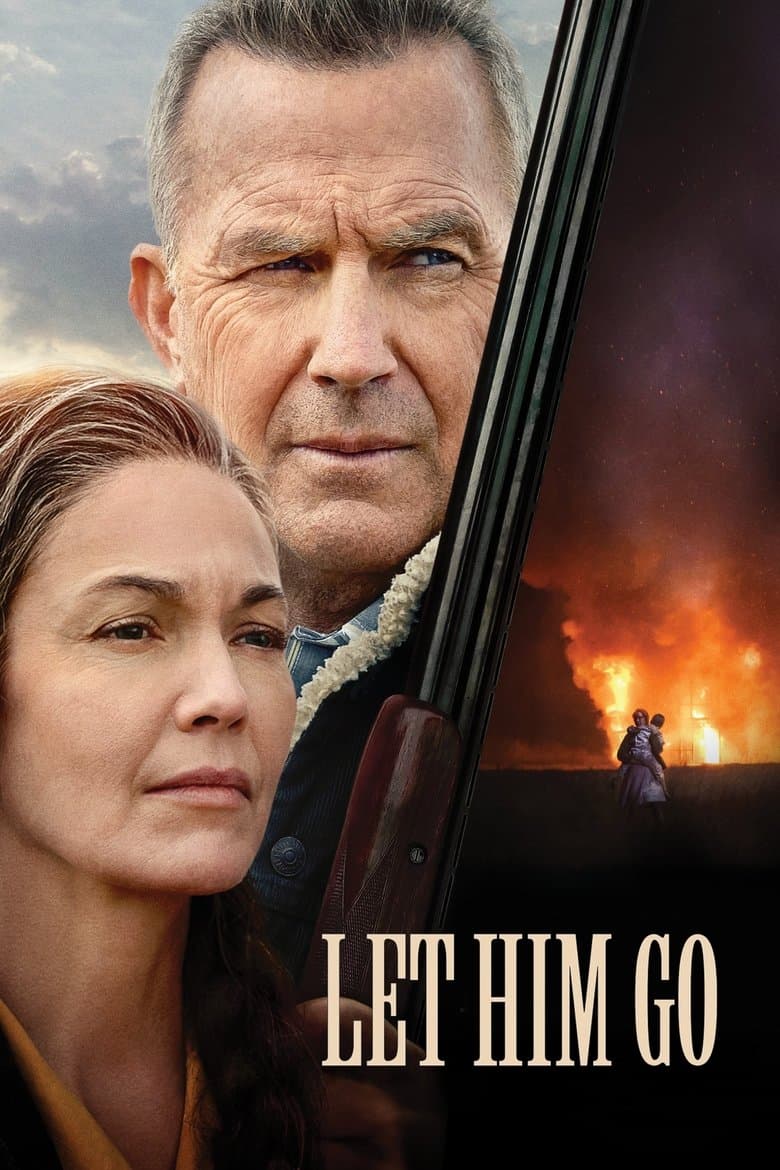
George Blackledge is a retired sheriff living on a Montana ranch with his wife Margaret in the early 1960s. After their son dies in an accident, their daughter-in-law remarries a rough man and vanishes with their young grandson. George and Margaret leave home to find the boy and free him from a violent, controlling family in the Dakotas. The tone is slow, tense, and grim, mixing family drama with a hard thriller.
The movie is mainly about grief, loyalty, and how far grandparents will go to protect a child. Margaret often pushes the mission while George is quieter and careful. The main fight is with a cruel clan led by a fierce mother figure, not with modern identity politics. A young native American man helps them on the road and briefly tells how he was taken as a child and forced to give up his culture. That moment is sad and real-sounding, but short. Viewers notice strong older stars, family danger, and a brutal climax far more than any social lecture.
Community feedback
Was our 20% Woke rating accurate?
Breakdown
These are the editorial factors and ratings behind our score for Let Him Go.
Woke representation / casting
Leads are period-fit white ranchers and a white villain clan. One native supporting role matches the Dakota setting and novel character. No clear quota-style casting in star roles or race/gender swaps of famous characters.
0%
Woke political dialogue
Almost all talk is family, fear, and threats. Peter’s short monologue about residential school abuse is personal history, not campaign-style activist speeches.
0%
Identity-driven story themes
Core arc is grandparents versus a dangerous family. The native trauma subplot adds a light identity-history note some viewers notice, but it stays side support and does not drive the main plot.
18%
Western institutional / cultural critique
The boarding-school story criticizes forced assimilation of native children as past harm. Local law siding with the Weboys reads as intimidation, not a modern attack on “whiteness,” patriarchy, or capitalism. Mild historical critique only.
20%
Woke character or canon changes
Year and travel map shift from the book look like normal adaptation choices. Expanding Peter’s residential-school past is a light identity-related change to a supporting figure, not a rewrite of core heroes or history for DEI.
5%
Anti-woke backlash and complaints
No clear, widely reported anti-woke campaign calling this film woke, DEI, or identity propaganda. Public talk stayed on craft and thrills.
0%
Creator track record context
Overall mild. Bezucha’s past includes one notable gay-positive film; Kaplan and Kaufman bring higher progressive/queer-project footprints; Costner and most craft leads stay low. This title itself is not built as activist work.
22%
Production

Movie · 2025
When a mentally ill young man thinks he witnesses an abduction and the police refuse to believe him, he reluctantly turns to his next door neighbor – a bitter, retired security…

Movie · 2020
Ex heroin junkie, Daniel Léger, gets involved in a drug deal with the wrong people for the wrong reasons. When the deal goes sour, Daniel gets thrown into a Thai prison and…

Movie · 2019
FBI informant Jim Hoffman lures troubled automobile magnate John DeLorean to an undercover sting for cocaine trafficking.
Movie · 2019
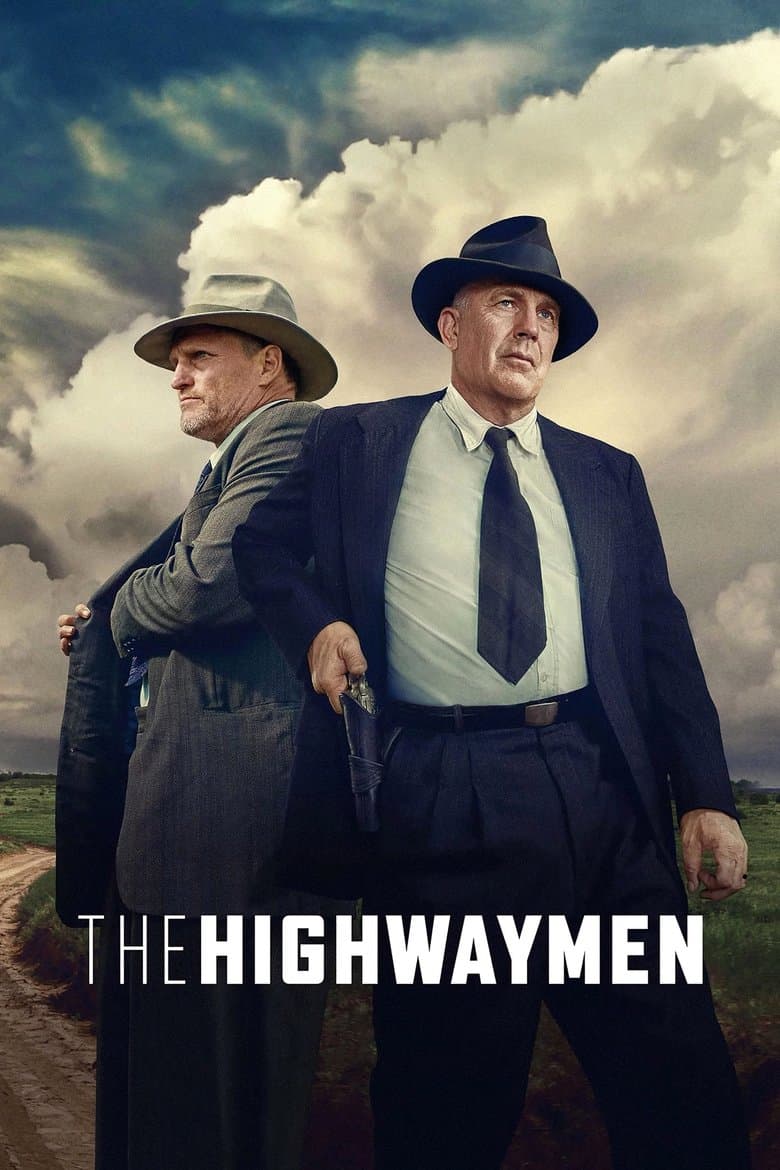
In 1934, Frank Hamer and Manny Gault, two former Texas Rangers, are commissioned to put an end to the wave of vicious crimes perpetrated by Bonnie Parker and Clyde Barrow, a…

Movie · 2019
In New York, former convict Pete Koslow, related to the Polish mafia, must deal with both Klimek the General, his ruthless boss, and the twisted ambitions of two federal agents…

Movie · 2023
In a remote Irish village, a damaged Finbar is forced to fight for redemption after a lifetime of sins, but what price is he willing to pay?
Movie · 2024
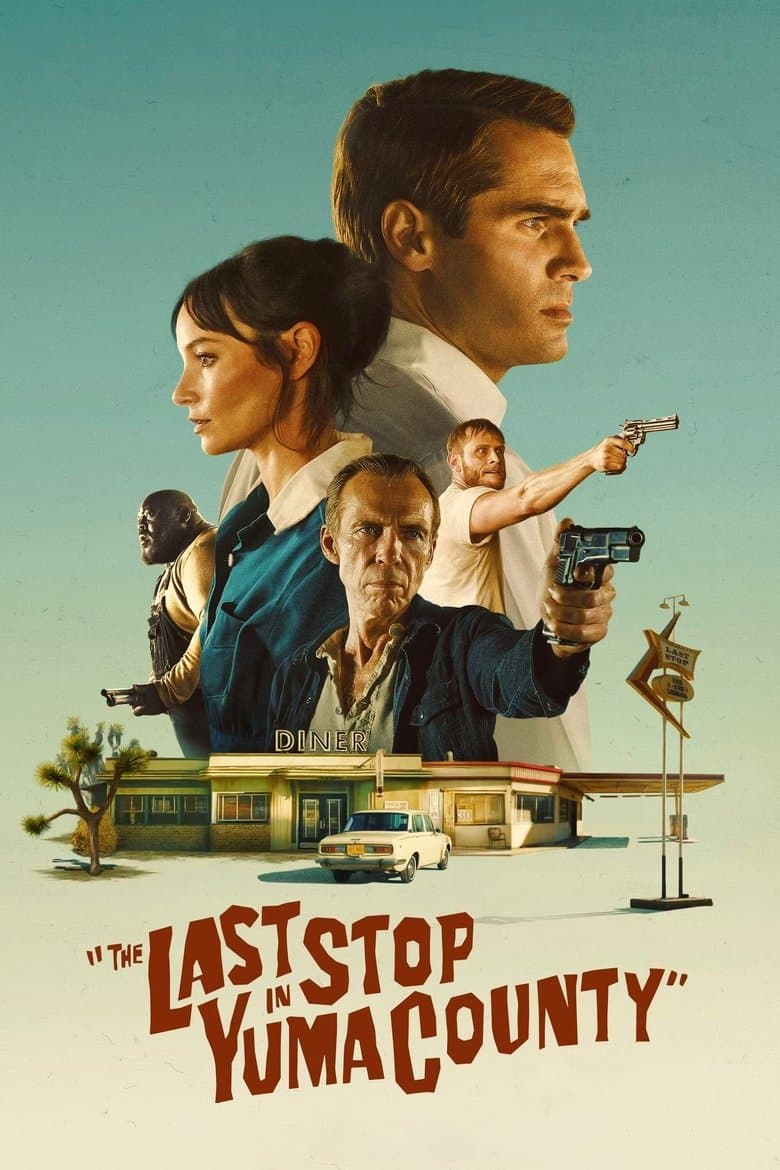
While awaiting the next fuel truck at a middle-of-nowhere Arizona rest stop, a traveling young knife salesman is thrust into a high-stakes hostage situation by the arrival of two…
Movie · 2019
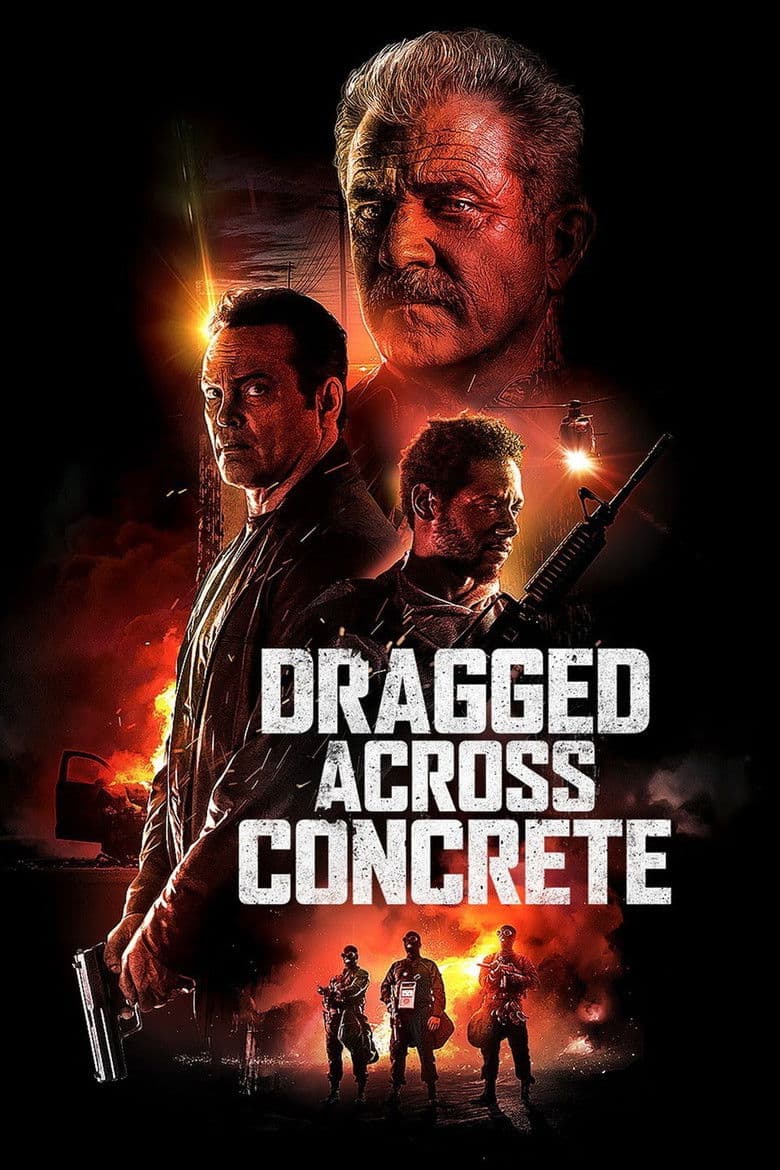
Two policemen, one an old-timer, the other his volatile younger partner, find themselves suspended when a video of their strong-arm tactics becomes the media's cause du jour.
