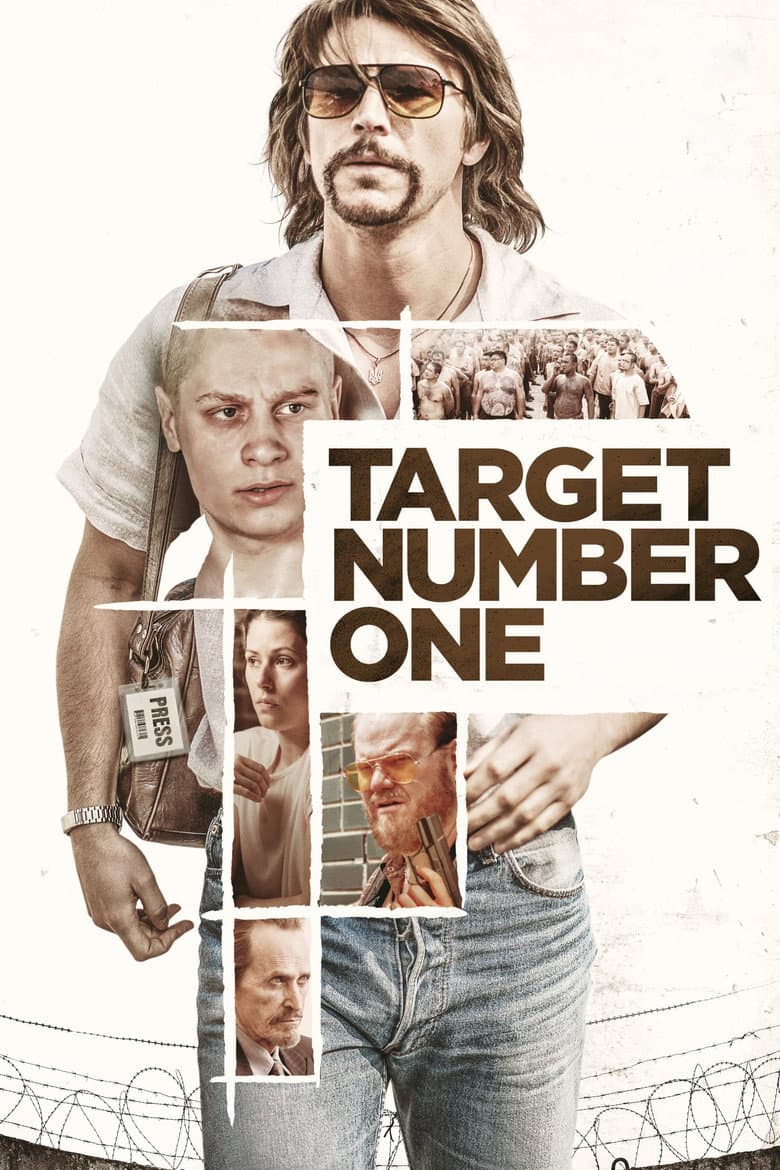
Target Number One follows Daniel Léger, a young Quebec man trying to stay alive after years of heroin use. In 1989, a drug dealer and Canadian police officers use him in a secret sting and send him to Thailand, where a failed deal leads to a 100-year prison sentence. Globe and Mail reporter Victor Malarek sees holes in the case and risks his job to uncover the truth. The movie is a grim crime thriller about addiction, prison, police abuse, and the cost of telling the truth.
Daniel’s prison years show fear, pain, and a slow fight to break free from addiction. The film presents him as a weak and damaged man who was also used by people with more power. The police operation, court case, and cover-up drive the tension from Canada to Thailand. Victor’s reporting gives the film a clear message that a free press can challenge powerful people, while family strain shows the price of his work.
Community feedback
Was our 2% Woke rating accurate?
Breakdown
These are the editorial factors and ratings behind our score for Target Number One.
Woke representation / casting
Not present. The main Canadian roles are tied to real people, and the Thai setting supplies its local characters. The film does not present casting as a diversity or identity message.
0%
Woke political dialogue
Not present. The spoken debate concerns the drug sting, the court case, police conduct, and press work. The film does not use modern identity, DEI, or activist lines.
0%
Identity-driven story themes
Not present. The story follows a male addict and a male reporter through a false arrest. It focuses on addiction, survival, family strain, and justice rather than group identity.
0%
Western institutional / cultural critique
Not present. The film shows a 1980s police cover-up as its true-crime conflict. It does not turn that case into a modern attack on family life, Christianity, men as a class, or traditional social norms.
0%
Woke character or canon changes
Not relevant. The film changes names and dramatizes some events from Alain Olivier’s case for legal and story reasons. It makes no race, gender, sexuality, or hero-role change.
0%
Anti-woke backlash and complaints
Not present. No anti-woke complaints were found in the reviewed news, Reddit, audience-review, or trailer discussion. The available reaction focused on the true story, cast, and uneven quality.
0%
Creator track record context
Daniel Roby and the producers have low recorded activist scores. Heidi Levitt has a moderate score because she supports broader racial representation in casting. No title interview links the film to a wider activist program.
8%
Production
Movie · 2021
A cold and mysterious new security guard for a Los Angeles cash truck company surprises his co-workers when he unleashes precision skills during a heist.

Movie · 2023
After a fateful miss, an assassin battles his employers, and himself, on an international manhunt he insists isn't personal.

Movie · 2021
Ten years after he was last seen, a vicious mob enforcer returns home to find his son and methodically track down the gang that double-crossed him.
Movie · 2017
Quan is a humble London businessman whose long-buried past erupts in a revenge-fueled vendetta when the only person left for him to love – his teenage daughter – dies in an Irish…
Movie · 2025
When a mentally ill young man thinks he witnesses an abduction and the police refuse to believe him, he reluctantly turns to his next door neighbor – a bitter, retired security…
Movie · 2021
When the aging Meyer Lansky is investigated one last time by the Feds who suspect he has stashed away millions of dollars over half a century, the retired gangster spins a…
Movie · 2018
A serial killer is murdering school girls, and a newbie cop has to track him down before the victim count increases.
Movie · 2021
Aaron Falk returns to his drought-stricken hometown to attend a tragic funeral. But his return opens a decades-old wound - the unsolved death of a teenage girl.
