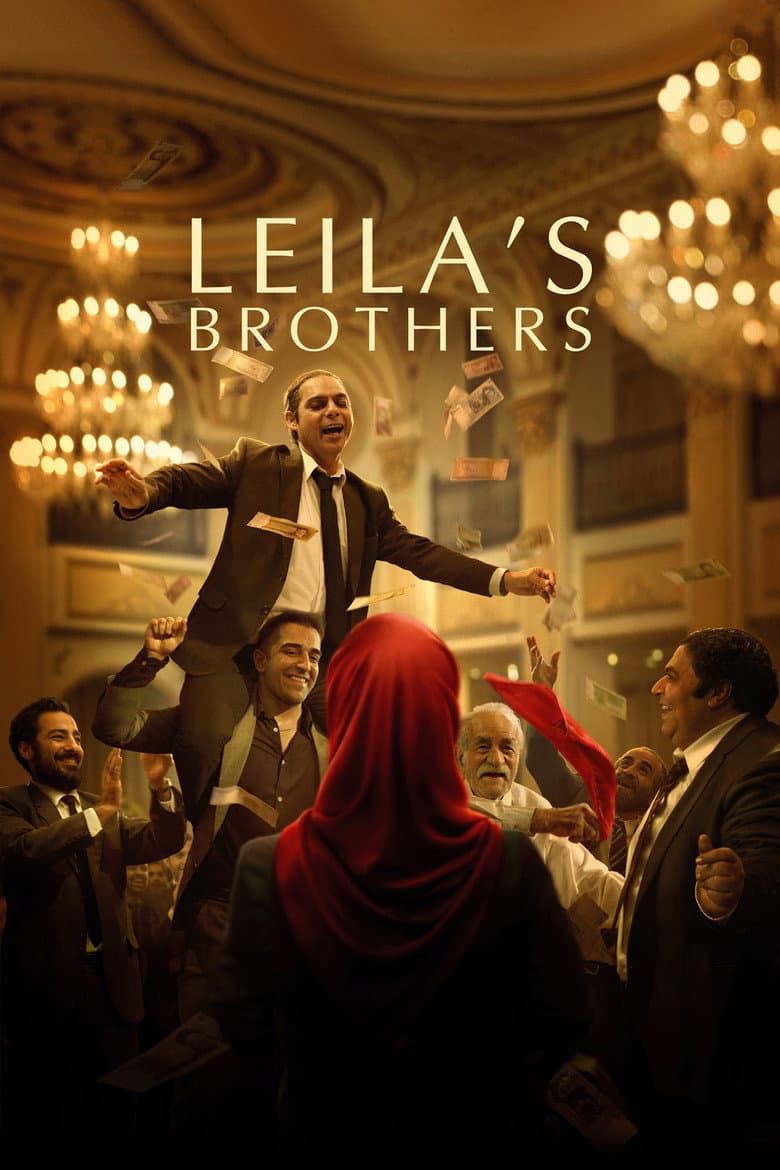
Leila is a 40-year-old woman who supports her sick parents and four struggling brothers in Tehran. The family lives with debt, job loss, rising prices, and constant arguments. Leila sees a way out when she plans to turn a small space in a new shopping center into a family shop. Her father instead uses the family’s hidden gold to chase the title of patriarch at a relative’s wedding. The choice pulls the family into lies, anger, and a dark, tense tragedy.
The story makes gender unfairness a major part of Leila’s life. She says her family gives her brothers more chances, yet she remains the person who thinks most clearly and works hardest to save them. The brothers often appear weak, foolish, or trapped by old family rules, while the father values public honor over their future. The film also links poverty, unpaid factory work, inflation, sanctions, and street protests to a wider failure of power. These ideas are not side comments because they drive Leila’s plan, the family’s arguments, and the final collapse.
Community feedback
Was our 63% Woke rating accurate?
Breakdown
These are the editorial factors and ratings behind our score for Leila's Brothers.
Woke representation / casting
Not present. The film uses an all-Iranian cast for an Iranian family in Iran. Leila is central because the story is about her family, but the casting does not show a diversity-first pattern.
0%
Woke political dialogue
Leila says her mother values her sons more than her only daughter. Leila also says that being a girl cost her chances in life and love. The family repeatedly discusses debt, lost work, sanctions, and social pressure. These lines support a clear social message, but the film does not pause for long activist speeches.
31%
Identity-driven story themes
Leila is the family’s main planner, worker, and caregiver. The four brothers often fail to manage money, work, or the family’s future. The story says that male family power has limited Leila because she is a woman. The father’s pride and the family’s old rules keep blocking her practical plan. Gender power and female frustration shape the main plot from start to finish.
67%
Western institutional / cultural critique
The film shows a factory that fails to pay workers and a family damaged by inflation, sanctions, and class pressure. The film shows security forces beating people during public protests. The father’s hunger for a patriarch title links family honor to a wider system of power and control. The story also treats male entitlement and rules that favor sons over daughters as harmful. These criticisms recur around the family’s money, work, and future.
52%
Woke character or canon changes
Not relevant. The film is an original story about a present-day Iranian family. It does not alter an established character, source story, or historical figure.
0%
Anti-woke backlash and complaints
Not present. The separate X research found no anti-woke complaints. Other public coverage focused on family, gender, class, and Iranian censorship, while viewer praise is not backlash.
0%
Creator track record context
Roustaee’s films often focus on poverty, state pressure, and women facing male authority. His cached score is 62/100, while producer Javad Noruzbegi’s cached score is 0/100. Leila’s Brothers matches Roustaee’s repeated interest in social inequality and women’s limited freedom. Roustaee is not known for a Western diversity or queer campaign. This gives the title strong supporting context, but it is not proof of extra content in this film.
58%
Production
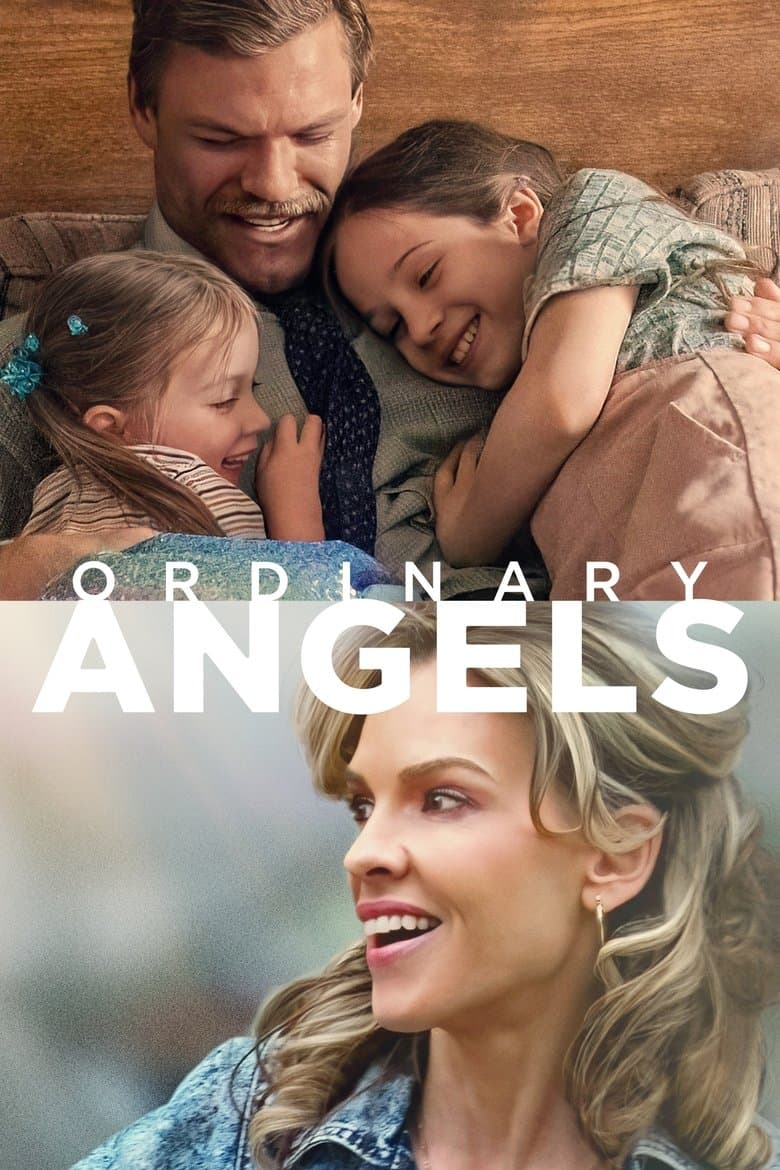
Movie · 2024
Inspired by the incredible true story of a hairdresser who single-handedly rallies an entire community to help a widowed father save the life of his critically ill young daughter.
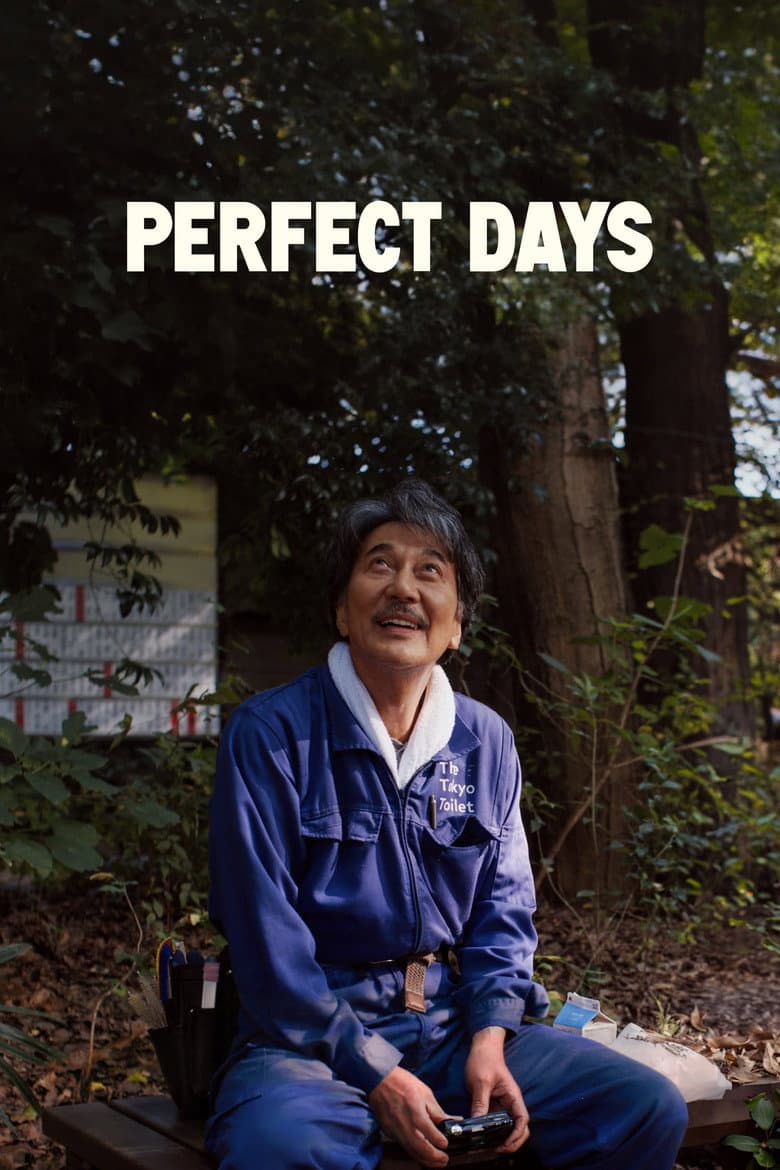
Movie · 2023
Hirayama is content with his life as a toilet cleaner in Tokyo. Outside of his structured routine, he cherishes music on cassette tapes, books, and taking photos of trees.
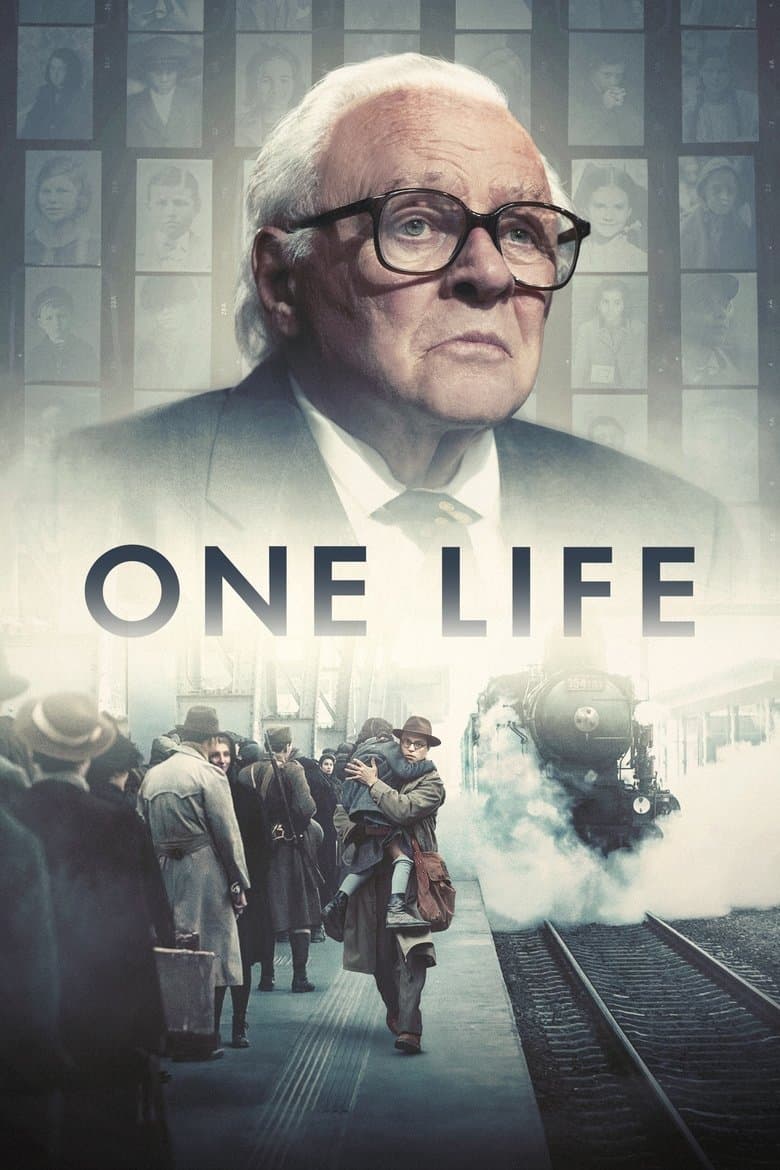
Movie · 2023
British stockbroker Nicholas Winton visits Czechoslovakia in the 1930s and forms plans to assist in the rescue of Jewish children before the onset of World War II, in an operation…
Movie · 2016
Based on the life story of Mahendra Singh Dhoni, and his journey to being the world cup winning captain of the Indian cricket team.

Movie · 2019
A look at the Apollo 11 mission to land on the moon led by commander Neil Armstrong and pilot Buzz Aldrin.

Movie · 2018
A father and daughter live a perfect but mysterious existence in Forest Park, a beautiful nature reserve near Portland, Oregon, rarely making contact with the world.
Movie · 2018
Dan, a 21-year-old carefree boy is always surrounded by a bunch of friends and fellow hotel interns who feed off each other's everyday moments, their ups and downs.
Movie · 2021
The enthralling, against-all-odds story that transfixed the world in 2018: the daring rescue of twelve boys and their coach from deep inside a flooded cave in Northern Thailand.
