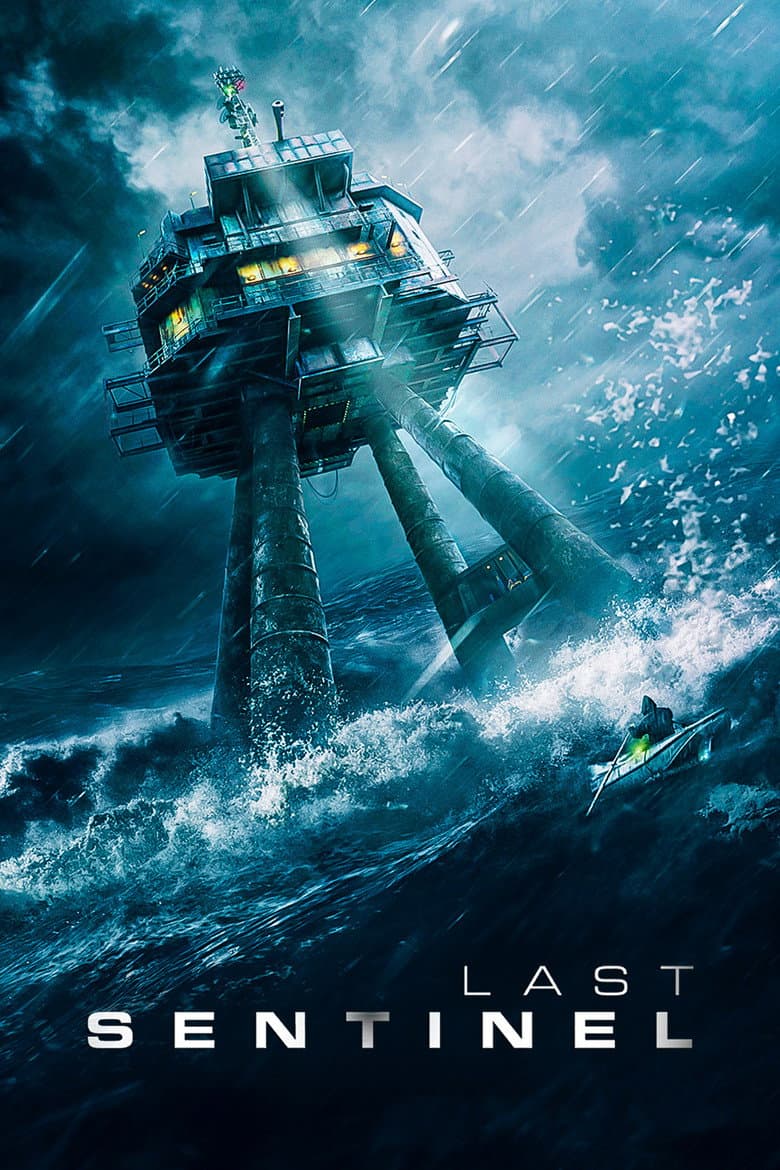
Last Sentinel follows Corporal Cassidy and three other soldiers on a rusting military platform in the ocean in the year 2063. Rising seas have left only two continents, and the two sides are still at war. The crew has waited three months past its end date, so an empty boat brings hope, fear, and growing distrust. The film uses a slow, bleak tone as the soldiers argue over duty, escape, and a doomsday weapon.
The film presents climate damage as the cause of the flooded world and links it to endless war. Sully says people ruined the climate, ruined the sea, and kept fighting over what was left. Cassidy says that wiping out humans may be the only way to repair the world, while Baines chooses to save animals instead of the weapon. These ideas give the movie a clear environmental and anti-war message, while the main drama follows the survivors' choices about duty, mercy, and trust.
Community feedback
Was our 19% Woke rating accurate?
Breakdown
These are the editorial factors and ratings behind our score for Last Sentinel.
Woke representation / casting
The four main soldiers include one Black soldier, and Cassidy has an interracial sexual relationship with him. The film gives no speech or marketing about representation. Toom said he did not want a forced international mix, and the future military setting makes the cast plausible. The visible identity signal is mild.
10%
Woke political dialogue
Sully says one side ruined the climate and the other ruined the sea. He says people kept fighting after resources were gone. Cassidy suggests that humans may need to be wiped out to repair the world. Baines also repeats language about sustainable ways forward, so environmental and anti-war ideas recur without becoming a debate about current parties or identity politics.
24%
Identity-driven story themes
The ruined world comes from climate damage, and the story treats that damage as a human moral failure. The ending favors saving animals and stopping the doomsday weapon over serving either side of the war. These are broad environmental and anti-war themes with a mild activist tone, while the character drama stays focused on fear, loyalty, and survival.
15%
Western institutional / cultural critique
Not present. The film questions military orders and national duty during a crisis, but it does not attack Western culture through modern gender, race, family, or anti-Christian messaging.
0%
Woke character or canon changes
Not relevant. The film is an original science fiction story with no established character, canon, or historical figure being changed.
0%
Anti-woke backlash and complaints
Not present. Audience posts and reviews focus on slow pacing, confusion, the ending, and the low budget. No clear anti-woke, anti-DEI, or right-leaning backlash appears in the researched coverage.
0%
Creator track record context
Tanel Toom and Malachi Smyth have no known activist or identity-politics record in the available creator research. Most producers also have low scores and business, film, or humanitarian backgrounds. Alex Johnson’s agency supports diverse talent, but her own public profile is low-key and not political. The creator context gives only weak support for a woke reading.
8%
Production

Movie · 2024
With his wife out sick, a struggling father brings home a lifelike AI, only to have his self-aware new help want everything her new family has to offer...
Movie · 2021
A former special forces agent is trapped in a time loop and relives his death over and over again. To escape the terrible situation, he must track down those responsible and stop…

Movie · 2017
Jimmy is a committed child psychologist who uses his own playbook, but when he is brought in to work with Ellie, he is completely unprepared for his subject—a 9-year-old…
Movie · 2018
Set in the small town of Devil's Gate, North Dakota, the film examines the disappearance of a local woman and her young son.

Movie · 2020
2038: George Almore is working on a true human-equivalent AI, and his latest prototype is almost ready. This sensitive phase is also the riskiest as he has a goal that must be…
Movie · 2023
A detective becomes entangled in a mystery involving his missing daughter and a secret government program while investigating a string of reality-bending crimes.
Movie · 2026
In an attempt to avenge her daughter’s death, Irene Kelly travels through parallel universes, killing her daughter’s murderer again and again.
Movie · 2023
When a tech blogger lands an interview with a tech guru and stops an attack on him, he finds a mysterious ring that takes him back 57 seconds into the past.
