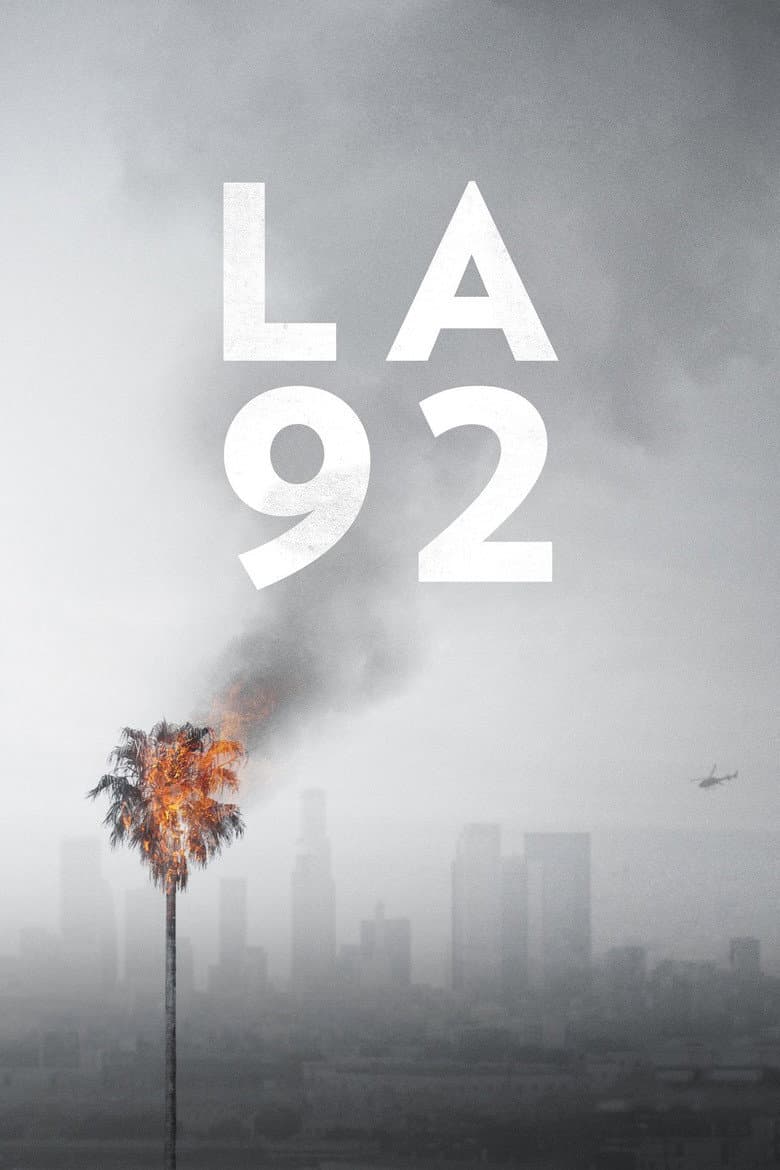
LA 92 follows Rodney King and the people of Los Angeles before, during, and after the 1992 riots. The film begins with the 1965 Watts uprising, then shows the shooting of Latasha Harlins, the beating of King, and the trial of four police officers. Their not-guilty verdict sparks protests, fires, looting, and attacks across the city. Old news reports, police recordings, and home videos make the film raw, frightening, and close to the action.
The film makes race and police treatment of Black citizens the main cause-and-effect thread. It shows anger over the courts, poverty, and long distrust of police building across the city. It also links the 1992 events with later protests, which presents the story as an unresolved problem that still needs change. The film includes Black, Korean, Latino, and white voices from the period, but its strongest message is about racial injustice and police power.
Community feedback
Was our 62% Woke rating accurate?
Breakdown
These are the editorial factors and ratings behind our score for LA 92.
Woke representation / casting
Not present. The documentary uses real people and archival footage instead of an acted cast. No identity-based casting choice is part of the title.
0%
Woke political dialogue
The film includes repeated news speeches about racism, police abuse, anger, and the need for change. Maxine Waters defends the anger of Black protestors in one major clip. Rodney King asks people to stop the violence, while other speakers connect the unrest to unfair treatment. The film uses period footage instead of a new narrator, but these lines still give the story a clear activist edge.
42%
Identity-driven story themes
The film centers on racial conflict among Black residents, police, and other Los Angeles communities. The footage treats the beating of Rodney King, the death of Latasha Harlins, and the court outcomes as the roots of public anger. The film links police power, race, poverty, and distrust to later protests, so the problem is shown as continuing. The film also gives space to Korean, Latino, Black, and white residents, which makes race and group identity central to the whole story.
68%
Western institutional / cultural critique
The film shows the LAPD beating King and the courts clearing the officers. The footage shows police leaders, judges, and city officials losing public trust as violence spreads. The film reaches back to Watts and forward to later protests, which suggests that American institutions have not solved racial and police problems. The film does not center its message on capitalism, Christianity, or family roles.
52%
Woke character or canon changes
Not relevant. The film records real historical people and events. It does not recast a fictional character or change a historical person’s identity.
0%
Anti-woke backlash and complaints
Not present. The X research found no anti-woke campaign or review-bombing. Web reviews mostly praised the footage or debated missing context, not woke or DEI messaging.
0%
Creator track record context
T.J. Martin and Daniel Lindsay have a history of films about race, class, and inequality. Sarah Gibson has a strong social-justice and LGBTQ-focused documentary record. Jonathan Chinn and Tim Pastore have backed projects about racial conflict and social division. Simon Chinn and Matt Renner have broader records, so the combined context is meaningful but not fully activist.
46%
Production
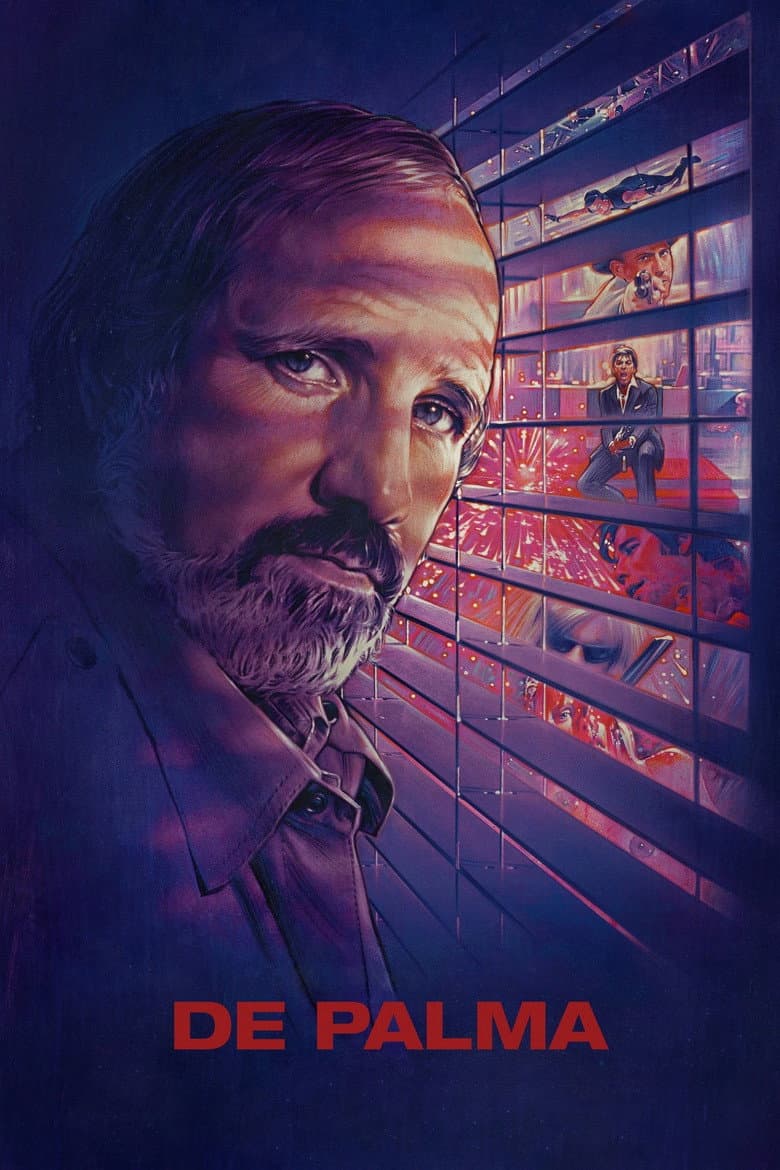
Movie · 2016
An intimate conversation between filmmakers, chronicling De Palma’s 55-year career, his life, and his filmmaking process, with revealing anecdotes and, of course, a wealth of film…
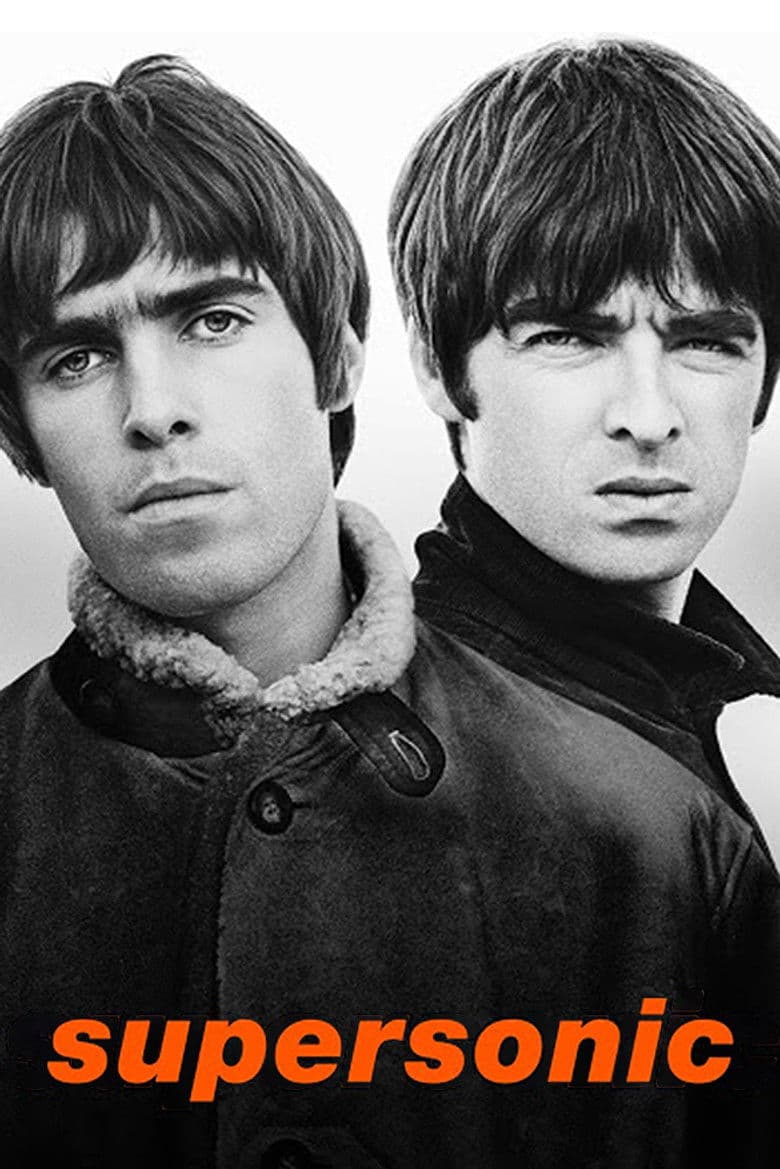
Movie · 2016
Supersonic charts the meteoric rise of Oasis from the council estates of Manchester to some of the biggest concerts of all time in just three short years.

Movie · 2021
This documentary offers a deeply intimate look at extraordinary teenager Billie Eilish. Award-winning filmmaker R.J.
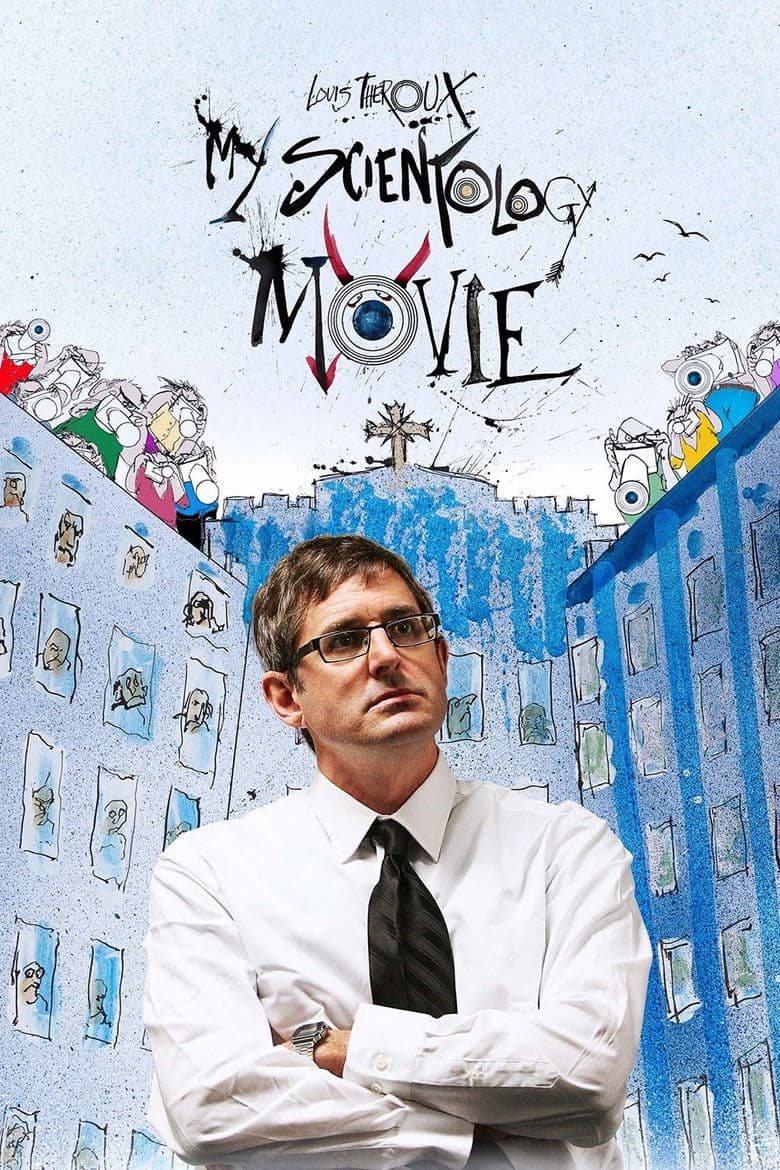
Movie · 2016
After being denied access to the Church of Scientology's headquarters, documentarian Louis Theroux teams up with ex-Scientology official Marty Rathbun to stage re-enactments of…
Movie · 2021
For over 40 years Val Kilmer, one of Hollywood’s most mercurial and/or misunderstood actors has been documenting his own life and craft through film and video.
Movie · 2023
His love of film began as an escape from a rocky childhood. From underdog to Hollywood legend, Sylvester Stallone tells his story in this documentary.
Movie · 2016
Werner Herzog's exploration of the Internet and the connected world.
Movie · 2017
An intimate journey through the formative years of David Lynch's life. From his idyllic upbringing in small town America to the dark streets of Philadelphia, we follow Lynch as he…
