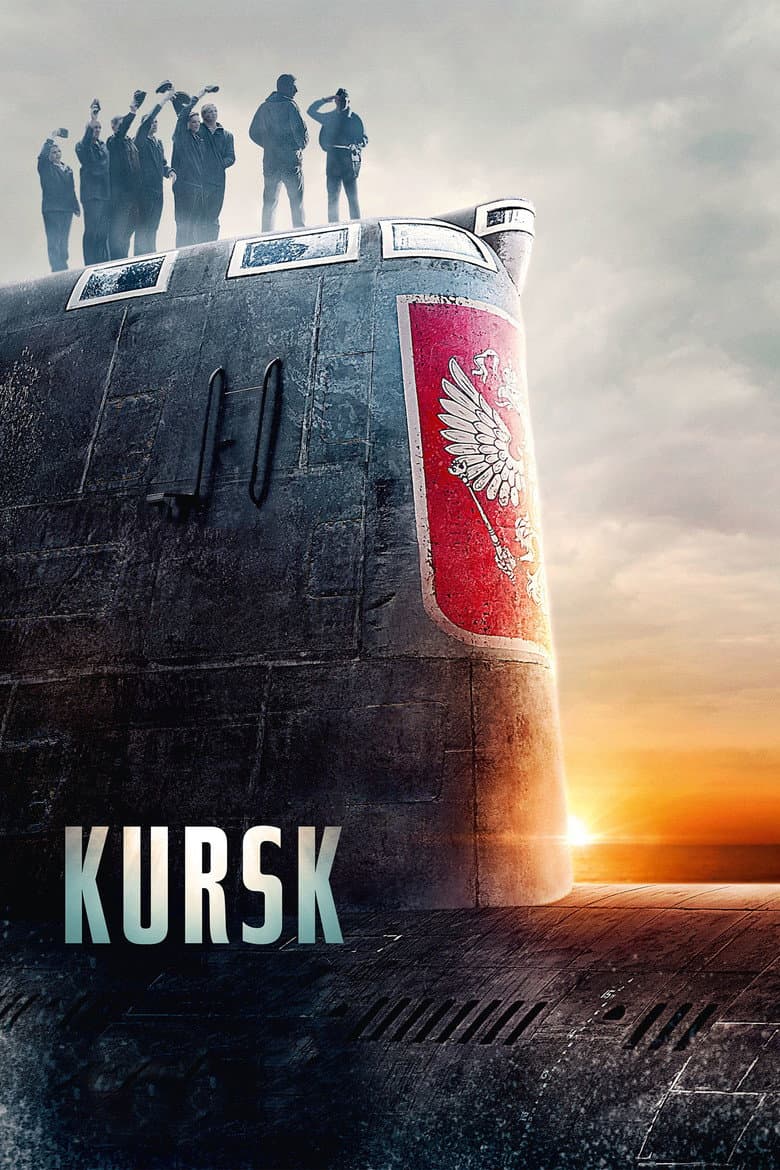
Kursk follows Mikhail Averin, a Russian submarine officer and family man, during a naval exercise in the Barents Sea in 2000. A blast sinks the K-141 Kursk and traps Mikhail with sailors who survived the first explosion. Their families wait for news while a British officer tries to send a rescue team. The film has a grim, tense, and sad tone as time, air, and hope run out.
The story focuses on courage, family love, duty, and the close bond among sailors. Tanya Averin becomes a strong voice for the families as officials hide facts and delay help. The film shows Russian officers who want to save the men but cannot overcome fear, secrecy, and broken equipment. Its main message is that human life and loyalty matter more than military pride or national borders.
Community feedback
Was our 11% Woke rating accurate?
Breakdown
These are the editorial factors and ratings behind our score for Kursk.
Woke representation / casting
The film uses Belgian, French, German, Danish, Swedish, and British actors for a Russian setting, and the Russian characters speak English. This makes the cast visibly unlike the real setting. The choice was explained as an international European production choice, not as a diversity campaign. The mismatch gives a small casting signal, but no quota-style minority pattern appears.
16%
Woke political dialogue
Not present. The film has arguments about military secrecy, foreign rescue help, and government lies. Those arguments concern the real disaster and do not use modern identity or activist language.
0%
Identity-driven story themes
Not present. The story centers on sailors, spouses, children, duty, and grief. It does not make race, sex, sexuality, or group identity the main subject.
0%
Western institutional / cultural critique
Not present. The film blames Russian military pride, poor equipment, and official secrecy for the failed rescue. It does not turn that historical failure into a modern attack on family life, men, religion, or Western culture.
0%
Woke character or canon changes
Not relevant. The film gives Mikhail a wife, son, and unborn child even though the real captain did not have children. The change combines several sailors’ stories for drama and is not an identity-driven rewrite.
0%
Anti-woke backlash and complaints
Not present. The supplied X pass found no anti-woke posts or specific complaints. Broader coverage focused on accuracy, English dialogue, and Russia’s rescue response, not woke or DEI messaging.
0%
Creator track record context
Thomas Vinterberg and Robert Moore have no high-confidence record of activist or DEI work. Robert Rodat’s prior work gives a mild context signal through mainstream war and action stories. Some producers have credits on queer or gender-themed films, but no clear personal activism is tied to this movie.
13%
Production

Movie · 2021
Jim Hanson’s quiet life is suddenly disturbed by two people crossing the US/Mexico border – a woman and her young son – desperate to flee a Mexican cartel.

Movie · 2018
A geologist races against time to save his estranged wife and two children when a devastating earthquake strikes Oslo, Norway.
Movie · 2017
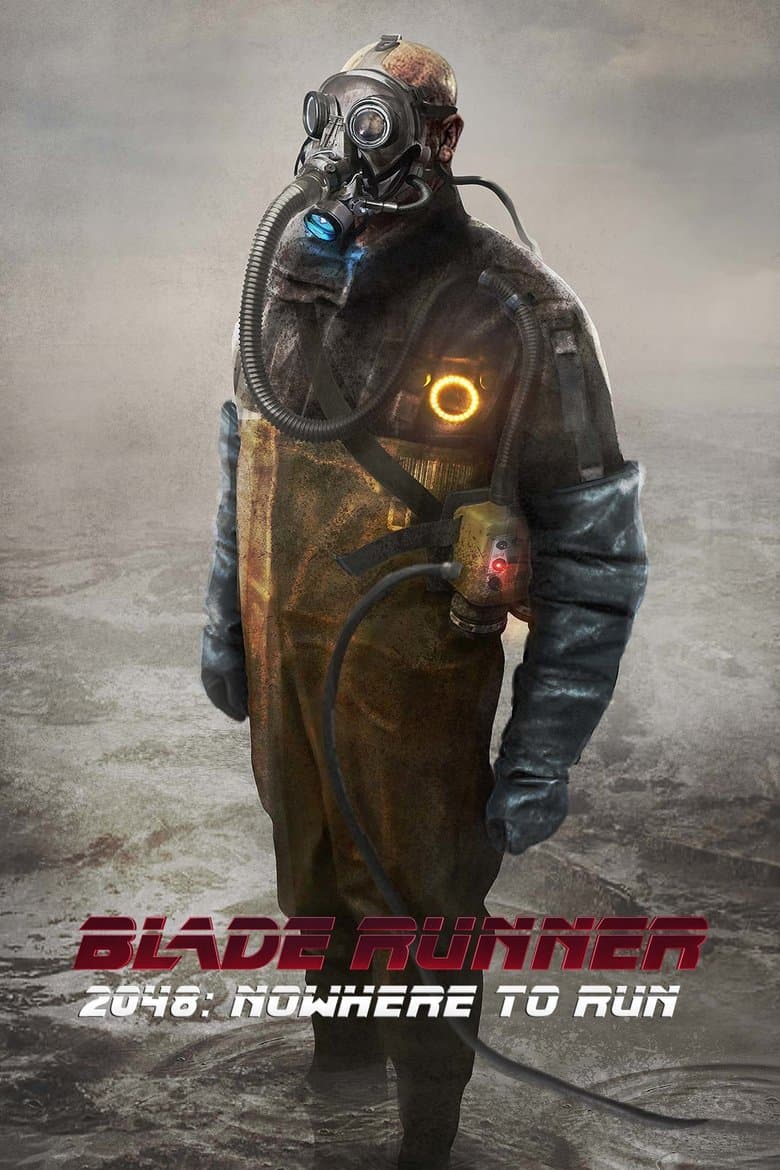
“2048: Nowhere to Run” takes place one year before the events of Blade Runner 2049. The short film focuses on Sapper, a man who is trying to make it through life day-by-day…
Movie · 2016
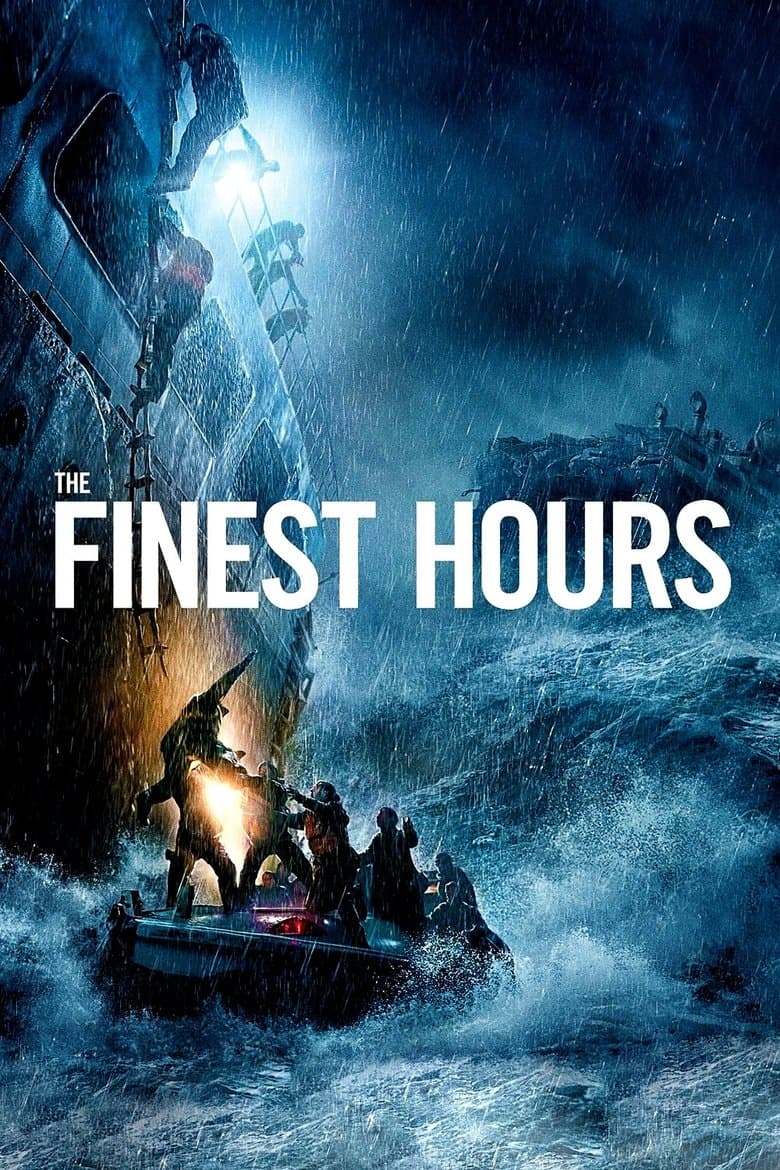
The Coast Guard makes a daring rescue attempt off the coast of Cape Cod after a pair of oil tankers are destroyed during a blizzard in 1952.

Movie · 2016
As a huge electrical storm sweeps towards Texas, lineman Beau Ginner is haunted by memories of his brother's death by lightning years earlier.

Movie · 2017
An American sniper and his spotter engage in a deadly cat-and-mouse game with an Iraqi sniper.

Movie · 2016
An American Ambassador is killed during an attack at a U.S. compound in Libya as a security team struggles to make sense out of the chaos.
Movie · 2016
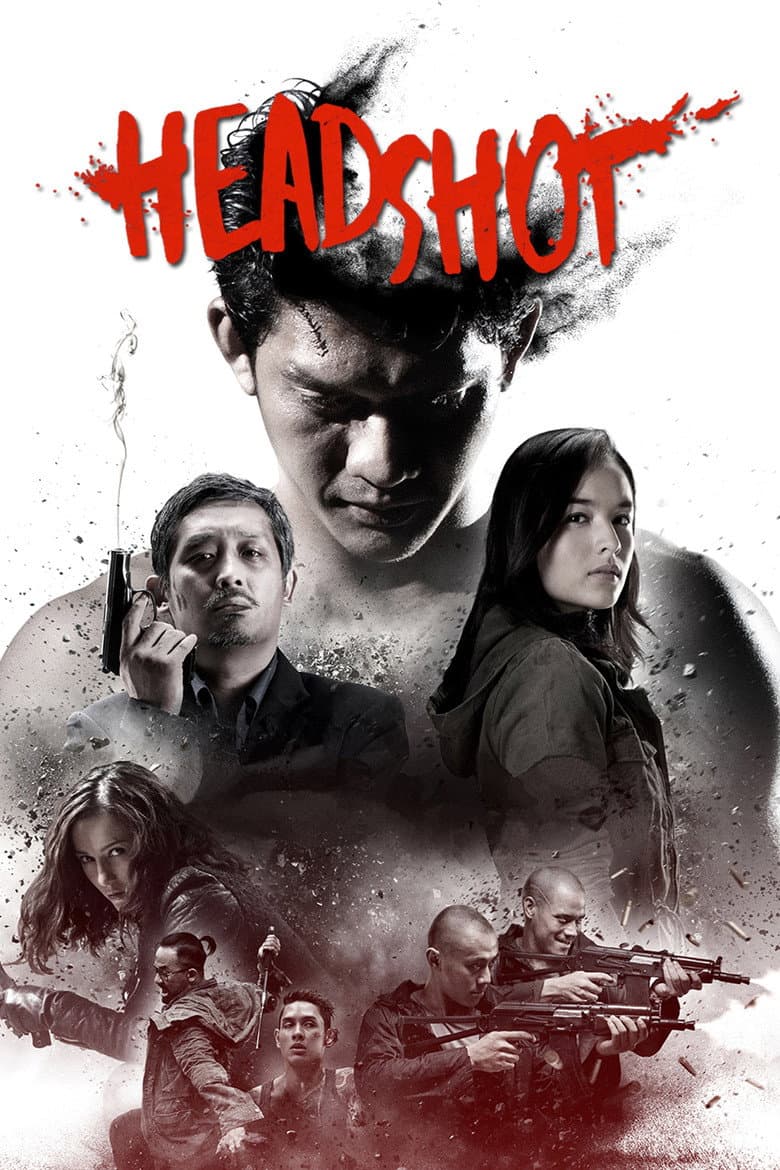
A young man washes ashore, his memory gone - but his past comes back to haunt him after he is nursed back to health and his killing ability is needed when he takes on a powerful…
