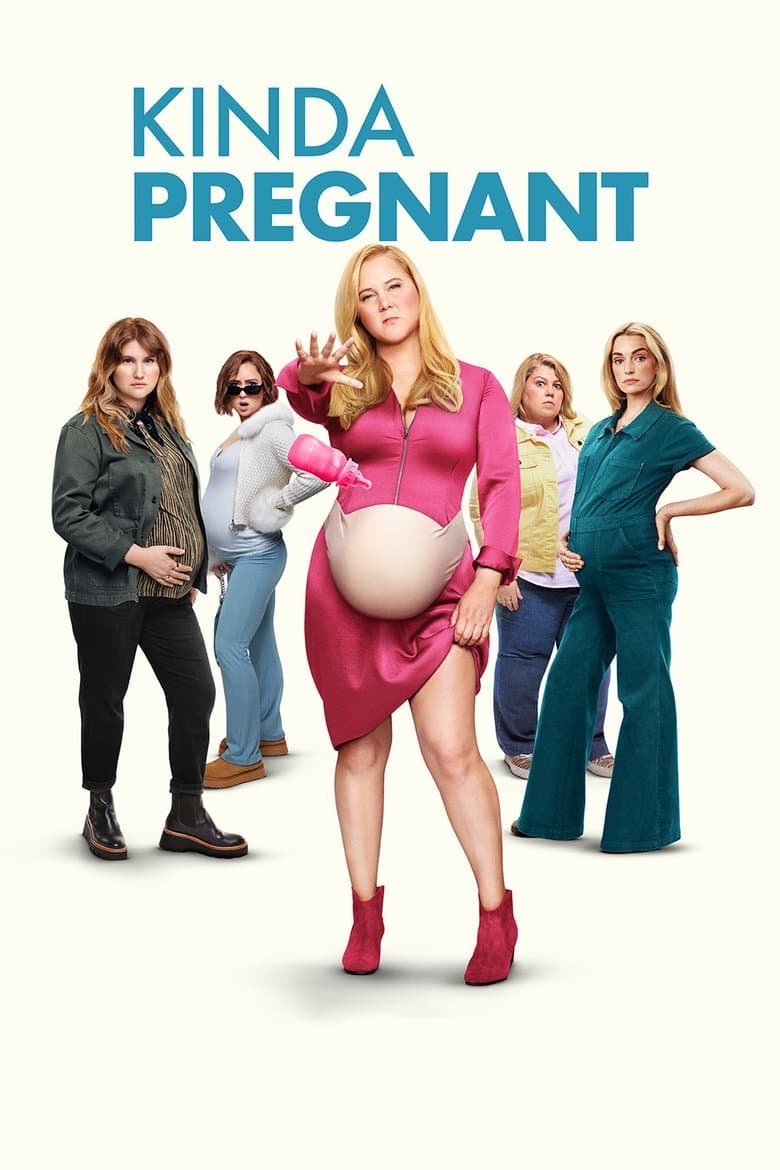
Lainy Newton is a Brooklyn teacher in her early forties who has wanted a husband and child since she was young. Her boyfriend ends their four-year relationship by asking for a threesome when she expects a proposal, and her best friend then announces a pregnancy. Lainy wears a fake baby bump so strangers will treat her like a mother, but the lie grows after she meets a pregnant woman and falls for the woman’s brother. The movie uses loud jokes, sex humor, physical comedy, and painful moments about jealousy, loneliness, friendship, and the wish to belong.
The film keeps its focus on women talking about pregnancy, birth, the body, motherhood, and the pressure to reach the same life stage as friends. The women support one another through shame, fear, jealousy, and a painful friendship fight, and the story treats that support as a source of strength. The film also jokes that pregnant women receive kinder treatment while several men appear selfish, foolish, or weak. These ideas recur through the story, but the movie does not turn them into direct political speeches or a broad campaign message.
Community feedback
Was our 41% Woke rating accurate?
Breakdown
These are the editorial factors and ratings behind our score for Kinda Pregnant.
Woke representation / casting
The central roles are mostly women, including Lainy, Kate, Megan, Shirley, and Fallon. That mix fits a story about pregnancy and female friendship, so it is not a strong setting mismatch. The production also presents the mostly female group as an empowering choice. The identity signal is mild and does not dominate the story.
24%
Woke political dialogue
Not present. The characters joke about sex, pregnancy, dating, and Romeo and Juliet, but the film does not use clear repeated political or activist speeches.
0%
Identity-driven story themes
Lainy’s story is built around her wish to become a mother and her fear of falling behind other women. The film repeatedly discusses pregnancy, childbirth, body changes, jealousy, and pressure to reach the same life stage as friends. The women build a circle of support that the story presents as honest, empowering, and important to healing. These identity-driven themes are central, but they appear in a comedy instead of a direct political program.
43%
Western institutional / cultural critique
The film shows strangers giving Lainy better treatment when they think she is pregnant, which criticizes how society treats pregnant women. The story also makes her ex selfish and several men foolish while the women carry most of the emotional weight. The film criticizes social pressure around pregnancy, but it does not attack religion, capitalism, family, or a major Western institution. The critique stays inside the comedy and never becomes a broad activist argument.
30%
Woke character or canon changes
Not relevant. The film is an original story about Lainy and does not change an established character, canon, or real historical event.
0%
Anti-woke backlash and complaints
One small X account called the film feminist propaganda and told feminism to “fuck off” after watching it. That account had about two likes and low views, so the complaint had little reach. Broader X discussion focused mostly on poor quality or on a separate boycott of Amy Schumer over Gaza comments. No large anti-woke campaign, race or gender-swap complaint, or review bomb was found. This is evidence of a fringe reaction, not proof that the label fits the film.
12%
Creator track record context
Amy Schumer’s 40/100 creator context reflects public work about body positivity, female self-acceptance, and pressure on women’s bodies. Those themes fit this film’s focus on pregnancy, motherhood, and female friendship. Julie Paiva’s context is 3/100 and Tyler Spindel’s is 0/100, with no clear activist record. The other producers have scores from 0 to 8/100 and are mainly linked to mainstream comedy. The combined creator context is mild rather than strong.
26%
Production
Movie · 2020
A guy meets the woman of his dreams and invites her to his company's corporate retreat, but realizes he sent the invite to the wrong person.
Movie · 2023
A straight-laced bank manager is about to marry the love of his life. When his bank is held up by infamous Ghost Bandits during his wedding week, he believes his future in-laws…
Movie · 2022
Two strangers believe in love but never seem to be able to find its true meaning. In a wild twist of events, fate puts each in the other's path on one stormy New Year's Eve.

Movie · 2019
Oh, Ramona! seeks the transformation of Andrew from a teenager into an adult who lives candidly and selflessly his first love story, innocent and uninvolved, alternating with the…

Movie · 2018
Titu is going to marry a perfect woman named Sweety. Titu's best-friend Sonu doubts Sweety's character and tries to break the marriage while Sweety tries to do opposite and which…
Movie · 2018
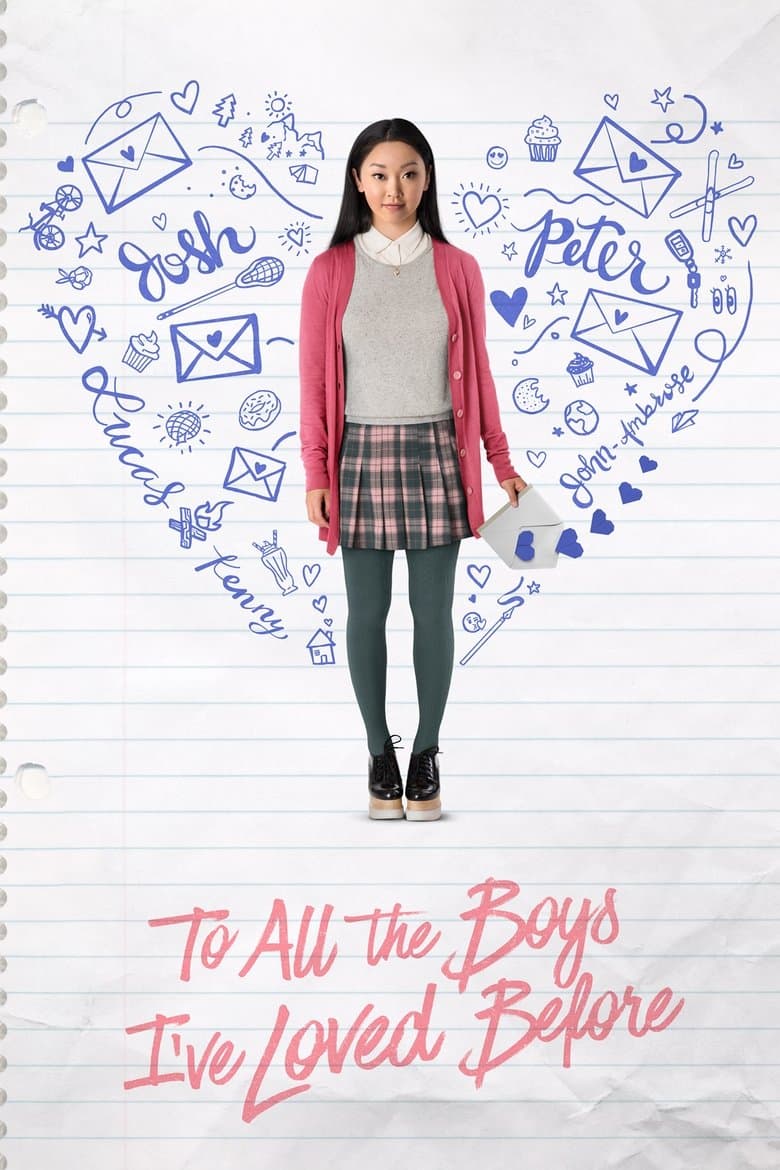
Lara Jean's love life goes from imaginary to out of control when her secret letters to every boy she's ever fallen for are mysteriously mailed out.

Movie · 2022
Students Hayley and James are young and in love. After saying goodbye for Christmas at a London train station, they both make the same mad split-second decision to swap trains and…

Movie · 2018
A quirky couple spends their three-year dating anniversary looking back at their relationship and contemplating whether they should break up.
