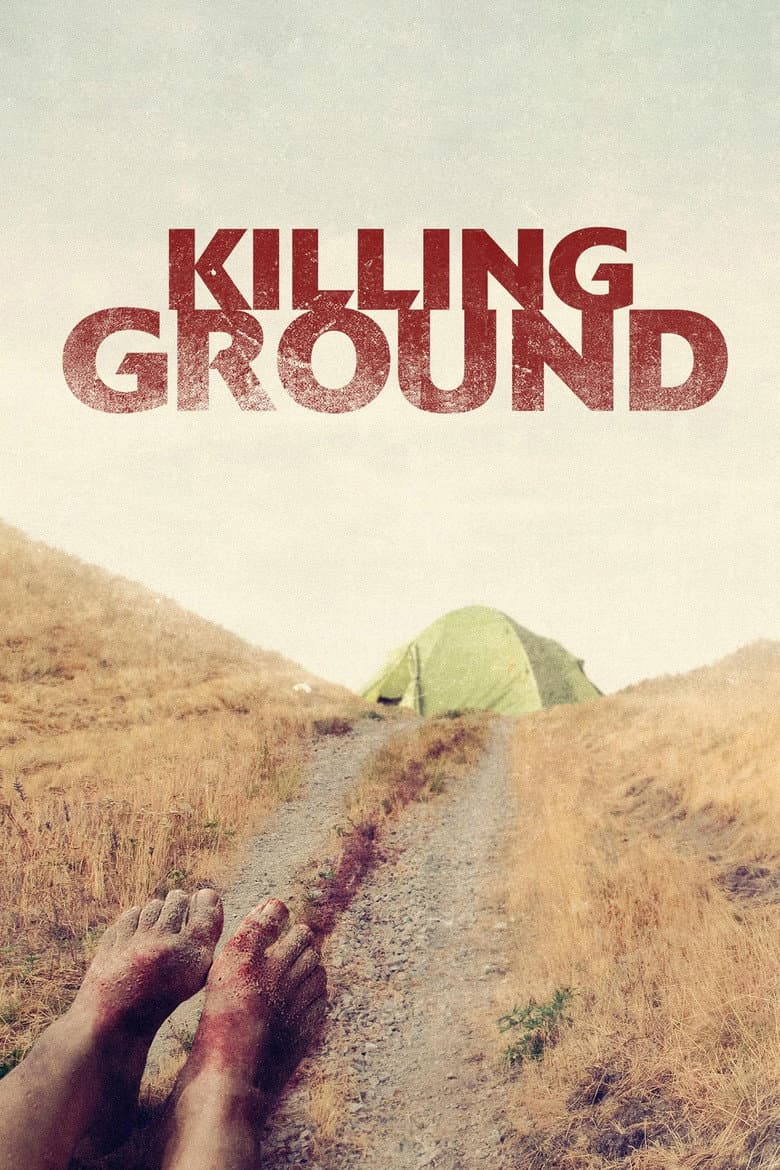
Sam and Ian drive from the city to a quiet camping site in the Australian bush for New Year’s Eve. They find an empty tent, a missing family, and a hurt toddler, then learn that two local men have been killing campers. The film cuts between the couple’s fight to escape and the earlier attack on the family. Its tone is bleak, tense, and very violent, with a grim ending that leaves some questions open.
A short conversation says the campsite is on ground where settlers once killed local Indigenous people. The film uses that history to make the land feel tied to older violence, but the reference stays brief and does not become a long political story. Sam also becomes the main protector of the toddler while Ian often freezes or runs away. Her survival choices and final fight with Chook give the film a clear female-strength and male-failure thread inside its wider story about fear, courage, and the damage caused by violence.
Community feedback
Was our 31% Woke rating accurate?
Breakdown
These are the editorial factors and ratings behind our score for Killing Ground.
Woke representation / casting
The film gives a major villain role to Indigenous actor Aaron Pedersen, although German was not originally written as Indigenous. The choice links the character to the film’s brief history of violence against Indigenous people. The rest of the main cast is mostly white, so the film does not show a broad representation-first pattern.
18%
Woke political dialogue
The film includes a short conversation about the campsite being ground where settlers killed local Indigenous people. The dialogue connects the setting to Australia’s history of colonial violence. The idea appears briefly and does not become a repeated political message.
22%
Identity-driven story themes
Sam becomes the main protector of the toddler and keeps acting while Ian repeatedly freezes or runs away. Ian’s choices change how Sam views their future together. The story creates a noticeable female-strength and male-failure thread, but it presents that thread through a survival crisis rather than a broad activist message.
34%
Western institutional / cultural critique
The film links the campsite to settlers killing local Indigenous people and treats the land as holding the memory of violence. That creates a mild cultural critique about Australia’s treatment of Indigenous people. The movie does not attack modern institutions, capitalism, religion, or ordinary family life.
24%
Woke character or canon changes
Not relevant. The film is an original story with no established characters, source material, or real historical figures being changed. The Indigenous history reference is part of the setting.
0%
Anti-woke backlash and complaints
Not present. Audience complaints focused on violence, sexual assault, the ending, and character choices rather than woke, DEI, or identity politics messaging.
0%
Creator track record context
Damien Power has a low cached score linked to social criticism without a strong DEI profile. Most producers and crew members also have low cached scores. Lisa Shaunessy has a higher score because of feminist and queer work, but that influence is not clear in this title. The combined creator context is low to mild.
16%
Production
Movie · 2017
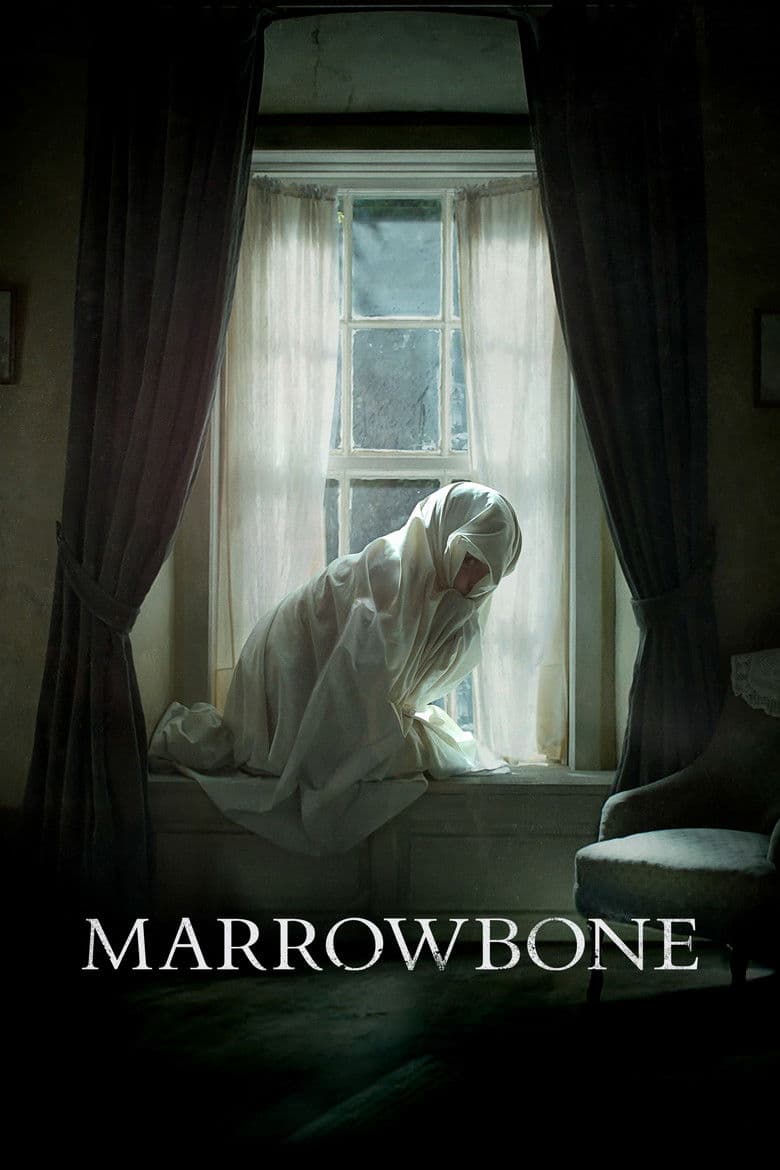
A young man and his three younger siblings are plagued by a sinister presence in the sprawling manor in which they live.
Movie · 2019
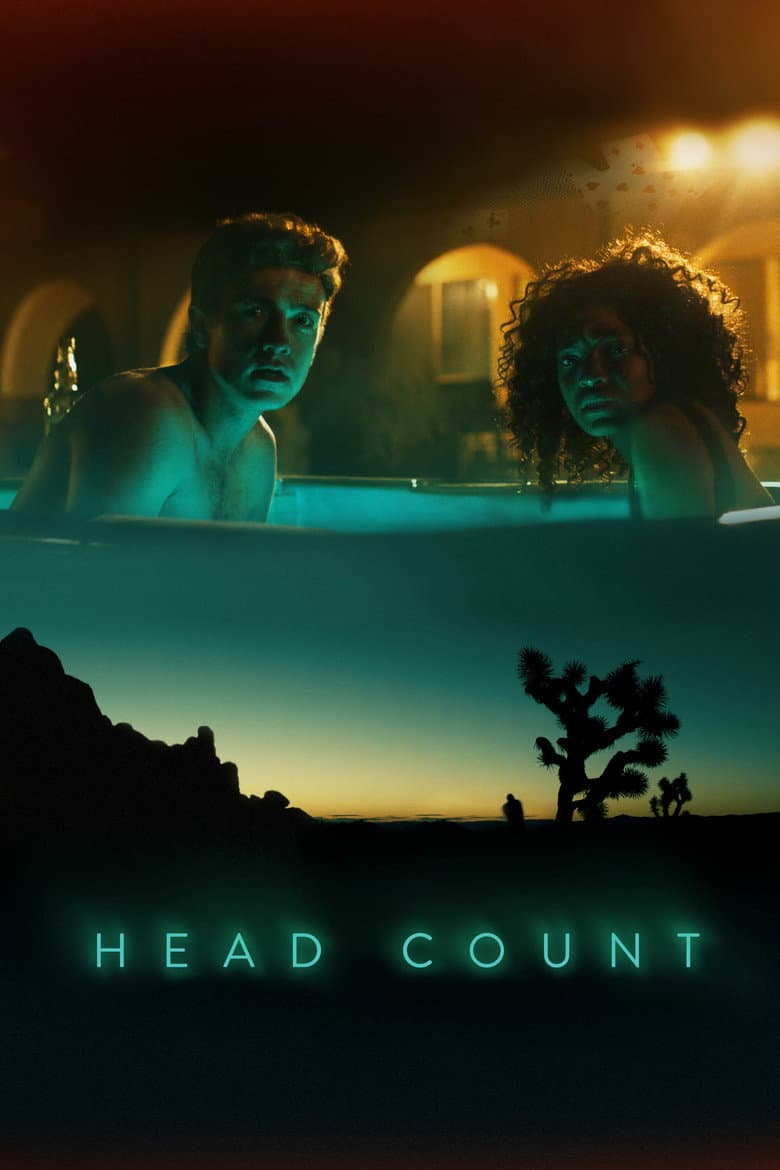
Newcomer Evan joins a group of teens on a getaway in Joshua Tree. While exchanging ghost stories around the campfire, Evan reads aloud a mysterious chant from an internet site.
Movie · 2019
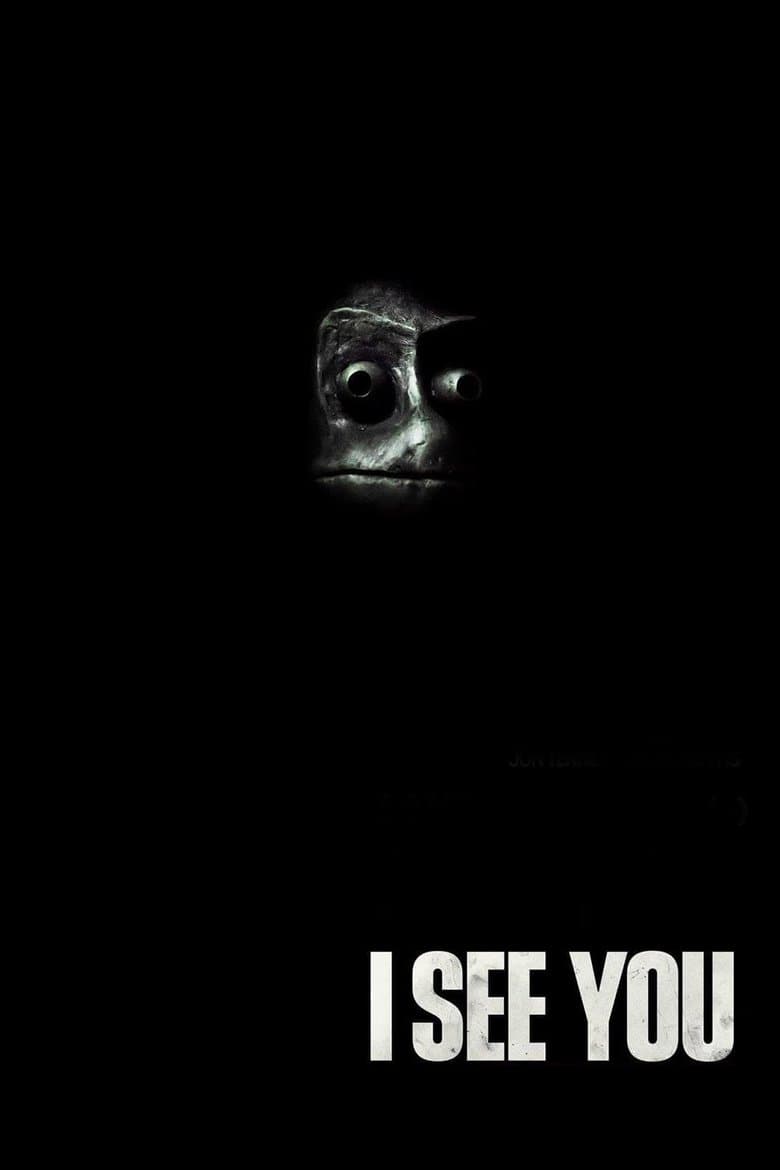
When a 12-year-old boy goes missing at a local park, a detective investigates the case to help the boy's family find answers.
Movie · 2016
Set in the Aokigahara Forest, a real-life place in Japan where people go to end their lives. Against this backdrop, a young American woman comes in search of her twin sister, who…
Movie · 2017
1920, rural Ireland. Anglo-Irish twins Rachel and Edward share a strange existence in their crumbling family estate.
Movie · 2024
After the brutal murder of her twin sister, Darcy goes after those responsible by using haunted items as her tools for revenge.
Movie · 2026
The host of a popular paranormal podcast becomes haunted by terrifying recordings mysteriously sent her way.

Movie · 2019
When a huge hurricane hits her hometown in Florida, Haley ignores evacuation orders to look for her father. After finding him badly wounded, both are trapped by the flood.
