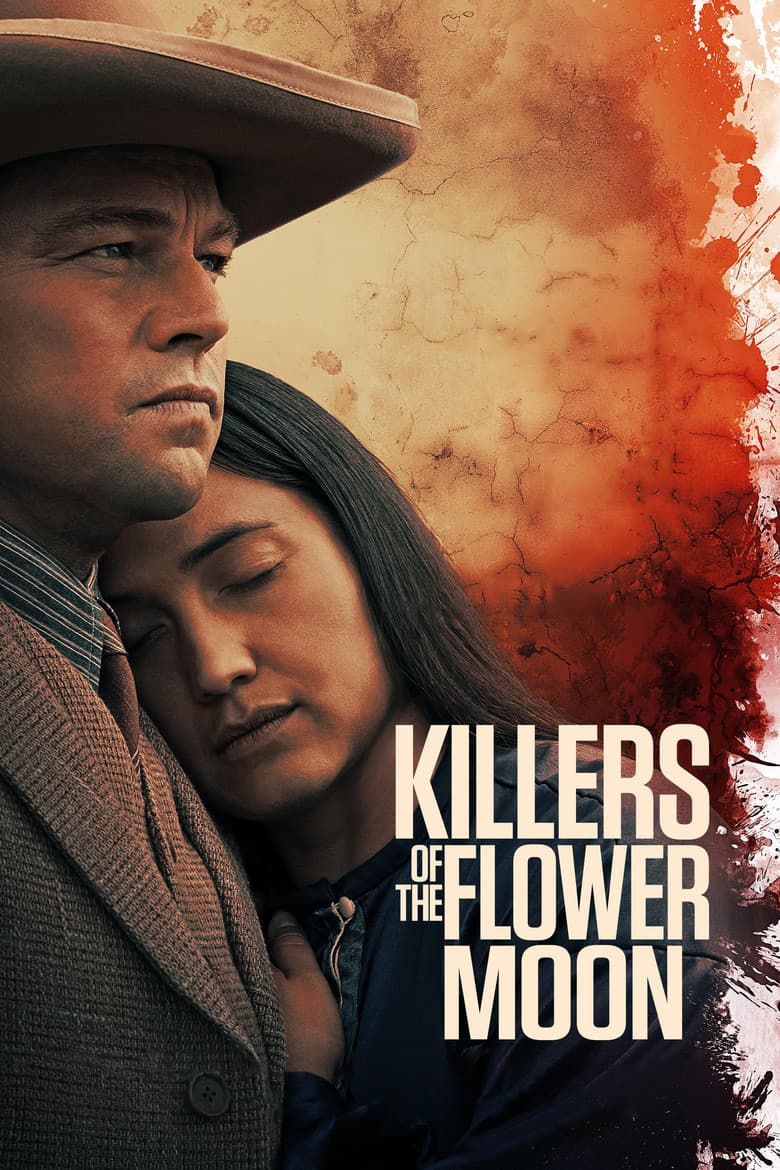
In 1920s Oklahoma, oil makes the Osage Nation very rich. World War I veteran Ernest Burkhart moves in with his powerful uncle, William Hale, and marries Osage woman Mollie Kyle. Hale and others plot to kill Osage people, including Mollie’s family, so they can steal oil money through inheritance. The story is a long, dark crime drama about greed, lies, and murder, told in a serious and heavy tone.
A normal viewer would clearly notice that the movie is about white people killing native people for money. Race and power sit at the center of the plot, not as a side detail. The film shows unfair laws that put white “guardians” in charge of Osage money, corrupt local courts, and a community under attack. Marketing and awards talk also pushed Lily Gladstone’s Osage role as a big Indigenous spotlight. The movie stays grounded in a true historical crime, not modern queer storylines or slogan-style lectures, but the race-based theft and American-institution critique are hard to miss.
Community feedback
Was our 56% Woke rating accurate?
Breakdown
These are the editorial factors and ratings behind our score for Killers of the Flower Moon.
Woke representation / casting
Main Osage roles are played by Indigenous actors, matching the real history, not race-swaps. White leads play real white figures. Marketing and awards talk still made Gladstone’s casting a big “Indigenous representation” moment, so some identity spotlight is audience-visible, but the casting fits the story world.
28%
Woke political dialogue
Characters talk about money, marriage, murder plots, and the unfair guardian rules that let white men control Osage wealth. That is political in a historical way. Viewers do not get long modern slogan speeches about privilege, DEI, or today’s activist language.
22%
Identity-driven story themes
The whole story is race-shaped: Osage wealth, white greed, interracial marriage used as a tool, and killings to steal headrights. Viewers cannot miss that Indigenous people are targeted because of who they are and what they own. The film also frames the events as a dark American cultural crime. It stays tied to real 1920s history more than to modern identity-politics plot devices.
48%
Western institutional / cultural critique
Local law, courts, doctors, and business power are shown protecting killers and cheating Osage people. The guardian system and community corruption read as a hard look at American institutions and white power in that era. Some coverage and creator talk frame it as a mirror of “who we are.” That is stronger than plain crook-vs-cop crime, but it is still historical wrongdoing more than a present-day activist pamphlet.
46%
Woke character or canon changes
Real people are not gender-swapped or turned into different races. The big change is moving the focus from the book’s FBI/hero-agent path to the Ernest–Mollie marriage and Osage suffering, after concern about centering white investigators. That is partly an identity-aware storytelling choice, not a full rewrite of who the people were.
28%
Anti-woke backlash and complaints
Some conservatives and anti-woke voices called the film white-guilt prestige or Scorsese’s woke turn. Social posts with “woke” or propaganda labels exist. The complaints are clear but not huge in size compared with major franchise culture-war fights.
24%
Creator track record context
Key names mostly have low stored scores (Scorsese, Grann, Roth, many producers). DiCaprio’s higher progressive/environment profile and a few mid-low crew scores pull the average up slightly, but this is not a crew built around identity-first activism.
20%
Production
Movie · 2019
Pennsylvania, 1956. Frank Sheeran, a war veteran of Irish origin who works as a truck driver, accidentally meets mobster Russell Bufalino.
Movie · 2018
The true story of Forrest Tucker, from his audacious escape from San Quentin at the age of 70 to an unprecedented string of heists that confounded authorities and enchanted the…
Movie · 2019
In the wake of his dramatic escape from captivity, Jesse Pinkman must come to terms with his past in order to forge some kind of future.
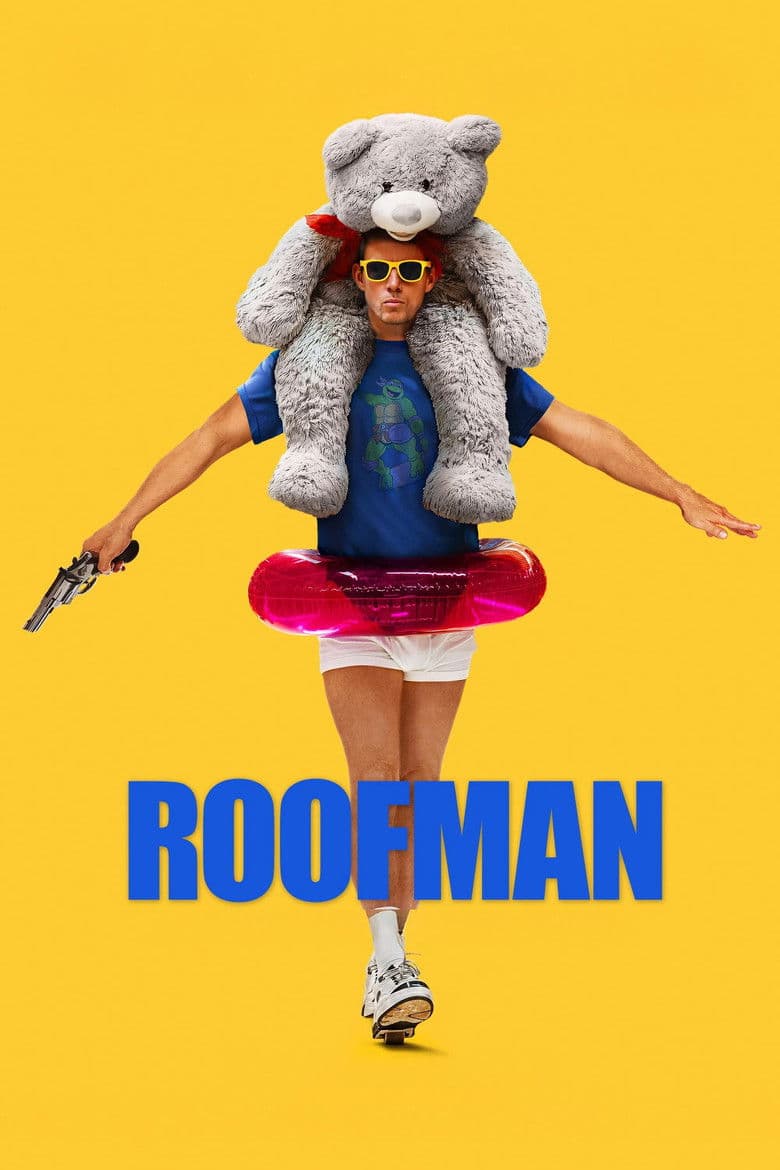
Movie · 2025
A former Army Ranger and struggling father turns to robbing McDonald’s restaurants by cutting holes in their roofs, earning him the nickname "Roofman." After escaping prison, he…
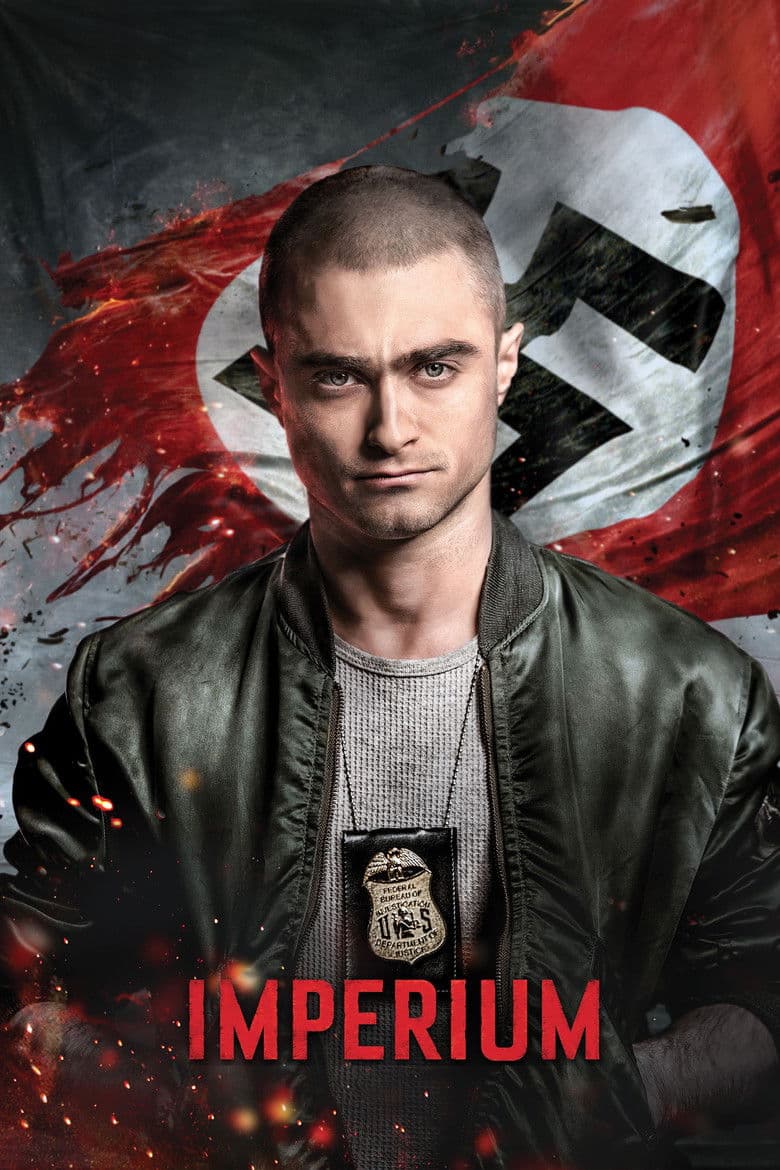
Movie · 2016
Nate Foster, a young, idealistic FBI agent, goes undercover to take down a radical white supremacy terrorist group.
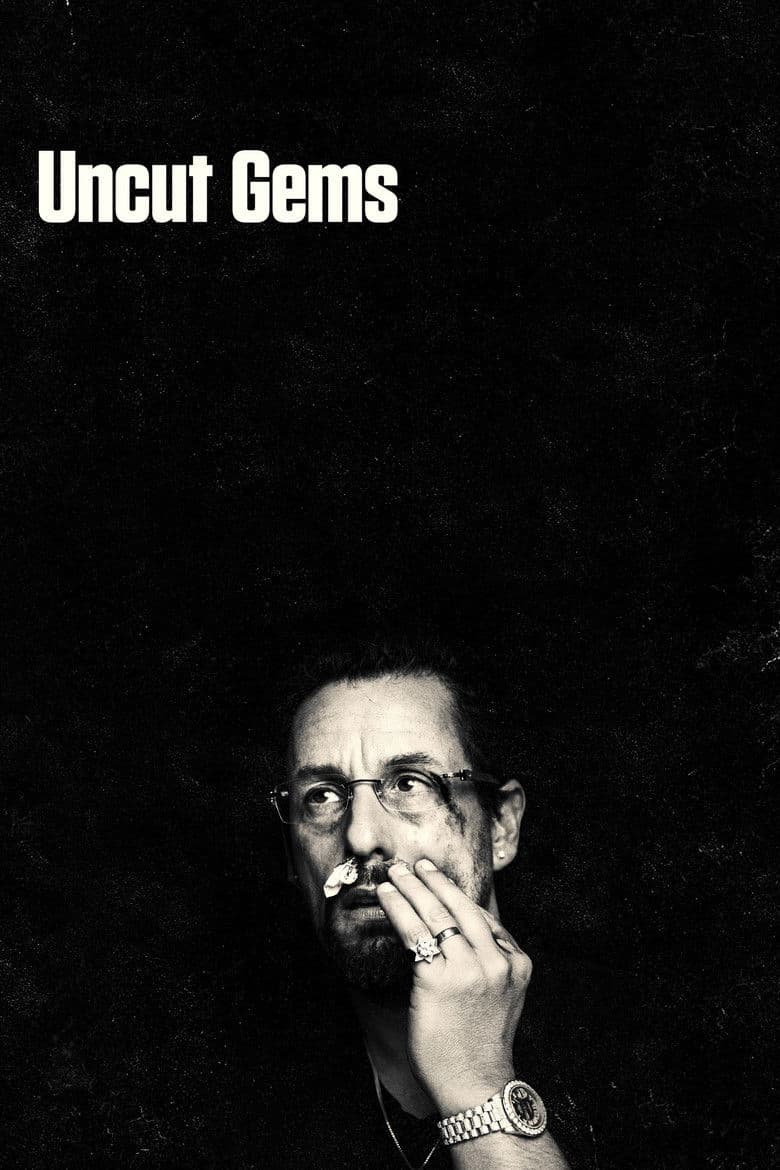
Movie · 2019
A charismatic New York City jeweler always on the lookout for the next big score makes a series of high-stakes bets that could lead to the windfall of a lifetime.
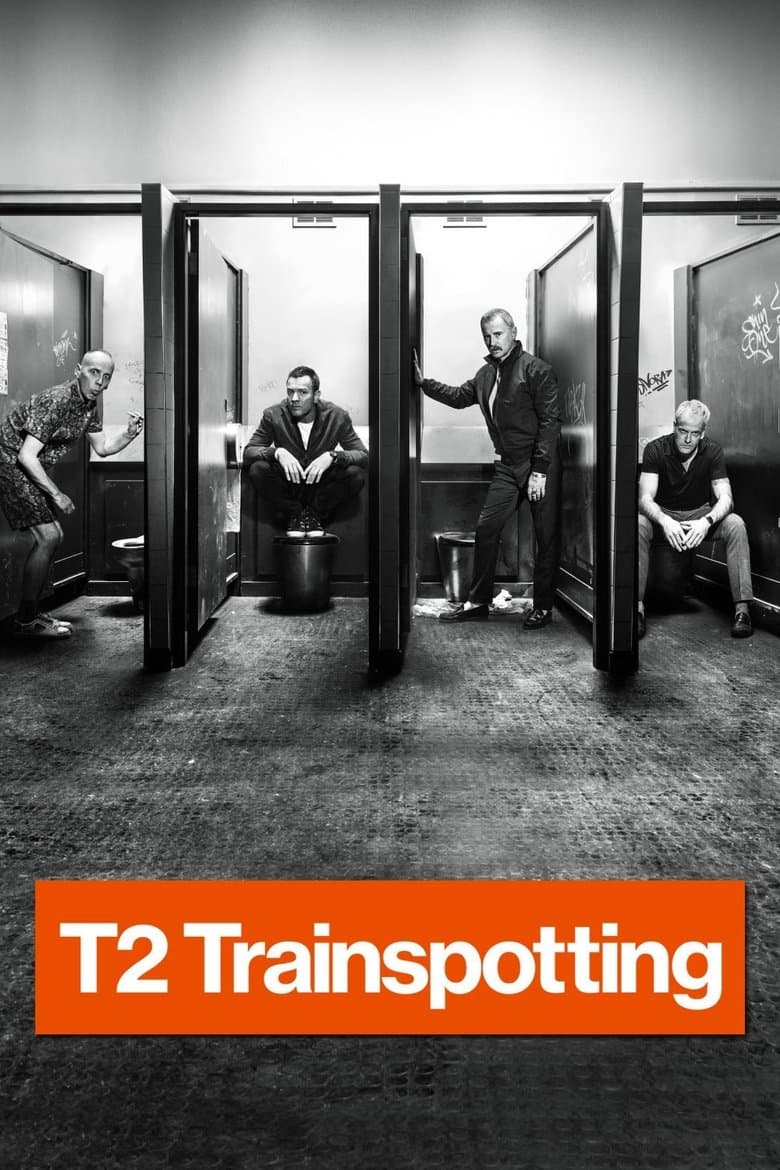
Movie · 2017
After 20 years abroad, Mark Renton returns to Scotland and reunites with his old friends Sick Boy, Spud and Begbie.
Movie · 2026
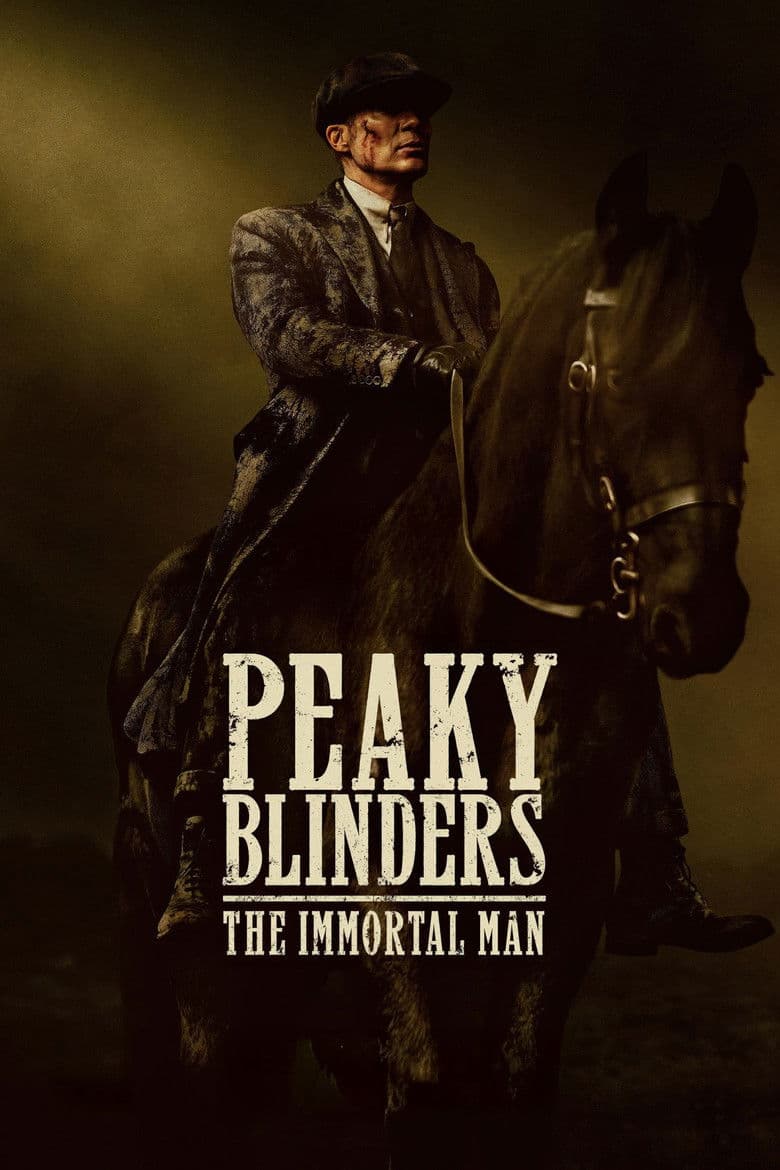
After his estranged son gets embroiled in a Nazi plot, self-exiled gangster Tommy Shelby must return to Birmingham to save his family — and his nation.
