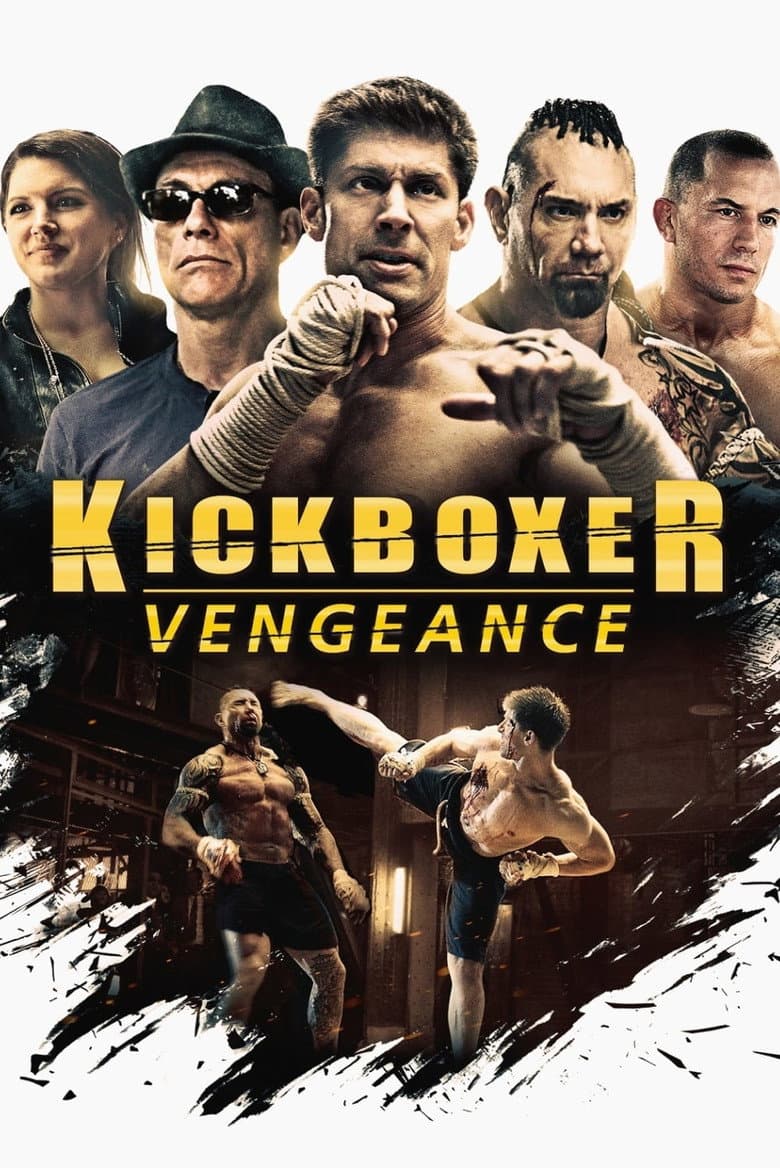
Kickboxer: Vengeance follows Kurt Sloane, a young American fighter who has lived in the shadow of his older brother, Eric. Eric travels from California to Thailand for a paid fight against the brutal Muay Thai champion Tong Po, and Tong Po kills him in the ring. Kurt then asks Eric’s former trainer, Master Durand, to teach him enough Muay Thai to face Tong Po. The film has a hard, bloody action tone, with revenge, training, and old-school martial arts at its center.
Brotherly loyalty and personal strength shape the story more than any larger cause. Kurt begins as a fighter who lacks confidence, but the training tests give him discipline and the will to finish what he started. Durand uses painful drills, strange challenges, and spiritual exercises to push Kurt past fear. The movie also adds corrupt police, criminal fight camps, a brief love story, and a large group of real martial artists, but these parts support Kurt’s final fight instead of changing the simple revenge story.
Community feedback
Was our 1% Woke rating accurate?
Breakdown
These are the editorial factors and ratings behind our score for Kickboxer: Vengeance.
Woke representation / casting
Not present. The film uses an international cast of American, Thai, Canadian, and European martial-arts performers. The movie does not make their identities part of the plot or frame the casting as a diversity message.
0%
Woke political dialogue
Not present. The spoken lines focus on fighting, revenge, training, crime, and personal courage. The movie does not use modern identity, DEI, or activist ideas in its dialogue.
0%
Identity-driven story themes
Not present. Kurt's main arc is a traditional revenge and training story built around brotherhood, discipline, and honor. The movie does not make race, gender, sexuality, or a modern social cause central to the story.
0%
Western institutional / cultural critique
Not present. The film shows corrupt police and a criminal fight camp as plot obstacles. It does not turn them into a modern critique of Western culture, family, religion, capitalism, or gender roles.
0%
Woke character or canon changes
Not relevant. The reboot moves Jean-Claude Van Damme from the old lead role to the trainer and gives Kurt to Alain Moussi. That changes the cast and story setup, but it does not make an identity-based change to the character or his hero role.
0%
Anti-woke backlash and complaints
Not present. Public comments mostly attack the remake's quality, acting, pacing, fights, or changes from the 1989 film. No reliable anti-woke or right-leaning complaint about DEI, identity politics, or activist messaging was found. X research also reported no such reaction.
0%
Creator track record context
The cached creator context notes Jean-Claude Van Damme's interest in animal welfare and conservation, which is a mild social cause signal. His stored score is 9, while Mark DiSalle's is 21 and most other listed creators are 0 or 11. The stored profiles do not show identity politics, DEI advocacy, queer-centered work, or a sustained activist pattern. That gives the title only a very weak creator track record context.
5%
Production

Movie · 2018
One year after the events of "Kickboxer: Vengeance", Kurt Sloan has vowed never to return to Thailand. However, while gearing up for a MMA title shot, he finds himself sedated and…
Movie · 2021
A widowed farmer and his son warily take in a mysterious, injured man with a satchel of cash. When a posse of men claiming to be the law come for the money, the farmer must decide…
Movie · 2020
The incredible true story of Vietnam War hero William H. Pitsenbarger, a U.S. Air Force Pararescuemen medic who personally saved over sixty men.

Movie · 2017
Set in a dugout in Aisne in 1918, a group of British officers, led by the mentally disintegrating young officer Stanhope, variously await their fate.
Movie · 2016
The story of a drifter named Paul who arrives in a small town seeking revenge on the thugs who murdered his friend.
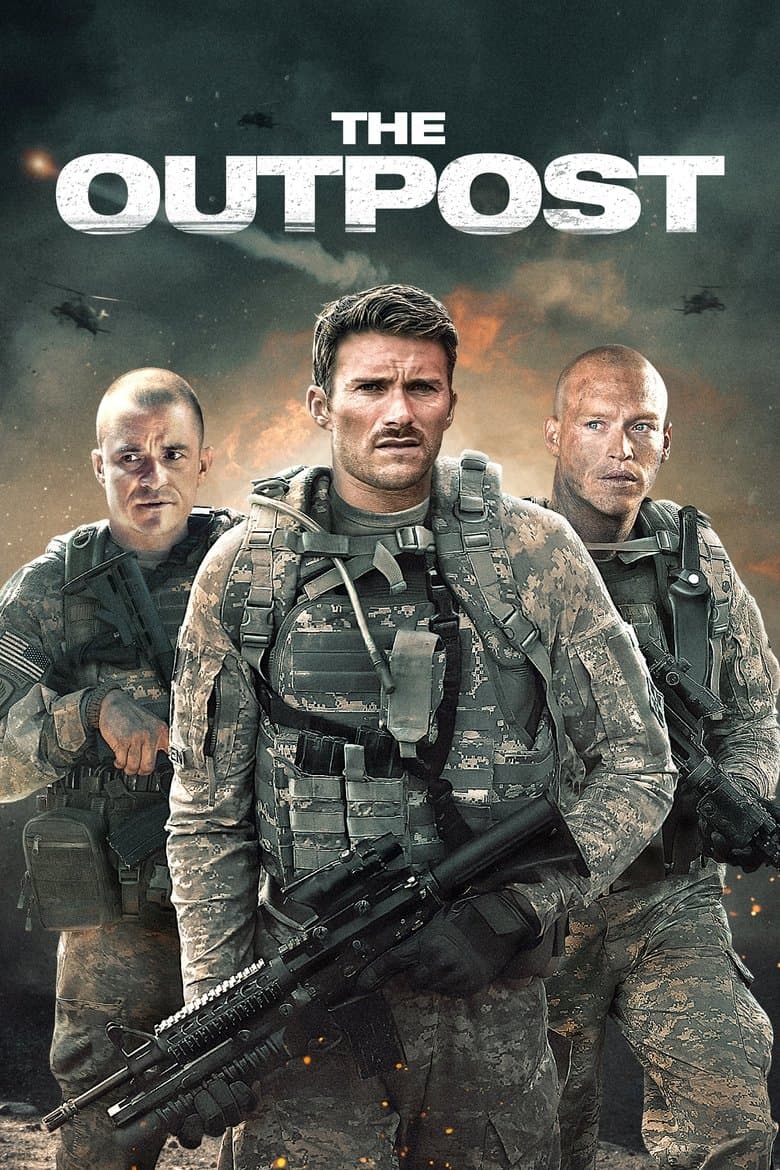
Movie · 2020
A small unit of U.S. soldiers, alone at the remote Combat Outpost Keating, located deep in the valley of three mountains in Afghanistan, battles to defend against an overwhelming…
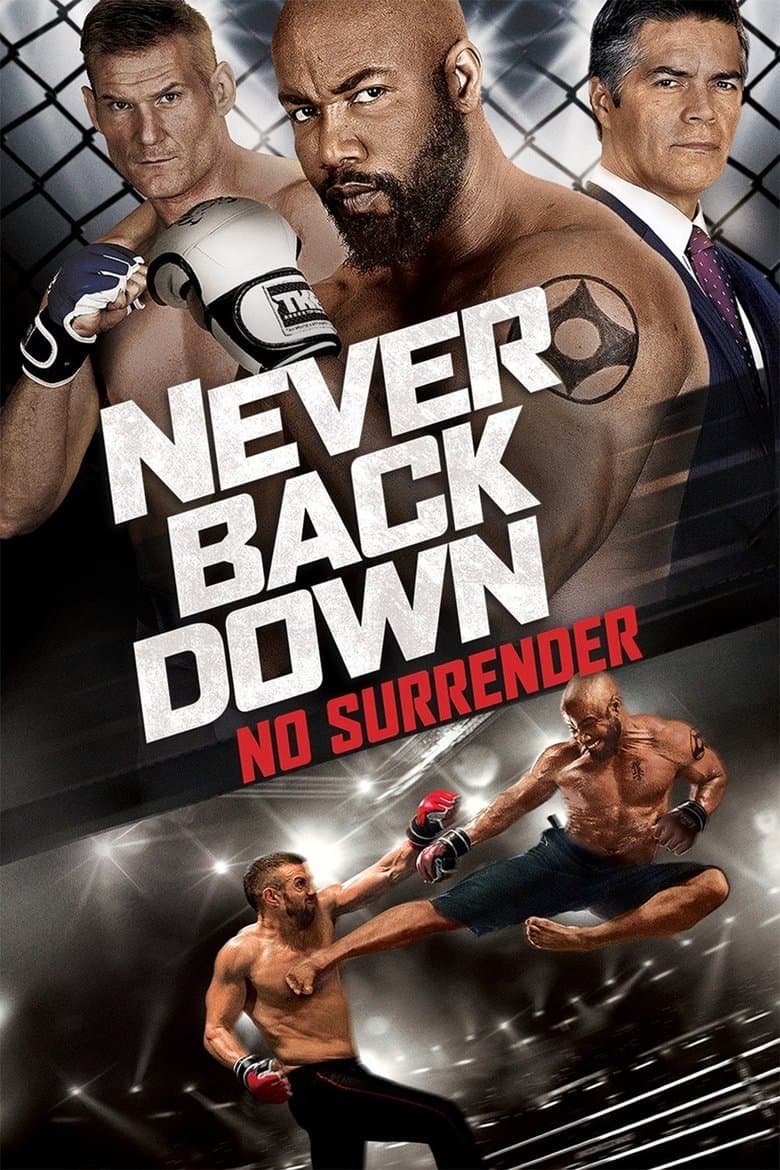
Movie · 2016
Picking up after the events of Never Back Down 2, former MMA champion Case Walker is on the comeback trail to become champion once again.
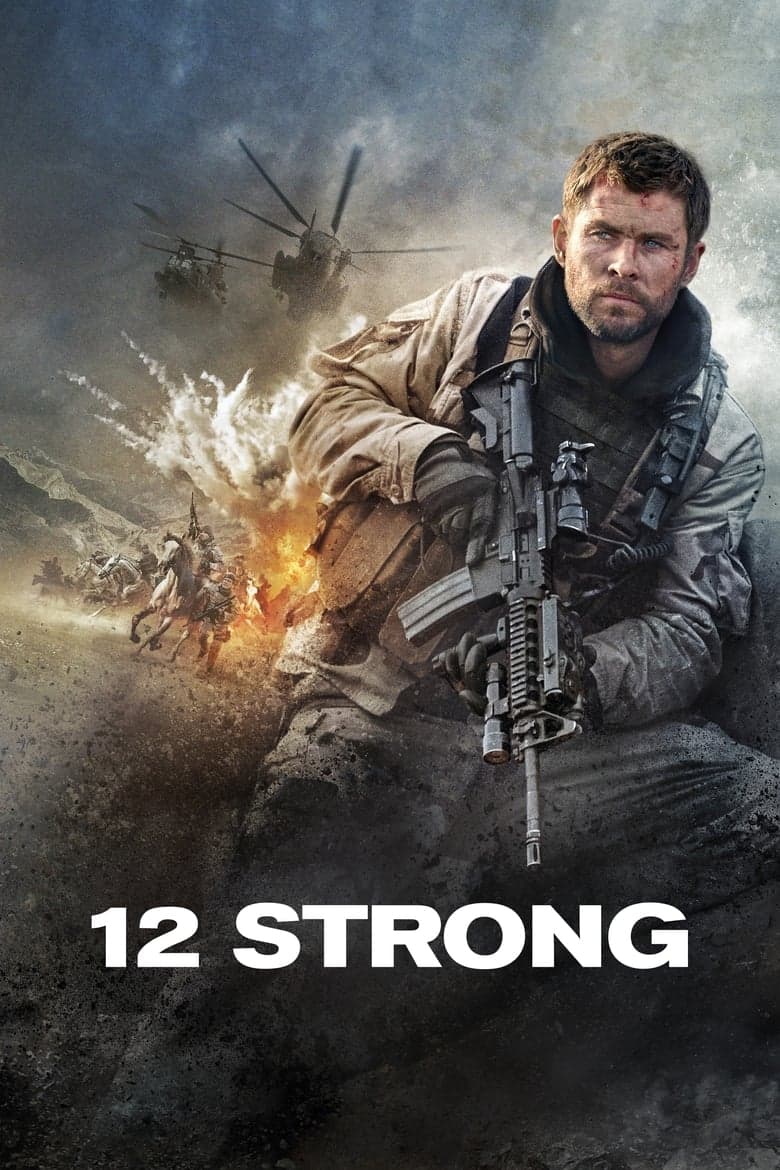
Movie · 2018
A team of special forces head into Afghanistan in the aftermath of the September 11th attacks in an attempt to dismantle the Taliban.
