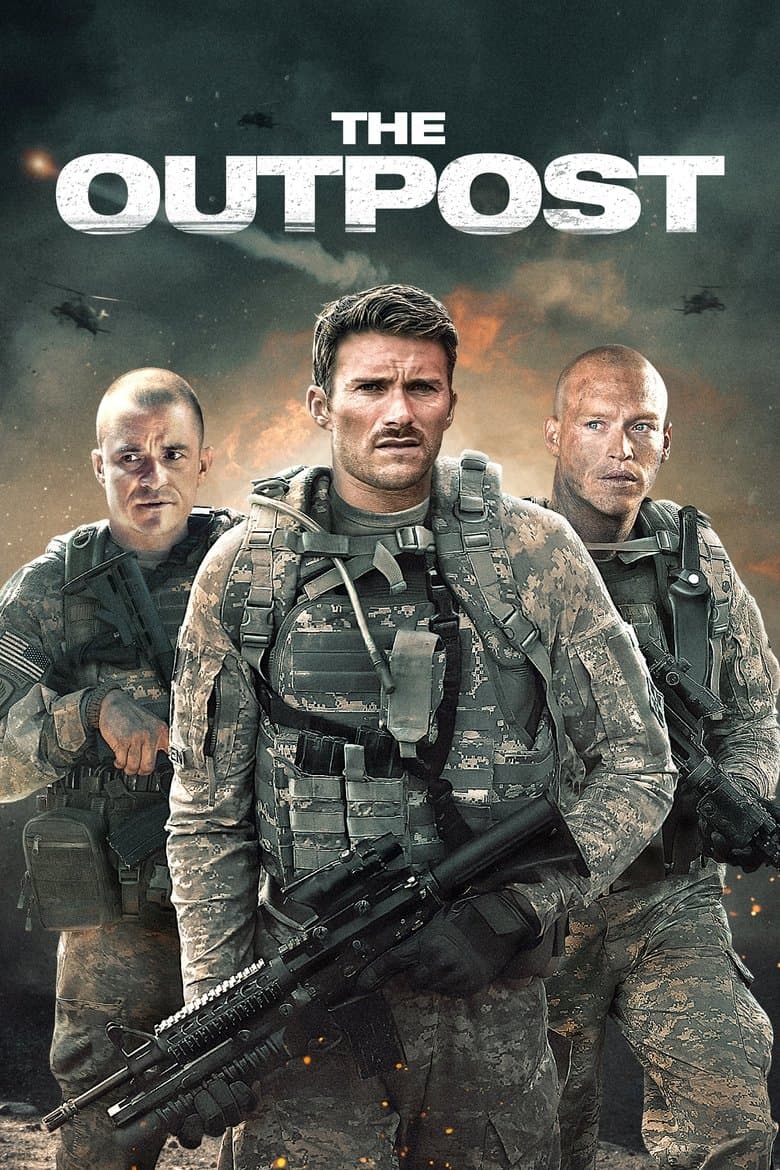
Staff Sgt. Clint Romesha leads a small group of U.S. soldiers at Combat Outpost Keating in a mountain valley in Afghanistan. The men are cut off from help while hundreds of Taliban fighters attack the base in 2009. The soldiers must move through fire, rescue wounded friends, and hold the camp until support arrives. The film has a harsh, tense, and bloody war tone.
The story also follows Specialist Ty Carter, whose choice to run into open fire to save a wounded soldier becomes a key act of courage. The men deal with fear, boredom, rough jokes, grief, and anger at leaders who placed them in a dangerous valley. The film honors the bond between soldiers while showing that poor planning and delayed support made the battle worse. The ending remembers the dead and leaves viewers with questions about the cost and purpose of the war.
Community feedback
Was our 2% Woke rating accurate?
Breakdown
These are the editorial factors and ratings behind our score for The Outpost.
Woke representation / casting
Not present. The main cast shows a mixed group of U.S. soldiers in a real Army unit. The film does not present their race, gender, or background as a diversity message.
0%
Woke political dialogue
Not present. The soldiers talk about orders, survival, local deals, and military mistakes. The film does not use modern activist or identity-based political speeches.
0%
Identity-driven story themes
Not present. The story follows soldiers who protect one another during a Taliban attack. Race, gender, sexuality, and DEI ideas do not drive a character arc.
0%
Western institutional / cultural critique
Not present. The film blames poor planning and distant military leaders for the danger at the base. That criticism stays tied to this war and does not attack Western culture, family, religion, or gender roles through modern activist ideas.
0%
Woke character or canon changes
Not relevant. The film adapts Jake Tapper’s nonfiction account of a real battle. The shortened timeline and merged units are normal film changes, not identity-driven changes.
0%
Anti-woke backlash and complaints
Not present. Audience and news comments focused on combat realism, pacing, and military command decisions. The separate X research found no meaningful anti-woke or DEI complaints.
0%
Creator track record context
Rod Lurie has a low but real political-film context through The Contender and Commander in Chief. His interviews about this film focus on military realism, teamwork, veterans, and honoring the dead. The writers and producers have mostly low scores and no strong identity-driven record. This is weak supporting context, not a major signal in the film.
10%
Production
Movie · 2016
The Coast Guard makes a daring rescue attempt off the coast of Cape Cod after a pair of oil tankers are destroyed during a blizzard in 1952.
Movie · 2018
A team of special forces head into Afghanistan in the aftermath of the September 11th attacks in an attempt to dismantle the Taliban.
Movie · 2019
Cal is a dedicated cop who also serves as a sergeant in the Marine Corps Reserve. When his reckless half brother lands in jail for accidentally killing a man, Cal and his buddies…
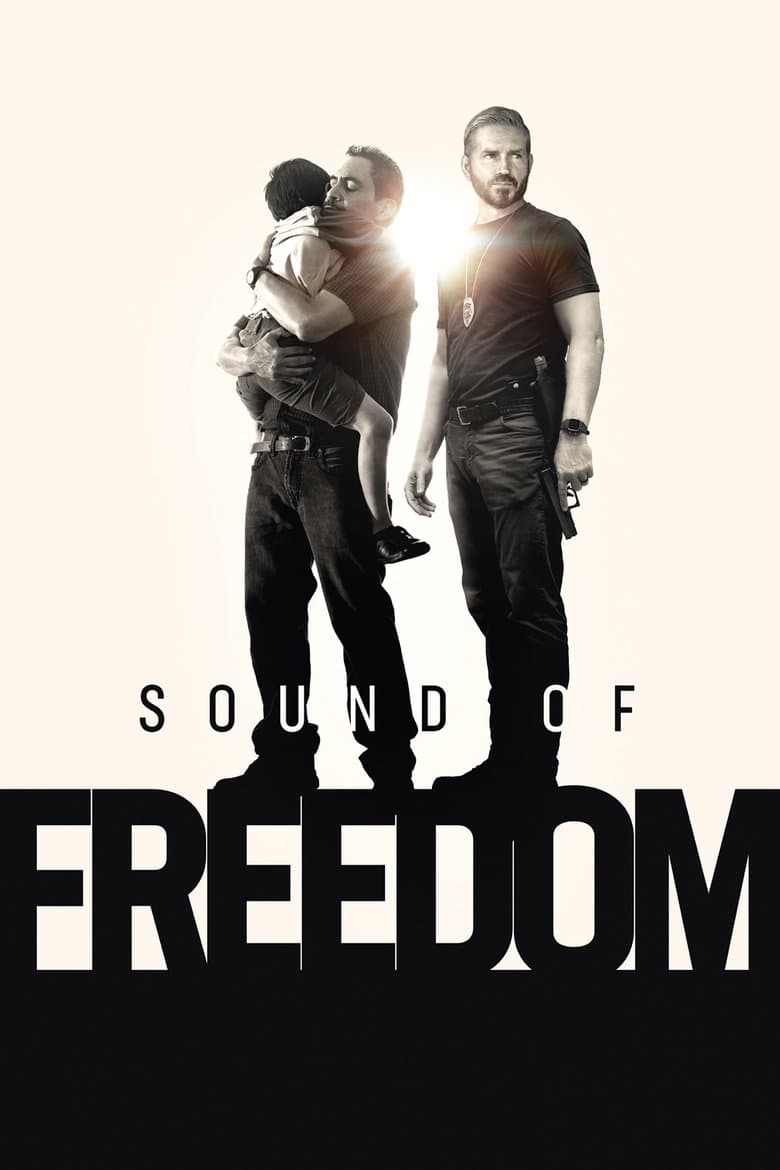
Movie · 2023
The story of Tim Ballard, a former US government agent, who quits his job in order to devote his life to rescuing children from global sex traffickers.
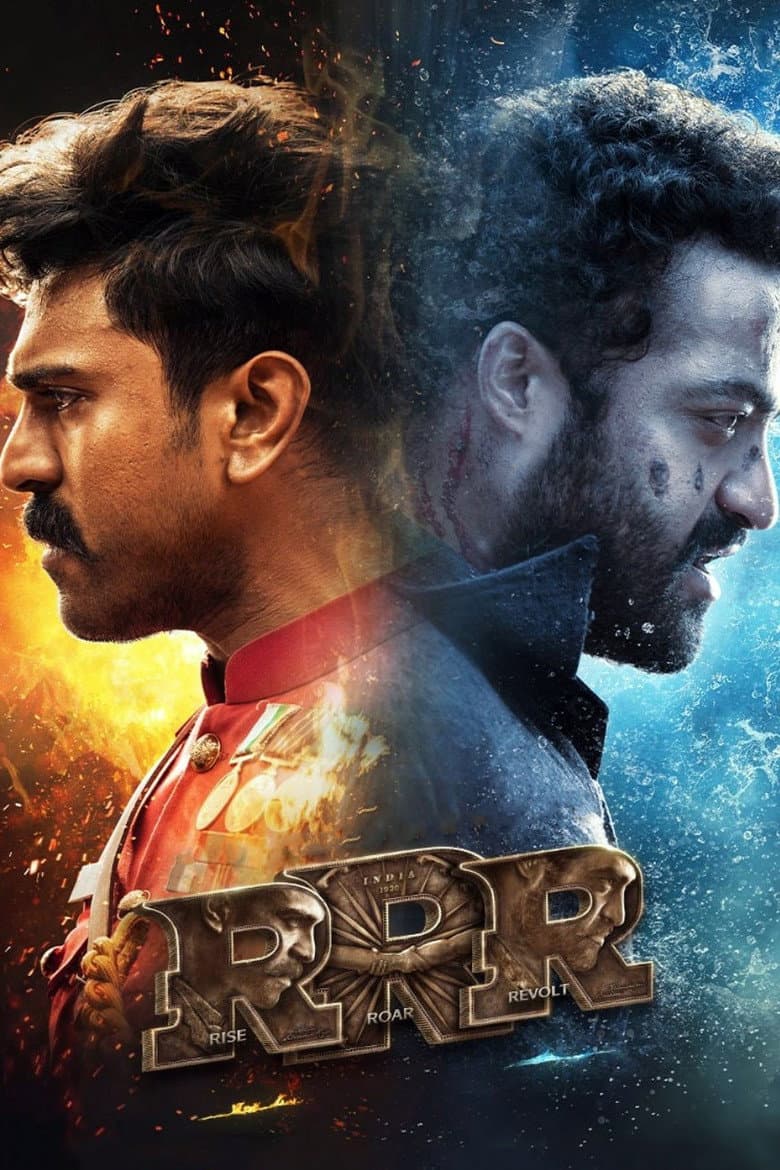
Movie · 2022
A fictional history of two legendary revolutionaries' journey away from home before they began fighting for their country in the 1920s.
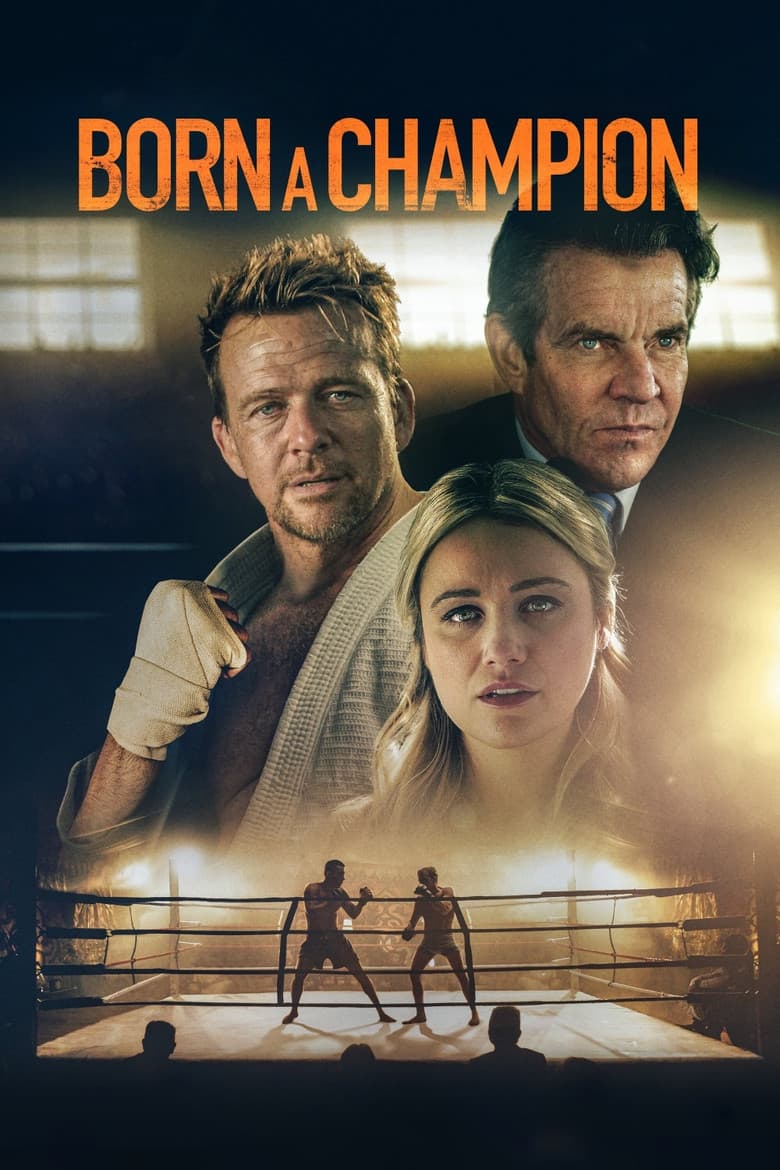
Movie · 2021
After a blood- soaked jujitsu match in Dubai, fighting legend Mickey Kelley falls to superstar Blaine. But years later, an online video proves that Blaine cheated, and the world…
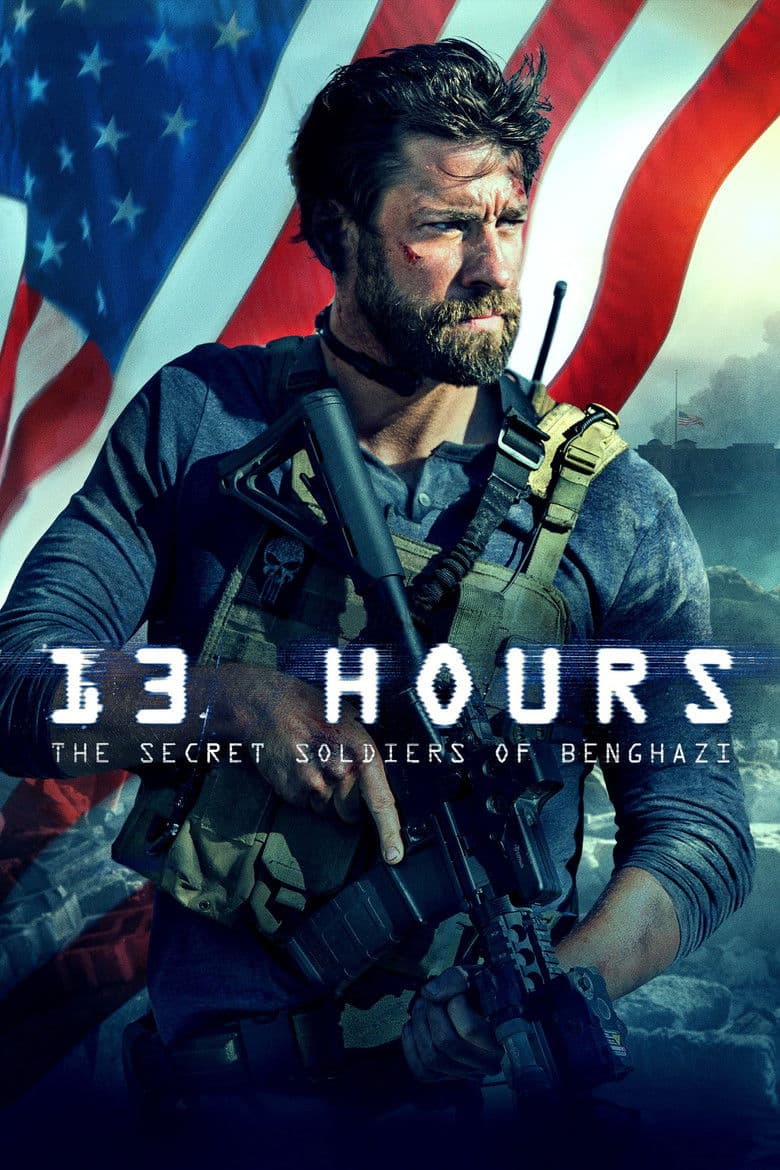
Movie · 2016
An American Ambassador is killed during an attack at a U.S. compound in Libya as a security team struggles to make sense out of the chaos.
Movie · 2019
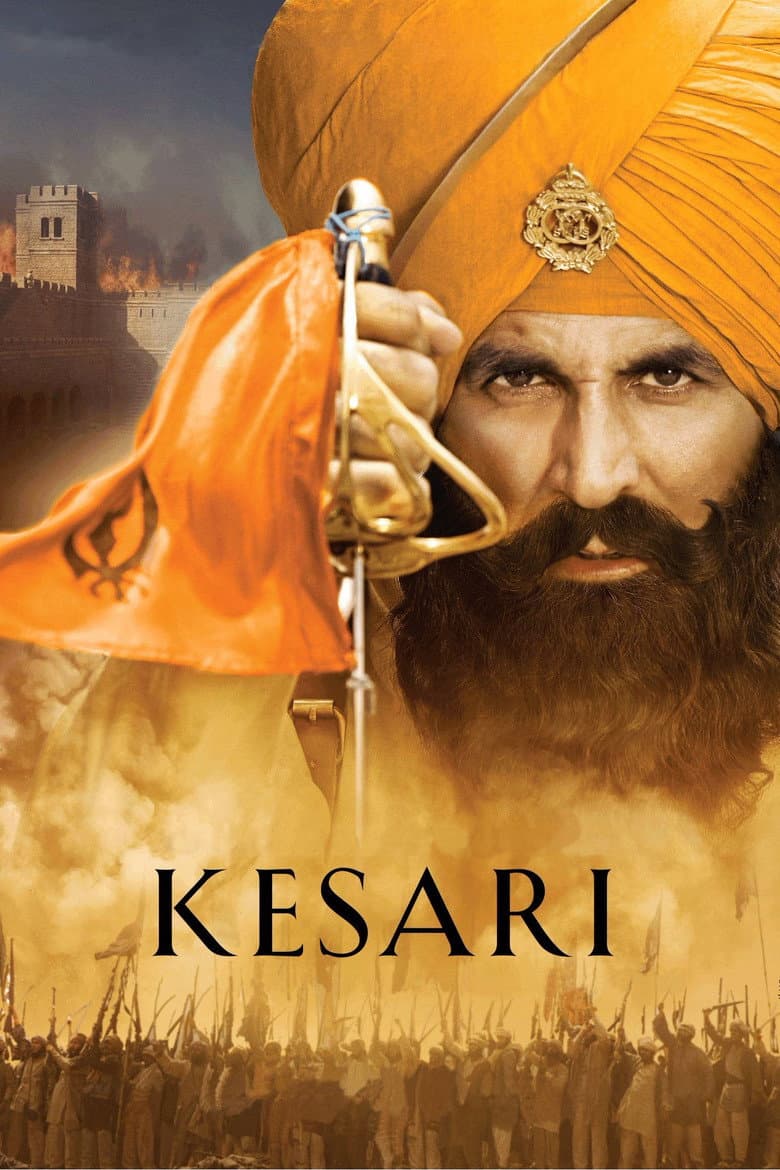
In 1897, an army of 21 Sikhs battles 10,000 Afghans to prevent the Saragarhi Fort from being taken down.
