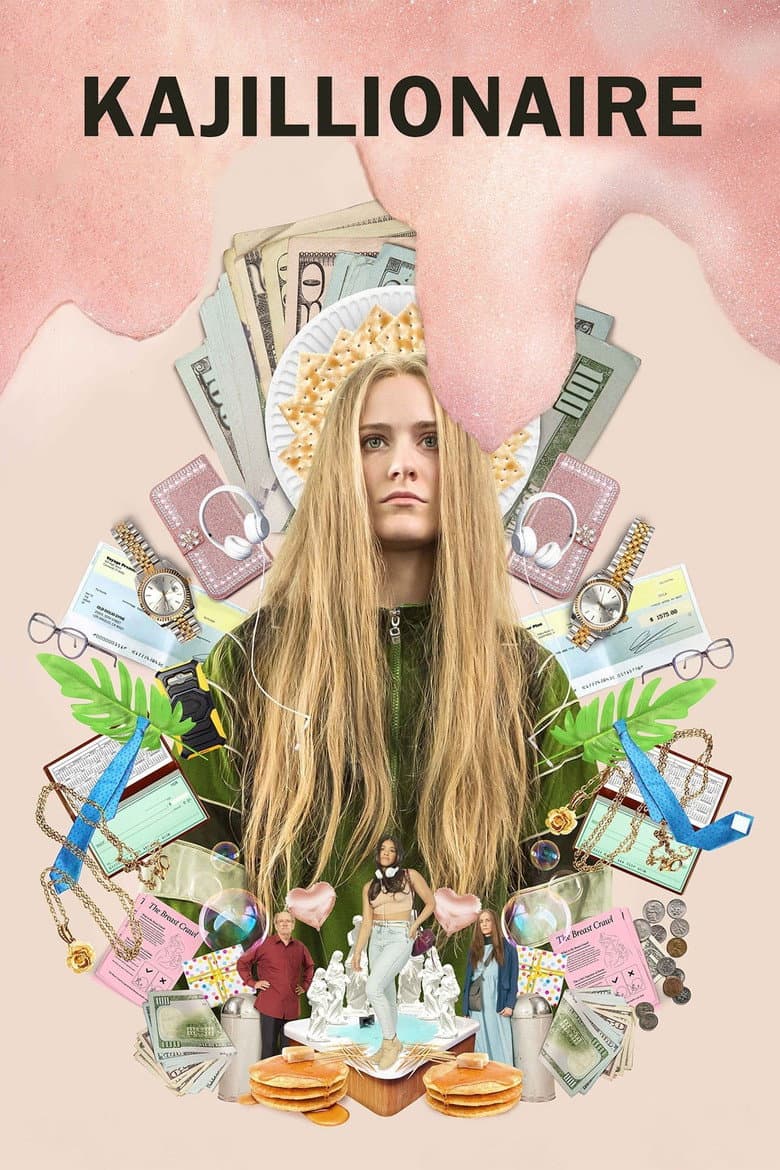
Old Dolio Dyne lives in Los Angeles with her parents, Robert and Theresa, who have trained her to steal and scam since childhood. The family sleeps in a cheap office under a bubble factory and survives through small cons. When a friendly stranger named Melanie joins a luggage scam, Old Dolio starts to question the life her parents built. The movie mixes odd comedy with sadness as she learns what care and family should feel like.
The clearest audience-visible woke element is the romance between Old Dolio and Melanie, two women who become close and kiss at the end. Old Dolio also wears loose clothes, and the film leaves her gender and sexuality unclear. The story treats tenderness and found family as better than the parents’ cold, money-based rules. A smaller element is the parents’ repeated attack on rich people, consumer habits, and normal work.
Community feedback
Was our 62% Woke rating accurate?
Breakdown
These are the editorial factors and ratings behind our score for Kajillionaire.
Woke representation / casting
Gina Rodriguez, a Latina actor, plays the main new member of a mostly white family. She also becomes Old Dolio’s same-sex romantic partner. The story does not frame this casting as a diversity campaign, so the representation signal is small.
10%
Woke political dialogue
Robert criticizes a culture that pushes people to chase money and become rich. He mocks consumer habits and the normal dream of getting wealthy. These lines give the film a brief anti-capitalist view, but the movie does not build a long political debate around it.
14%
Identity-driven story themes
Old Dolio has been kept outside ordinary family and social life. Melanie gives her tenderness and becomes her same-sex love interest. The ending treats their romance as a path toward freedom and a new family. The film gives Old Dolio an androgynous look and leaves her gender and sexuality open.
76%
Western institutional / cultural critique
The parents reject normal jobs and live by skimming around the money system. Robert attacks rich people, consumer habits, and the dream of becoming very wealthy. The film also shows the parents’ strict family rules and cold treatment of their daughter as harmful. The critique stays tied to the family’s odd way of life instead of becoming a broad political message.
27%
Woke character or canon changes
Not relevant. The film is an original story with no established characters, canon, or real historical figures to change.
0%
Anti-woke backlash and complaints
A small X account said the same-sex romance was inserted by “DEI cops.” The post had about 50 views and no engagement. No large right-leaning accounts, boycotts, or review-bombing campaigns were found. Mainstream coverage treated the romance as part of the story rather than as a major political dispute.
10%
Creator track record context
Miranda July has a strong feminist and queer-focused public and creative history. That history matches the film’s androgynous lead and same-sex romance. Some producers have backed social-issue or underrepresented-story projects, while many other listed creators have little public activist history. The context is important but mixed across the full team.
58%
Production
Movie · 2017
After 20 years abroad, Mark Renton returns to Scotland and reunites with his old friends Sick Boy, Spud and Begbie.
Movie · 2017
The true story of pilot Barry Seal, who transported contraband for the CIA and the Medellin cartel in the 1980s.
Movie · 2019
Hoping to leave his criminal lifestyle behind him, a successful art thief teams up with a sexy con woman to pull off the ultimate heist and set himself free.
Movie · 2025
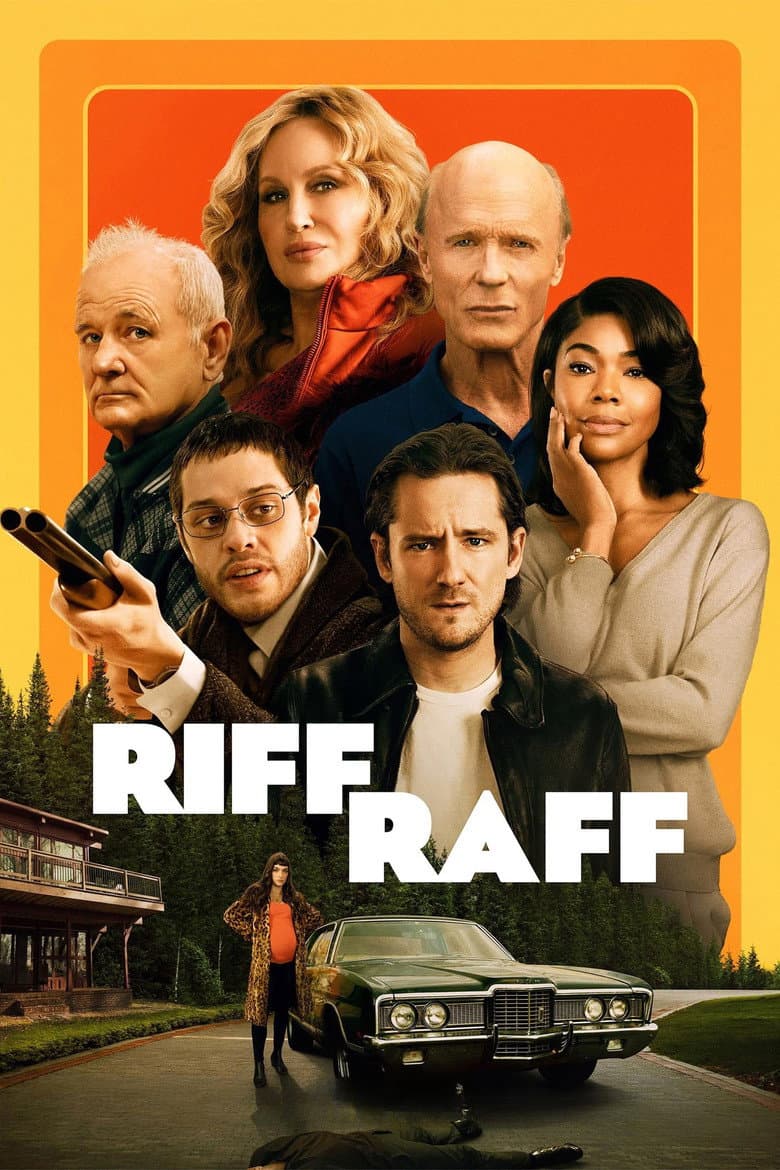
A retired hitman's life is turned upside down when his ex-wife and son arrive unannounced during the holidays because they are on the run from his former mob associates.

Movie · 2025
A former Army Ranger and struggling father turns to robbing McDonald’s restaurants by cutting holes in their roofs, earning him the nickname "Roofman." After escaping prison, he…

Movie · 2017
When a depressed woman is burglarized, she finds a new sense of purpose by tracking down the thieves alongside her obnoxious neighbor.

Movie · 2017
Lynn, a brilliant student, after helping her friends to get the grades they need, develops the idea of starting a much bigger exam-cheating business.

Movie · 2016
Based on the true story of two young men, David Packouz and Efraim Diveroli, who won a $300 million contract from the Pentagon to arm America's allies in Afghanistan.
