
Juliet, Naked follows Annie, a museum manager in a small English seaside town who feels trapped in a 15-year relationship with Duncan. Duncan teaches at a local college and spends most of his free time running a fan site about Tucker Crowe, an American singer who vanished after one famous album. When Annie posts an honest review of Tucker’s rough demo, Tucker contacts her and their online friendship becomes a real meeting. The film uses dry jokes and gentle romance as Annie, Tucker, and Duncan face the lives they have delayed.
The main woke element is a mild focus on a woman taking control of her future. Annie leaves Duncan after he cheats and keeps ignoring her wish to have a child, then later plans to become a mother on her own. The film often places Annie’s steady judgment against Duncan’s selfish music obsession and Tucker’s failures as a father, which gives the story a light message about women’s independence. Annie’s lesbian sister Ros is a visible supporting character, but the film does not build its plot around queer identity or use political speeches.
Community feedback
Was our 38% Woke rating accurate?
Breakdown
These are the editorial factors and ratings behind our score for Juliet, Naked.
Woke representation / casting
Annie’s sister Ros is openly lesbian, and the film gives her a few scenes about dating and family. The supporting cast includes people from more than one background. The movie does not present these choices as a diversity campaign or make identity casting central to its main roles.
10%
Woke political dialogue
Not present. The characters talk about music, sex, children, work, and broken relationships, but they do not push identity politics or activist ideas in speeches or repeated lines.
0%
Identity-driven story themes
Annie’s central story is about taking control of her future after years of putting Duncan first. She leaves him after his affair and later plans to have a child without waiting for a partner. The film repeatedly contrasts her steady choices with Duncan’s male entitlement and Tucker’s failures as a father. Ros is a lesbian supporting character, but queer identity is not the main subject.
34%
Western institutional / cultural critique
Duncan repeatedly talks over Annie and treats her views as less important than his music obsession. The story also shows Tucker’s careless history with women and children as a serious weakness. Annie gains the story’s approval when she stops serving a man’s plans and chooses her own future. The film criticizes selfish men in personal relationships, but it does not attack Christianity, capitalism, or Western institutions.
28%
Woke character or canon changes
The film changes Ros from the source novel’s trans character into Annie’s lesbian sister. The screenwriter described creating the sister role from that earlier character while adding a family history for Annie. Ros appears in supporting scenes and has dating and family conversations, but her identity does not drive the main romance.
32%
Anti-woke backlash and complaints
Not present. The separate X research found no anti-woke reaction or specific complaints. Broader searches found viewers discussing the romance, music fandom, and predictable plot, not DEI, identity politics, or left-wing messaging.
0%
Creator track record context
Tamara Jenkins often writes about women’s lives, sex, fertility, aging, and family pressure. Nick Hornby has written about gender and women, but his work is mostly about music, relationships, and ordinary life. Jesse Peretz and the other main creators have little public record of activist or identity-first work. Dixie Chassay has supported diverse casting, so the group gives a mild context signal.
29%
Production
Movie · 2019
Charlie suffers from a serious disease that causes acute narcolepsy whenever he is happy. Although he develops a variety of techniques to deny himself pleasure and deal with his…
Movie · 2016
A week in the life of Paterson, a poet bus driver, and his wife Laura, a very creative artist, who live in Paterson, New Jersey, hometown of many famous poets and artists.
Movie · 2016
Mia, an aspiring actress, serves lattes to movie stars in between auditions and Sebastian, a jazz musician, scrapes by playing cocktail party gigs in dingy bars, but as success…
Movie · 2020
Lonely college freshman Alex has closed himself off from his peers, who all appear to have this whole "college thing" figured out.

Movie · 2020
A teenager lives out the hilarious and often tragic consequences of being lethally attractive, until he meets a girl with a congenital defect.
Movie · 2022
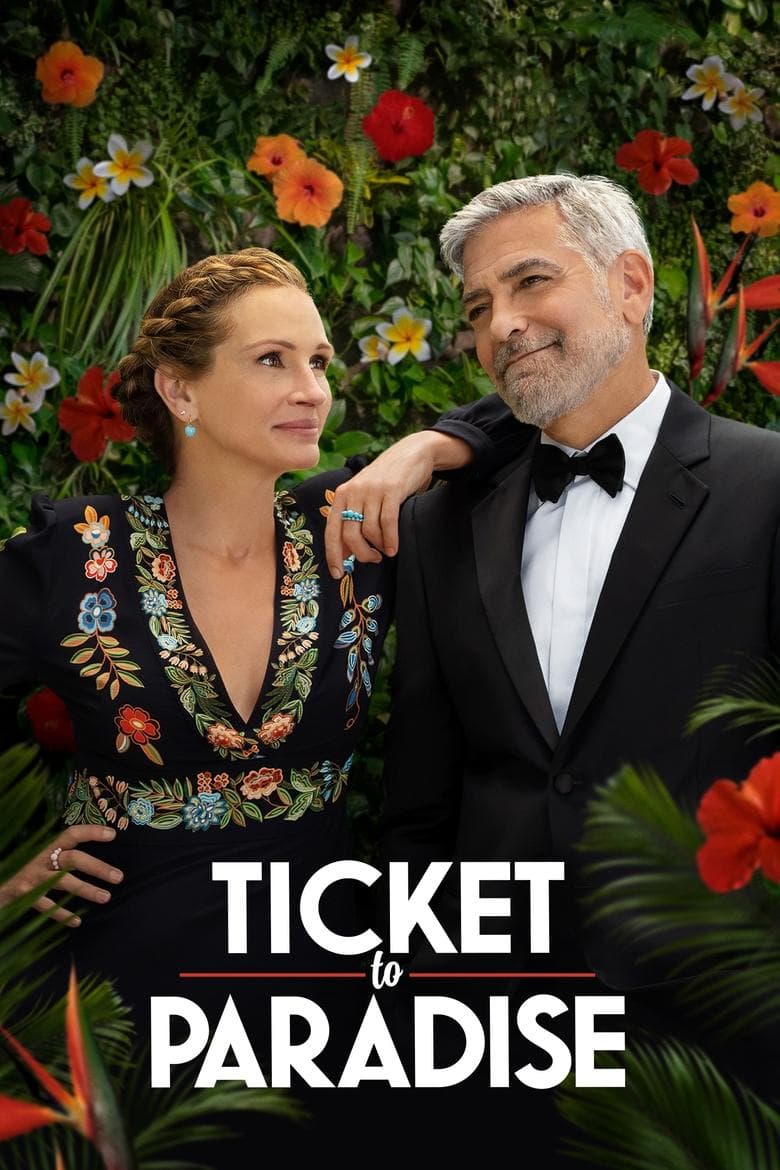
Divorced couple Georgia and David find themselves on a shared mission: they team up and travel to Bali to stop their daughter Lily from making the same mistake they once made 25…

Movie · 2023
College freshman Abby tries to distance herself from her dark past while resisting her attraction to bad boy Travis.
Movie · 2016
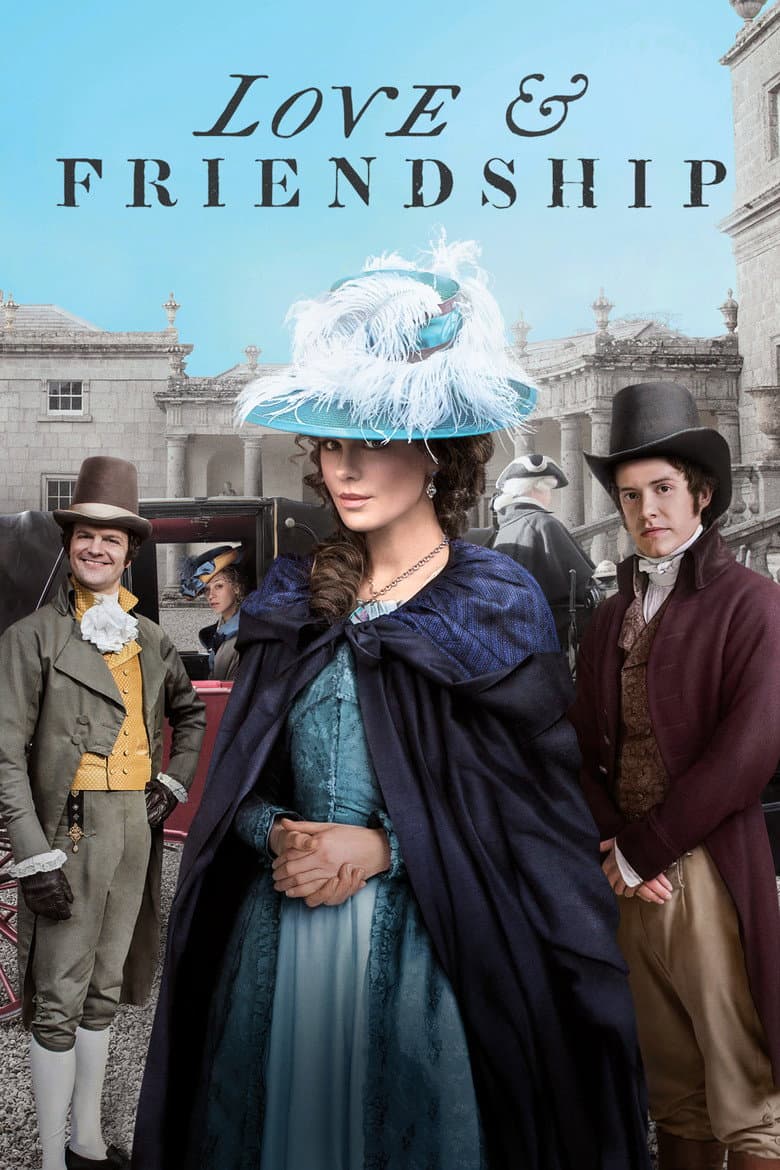
From Jane Austen’s novella, the beautiful and cunning Lady Susan Vernon visits the estate of her in-laws to wait out colorful rumors of her dalliances and to find husbands for…
