
Lindy Lewis is a New York bouncer with a rare disorder that sends her into violent rages. She controls herself with a vest that gives her electric shocks, but she still imagines hurting rude people. After a man she likes is killed, Lindy stops holding back and hunts the people behind his death. The film mixes bloody fights, jokes, romance, and a comic-book twist.
The clearest woke element is the film’s focus on female rage and the pressure on women to stay polite. Lindy attacks manspreaders, catcallers, rude men, and other people who test her, while the story treats her anger as a form of female power. Her role is a gender flip of the usual male revenge hero, and the film often presents her as the most capable person in the room. This message is visible and repeated, but the plot is still mainly a violent revenge comedy rather than a political story.
Community feedback
Was our 51% Woke rating accurate?
Breakdown
These are the editorial factors and ratings behind our score for Jolt.
Woke representation / casting
Lindy is a white woman who is the film’s top fighter and drives every major decision. Detective Nevin, played by black trans actor Laverne Cox, is a capable police officer in a visible supporting role. Women hold the most active roles, while several men serve as targets or comic foils. Modern New York makes the wider cast plausible, so this is a mild casting signal rather than a major diversity push.
27%
Woke political dialogue
Lindy uses present-day gender complaints when men manspread, catcall her, or treat women as objects. The film also says that gross old men underestimate women. These comments appear more than once and help explain why Lindy sees her anger as useful. The movie has no long speeches about laws, elections, or political movements.
25%
Identity-driven story themes
The film makes female rage a central part of Lindy’s character. Lindy is shown fighting the demand that women stay pleasant and quiet, while her anger becomes a source of strength and freedom. The revenge plot flips the usual male action hero into a woman who saves herself and drives the story. This theme stays active from the opening setup through the final fights, even though the film remains a comic revenge story.
50%
Western institutional / cultural critique
The movie criticizes individual male entitlement through scenes about manspreading, catcalling, and men who expect women to stay polite. Lindy also mocks rude workers and powerful men, but the targets are personal bad behavior rather than a wide system. The police and therapist mainly create plot problems and are not shown as proof that Western institutions are evil. The critique is recurring but limited.
24%
Woke character or canon changes
Not relevant. Jolt is an original screenplay with no established character, canon, or real historical event to change. The gender-flipped action setup is part of the new story, not a rewrite of older material.
0%
Anti-woke backlash and complaints
One AVForums review said the film seemed to use a trendy female action lead to check a box. One Metacritic user called it woke nonsense and objected to its misogyny references. A Reddit commenter defended the movie against claims of Hollywood feminist pandering. The evidence is small and scattered, and most viewers focused on weak writing, poor action, and the baby scene.
18%
Creator track record context
Tanya Wexler’s public profile links her to LGBTQ+ rights, GLAAD, women directors, and stories about women’s sexuality and gender roles. That background matches Jolt’s female-rage and female-action focus. Scott Wascha has no strong activist profile, and most producers are commercial action-film figures. Producer Thayer Juergens has queer-focused credits, but that work is not the subject of this film. The creator context is meaningful but mixed.
45%
Production
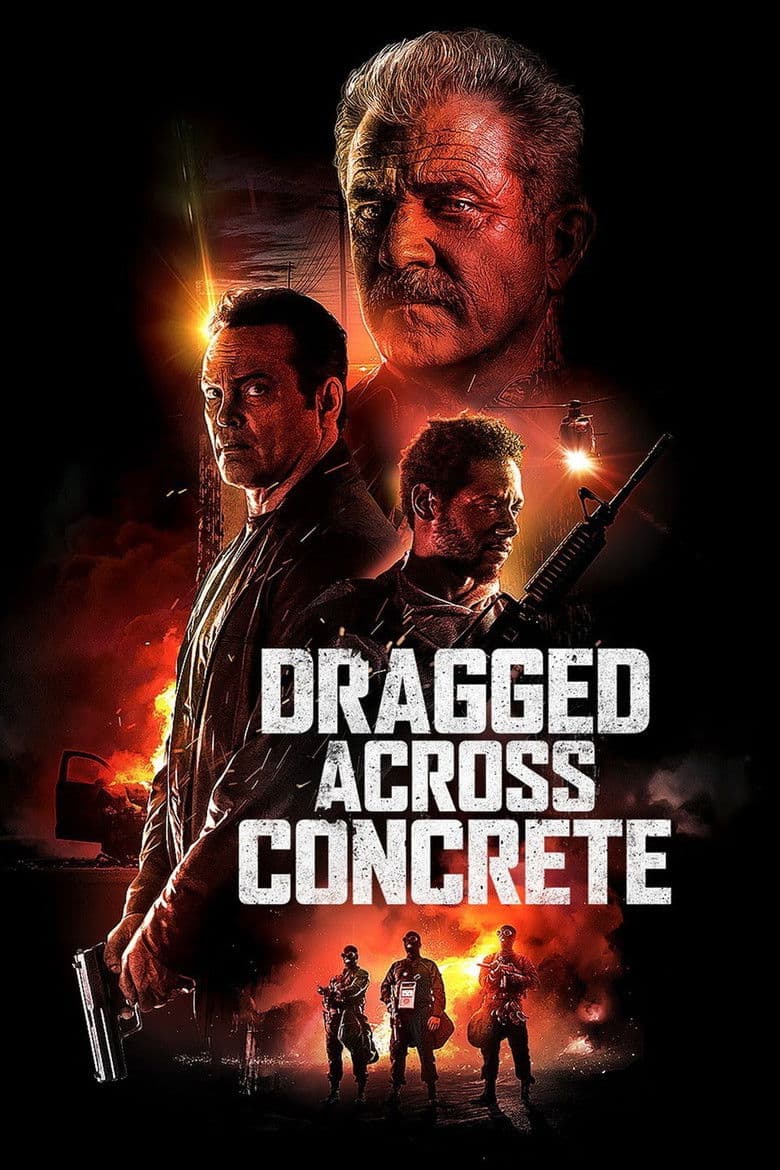
Movie · 2019
Two policemen, one an old-timer, the other his volatile younger partner, find themselves suspended when a video of their strong-arm tactics becomes the media's cause du jour.
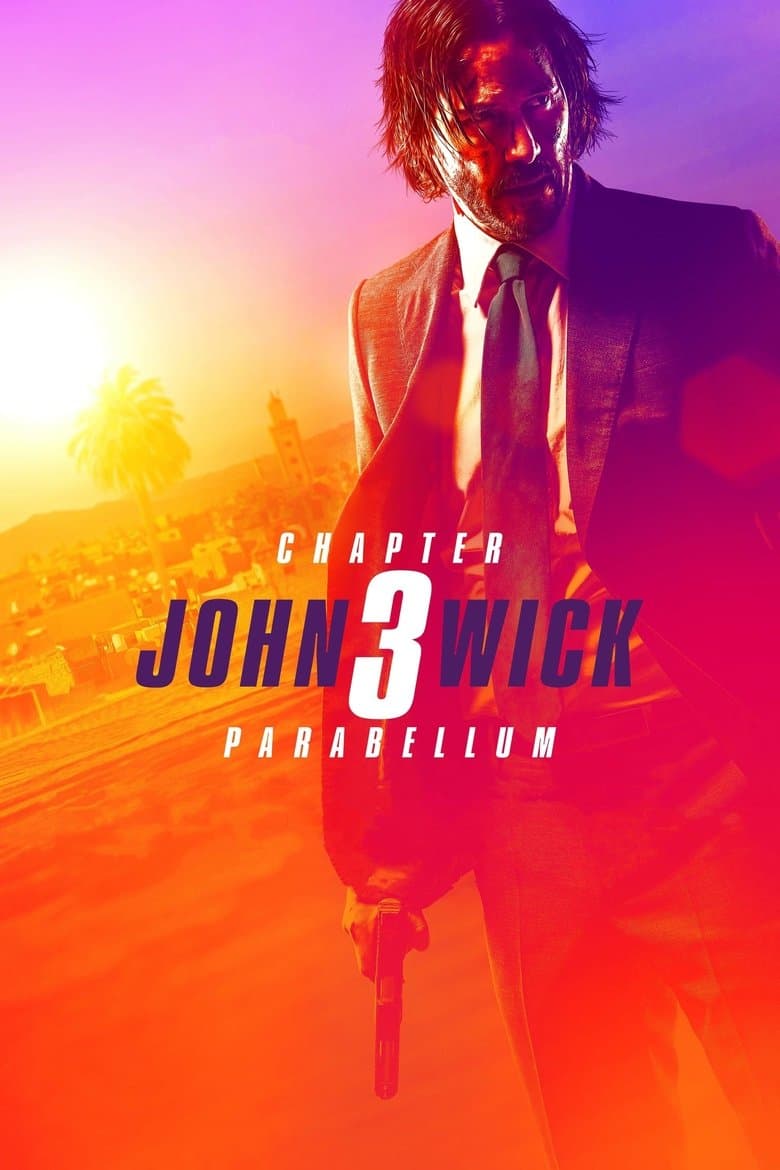
Movie · 2019
Super-assassin John Wick returns with a $14 million price tag on his head and an army of bounty-hunting killers on his trail.
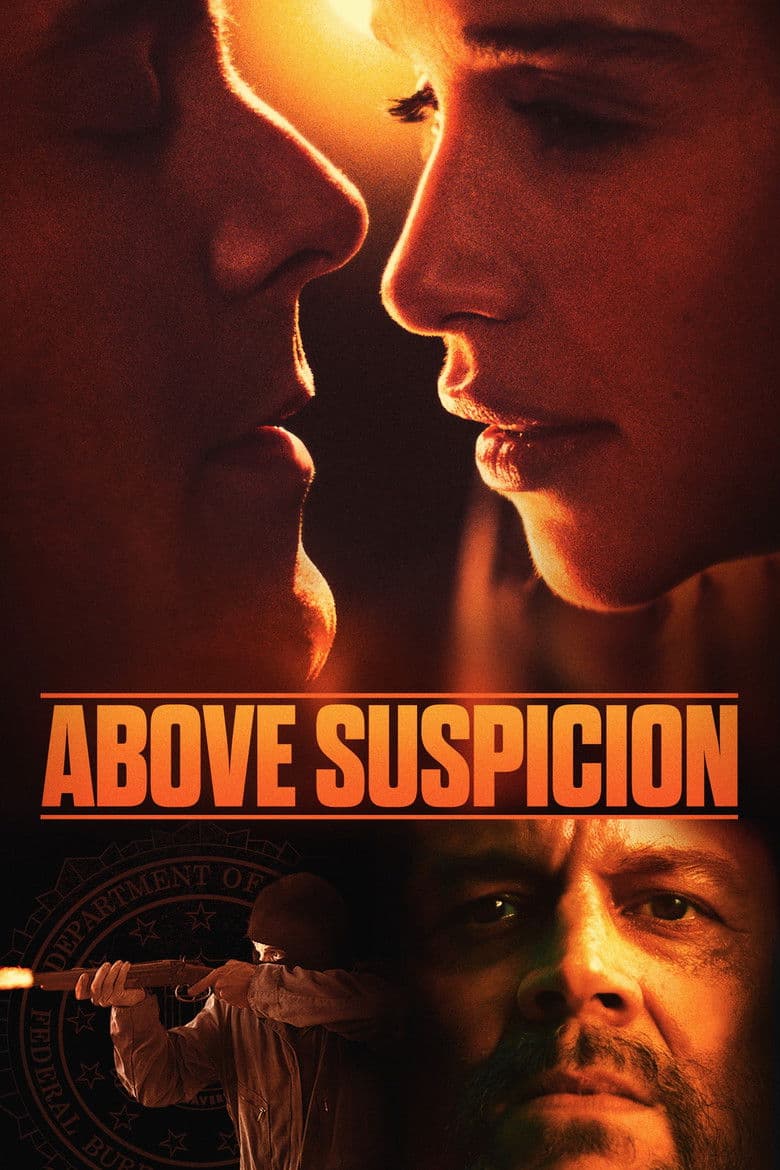
Movie · 2019
The chilling true story of a newly married FBI poster boy assigned to an Appalachian mountain town in Kentucky.
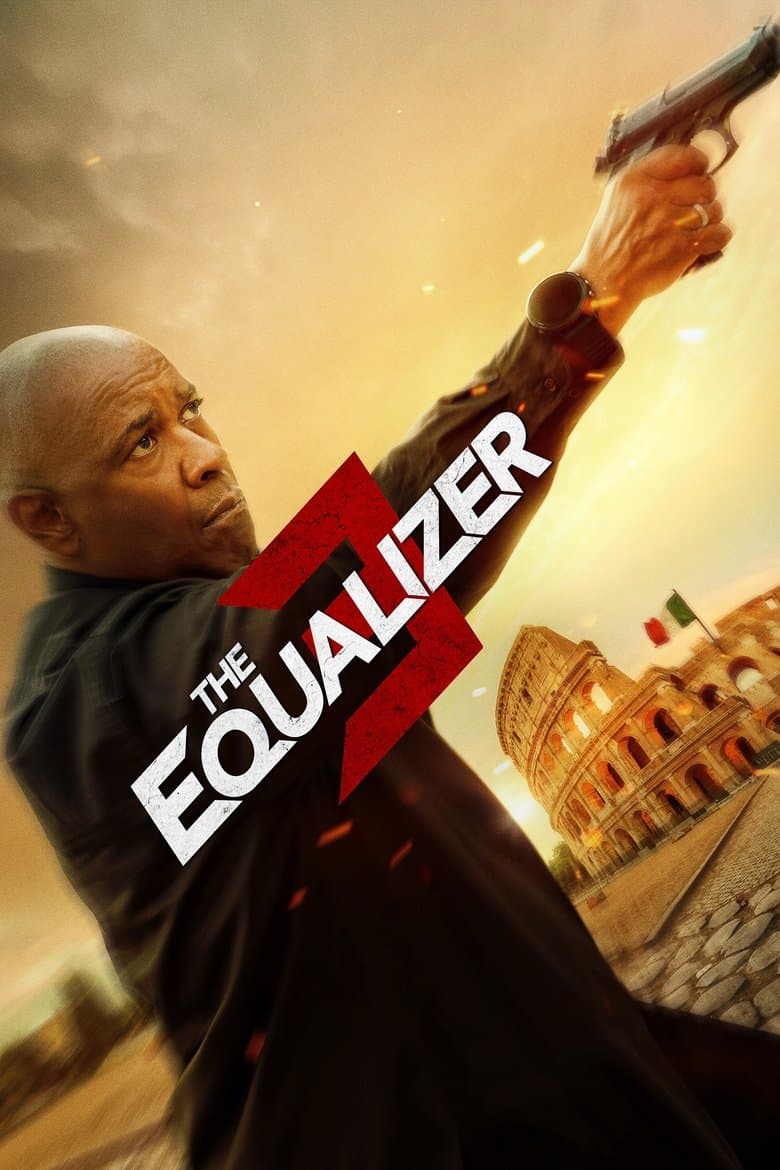
Movie · 2023
Robert McCall finds himself at home in Southern Italy but he discovers his friends are under the control of local crime bosses.
Movie · 2024
When his family is murdered, a deaf-mute named Boy escapes to the jungle and is trained by a mysterious shaman to repress his childish imagination and become an instrument of…
Movie · 2026
Trust frays when a team of Miami cops discovers millions in cash inside a run-down stash house, calling everyone — and everything — into question.

Movie · 2023
Back from the brink of death, highly skilled commando Tyler Rake takes on another dangerous mission: saving the imprisoned family of a ruthless gangster.
Movie · 2025
Levon Cade left behind a decorated military career in the black ops to live a simple life working construction.
