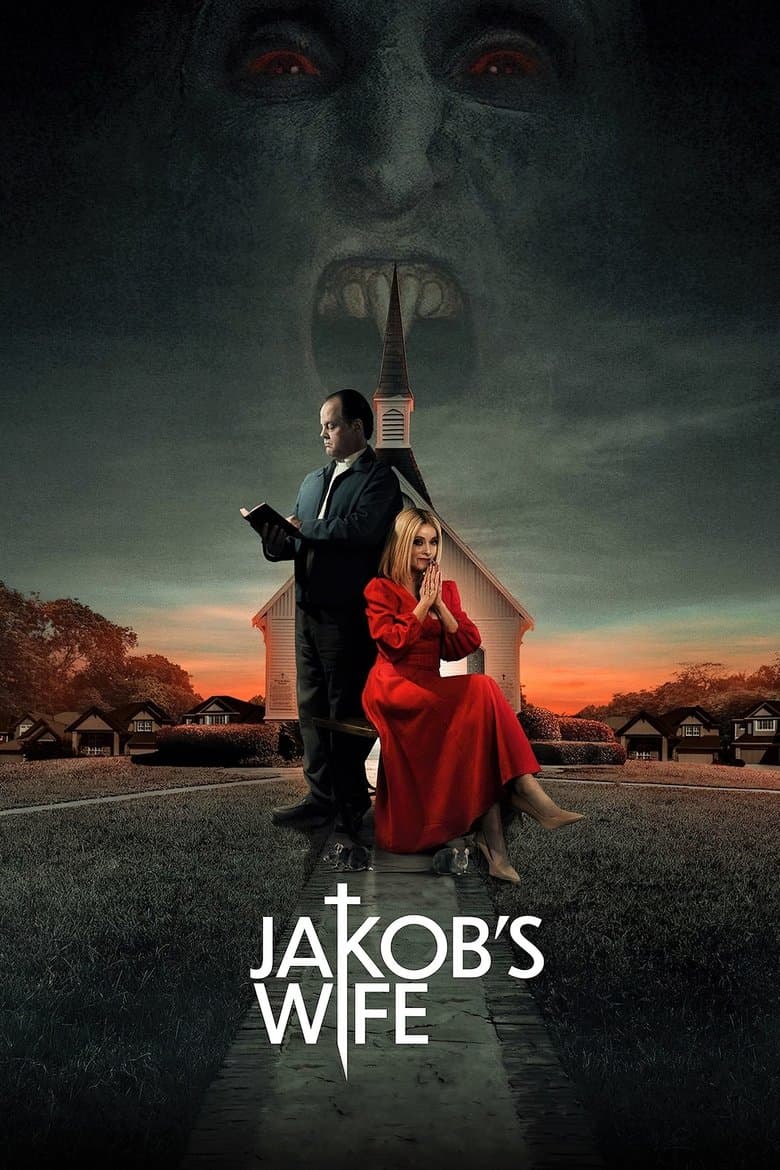
Anne Fedder has spent thirty years as the quiet wife of Jakob, a small-town minister. She cooks, cleans, tends the garden, and listens while Jakob speaks for both of them. When a vampire called the Master bites Anne near an abandoned mill, Anne gains great strength and a hunger for blood. The story mixes bloody horror, dark jokes, marriage trouble, and a late-life fight for a fuller life.
The film makes Anne’s change a clear story about a woman taking back her voice, desire, and control. Jakob’s sermons and habits show traditional marriage rules as a force that has slowly worn Anne down. The female Master offers Anne power outside her husband and presents female vampires as a break from that old order. Anne becomes the stronger and more active figure, while Jakob must learn to support her and face the cost of her new life.
Community feedback
Was our 72% Woke rating accurate?
Breakdown
These are the editorial factors and ratings behind our score for Jakob's Wife.
Woke representation / casting
Anne is a white small-town pastor’s wife, which fits the story and setting. The film also makes its main vampire, The Master, a woman and gives women the main supernatural power. Stevens said earlier drafts used a male Master and that he changed the character to make Anne’s choice about her own freedom. This is a clear gender-focused pattern, but the film does not push a broad race or DEI casting message.
43%
Woke political dialogue
Jakob opens the film with a sermon that tells men and women to follow Bible-based roles. The Master later talks about women being blamed in the story of Eve and offers a different kind of love and strength. Anne objects when Jakob makes a major choice for her during the final fight. These lines return at key points, but the movie is mostly a horror comedy rather than a film built around speeches.
46%
Identity-driven story themes
Anne’s vampire change is the film’s main story engine and turns female self-discovery into a source of power. The movie treats her lost voice, sexual desire, and wish for a larger life as problems caused by a stifling marriage and strict gender roles. The female Master invites Anne to choose her own life instead of choosing between her husband and another man. Anne becomes the active and stronger figure, while Jakob is first a joke and later a helper. The theme is central and repeated, although the film still follows a messy vampire plot.
70%
Western institutional / cultural critique
The opening church sermon presents Bible-based marriage roles as a source of control. Jakob’s preaching and his home life show a Christian husband as entitled to speak for his wife and set the rules. The Master links women’s suffering to the story of Eve and to the old order represented by men and God. The film treats the church, patriarchy, and traditional marriage as things Anne must push against. The critique is important, but it stays inside this marriage and vampire story rather than attacking every Western institution.
57%
Woke character or canon changes
Not relevant. The film is an original vampire story and is not based on a known character, franchise story, or real event. The female Master is a choice made for this movie, not a change to an existing character.
0%
Anti-woke backlash and complaints
One small X account called the film a “woke movie” and threatened to cancel Shudder over more releases like it. A report on Shudder user reviews said some viewers called the film “feminist drivel.” No boycott, review-bombing, or organized anti-woke campaign appeared. The evidence is real but fringe and limited.
18%
Creator track record context
Travis Stevens has a moderate pattern of women-centered, gender-aware horror, but no strong public activist profile. Barbara Crampton has often spoken about older women’s roles and female representation in horror. Their interviews about this film frame Anne’s change as reclaiming her voice, power, and life. The other writers and producers have no clear identity-focused public record. This supports a moderate creator track record signal, not a dominant one.
43%
Production
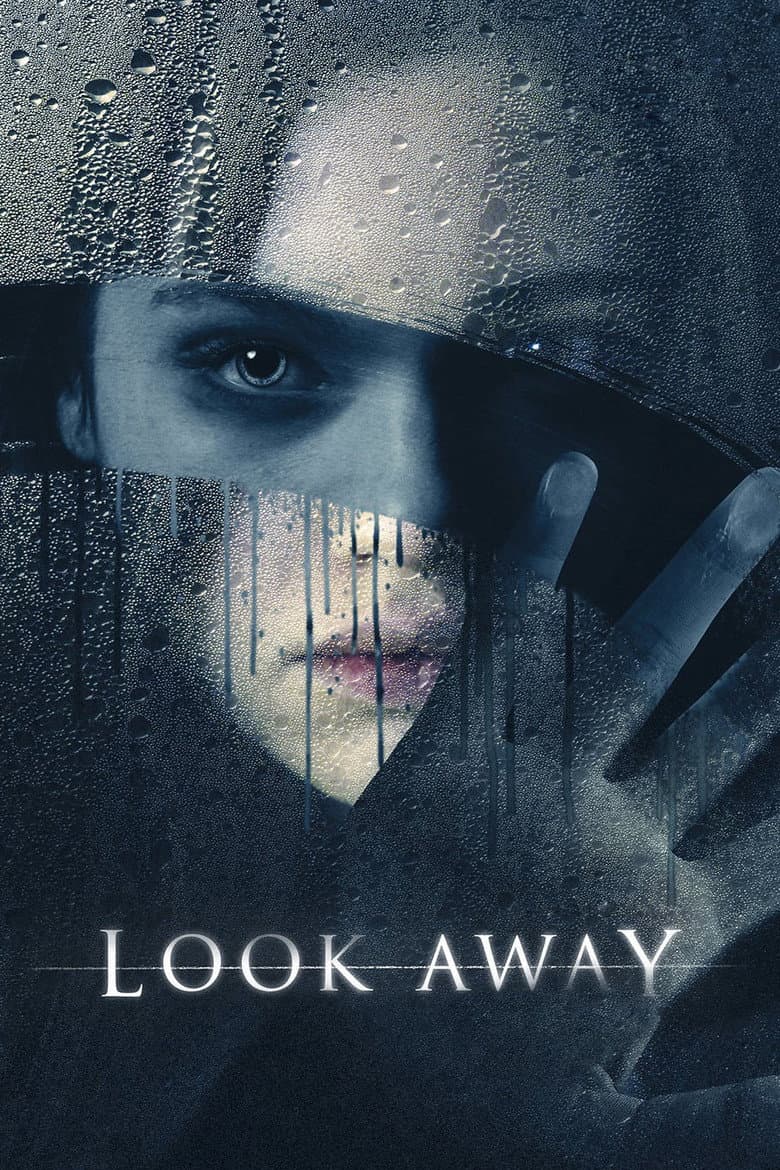
Movie · 2018
A timid and socially alienated 17-year-old high school student's life is turned upside down when she switches places with her sinister mirror image.
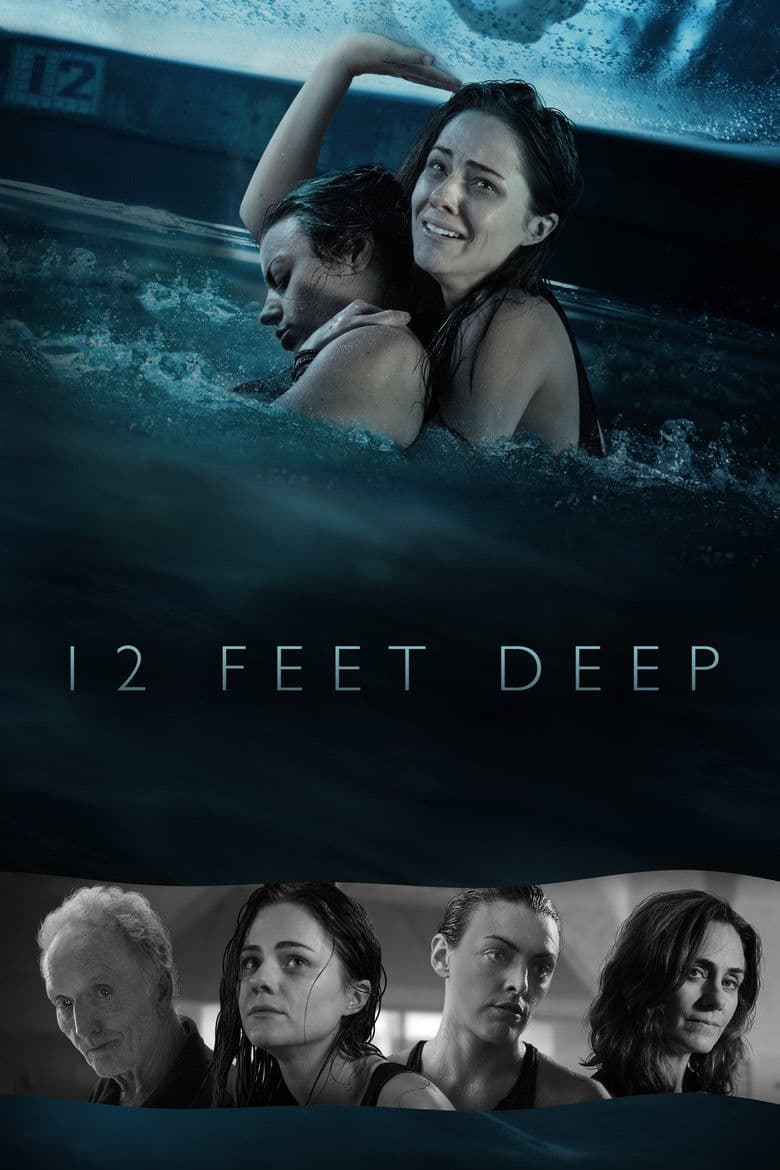
Movie · 2018
Two sisters are trapped under the fiberglass cover of an Olympic sized public pool and must brave the cold and each other to survive the harrowing night.
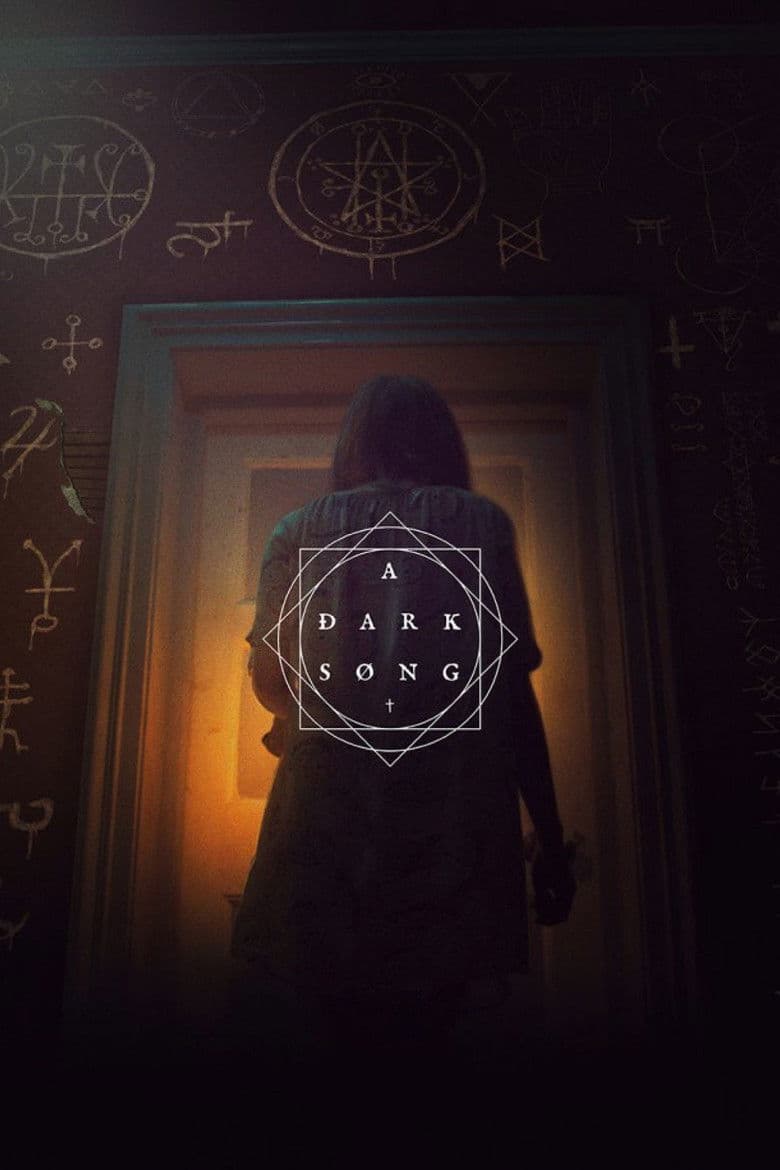
Movie · 2016
A determined young woman and a damaged occultist risk their lives and souls to perform a dangerous ritual that will grant them what they want.
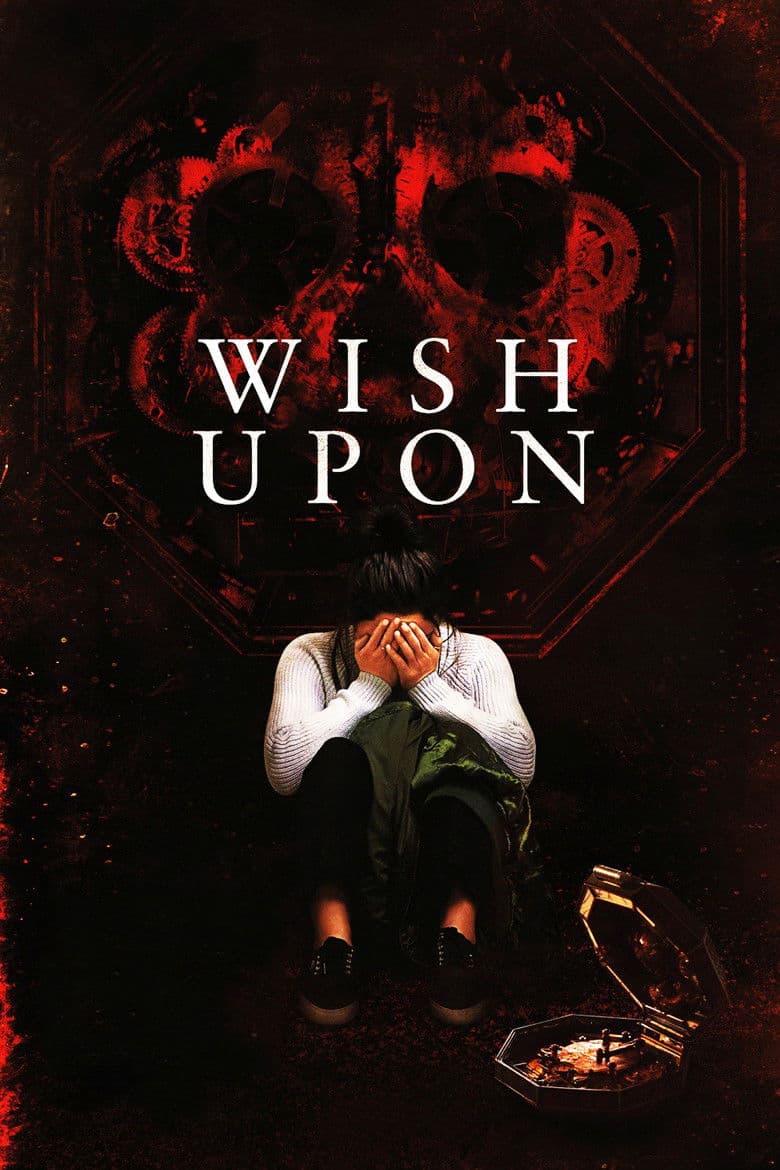
Movie · 2017
A teenage girl discovers a box with magical powers, but those powers comes with a deadly price.
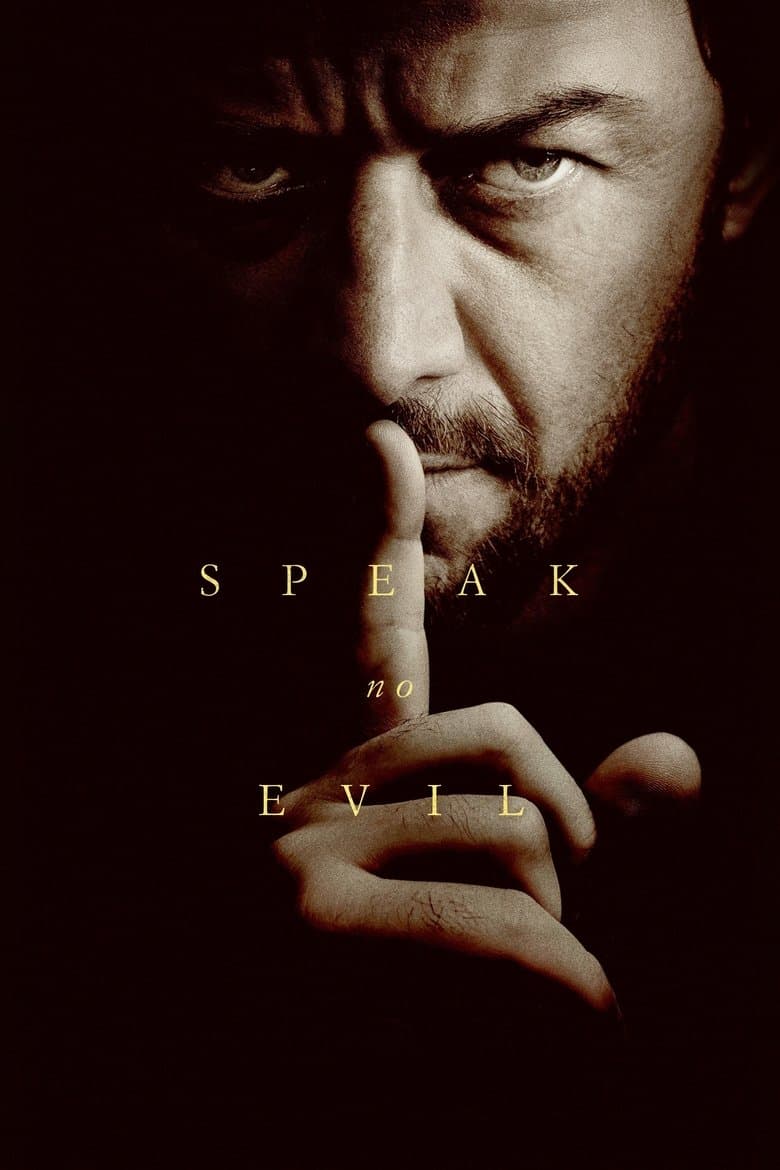
Movie · 2024
When an American family is invited to spend the weekend at the idyllic country estate of a charming British family they befriended on vacation, what begins as a dream holiday soon…
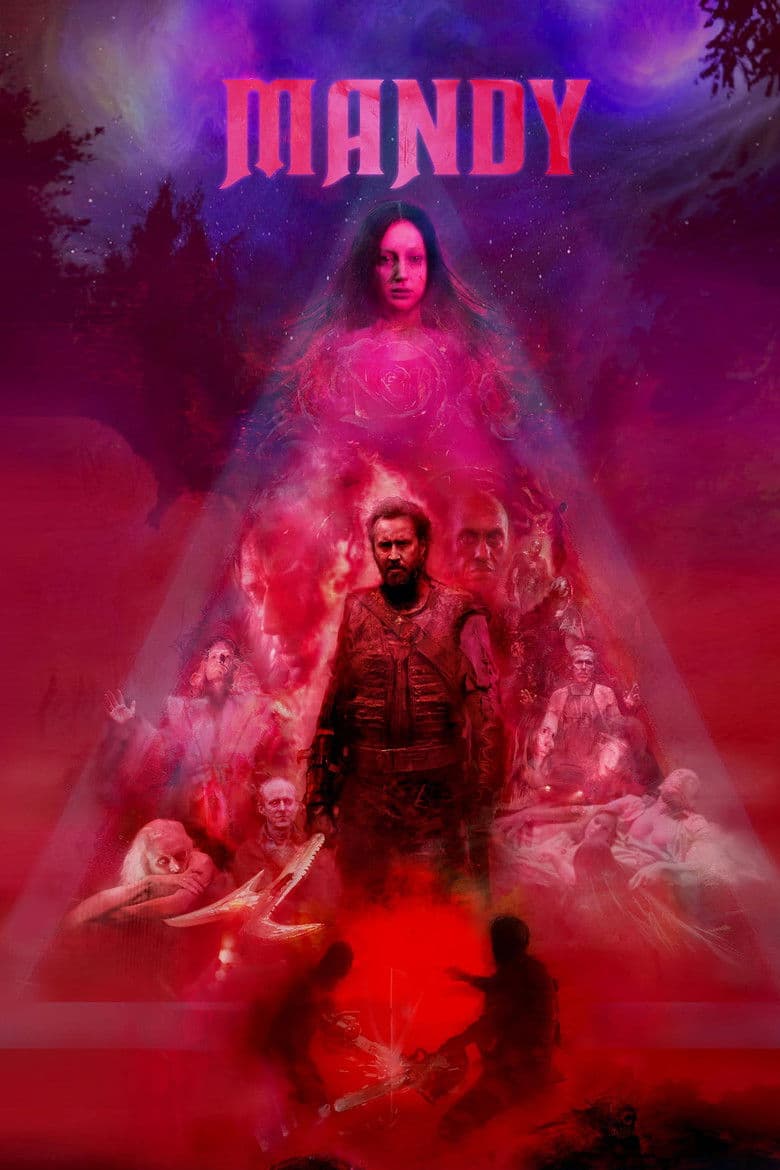
Movie · 2018
The Shadow Mountains, 1983. Red and Mandy lead a loving and peaceful existence; but when their pine-scented haven is savagely destroyed, Red is catapulted into a phantasmagoric…
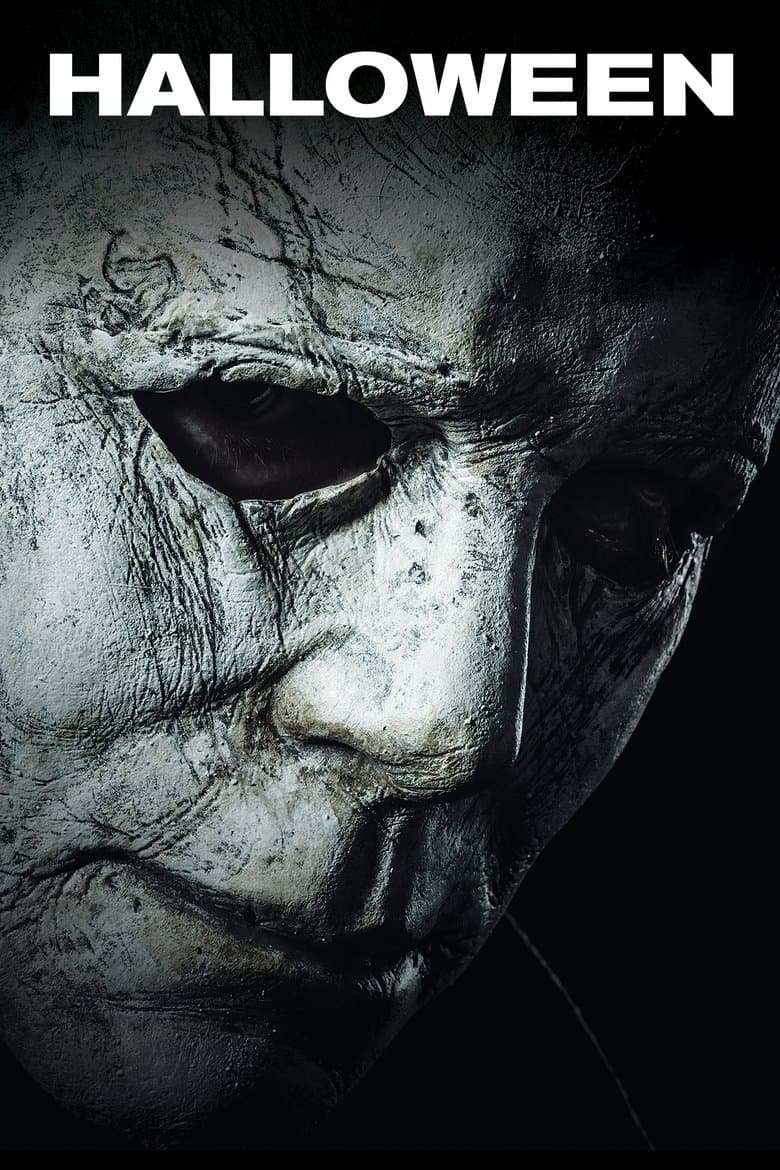
Movie · 2018
Laurie Strode comes to her final confrontation with Michael Myers, the masked figure who has haunted her since she narrowly escaped his killing spree on Halloween night four…
Movie · 2024
A gothic tale of obsession between a haunted young woman and the terrifying vampire infatuated with her, causing untold horror in its wake.
