
Abbie and Sam are childhood sweethearts living in New York and planning their wedding. Abbie works in publishing, while Sam teaches at a college and has never dated anyone else. When a hoped-for pregnancy turns out to be stage-four cancer, Abbie starts planning for the life Sam will have after she dies. She tries to find him a new girlfriend and uses jokes, lists, and careful plans to handle fear and grief. The story follows their love as they face death and learn to let go.
The clearest woke element is the gender setup, because Abbie drives the plan while Sam is sweet, awkward, and helpless with dating. She chooses women for him, changes his clothes, and arranges meetings, but the movie also treats her control as a problem that hurts them both. One work joke mentions a feminist princess book. Another joke calls Sam a clueless white man, while other banter talks about female energy and becoming gay. These moments add mild identity and gender signaling, but the story stays focused on cancer, love, grief, and accepting the present.
Community feedback
Was our 32% Woke rating accurate?
Breakdown
These are the editorial factors and ratings behind our score for Irreplaceable You.
Woke representation / casting
Not present. The film uses a normal modern New York mix with a black lead, a white fiancé, and a mixed cancer support group. The story does not present their identities as a diversity message.
0%
Woke political dialogue
The film includes a brief joke about approving a feminist princess book. A friend calls Sam a clueless white dude while praising Abbie as an amazing woman. Other banter talks about women eating a man alive, female energy shaping him, and becoming gay. These lines are jokes and dating talk, not a speech or a main plot issue.
25%
Identity-driven story themes
Abbie drives almost every major choice after her diagnosis. She creates Sam’s dating profile, screens possible partners, changes his clothes, and arranges meetings while Sam mostly reacts. The movie presents her as loving but controlling, so her power over him is also shown as a flaw. The story centers on cancer, love, grief, and letting go rather than a broad gender campaign.
38%
Western institutional / cultural critique
Not present. The movie does not attack men, family life, religion, capitalism, or Western institutions as systems. Its conflict comes from cancer, grief, and Abbie’s effort to control the future.
0%
Woke character or canon changes
Not relevant. The film uses original characters and does not adapt established characters or real historical events.
0%
Anti-woke backlash and complaints
Not present. No anti-woke backlash was found. Reviews and audience comments focused on cancer, grief, tone, and the unusual matchmaking plot. The supplied X pass found no complaints tied to woke, DEI, or identity politics.
0%
Creator track record context
Writer Bess Wohl has the strongest creator context because her other work often centers feminist activism and identity politics. Director Stephanie Laing has little public activist history, and most producers and both casting directors have low cached scores. Farah Abushwesha is a moderate exception because of her support for equality and women behind the camera. The group is mixed, so the writer raises this factor without making it dominant.
34%
Production
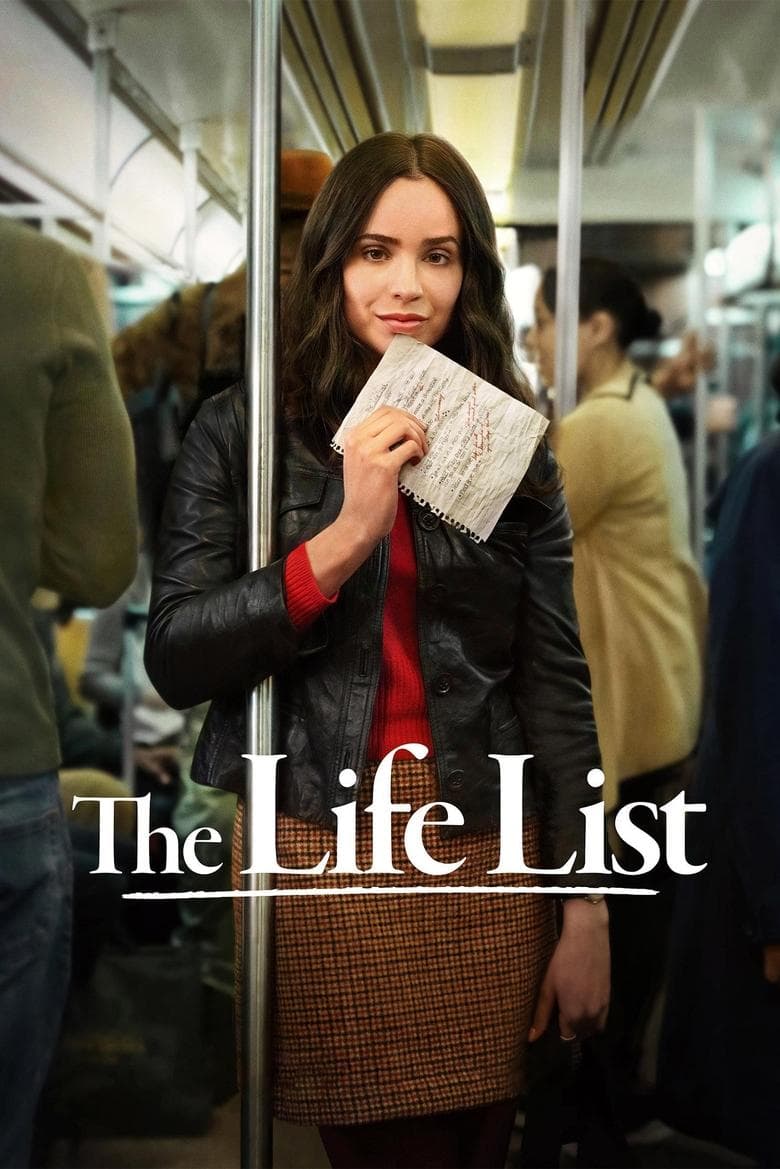
Movie · 2025
When her mother sends her on a quest to complete a teenage bucket list, a young woman uncovers family secrets, finds romance — and rediscovers herself.

Movie · 2023
Michelle and Allen, who have reached the point in their relationship where they are considering next steps, decide to invite their parents to finally meet and to offer some…

Movie · 2016
From Jane Austen’s novella, the beautiful and cunning Lady Susan Vernon visits the estate of her in-laws to wait out colorful rumors of her dalliances and to find husbands for…

Movie · 2016
Mia, an aspiring actress, serves lattes to movie stars in between auditions and Sebastian, a jazz musician, scrapes by playing cocktail party gigs in dingy bars, but as success…
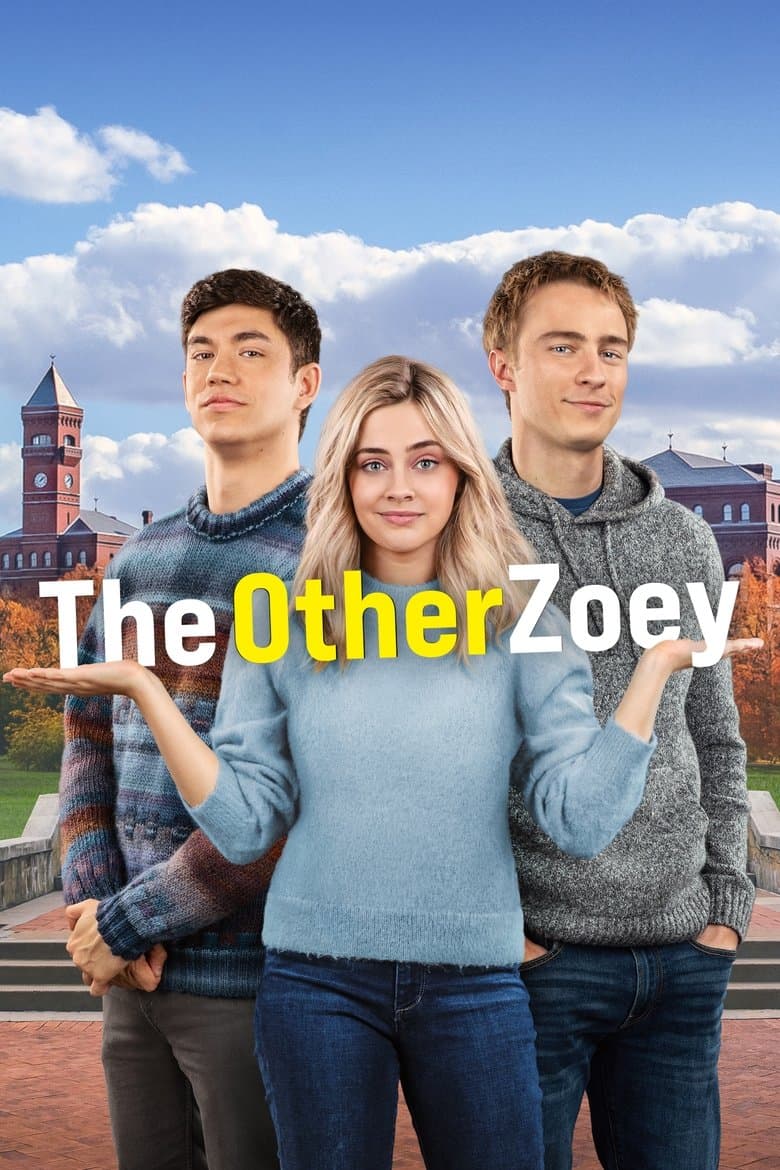
Movie · 2023
Highly intelligent computer major Zoey Miller is uninterested in romantic love, but her life is turned upside down when Zack, the school's soccer star, gets amnesia and mistakes…
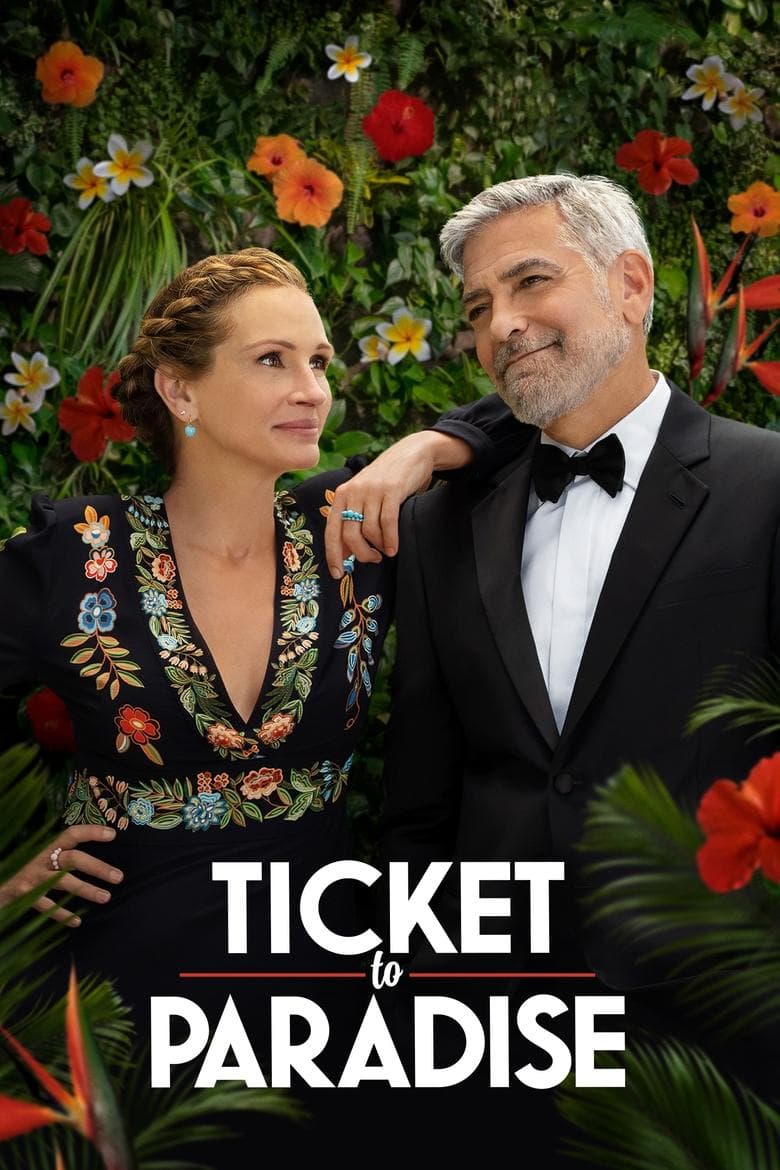
Movie · 2022
Divorced couple Georgia and David find themselves on a shared mission: they team up and travel to Bali to stop their daughter Lily from making the same mistake they once made 25…

Movie · 2021
Troubled teen Will Hawkins has a run-in with the law that puts him at an important crossroad: go to juvenile detention or attend a Christian summer camp.

Movie · 2016
The unconventional love story of an aspiring actress, her ambitious driver, and their eccentric boss, the legendary billionaire Howard Hughes.
