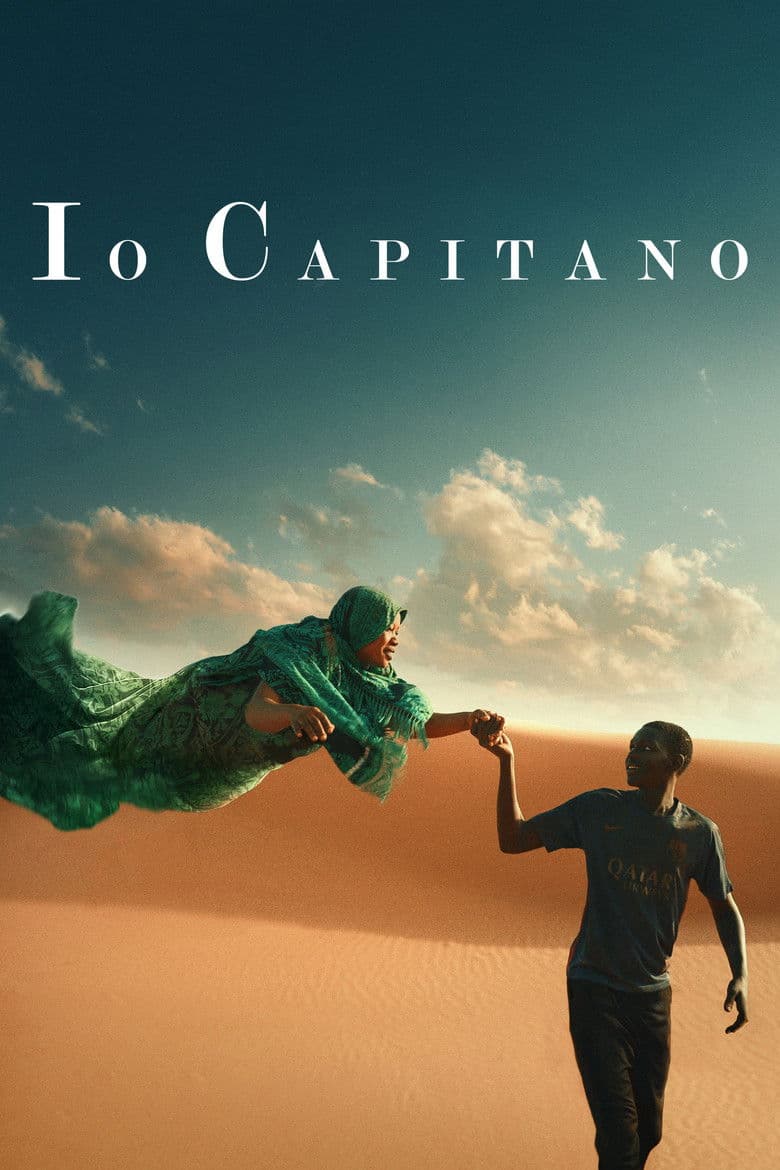
Io Capitano follows Seydou, a Senegalese teenager who dreams of becoming a singer in Europe. He leaves Dakar with his cousin Moussa, even though his mother and other adults warn them about the danger. Their route crosses Mali, Niger, Libya, the Sahara, and the Mediterranean, where smugglers, prison guards, hunger, and the sea put them at risk. Seydou must later steer a crowded boat even though he cannot swim. The film has a harsh, tense tone, but it also shows music, friendship, faith, and moments of strange beauty.
The main woke element is the film’s identity-driven focus on African migrants and the unequal rules that make travel easy for Europeans and dangerous for the boys. The story asks viewers to see migrants as people with dreams and families instead of as a faceless crowd. It shows detention, forced labor, racial mistreatment, and trafficking as part of a wider system that destroys basic rights. This message is central to the journey.
Community feedback
Was our 70% Woke rating accurate?
Breakdown
These are the editorial factors and ratings behind our score for Io Capitano.
Woke representation / casting
Not present. The lead actors are Senegalese teenagers playing Senegalese teenagers in Senegal and on a West African migration route. The other African roles also fit the places and people shown, and the film does not use a race, gender, or identity swap.
0%
Woke political dialogue
The boys joke that white people will ask for their autographs when they become stars. A local medical worker warns that black people are not treated at the hospital. These brief lines point to race and unequal treatment, but the film does not repeat a political speech about DEI, gender, or current parties.
25%
Identity-driven story themes
The story makes the migrant identity of two Senegalese boys its central subject. Their journey shows detention, forced labor, trafficking, racial mistreatment, and the danger of closed travel routes. The film repeatedly asks viewers to see migrants as people with families, dreams, courage, and moral choices. It presents empathy, human dignity, and safer movement as the main answer to a harsh migration system.
68%
Western institutional / cultural critique
The film shows corrupt checkpoints, violent Libyan detention, human trafficking, and a hospital that denies care to black people. The setup contrasts the boys’ blocked route with the easy European images shown on their phones. The story treats these barriers as an unjust system, not just as one villain’s crime. The Italian Coast Guard appears only at the end, so the movie does not build a long attack on Italy, capitalism, Christianity, or a named Western government.
47%
Woke character or canon changes
Not relevant. The film is an original composite story built from real migrant testimonies. It does not change an established fictional character, canon, or famous historical figure.
0%
Anti-woke backlash and complaints
A right-leaning Italian commentator called the film a publicly funded, left-wing pro-immigration manifesto after its David di Donatello wins. Small X accounts also called it woke, politically correct, or globalist. A minor Italian article recorded a pre-release “propaganda” complaint before the commenter had seen the film, which is weak evidence by itself. The repeated complaints had some reach, but no boycott, review bombing, or broad English-language campaign was reported.
43%
Creator track record context
Matteo Garrone’s work repeatedly centers migrants, outsiders, crime, and unequal power. Massimo Gaudioso and Paolo Del Brocco also have repeated links to social-issue stories and public-service film work. The other cached writers and most casting directors do not show a strong activist record. This gives the title a clear social focus, but not proof of a unified party campaign.
56%
Production
Movie · 2017
In 13th century Ireland a group of monks must escort a sacred relic across a landscape fraught with peril.
Movie · 2023
When the tenacious young sailor Jessica Watson sets out to be the youngest person to sail solo, nonstop and unassisted around the world, many expect her to fail.
Movie · 2021
To save their cash-strapped orphanage, a guardian and his kids partner with a washed-up boat captain for a chance to win a lucrative fishing competition.

Movie · 2021
After her grandfather's death, 20-year-old Alma decides to go back to her childhood home - a little island in the heart of the majestic Canadian forest.
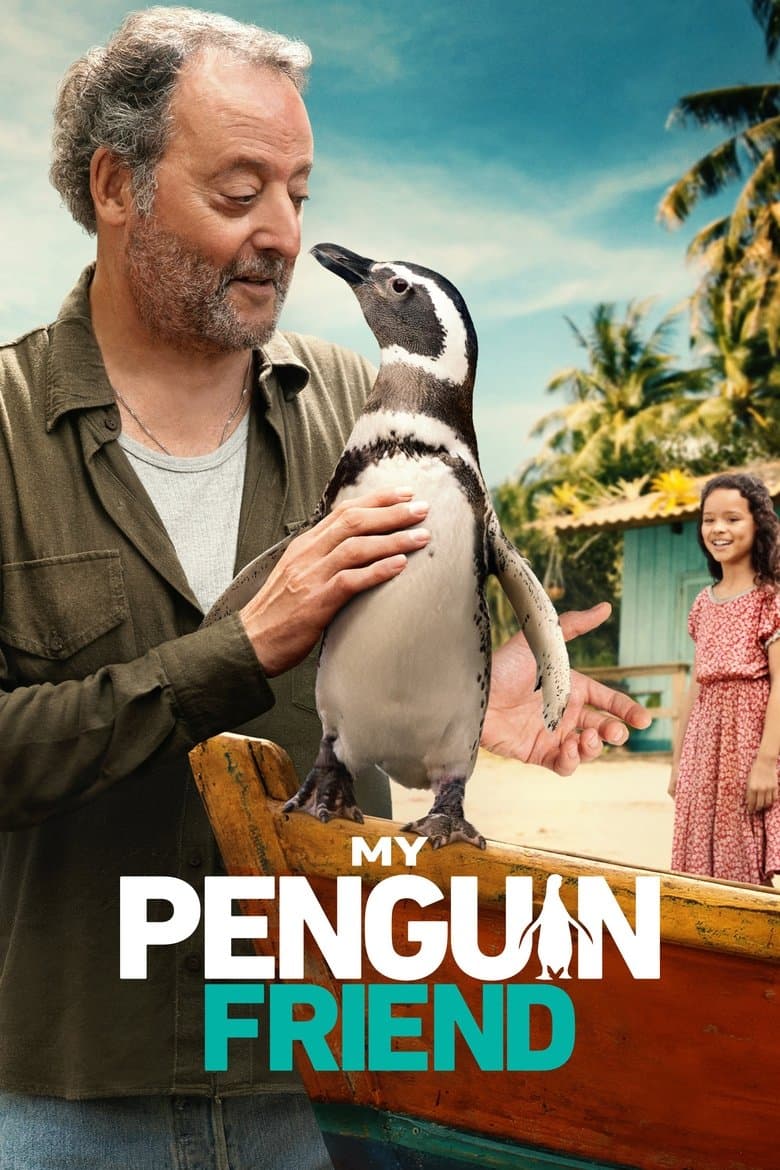
Movie · 2024
A lost penguin rescued from an oil spill transforms the life of a heartbroken fisherman. They become unlikely friends, so bonded that even the vast ocean cannot divide them.

Movie · 2019
A dog finds the meaning of his own existence through the lives of the humans he meets.

Movie · 2022
The unlikely friendship of a boy, a mole, a fox and a horse traveling together in the boy's search for home.

Movie · 2019
Simba idolizes his father, King Mufasa, and takes to heart his own royal destiny. But not everyone in the kingdom celebrates the new cub's arrival.
