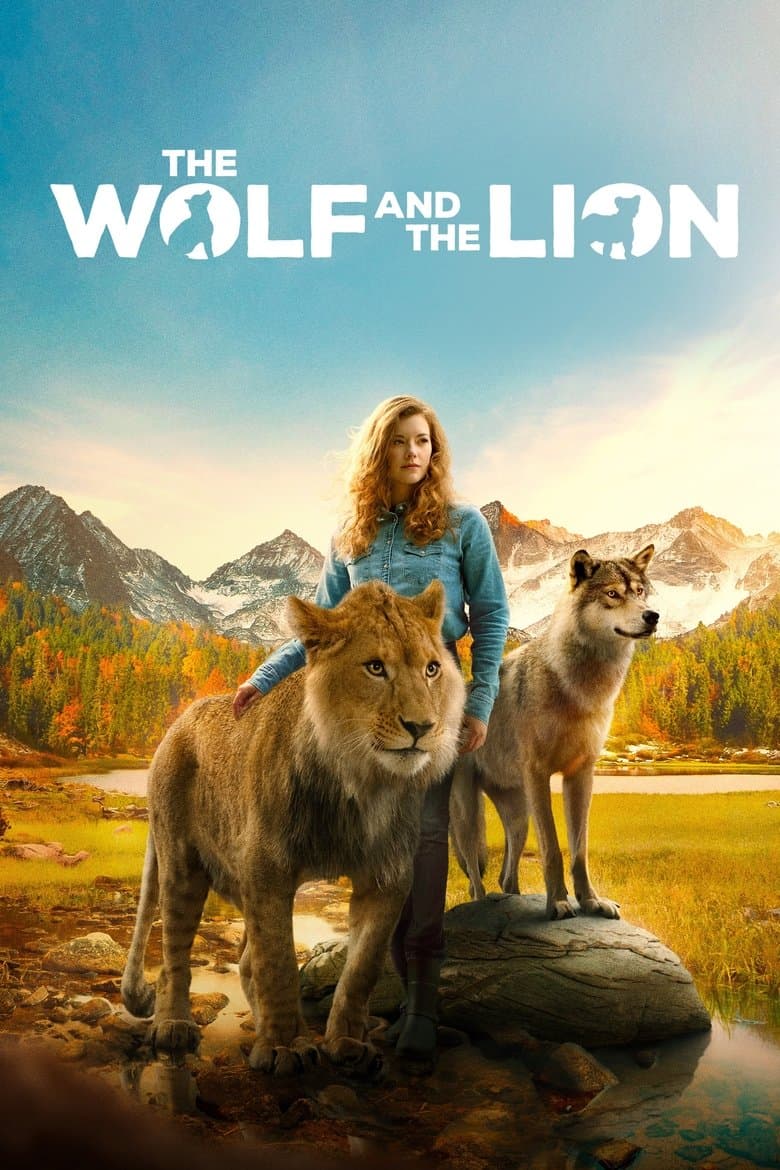
Alma is a 20-year-old piano student who returns to her late grandfather’s island home in the Canadian forest. She finds a wolf pup and a lion cub after the animals lose their mothers, and she decides to care for them. The animals grow up as brothers, but wildlife officials take them away and the pair must cross the country to reunite with Alma. The film has a warm family tone, with danger, sad moments, and many scenes built around real animals.
The clearest woke element is a broad message that love can make a family even when its members are not related by blood or even the same species. The film also asks viewers to feel sympathy for animals taken from the wild, placed in cages, or controlled by people who claim to manage them. Alma’s bond with the cubs is treated as more caring than the circus trade and some official efforts to control wildlife. These ideas are central to the adventure, but they stay focused on animal welfare, tolerance, and chosen family rather than current race, sex, gender, or party politics.
Community feedback
Was our 26% Woke rating accurate?
Breakdown
These are the editorial factors and ratings behind our score for The Wolf and the Lion.
Woke representation / casting
Not present. The film centers on Alma, Joe, a wolf expert, and circus workers. It does not frame the cast as a diversity message or build the main roles around race, sex, or identity. Graham Greene’s Indigenous background is not used as a story theme, and his role fits the Canadian setting.
0%
Woke political dialogue
Alma’s closing speech calls the animals’ bond a lesson in tolerance and says people should defend animals’ right to freedom. The film uses this language to praise care for animals and peaceful bonds across difference. It does not turn the dialogue toward current party politics or human identity groups.
12%
Identity-driven story themes
The film makes a family built through love instead of blood a major theme. The wolf and lion become brothers despite being different species, and their bond is used as a lesson about accepting difference. The message supports broad tolerance, but it stays focused on animals rather than race, sex, gender, or sexuality.
18%
Western institutional / cultural critique
The film repeatedly sets Alma and the animals against human systems that claim to protect or use wildlife. A wolf expert traps the mother wolf, officials separate the cubs, and a circus owner plans to train the lion through cruel methods. The story treats these systems as harmful when they put control, profit, or human rules above animal freedom. This is an animal-rights message, not a wider attack on capitalism, religion, or traditional family life.
28%
Woke character or canon changes
Not relevant. The film is an original family adventure and does not change an established character, canon, or real historical event.
0%
Anti-woke backlash and complaints
A WORLD review called the film propaganda and said its animal-rights message was too strong for a family film. The review linked that message to the filmmakers’ animal-rights activism. The supplied X pass found no anti-woke reaction, and no boycott or review-bombing pattern appeared in the reviewed coverage.
22%
Creator track record context
Gilles de Maistre has a mild record of work about hardship, animals, and environmental causes. Prune de Maistre is mainly linked to family stories about children, animals, and conservation. The film’s interviews and press material continue that animal-protection focus without showing a strong DEI or identity-politics record.
10%
Production
Movie · 2023
When his beloved dog goes missing, a young man embarks on an incredible search with his parents to find him and give him life-saving medication.
Movie · 2019
The untold true story set in the winter of 1925 that takes you across the treacherous terrain of the Alaskan tundra for an exhilarating and uplifting adventure that will test the…
Movie · 2015
When 11-year-old Riley moves to a new city, her Emotions team up to help her through the transition. Joy, Fear, Anger, Disgust and Sadness work together, but when Joy and Sadness…

Movie · 2018
Two school kids strike up a friendship with an orphaned puppy named Benji. When danger befalls them and they end up kidnapped by robbers who are in over their heads, Benji and his…
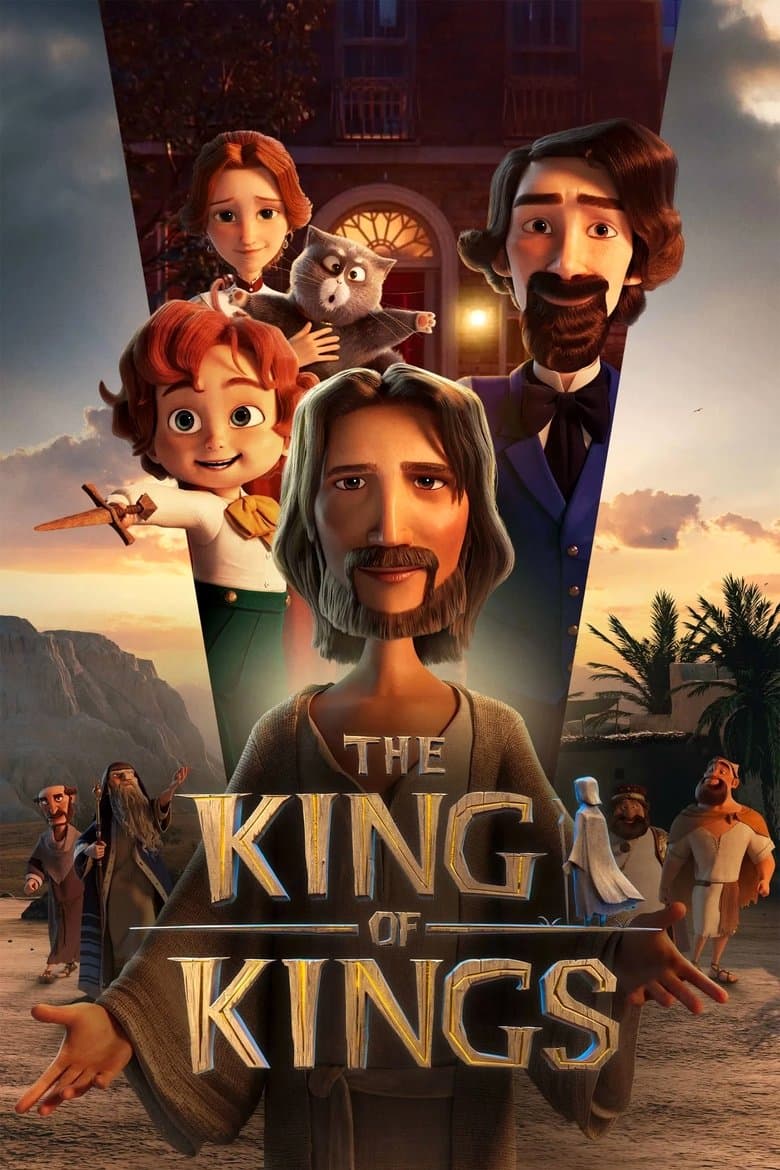
Movie · 2025
Charles Dickens tells his young son Walter the greatest story ever told, and what begins as a bedtime tale becomes a life-changing journey.
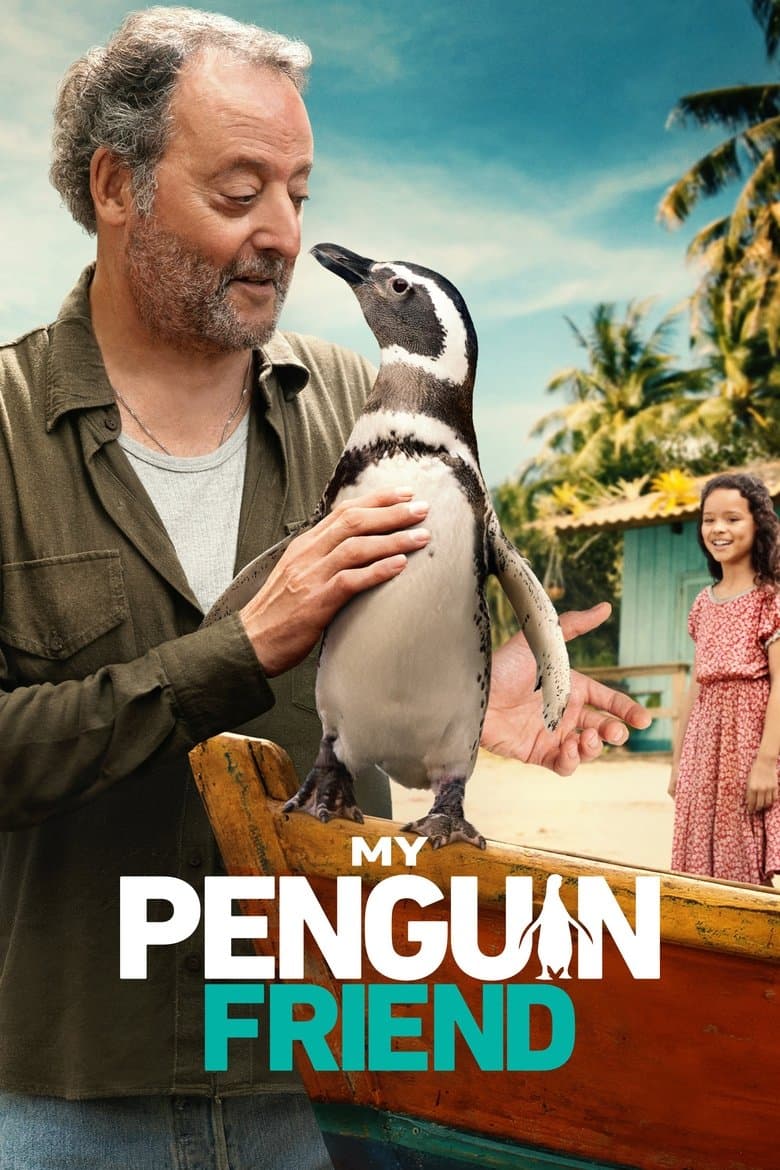
Movie · 2024
A lost penguin rescued from an oil spill transforms the life of a heartbroken fisherman. They become unlikely friends, so bonded that even the vast ocean cannot divide them.
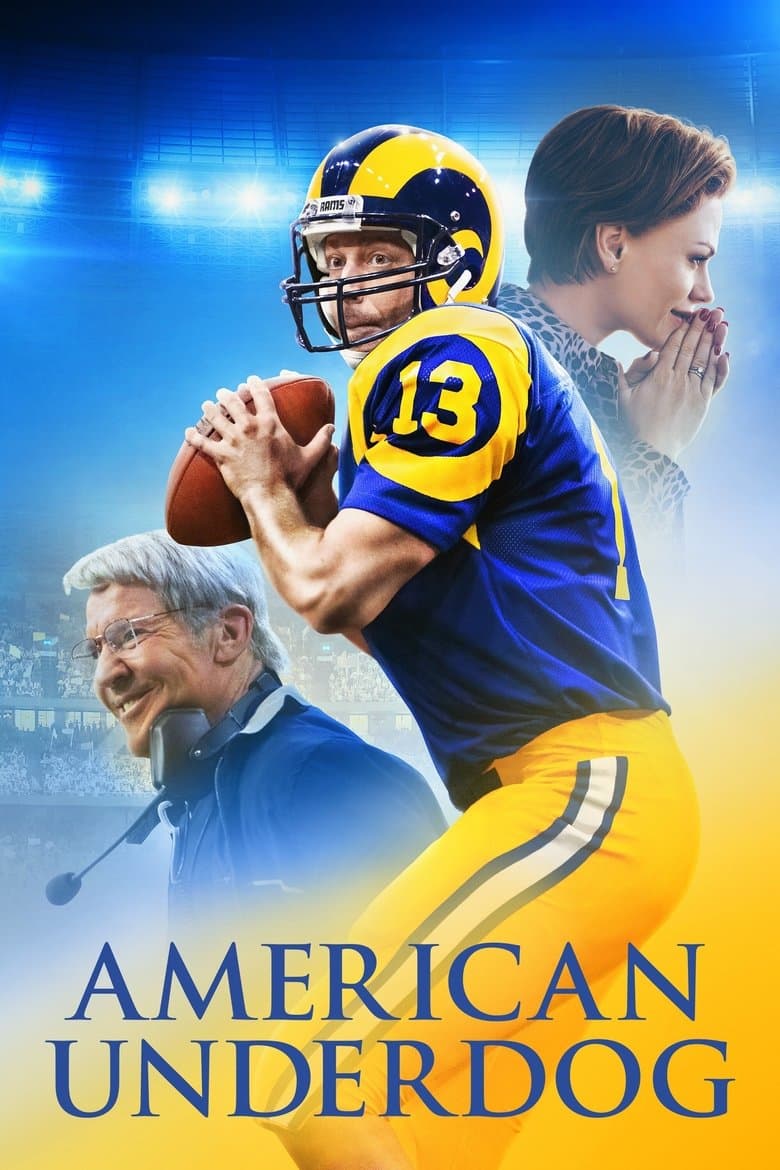
Movie · 2021
The true story of Kurt Warner, who went from a stockboy at a grocery store to a two-time NFL MVP, Super Bowl champion, and Hall of Fame quarterback.
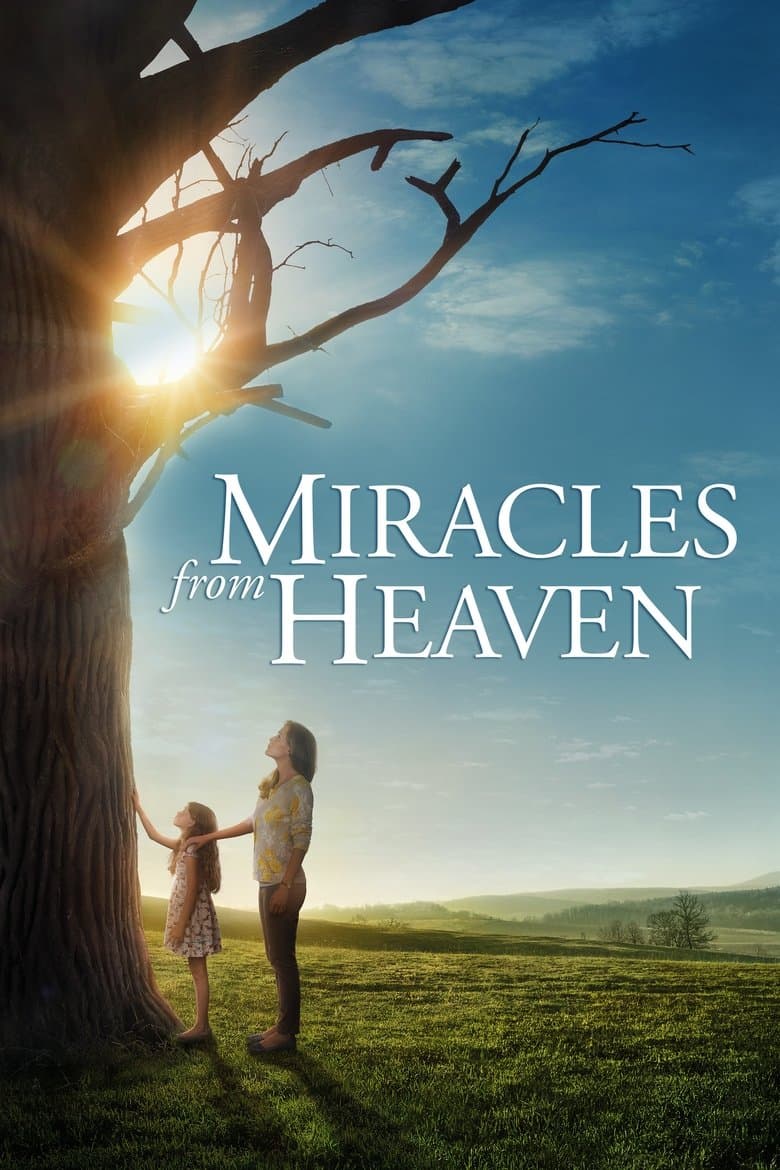
Movie · 2016
When Christy discovers her 10-year-old daughter Anna has a rare, incurable disease, she becomes a ferocious advocate for her daughter’s healing as she searches for a solution.
