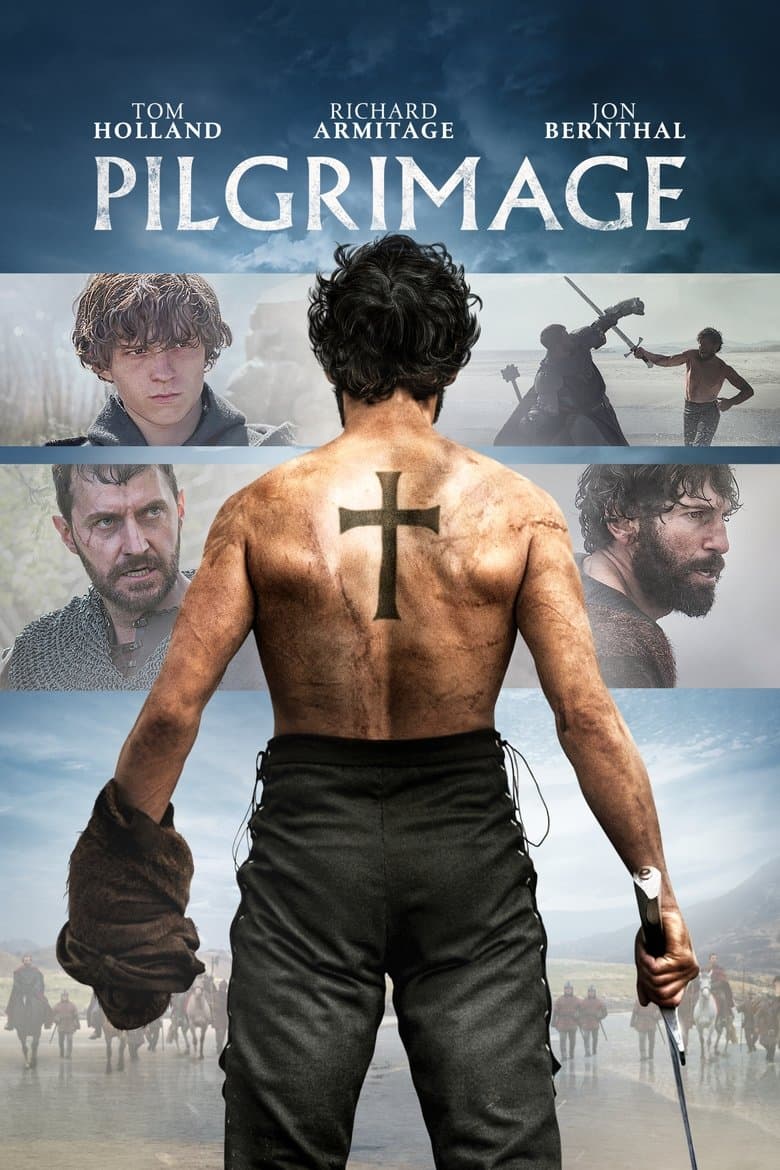
In 13th-century Ireland, young monk Brother Diarmuid leaves his remote monastery for the first time. He joins several monks and a silent servant to carry a stone relic toward Rome for the pope. Norman soldiers, Gaelic fighters, and old wounds from the Crusades turn the trip into a deadly chase. The film is dark, slow, and very violent, with bleak forests, muddy roads, and sudden bursts of gore.
The film’s strongest message comes from its treatment of organized religion. A church envoy treats the relic as a tool that can help win a war, while men use faith to excuse killing and sacrifice. Diarmuid slowly questions whether the relic brings God’s power or only makes people more violent. The story links the Church’s hunger for power to the Crusades and to the suffering of ordinary monks. The ending keeps the truth of the relic unclear, so the film becomes a grim debate about faith, power, loyalty, and violence.
Community feedback
Was our 25% Woke rating accurate?
Breakdown
These are the editorial factors and ratings behind our score for Pilgrimage.
Woke representation / casting
Not present. The main cast is made up of European actors playing monks, Norman soldiers, and Gaelic fighters in medieval Ireland. The film does not frame casting as a diversity or identity statement.
0%
Woke political dialogue
Not present. The dialogue focuses on faith, war, loyalty, sin, and the relic. It does not push modern identity, DEI, or activist ideas.
0%
Identity-driven story themes
Not present. The story follows male monks and soldiers through a religious mission. It does not build its conflict around race, gender, sexuality, or a modern identity cause.
0%
Western institutional / cultural critique
The film makes organized Catholic power the main target of its criticism. Brother Geraldus uses Rome’s authority to treat the relic as a weapon for the Crusades. He calls sacrifice and killing a path to holy reward, even when monks are left behind. Diarmuid rejects this use of faith, while the ending leaves the Church’s claims in doubt.
43%
Woke character or canon changes
Not relevant. The film is an original medieval story rather than an adaptation of modern characters. It does not make a woke or identity-driven change to Saint Matthias, the Crusades, or another established figure.
0%
Anti-woke backlash and complaints
Not present. The supplied X pass found no anti-woke posts, boycott talk, or review-bombing. Web reviews debated religion, violence, and historical accuracy, but no clear complaint said the film pushed woke or DEI content.
0%
Creator track record context
Producer Benoît Roland has backed several films centered on queer identity and other social issues. The director and writer have no clear activist record. Most other cached crew context is genre-focused or shows ordinary industry interest in varied casting. This gives the title a mild creator track record context signal, but the film does not share that identity focus.
16%
Production
