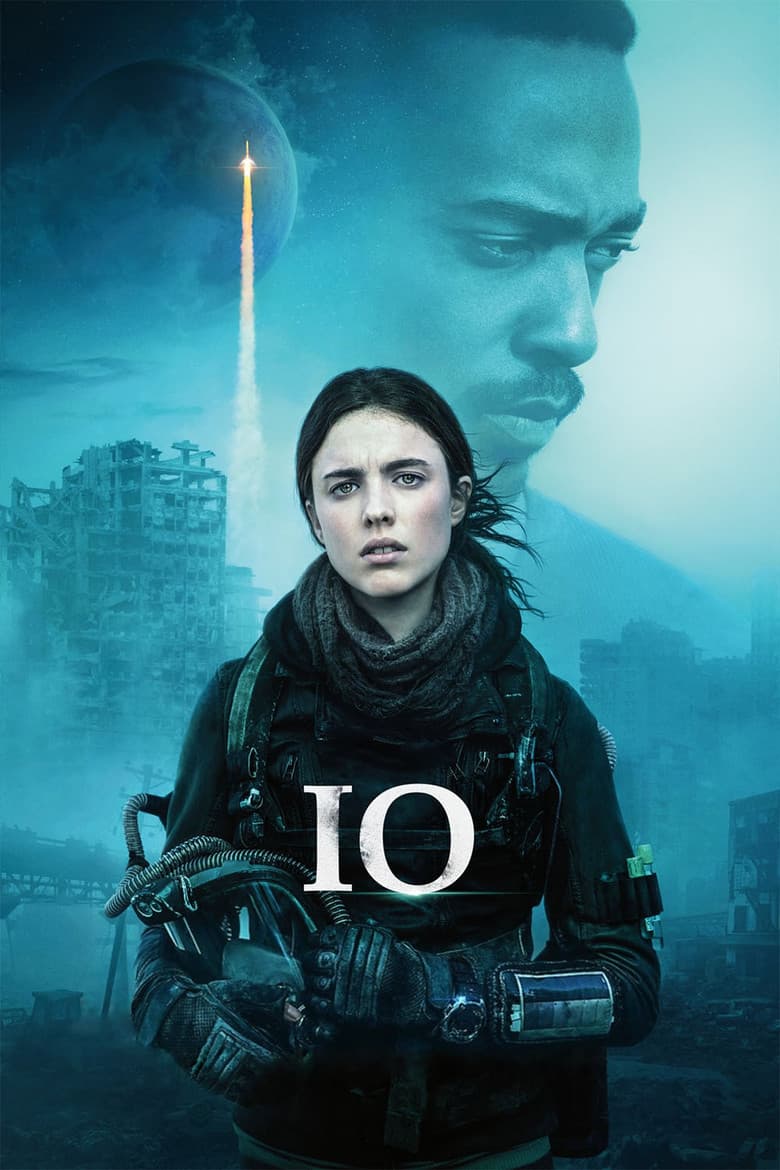
IO follows Sam Walden, a young scientist who lives alone on a poisoned Earth after most people leave for a colony near Jupiter’s moon Io. She studies bees, plants, and other life to learn whether humans can adapt to the ruined air. Micah arrives in a balloon and wants to reach the last shuttle, so he pushes Sam to leave with him. The film is quiet, bleak, and focused on long talks, lonely work, and a hard choice about home.
The clearest social message comes from the film’s warning about pollution and human behavior. Its opening voice-over says people were doomed to destroy the planet, while Sam follows her late father’s belief that Earth may recover instead of being abandoned. Sam’s work and final choice put hope, human connection, and adaptation above a simple escape plan. The ending shows her staying on Earth with a child, which turns the disaster story into a promise that people may return home.
Community feedback
Was our 21% Woke rating accurate?
Breakdown
These are the editorial factors and ratings behind our score for IO.
Woke representation / casting
Not present. The film uses a white woman as the scientist and a black man as the other lead, but it does not make their race or gender an identity message. The setting is a future America and the cast does not form a repeated diversity pattern.
0%
Woke political dialogue
The opening voice-over says pollution and human behavior destroyed the planet. Micah says people ignored warnings before the disaster. Sam and her father argue that life can adapt and that Earth should not be abandoned. These lines give the movie a clear environmental message, but they do not become a long political speech or an identity debate.
24%
Identity-driven story themes
Not present. Sam is a young woman, but the story does not treat her sex as a political issue. Her scientific work and final choice serve the survival plot.
0%
Western institutional / cultural critique
The film says human pollution and human behavior helped make Earth toxic. It treats the ruined atmosphere as a result of choices made by people before the story begins. Sam’s mission asks viewers to care for the planet and accept change instead of running away. The criticism stays broad and environmental, without attacking family life, religion, men, capitalism, or a named Western institution.
22%
Woke character or canon changes
Not relevant. The film is an original science-fiction story with no established characters, franchise canon, or historical figures being changed.
0%
Anti-woke backlash and complaints
One Filmweb user called the film’s smart, well-spoken female lead “political correctness.” That comment is a direct anti-woke style complaint, but it is isolated. Main reviews and Reddit discussion focused on pacing, weak science, and the ending, while the X research found no anti-woke reaction.
4%
Creator track record context
The director and main writers have very low cached scores, and most producers also have low scores. Anthony Mackie and Raphael Swann have mild past links to race, migration, or women’s rights topics. The film itself shows climate and survival themes rather than a clear identity campaign.
12%
Production
Movie · 2017
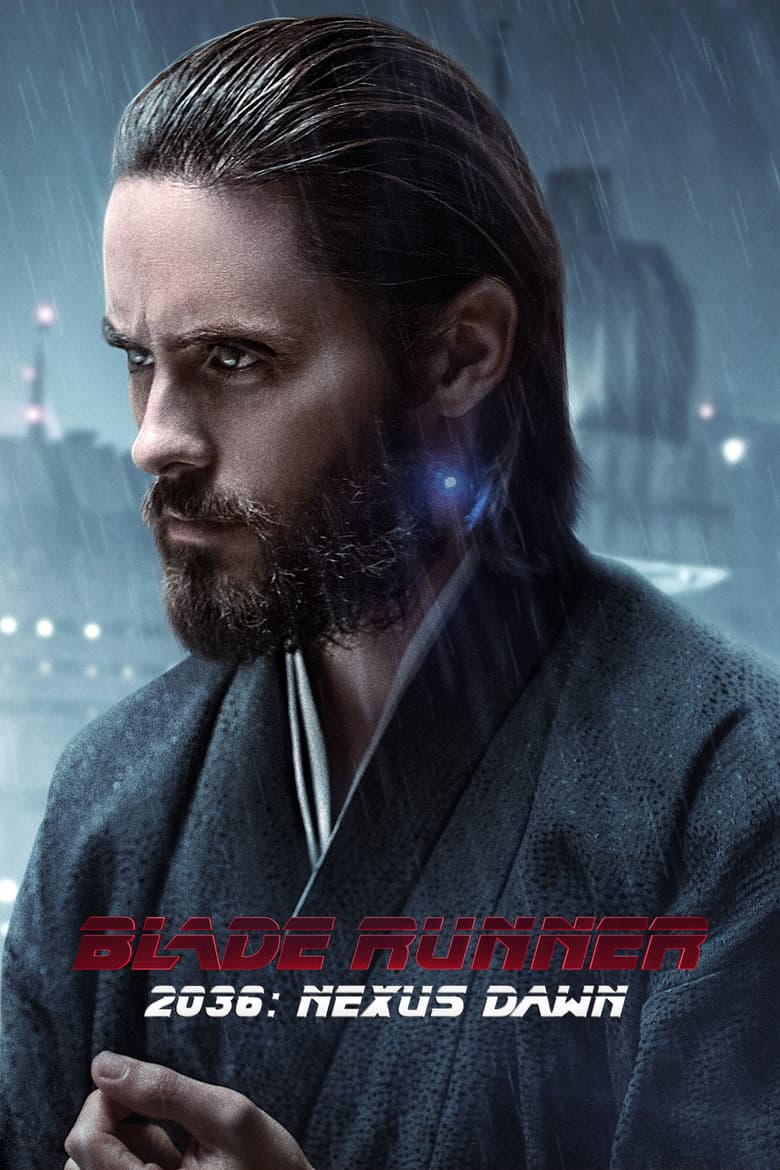
This in-world short film takes place in the year 2036 and revolves around Jared Leto’s character, Niander Wallace.
Movie · 2026
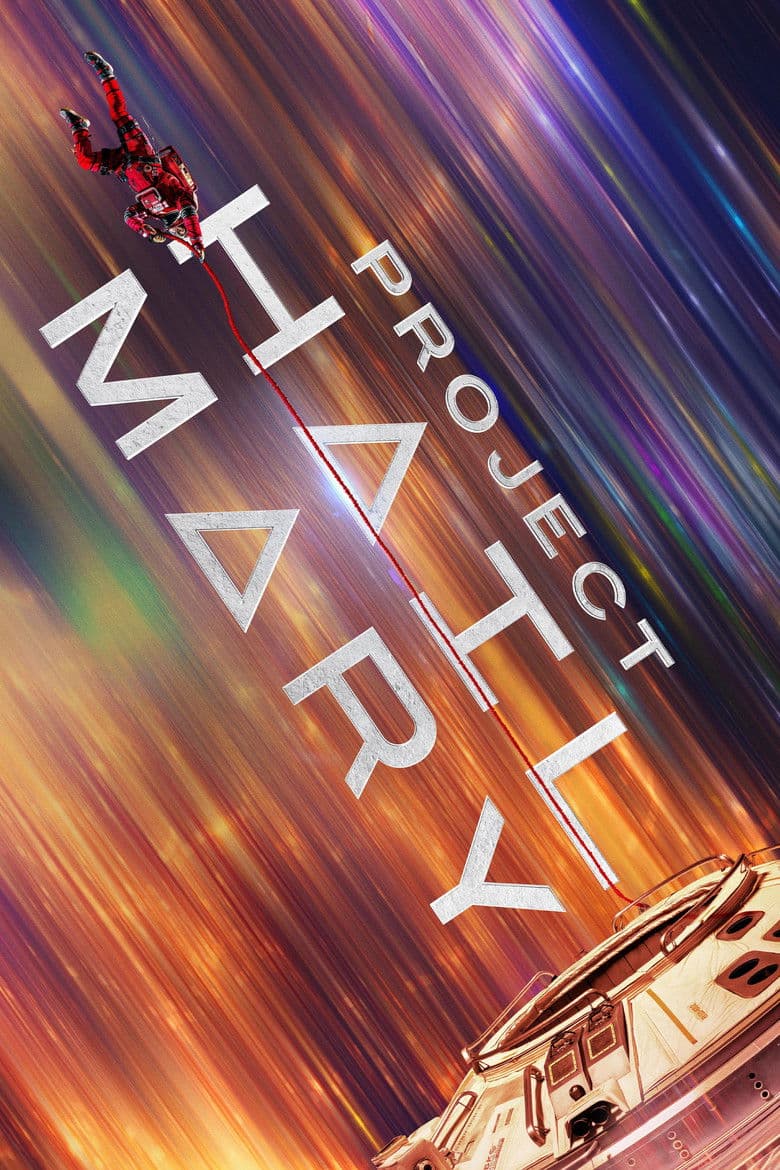
Science teacher Ryland Grace wakes up on a spaceship light years from home with no recollection of who he is or how he got there.
Movie · 2019
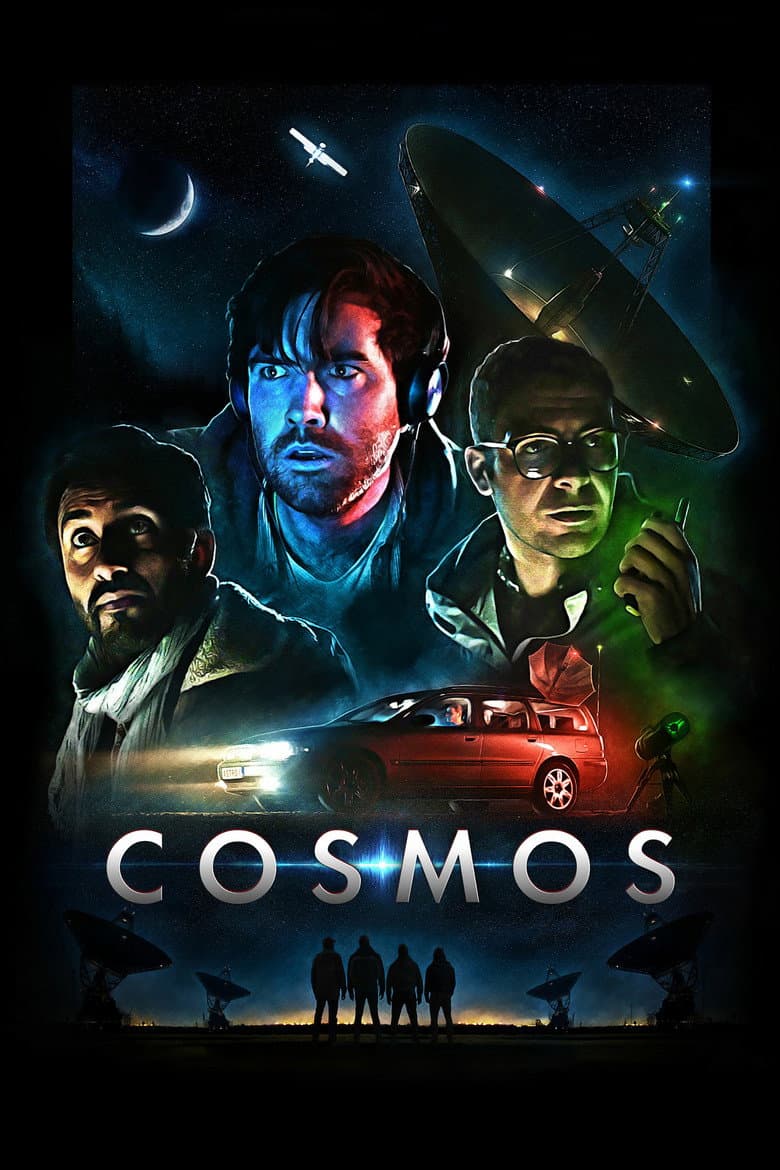
Three astronomers accidentally intercept what they believe to be a signal from a distant alien civilization, but the truth is even more incredible than any of them could have…
Movie · 2023
A lonely woman battles extraterrestrials who threaten her future while forcing her to face her past.

Movie · 2017
Jimmy is a committed child psychologist who uses his own playbook, but when he is brought in to work with Ellie, he is completely unprepared for his subject—a 9-year-old…
Movie · 2016
When a massive, gilled monster emerges from the deep and tears through the city, the government scrambles to save its citizens.
Movie · 2021
On a post-apocalyptic Earth, a robot, built to protect the life of his dying creator's beloved dog, learns about life, love, friendship, and what it means to be human.
Movie · 2022
In 1998, Beavis and Butt-Head are sentenced to Space Camp by a “creative” judge. Their obsession with a docking simulator (huh huh) leads to a trip on the Space Shuttle, with…
