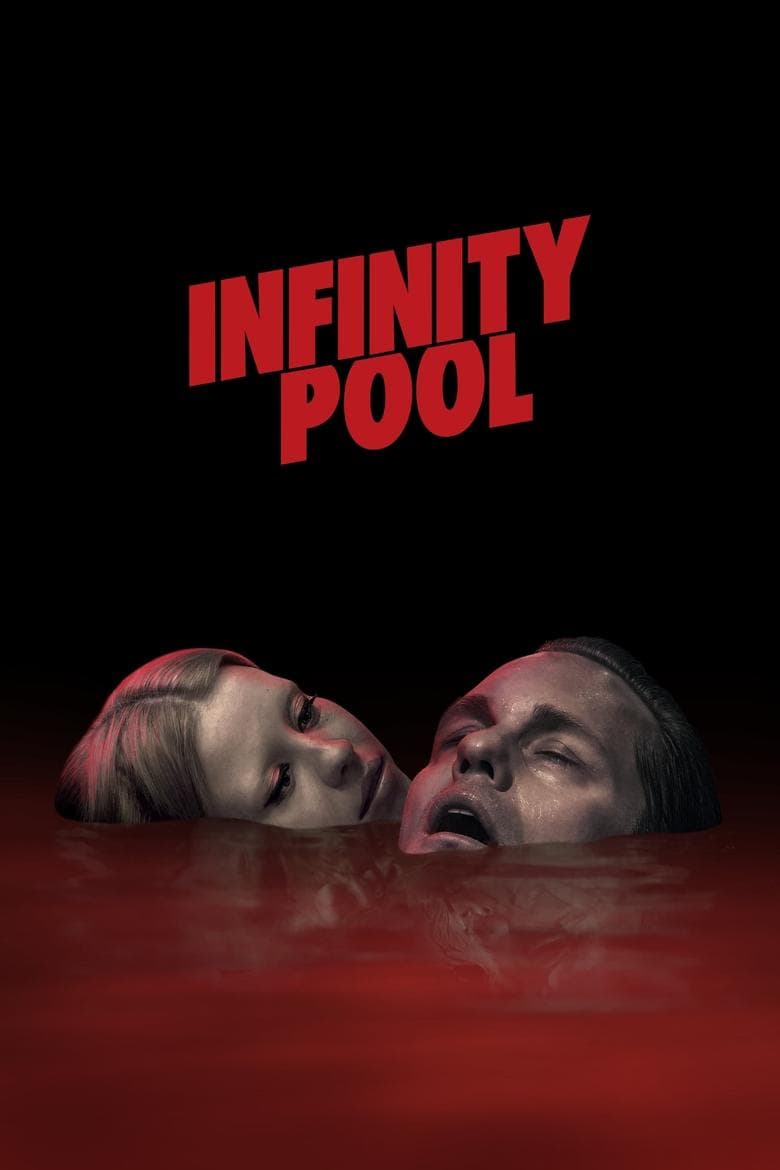
James Foster is a struggling writer who depends on his wealthy wife, Em, while they stay at a guarded island resort in the fictional country of Li Tolqa. James leaves the resort with Em and another couple, Gabi and Alban, even though visitors are warned to stay inside. After James accidentally kills a local man, he learns that rich visitors can pay to have a perfect copy of themselves executed instead. The strange deal pulls James into drugs, sex, violence, and a fight over whether he is still himself. The movie uses a dark, strange horror style.
The clearest woke element is the film's attack on wealthy foreign tourists who treat a poorer country as a playground. The story shows these visitors using money to avoid punishment while local people suffer, and it shows them turning local law and customs into entertainment. A local official tells them that his country is not a playground for foreign children. The film also attacks rich privilege, male pride, and the wish to escape guilt, but its main force comes from body horror, sexual shock, and personal collapse.
Community feedback
Was our 32% Woke rating accurate?
Breakdown
These are the editorial factors and ratings behind our score for Infinity Pool.
Woke representation / casting
Not present in this title.
0%
Woke political dialogue
Dr. Modan tells the foreign tourists that Li Tolqa is not a playground for foreign children. He links their violence and disrespect to the country's limits on hospitality. The line gives the film one clear anti-colonial political message. The movie does not build long speeches around it.
15%
Identity-driven story themes
Not present in this title.
0%
Western institutional / cultural critique
The film shows wealthy foreign tourists treating Li Tolqa as a playground. They use money to escape punishment while local people carry the cost. Dr. Modan says the country is not a playground for foreign children, and the story shows visitors abusing local law, culture, and sacred customs. Brandon Cronenberg described the resort as a place where outsiders consume the country as a product and said its colonial side came naturally. The message is clear, but it targets rich tourism and class power more than race, gender, or party politics.
48%
Woke character or canon changes
Not relevant. This is an original story with no established canon, legacy characters, or historical figures altered for ideological reasons.
0%
Anti-woke backlash and complaints
Not present. No significant public complaints that the film pushes woke, DEI, or identity politics messaging. Reactions center on gore, weirdness, and satire strength, not political agenda.
0%
Creator track record context
Brandon Cronenberg often writes about identity, technology, power, and consumer culture. His films use body horror and satire to question how people act when they have too much control or money. The available record shows no clear pattern of DEI campaigns, identity-politics activism, or social-justice work. The other listed producers and casting directors also have no known activist or DEI profile.
19%
Production
Movie · 2019
A year after the mysterious disappearance of an 8 year-old girl, we meet her grieving family as they return home from her memorial service in their small town.
Movie · 2023
A powerful biotech company has breakthrough technology allowing them to clone history’s most influential people with just a few fragments of DNA.
Movie · 2021
Following the events at home, the Abbott family now face the terrors of the outside world. Forced to venture into the unknown, they realize that the creatures that hunt by sound…
Movie · 2020
Two New Orleans paramedics' lives are ripped apart after encountering a series of horrific deaths linked to a designer drug with bizarre, otherworldly effects.
Movie · 2020
A group of World War II American soldiers encounter a supernatural enemy as they occupy a French castle previously under Nazi control.
Movie · 2021
The Blind Man has been hiding out for several years in an isolated cabin and has taken in and raised a young girl orphaned from a devastating house fire.
Movie · 2024
After an experimental drug trial goes awry, the test subjects face a terrifying side effect: if you fall asleep you die.

Movie · 2016
Set in a near future, technology-reliant society that pits man against killing machines. Against this backdrop an elite army unit is helicoptered to a remote, off-the-grid island…
