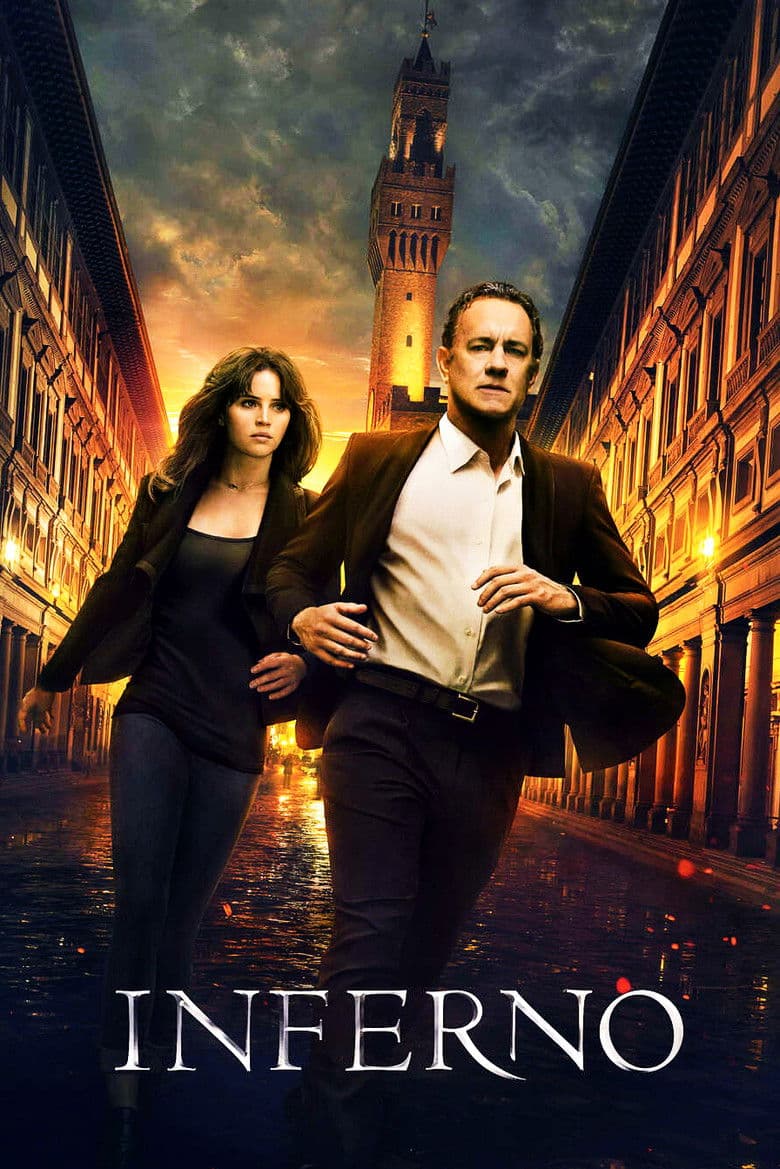
Harvard symbologist Robert Langdon wakes with amnesia in Florence. He teams up with Dr. Sienna Brooks and follows clues tied to Dante. They race to stop a transhumanist scientist who plans to release a plague. The goal of that plan is to cut the global population. The story is a globe-trotting puzzle thriller built around that threat.
The film shows an international cast and several prominent women in major competent roles. The villain pushes hard overpopulation logic as a reason for mass culling. That talk is environmental and population-focused, not race, gender, or queer identity politics. The heroes treat mass depopulation as something to stop. Christian hell art and Dante imagery drive the mystery trail more than identity messaging.
Community feedback
Was our 20% Woke rating accurate?
Breakdown
These are the editorial factors and ratings behind our score for Inferno.
Woke representation / casting
The cast is international and includes several prominent women and non-white actors in major competent roles. Press and Tom Hanks framed that mix as fitting a global story. The WHO and private-security plot makes an international cast feel natural. It reads more like story support than a pure identity-quota ensemble.
22%
Woke political dialogue
The villain argues hard overpopulation logic to justify mass culling. Viewers hear clear political talk about population and the environment. That talk is not built on race, gender, or queer identity points. There is no sustained DEI or identity-politics dialogue.
12%
Identity-driven story themes
The main story is overpopulation and a fanatical plan to “fix” humanity with a virus. Dante’s hell is used as puzzle style, not as a vehicle for race or gender ideology. The heroes try to stop mass depopulation. The film is not built around representation-first messaging.
14%
Western institutional / cultural critique
Corrupt officials and private security create standard thriller tension. Dante and Christian hell art work as mystery clues more than as an attack on the Church. The film is lighter on Church conspiracy than earlier Langdon movies. There is no clear anti-patriarchy or anti-whiteness framing.
8%
Woke character or canon changes
Not relevant. Differences from the novel are framed as cinematic adaptation and action choices. They are not identity- or DEI-driven rewrites of characters.
0%
Anti-woke backlash and complaints
Not present. Public talk focused on weak reviews, pacing, and ending changes from the book. No meaningful anti-woke or anti-DEI backlash campaign turned up. Isolated policy critiques of overpopulation ideas do not count as treating the film as woke propaganda.
0%
Creator track record context
Key creatives score low to moderate on cached track records overall. Their public profiles read as mainstream studio craft. There are only mild liberal or environmental notes. There is not a pattern of identity-first or DEI-driven projects for this title.
14%
Production

Movie · 2017
Master car thieves square off against French gangsters in the South of France with money, women and lives all on the line.
Movie · 2016
If Nick Barrow can stay alive for 21 days, he'll die happy. Everyone Nick knows wants him dead; Mob bosses, contract killers, and dirty cops.
Movie · 2017
On a relentless quest to avenge his sister's murder, a man from Cape Town infiltrates a sprawling network of lowlifes and elites in Los Angeles.
Movie · 2018
A businessman, on his daily commute home, gets unwittingly caught up in a criminal conspiracy that threatens not only his life but the lives of those around him.

Movie · 2017
Steve Ford is a private detective in Venice Beach, Calif., who's good with the ladies, bad with the punches and wild about his dog Buddy.
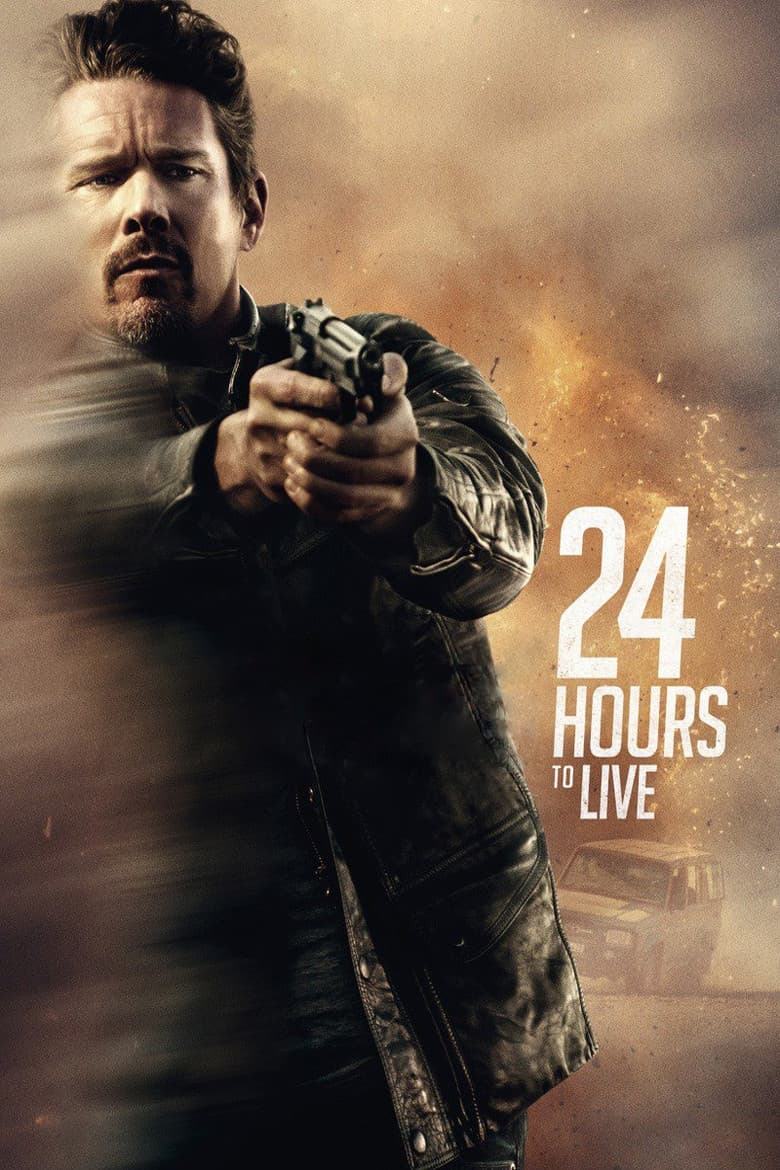
Movie · 2017
An assassin seeks redemption after being given a second chance at life.

Movie · 2021
After civilization succumbs to a deadly pandemic and his wife is murdered, a special forces soldier abandons his duty and becomes a hermit in the Nordic wilderness.

Movie · 2018
A married couple suspect that the 'smart apartments' in their high tech residence are being used by its owner for sinister reasons.
