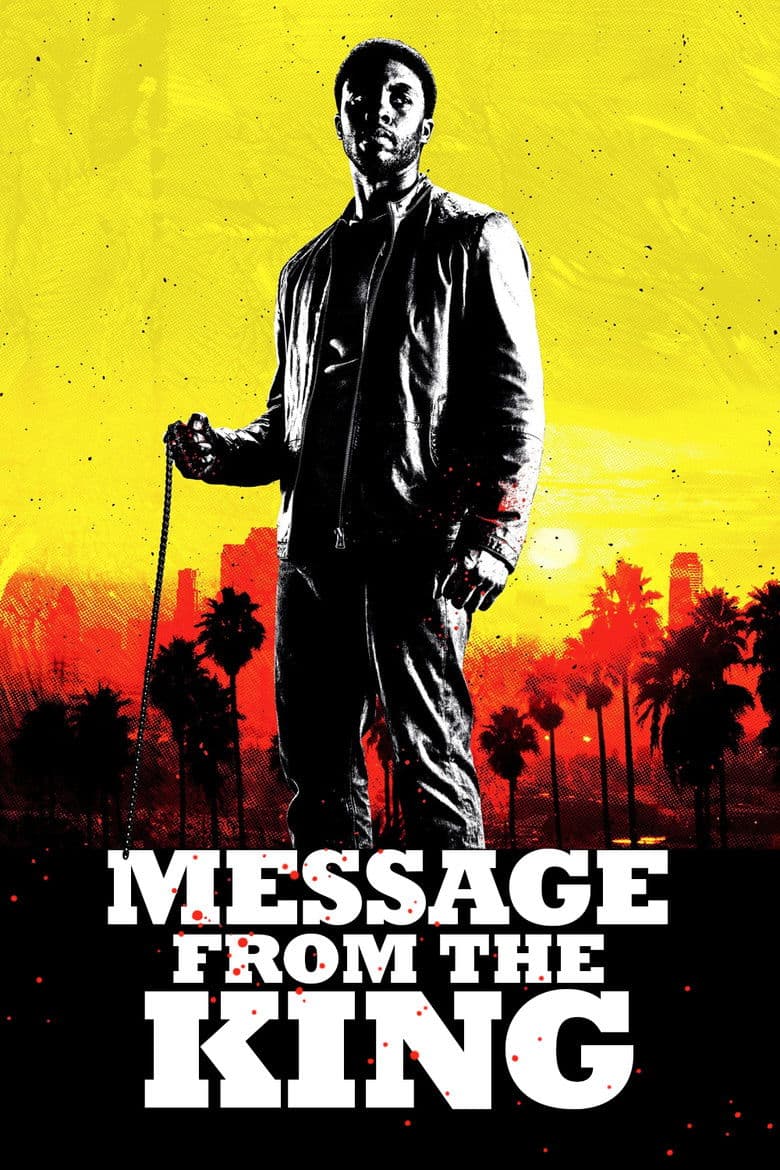
Jacob King is a quiet taxi driver from Cape Town who flies to Los Angeles after his sister Bianca sends a frightened message. He finds that she has been murdered, and he follows her trail through drug dealers, gang members, a dentist, a movie producer, and a local politician. King has only seven days and little money, so he uses threats, fights, and detective work to find the people who hurt her. The film has a grim, violent tone, and Los Angeles feels like a dirty maze where poor people and rich people meet.
The story centers on family loyalty, grief, and revenge. Bianca’s death leads King to a wider chain of blackmail, sexual abuse, drugs, police corruption, and rich people who use weaker people. Kelly is a struggling single mother who helps King recover and tries to protect her daughter. King’s South African background gives him an outsider view of Los Angeles, and the ending returns him to his work as a detective in Cape Town. The film treats violence as King’s answer to a rotten criminal world.
Community feedback
Was our 4% Woke rating accurate?
Breakdown
These are the editorial factors and ratings behind our score for Message from the King.
Woke representation / casting
Not present. Jacob and Bianca are South African characters, so their black identity is part of the story’s family and setting. The supporting cast reflects a mixed modern Los Angeles setting, and the film does not frame the casting as a diversity campaign.
0%
Woke political dialogue
Not present. The dialogue centers on the search for Bianca, threats, crime, sex, money, and revenge. The film has no clear recurring lines that promote modern identity politics, DEI, or activist ideas.
0%
Identity-driven story themes
Not present. The story follows a brother’s revenge mission and exposes a criminal network that includes gangsters, police, a politician, and wealthy people. Its themes are grief, family loyalty, abuse, and personal justice.
0%
Western institutional / cultural critique
Not present. The film shows a corrupt politician, police officers, criminals, and a rich producer, but those figures serve the crime plot. The story does not turn that corruption into a modern activist attack on Western culture, capitalism, family, religion, or gender roles.
0%
Woke character or canon changes
Not relevant. The film is an original revenge thriller. It does not change a known character, source story, or real historical figure.
0%
Anti-woke backlash and complaints
Not present. The separate X research pass found no anti-woke, DEI, boycott, or review-bombing posts about this film. Reddit and review sites mainly discuss the plot, violence, pacing, acting, and accent.
0%
Creator track record context
Fabrice Du Welz and the writers are mainly linked to horror, crime, and thriller work, with no clear activist public image. Chadwick Boseman had a public record of supporting black representation and broader inclusive casting. The other cached producers have little reported political or identity-focused activity, so this context is mild and does not define the film.
20%
Production
Movie · 2021
After civilization succumbs to a deadly pandemic and his wife is murdered, a special forces soldier abandons his duty and becomes a hermit in the Nordic wilderness.
Movie · 2016
After waking up in a hospital with amnesia, professor Robert Langdon and a doctor must race against time to foil a deadly global plot.
Movie · 2017
Steve Ford is a private detective in Venice Beach, Calif., who's good with the ladies, bad with the punches and wild about his dog Buddy.
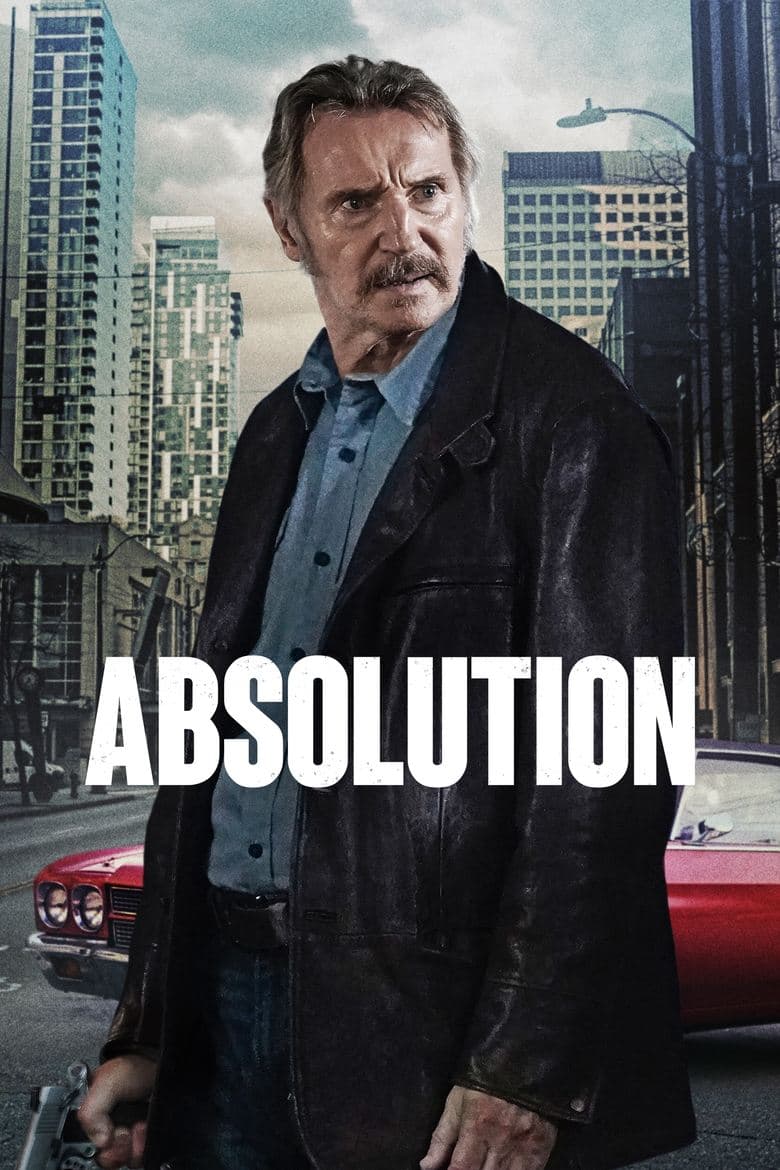
Movie · 2024
An aging ex-boxer gangster working as muscle for a Boston crime boss receives an upsetting diagnosis. Despite a faltering memory, he attempts to rectify the sins of his past and…
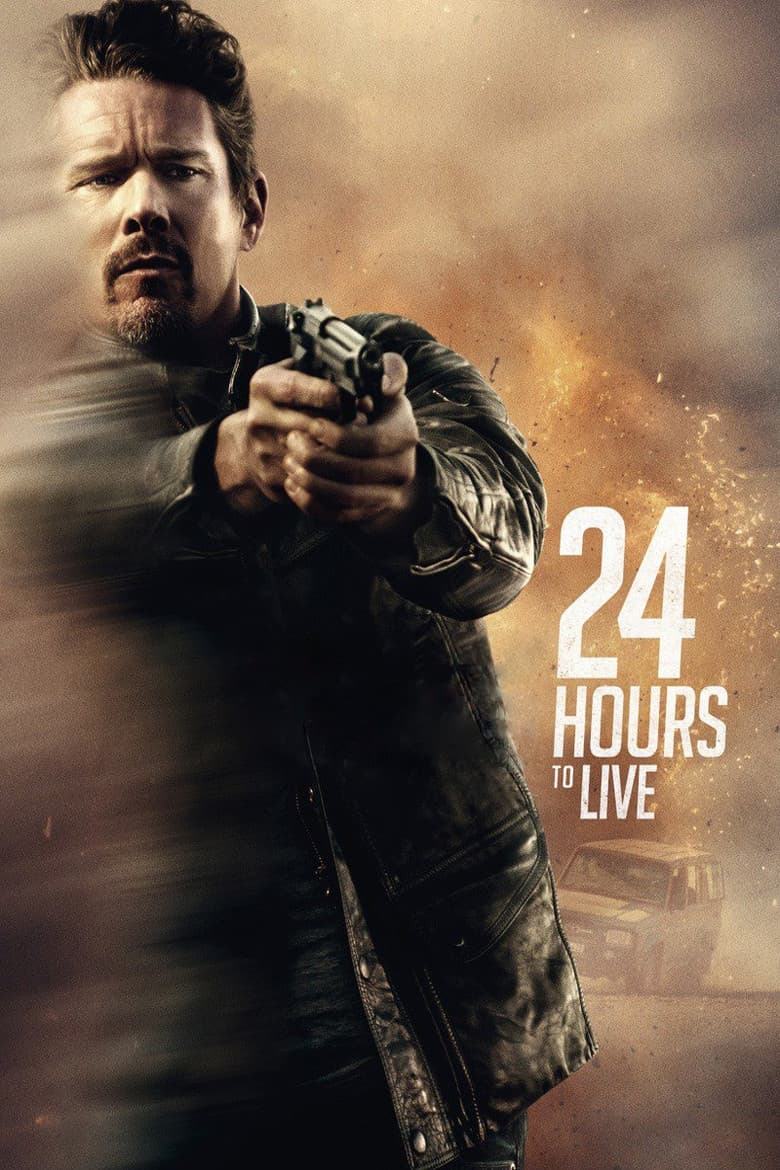
Movie · 2017
An assassin seeks redemption after being given a second chance at life.

Movie · 2018
A married couple suspect that the 'smart apartments' in their high tech residence are being used by its owner for sinister reasons.
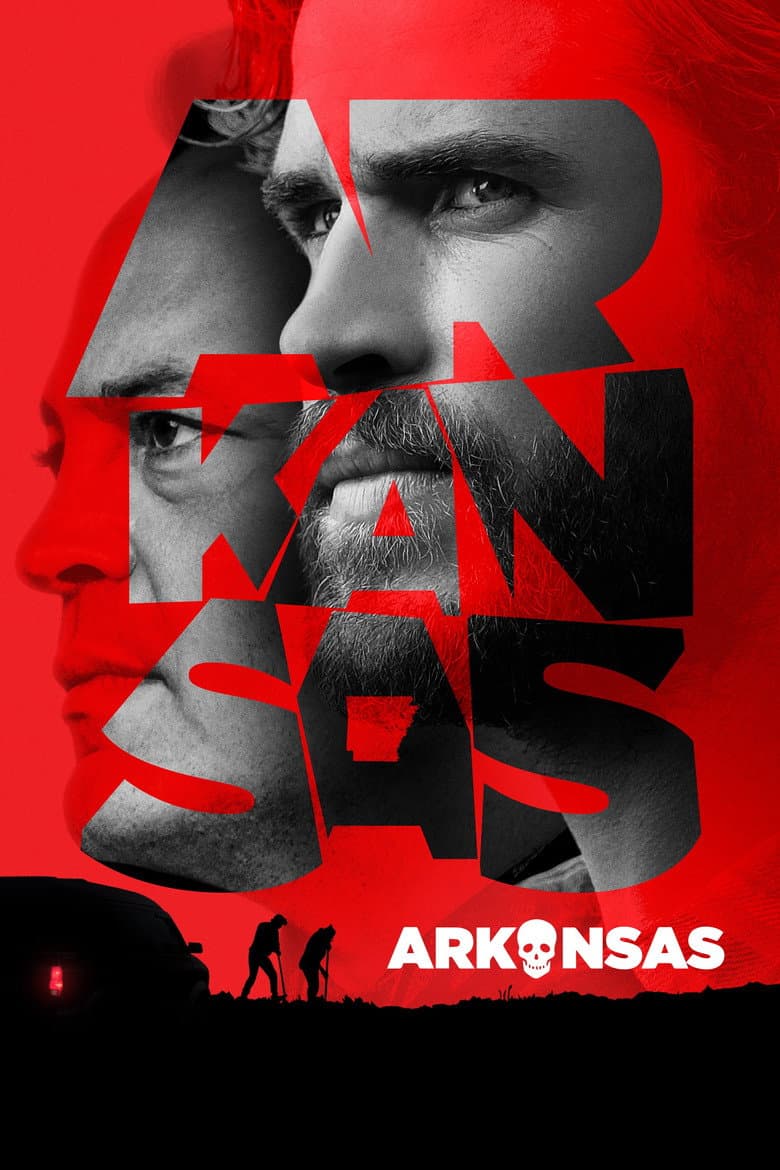
Movie · 2020
Kyle and Swin live by the orders of an Arkansas-based drug kingpin named Frog, whom they've never met. But when a deal goes horribly wrong, the consequences are deadly.
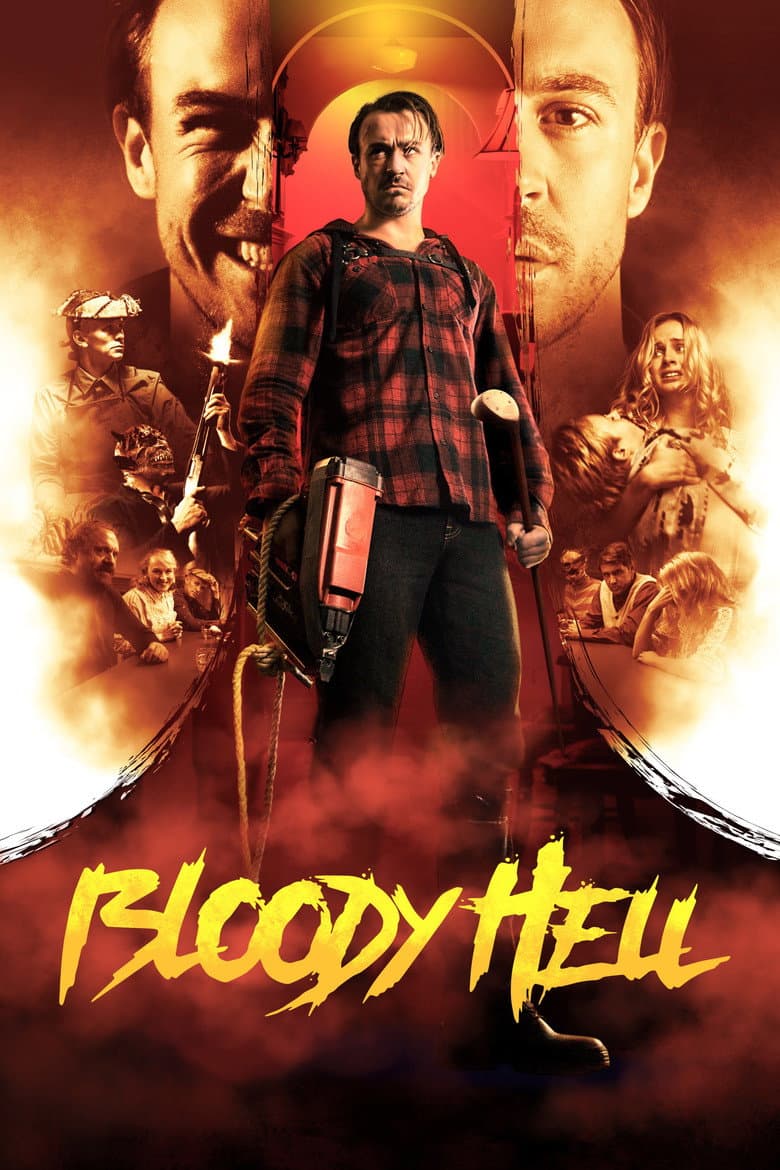
Movie · 2020
A man with a mysterious past flees the country to escape his own personal hell... only to arrive somewhere much worse.
