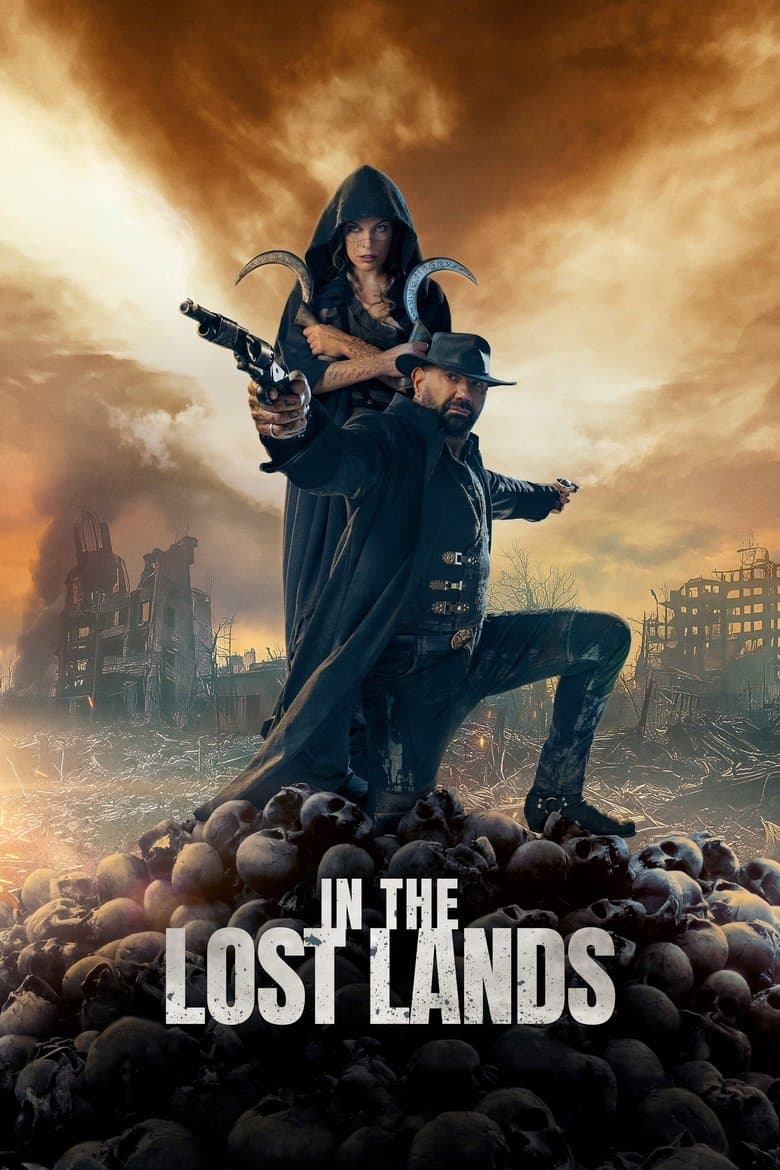
In the Lost Lands follows Gray Alys, a feared witch who must grant every paid request, even when she knows it may end badly. A queen sends her into a ruined future to find the skin of a shapeshifter so the queen can become a wolf and join her lover. Gray Alys hires the lonely hunter Boyce, but the two face monsters, a deadly church guard, and secrets about their own pasts. Their journey moves through broken cities, wild lands, and a kingdom ruled by an Overlord and his church. The tone is dark, violent, strange, and often bleak.
The film gives Gray Alys most of the power in the story, while the queen and the church's female enforcer also hold major power. The church is shown as cruel and violent because it hangs witches, tortures suspects, and hunts anyone who helps them. The story treats the church's fall and the city's uprising as part of a dark fantasy tale about freedom from harsh rule. These ideas are clear, but the film does not build its plot around race, sexuality, or a modern DEI message. Its main themes are desire, loneliness, betrayal, the price of wishes, and the hard cost of love.
Community feedback
Was our 24% Woke rating accurate?
Breakdown
These are the editorial factors and ratings behind our score for In the Lost Lands.
Woke representation / casting
The film places a black woman in the queen role and gives women the main sorceress and enforcer roles. It also places a black man in the patriarch role inside the ruling church. The story does not explain these choices through identity politics or market them as diversity goals, so the casting signal stays limited.
18%
Woke political dialogue
Not present. The dialogue talks about heresy, sin, the Church, and rebellion inside the fantasy world. It does not present a current activist, DEI, or left-wing political argument.
0%
Identity-driven story themes
Not present. The story centers on wishes, loneliness, betrayal, love, and survival. It does not make race, gender, sexuality, or identity politics the main message.
0%
Western institutional / cultural critique
The Church rules the city through fear and calls Gray Alys a heretic. Its agents hang and torture people, chase the leads, and fight to keep the old power system alive. The Church falls during the ending, but the movie treats this as fantasy tyranny and does not connect it to current politics or social groups.
24%
Woke character or canon changes
Not relevant. The film expands George R.R. Martin's short story into a larger post-apocalyptic action story. No identity-driven change to an established character or real historical figure is clear.
0%
Anti-woke backlash and complaints
A tiny X account called the film “woke mindrot” and tied its flop to social norms. A larger right-leaning post blamed Hollywood's general DEI focus and dislike of men while listing the film among 2025 flops, but it gave no film-specific case. Several small right-leaning users instead called the film not woke or anti-woke. No sustained pile-on, boycott, or review-bomb campaign was found.
12%
Creator track record context
George R.R. Martin has called himself a feminist and defended women and diverse elements, while Constantin Werner has no documented activist profile. Paul W.S. Anderson's strong female action leads are presented as genre heroes, not as DEI campaigns. Milla Jovovich has supported abortion rights and humanitarian causes, while Dave Bautista is a vocal Trump critic and LGBTQ+ ally. These signals raise the context modestly, but the film's interviews focus on fantasy, action, love, and loneliness rather than activism.
24%
Production
Movie · 2020
A portal transports Cpt. Artemis and an elite unit of soldiers to a strange world where powerful monsters rule with deadly ferocity.

Movie · 2025
The Demon Slayer Corps are drawn into the Infinity Castle, where Tanjiro, Nezuko, and the Hashira face terrifying Upper Rank demons in a desperate fight as the final battle…
Movie · 2024
Hellboy and a rookie BPRD agent get stranded in 1950s rural Appalachia. There, they discover a small community haunted by witches, led by a local devil with a troubling connection…
Movie · 2020
After the vicious slaughter of his family by stone-cold mercenary Sub-Zero, Hanzo Hasashi is exiled to the torturous Netherrealm.
Movie · 2021
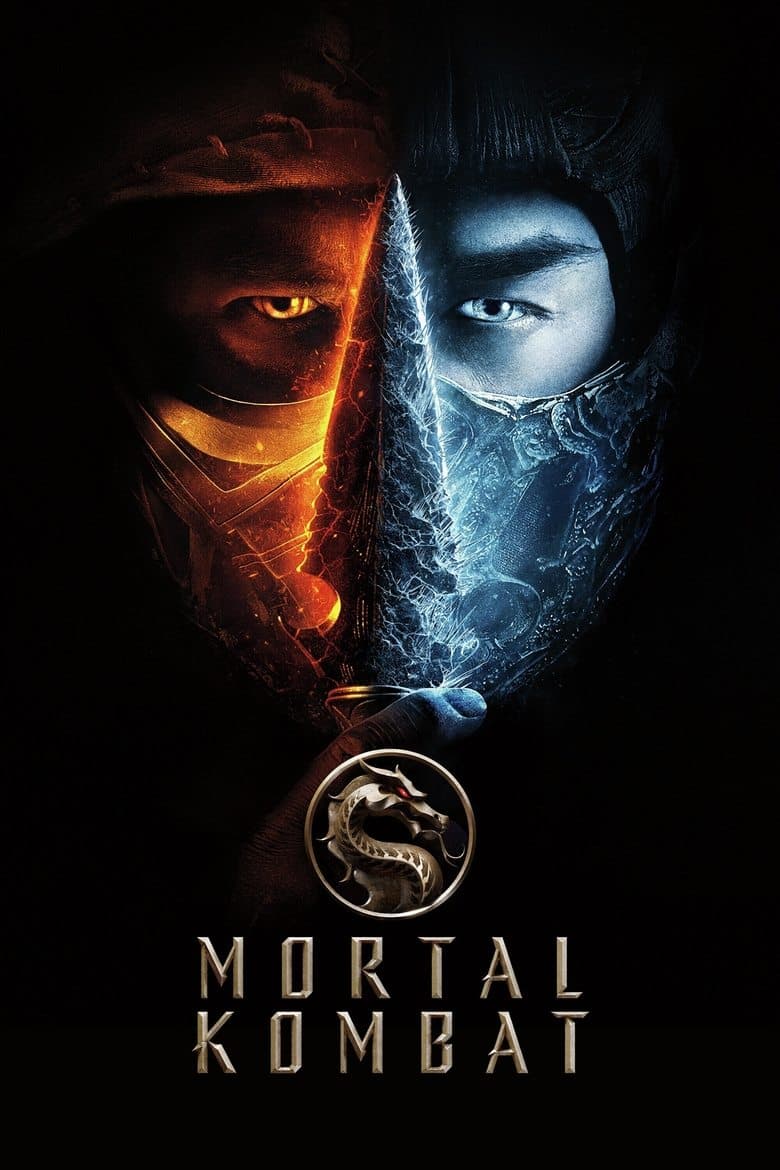
Washed-up MMA fighter Cole Young, unaware of his heritage, and hunted by Emperor Shang Tsung's best warrior, Sub-Zero, seeks out and trains with Earth's greatest champions as he…

Movie · 2022
When a team of mercenaries breaks into a wealthy family compound on Christmas Eve, taking everyone inside hostage, the team isn’t prepared for a surprise combatant: Santa Claus is…
Movie · 2018
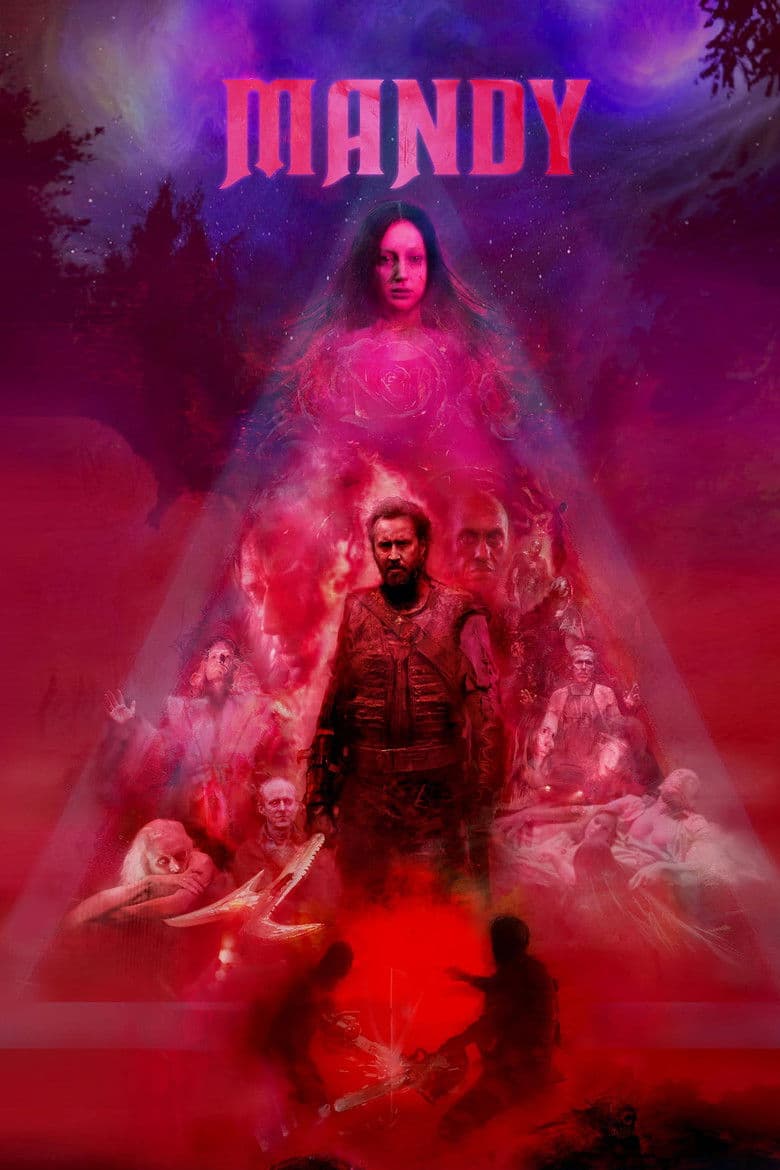
The Shadow Mountains, 1983. Red and Mandy lead a loving and peaceful existence; but when their pine-scented haven is savagely destroyed, Red is catapulted into a phantasmagoric…

Movie · 2025
In a brutal war between devils, hunters, and secret enemies, a mysterious girl named Reze has stepped into Denji's world, and he faces his deadliest battle yet, fueled by love in…
