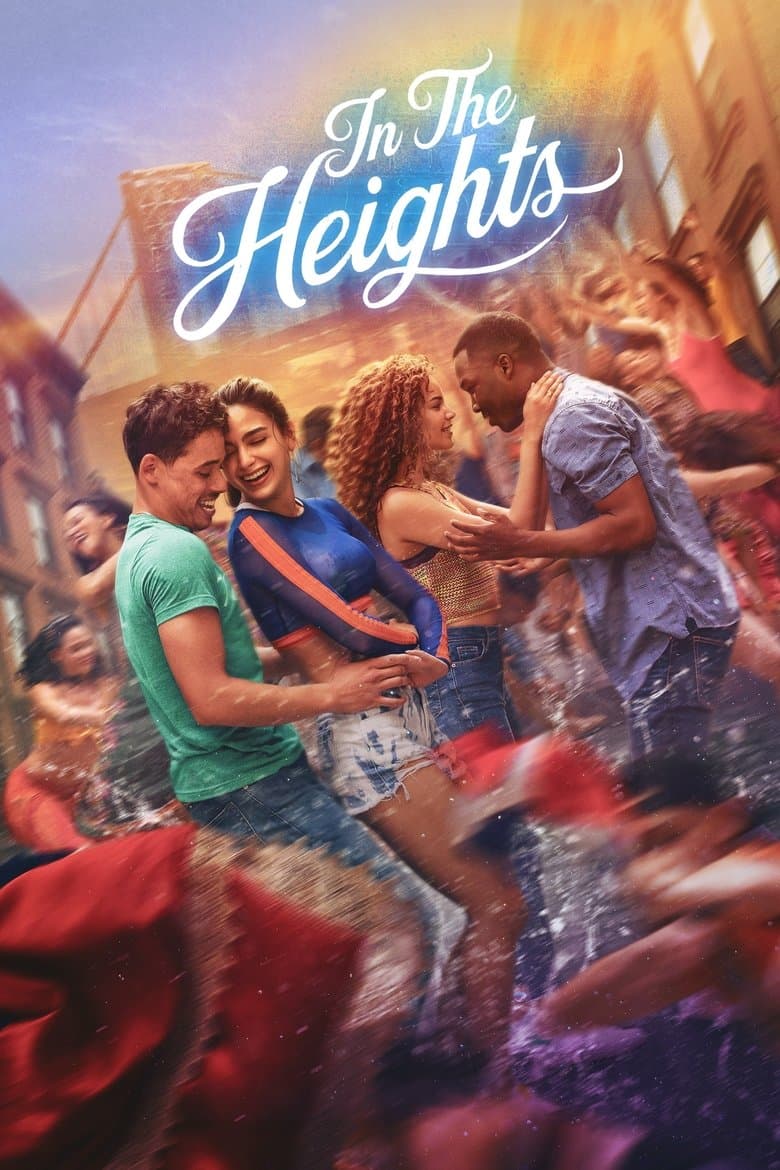
This musical movie tells the story of Usnavi, a grocery store owner in New York's Washington Heights neighborhood, who dreams of moving back to the Dominican Republic. It explores the lives, romances, and struggles of his neighbors during a hot summer. The movie clearly highlights social-justice elements, including a plot about illegal immigration and an undocumented teenager who wants to go to college. It also features a romantic relationship between two women and talks about racial profiling at a major university.
Community feedback
Was our 90% Woke rating accurate?
Breakdown
These are the editorial factors and ratings behind our score for In the Heights.
Woke representation / casting
The film features an all-minority cast, which is accurate to the modern New York neighborhood setting. However, the film updates two female characters, Daniela and Carla, to make them a romantic lesbian couple. This adds a prominent queer representation element to the casting. The creators stated they wanted to show more LGBTQ+ families in the community.
60%
Woke political dialogue
The characters discuss modern political issues. Nina talks about being racially profiled and searched at her elite college. Other characters talk about gentrification and the legal struggles of living without papers. Sonny's story includes discussions about the lack of legal pathways to higher education for undocumented youth.
45%
Identity-driven story themes
The movie centers on social-justice and identity themes. Sonny's main story focuses entirely on his status as an undocumented immigrant. Nina's plot centers on feeling isolated and targeted at school because of her heritage. The film also adds a lesbian romance to highlight queer identity within the neighborhood.
75%
Western institutional / cultural critique
The story criticizes American institutions. It shows the U.S. immigration system as unfair and hostile to young immigrants. It also portrays elite American colleges as places where minority students face bias. Additionally, the plot criticizes landlords and economic forces for pushing minority businesses out.
50%
Woke character or canon changes
The film makes significant political changes to the original Broadway musical. The most notable change turns Daniela and Carla from business partners into a romantic lesbian couple. Sonny's storyline is also changed to focus on his undocumented status. This adds a modern political message about the Dreamer movement that was not in the original show.
75%
Anti-woke backlash and complaints
Most of the public debate centered on left-wing complaints about a lack of dark-skinned lead actors. However, some conservative reviewers and viewers complained that the film was too woke. They argued that the movie focused too much on identity politics and felt like a lecture on progressive immigration policies.
35%
Creator track record context
The creative team has a strong track record of promoting social justice. Writer Quiara Alegría Hudes has an activist background focused on identity. Producers Jeffrey Seller and Jill Furman also have high scores for their work on progressive and feminist stage shows. Producer Lin-Manuel Miranda is also known for supporting activist causes.
62%
Production
Movie · 2017
The story of four characters whose lives intertwine amid the hustle and bustle of the Coney Island amusement park in the 1950s: Ginny, an emotionally volatile former actress now…

Movie · 2020
It was a chance meeting started by one of Sol’s friends trying to chat up Jennifer. However, in the end, it was those two who hit it off.

Movie · 2016
Lou Clark, a directionless 26-year-old from the English countryside, takes a job at the local castle as a caregiver and companion to a wealthy young banker, Will Traynor.

Movie · 2020
When illness strikes two people who are polar opposites, life and death bring them together in surprising ways.
Movie · 2023
Mira Ray, dealing with the loss of her fiancé, John, sends a series of romantic texts to his old cell phone number… not realizing the number was reassigned to Rob Burns' new work…
Movie · 2022
A young couple's relationship clashes with the harsh realities of the California Gold Rush of 1850. Angel, experiencing love for the first time and facing demons unsurmountable…

Movie · 2017
Addie Moore and Louis Waters, a widow and widower, have lived next to each other for years. The pair have almost no relationship, but that all changes when Addie tries to make a…
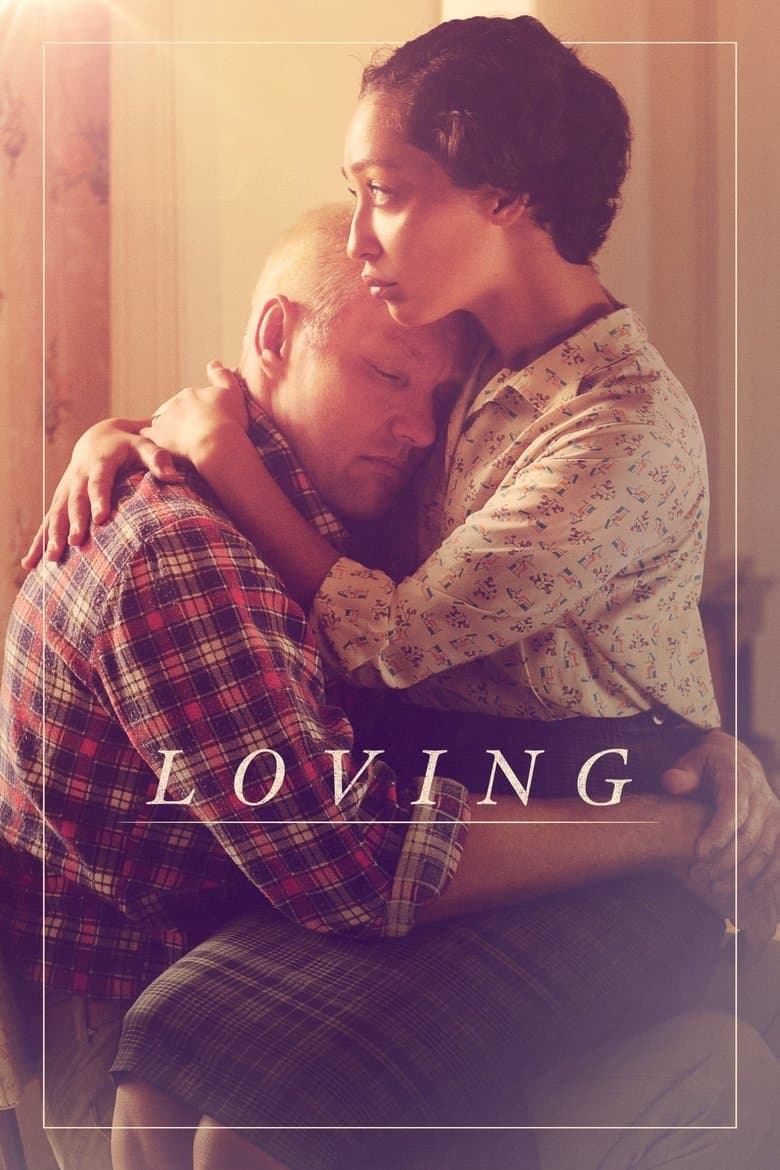
Movie · 2016
In 1958, in the state of Virginia, the idea of interracial marriage was not only considered to be immoral to many, it was also illegal.
